About the park
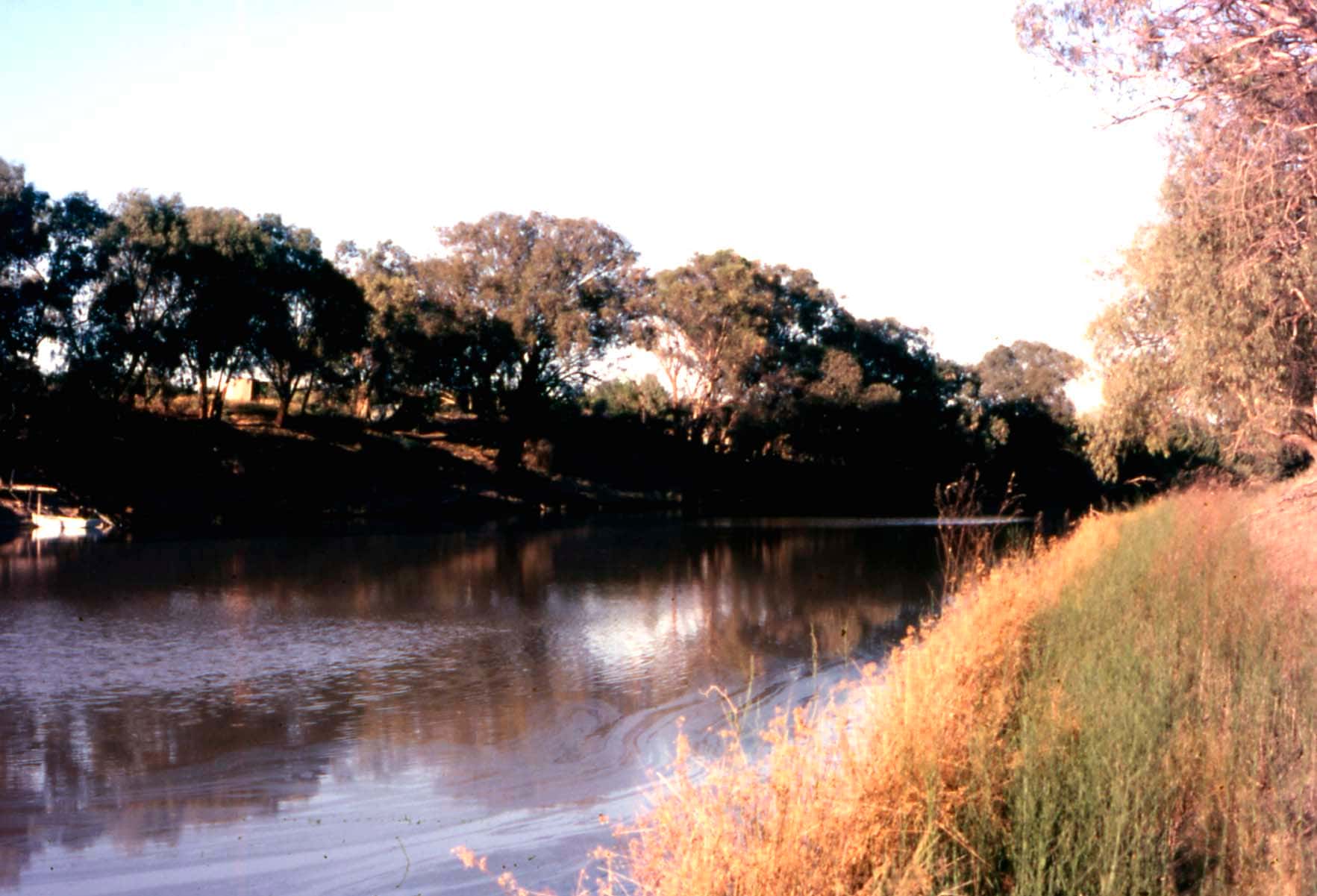
Kinchega National Park surrounds the Menindee lake system and runs along the Darling River in far western NSW. NSW National Parks and Wildlife Service (NPWS) describes it as offering a unique experience of the Australian outback. The landscape changes with the water:
- In flood: reflections in the lakes, and river red gums rising from the water.
- As the water retreats: a green lake bed.
- When the lakes dry: the floodplains burst into wildflowers.
The park also holds a rich Aboriginal and pastoral history. NPWS works with the Menindee Aboriginal Elders Council through the Kinchega National Park Memorandum of Understanding and Joint Management Program, which protects the region's Aboriginal heritage. Barkindji Aboriginal Elders also run Discovery tours, where you can share a billy tea and learn about the park's Aboriginal history.
Check alerts first. At the time of writing, the NPWS park page showed the park as affected by a current alert. NPWS says Kinchega is always open, but may close at times because of poor weather or fire danger. Check current alerts before you set out.
Getting there
- From Broken Hill: take Menindee Road, which becomes the Menindee–Broken Hill Road, all the way to Menindee and the park entrance. Menindee is about 110 km from Broken Hill.
- From Ivanhoe: follow the Cobb Highway for 4 km, then turn left onto the Ivanhoe–Menindee Road and follow it for 200 km.
The park has two entry points, at Menindee Road and Old Pooncarie Road. Mobile reception is limited, so download the Emergency+ app before you go.
Camping and accommodation
NPWS runs three campgrounds and one heritage building. All the campgrounds have unpowered, unmarked sites suitable for tents, camper trailers and caravans, with toilets, barbecues and picnic tables. Bring drinking water, cooking water and firewood.
- Darling River campground has 34 sites on the eastern edge of the park, beside the river. NPWS says it's known for birdwatching, wildlife and wildflowers. You can book up to 12 people or two sites online.
- Emu Lake campground has 7 sites on Woolshed Drive. It's close to the Shearers' Quarters, where there are hot showers and bore water. This is the campground NPWS may move you to if rain closes the others.
- Cawndilla campground sits on Lake Cawndilla, which NPWS calls a birdwatcher's paradise. After rain you might see brolgas, and freckled and blue-billed ducks.
- Kinchega Shearers' Quarters offers basic accommodation in a heritage building, a good choice in winter. It has 6 bedrooms for up to 27 guests, plus a kitchen, showers, an indoor fireplace, air conditioning, heating and a washing machine. Twelve more beds are available in the staff quarters next door. Bring your own bedding, towels, food and drinking water. Check-in is after 2 pm and check-out is by 10 am.
Rain warning. If it rains, you may be asked to move from Darling River or Cawndilla campground to Emu Lake. You may also have to stay at your campsite for several days until the roads dry out.
Pastoral heritage
Kinchega Woolshed. The woolshed was built in 1875 from corrugated iron and river red gum, and NPWS calls it a vast and very well-preserved piece of Australian pastoral heritage. Inside are wool presses and tables, a machinery room, an original steam engine, sweating pens and the shearing board. In 97 years of operation, six million sheep were shorn here. According to NPWS, Kinchega station covered more than 492,000 ha in 1883 and ran 143,000 sheep.
Old Kinchega Homestead. The homestead was built on the edge of a billabong off the Darling River in the mid- to late 1870s and occupied for some 60 to 80 years. Only ruins remain, with interpretive signs showing what the building looked like. The main building housed the overseers, and there was an Aboriginal camp nearby for workers.
PS Providence site. In 1872 the boiler of the riverboat PS Providence exploded on the Darling River, killing everyone on board except one person. NPWS says the explosion was heard at the woolshed. A rusting piece of metal on the riverbank marks the site, and victims are buried in the cemetery near the homestead.
Tours. Guided tours of the woolshed and the Old Kinchega Homestead run during the Easter, winter and spring school holidays.
Kinchega Visitor Centre. The visitor centre is in a 1950s building in the old shearers' quarters area. It's always open but usually unstaffed. Interpretive panels cover the park's natural, pastoral and Aboriginal history.
Walking
The Kinchega Homestead billabong walk is a 2.3 km Grade 3 loop that takes 1.5 to 2.5 hours. It starts at the Old Kinchega Homestead car park, or at campsite 34 on River Drive. The track passes through scrub, sand plains, river red gum forest and wetlands, past the homestead ruins and Aboriginal sites such as scar trees and middens.
There are short, steep and slippery sections. The walk may close when the billabong is high.
Wildlife, birds and fishing
The park's waterways draw a wide range of birds and animals:
- Along the river: pink and black cockatoos nest in tree hollows, and egrets and black kites patrol the water.
- Along the walks: look for emus, kangaroos, kestrels, galahs and goannas.
- At night: you may hear Peron's tree frog, whose call NPWS likens to laughter or a creaking door.
In winter, NPWS suggests fishing below Weir 32 on the Darling River, where you might catch a golden perch. You'll need a current NSW recreational fishing licence, and you must follow bag limits and protected species rules.
Weather and the best time to visit
NPWS gives these weather figures for the park:
| Average range | Record | |
|---|---|---|
| Summer | 18°C to 34°C | Highest 49.7°C |
| Winter | 5°C to 19°C | Lowest -3.5°C |
The wettest months are May and October, and the driest is April. NPWS suggests spring for camping, when it's cooler and the park is coming to life. In summer you can cool off in the rivers or lakes.
Safety and park rules
- Outback heat. Summer temperatures can reach 50°C in some outback areas, and food, water and fuel can be scarce.
- Blue-green algae. It can build up in outback lakes and rivers. Avoid contact with affected water and surface scum.
- Pets. Pets aren't permitted, apart from certified assistance animals.
- Smoking. NSW national parks are no-smoking areas.
- Emergencies. Phone Triple Zero (000). You'll need mobile reception to call.
For general advice, see our outback safety guide and outback camping guide.
Combine with
- Menindee, right next to the park.
- Broken Hill, about 110 km to the north-west.
- Mungo National Park, further south.
- Paroo-Darling National Park, upstream near Wilcannia and White Cliffs.
Frequently asked questions
Where can I camp in Kinchega National Park?
NSW National Parks runs three campgrounds in Kinchega: Darling River campground (34 sites on the riverbank), Emu Lake campground (7 sites near the Shearers' Quarters) and Cawndilla campground on Lake Cawndilla. All are unpowered and have toilets and barbecues. Bring drinking water and firewood, and book online.
Where can I find accommodation at Kinchega National Park?
The Kinchega Shearers' Quarters is a heritage building at 673 Woolshed Drive, Menindee, in the park. It has 6 bedrooms for up to 27 guests, plus 12 extra beds in the staff quarters next door for large groups. Bring linen, towels, food and drinking water. Park entry fees aren't included.
Is there an entry fee for Kinchega National Park?
Yes. NSW National Parks lists park entry at $8 per vehicle per day, paid through a pay-and-display envelope system, so bring correct coins. NSW park passes, such as the Country Parks Pass, also cover entry.
Can you visit the Kinchega Woolshed?
Yes. The 1875 woolshed is at 673 Woolshed Drive inside the park, and park entry fees apply. NPWS says guided tours of the woolshed and Old Kinchega Homestead run during the Easter, winter and spring school holidays.
What is the most beautiful national park in Australia?
That depends on what you love. For river red gums, lake reflections, waterbirds and pastoral heritage in outback NSW, Kinchega is hard to beat. NSW National Parks says a visit will restore your sense of wonder.
Sources and further reading
Facts on this page were checked against these primary and official sources. Conditions change — confirm before you travel or buy.
- Kinchega National Park — NSW National Parks and Wildlife Service
- Kinchega National Park visitor info — NSW National Parks and Wildlife Service
- Kinchega Shearers' Quarters — NSW National Parks and Wildlife Service
- Kinchega Woolshed — NSW National Parks and Wildlife Service
- Darling River campground — NSW National Parks and Wildlife Service
- Kinchega Homestead billabong walk — NSW National Parks and Wildlife Service


