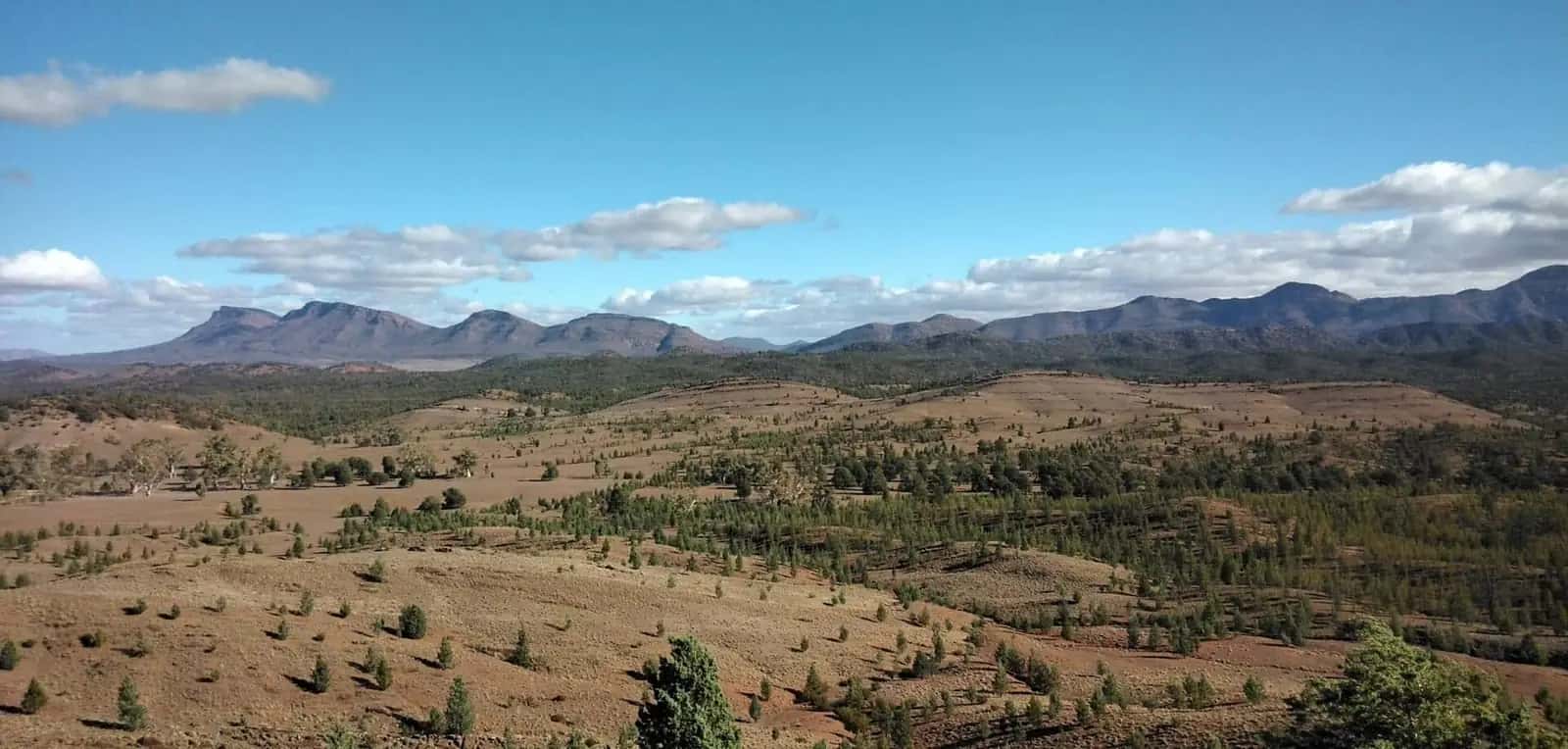
Australia's outback spans desert, semi-arid grassland and tropical savanna, so there is no single "best month". The Bureau of Meteorology's climate classification maps show the pattern: a tropical north with distinct wet and dry seasons, and a vast arid and semi-arid interior where the main variable is heat.
The short answer
| Region | Best months | Avoid |
|---|---|---|
| Outback NSW (Bourke, Broken Hill) | April–October | December–February heat |
| Central & south-west Queensland | April–September | Summer heat; floods after big rain |
| Outback SA (Coober Pedy, Flinders) | April–October | Summer heat |
| Red Centre (Alice Springs, Uluru) | April–September | December–February heat |
| Top End & Kimberley | May–October (dry) | November–April (wet) |
| Pilbara (Karijini, Tom Price) | April–September | Summer heat; cyclone season |
The arid and semi-arid outback
From western NSW across to the Red Centre and the Goldfields, the climate is dry with hot summers and mild winters. Autumn (March–May) brings comfortable days as the heat fades and is a great time to beat the crowds. Winter (June–August) is peak season: sunny days, cold nights, events in almost every town and busy caravan parks during school holidays. Spring (September–November) warms quickly but can bring wildflowers after a good winter, especially in the Flinders Ranges and WA. Summer (December–February) is hot enough to be dangerous; travel is possible on sealed roads with care, but expect closures and reduced tour schedules.
The tropical north
In the Top End, Gulf Country and Kimberley, the year is split into the dry (roughly May–October) and the wet (roughly November–April). The dry season has warm days, low humidity and open roads, and it is when most tours, the Gibb River Road and the Savannah Way's unsealed sections operate. The wet brings storms, flooding, high humidity and cyclone risk, and closes many unsealed roads. Some travellers love the shoulder months — May and October — for fewer crowds, though conditions vary year to year.
Rain and floods in the inland
Big rain events in Queensland and northern SA can send floodwater down the Channel Country rivers, Cooper Creek and the Diamantina towards Lake Eyre (Kati Thanda). This is spectacular but cuts roads for weeks. Check road reports and consider a scenic flight instead.
School holidays and events
School holidays — especially the winter (June–July) and spring (September–October) breaks — are the busiest times on outback roads. Big events such as the Birdsville Races fill whole regions. If you are flexible, travel just before or after these periods. See our outback events guide.
Packing for the season
Even in winter, pack sun protection, hats and plenty of water. Nights in the desert get cold, so bring a warm jacket, beanie and a sleeping bag rated for low temperatures if camping. In the tropical dry season, insect repellent and light, long-sleeved clothing help with mosquitoes.
Our recommendation
For a first trip, go between late April and early September and pick one region. Outback NSW or central-west Queensland suit a week to ten days on sealed roads; the Red Centre suits a fly-drive. Leave the summer outback and the tropical wet to experienced travellers.
Heat and health
Summer heat in the arid outback is dangerous. Daytime temperatures in places such as Birdsville, Oodnadatta and Marble Bar regularly exceed 40°C in summer, and heatwaves can last for days. Heat stress can affect anyone, especially older travellers, children and people with medical conditions. In hot weather, travel early, rest in the middle of the day, drink water regularly, avoid alcohol while driving and know the signs of heat exhaustion and heatstroke. If your vehicle breaks down, stay with it in the shade; walking for help in the heat can be fatal.
The Bureau of Meteorology's heatwave service shows current and forecast heatwave conditions, and its forecasts and warnings are available on the BOM website and app.
Cold nights
Winter nights in the desert surprise many visitors. Inland towns such as Alice Springs and many places in outback NSW, SA and Queensland can drop to near or below freezing on clear winter nights, even after warm days. Pack thermal layers, a beanie, warm sleeping gear and a jacket, and check your caravan's or camper's heating options.
Wildflower season
After good autumn and winter rain, the outback can burst into bloom in late winter and spring. Western Australia's wildflower season runs roughly from July to October, moving from north to south. In outback NSW, SA and the Red Centre, Sturt's desert pea, poached egg daisies and other wildflowers can carpet the ground after rain. Displays depend entirely on rainfall, so check recent conditions with state tourism bodies and parks agencies.
Wet season travel in the north
Travelling the north in the wet is possible, but it requires flexibility. Major highways such as the Stuart and Great Northern are sealed and usually open, though floods can close them temporarily. Many unsealed roads, such as the Gibb River Road and parts of the Savannah Way, close for months. Some national park areas close too. On the plus side, waterfalls are at their most powerful, the landscape is green, and there are fewer crowds. Scenic flights are a good way to see waterfalls when roads are closed.
Cyclones can affect northern Australia from November to April. Monitor BOM cyclone warnings and follow advice from local emergency services.
Shoulder seasons
Shoulder seasons — April and May, and September and October — can offer the best of both worlds in many areas, with fewer crowds and comfortable conditions. In the north, May is often still lush after the wet, with waterfalls flowing, though some roads may not have reopened. In the south, spring can bring wildflowers and nesting birds.
Regional notes
- Outback NSW: autumn and spring are mild; winter is cool with frosty mornings. Summer can be very hot. See Broken Hill.
- Outback Queensland: the main season runs from about April to September, with many tours and attractions operating full schedules then. See Longreach.
- Outback SA: the Flinders Ranges are pleasant in autumn, winter and spring; the far north is best in winter. See Ikara-Flinders Ranges.
- Red Centre: winter days are sunny and mild, nights cold. See Uluru-Kata Tjuta.
- Top End and Kimberley: the early dry (May–June) has flowing waterfalls; later in the dry is hotter and dustier. See Nitmiluk.
- Pilbara: winter is warm and dry; summer is hot with cyclone risk. See Karijini.
Further reading
For monthly BOM temperature and rainfall figures, see outback weather by month. For region-by-region timing, see the outback regions guides.
See also wet season and road closures and travelling in summer heat.
Where to go once you've picked your dates: the best outback experiences.
Frequently asked questions
What month is best for the outback?
For the arid and semi-arid outback, the cooler months from about April to September are the most comfortable, with June to August the peak. For the tropical north, the dry season from about May to October is best.
Is it too hot to visit the outback in summer?
In much of inland Australia summer daytime temperatures are regularly very high, and heat can be dangerous. Many tours and some attractions close or run reduced hours. Summer travel is possible with care, air-conditioning and plenty of water, but it is not recommended for first-timers.
When is the wet season in northern Australia?
The tropical wet season runs roughly from November to April. It brings heavy rain, storms, humidity and the risk of cyclones, and many unsealed roads and some national park areas close.
Does it get cold in the outback?
Yes. Desert nights in winter can drop near or below freezing in places such as Alice Springs, Broken Hill and the Flinders Ranges. Pack warm layers even if days are mild.
Sources and further reading
Facts on this page were checked against these primary and official sources. Conditions change — confirm before you travel or buy.
- Climate statistics for Australian locations — Bureau of Meteorology
- Australian climate zones — Bureau of Meteorology
- Northern Australia wet season — Bureau of Meteorology


