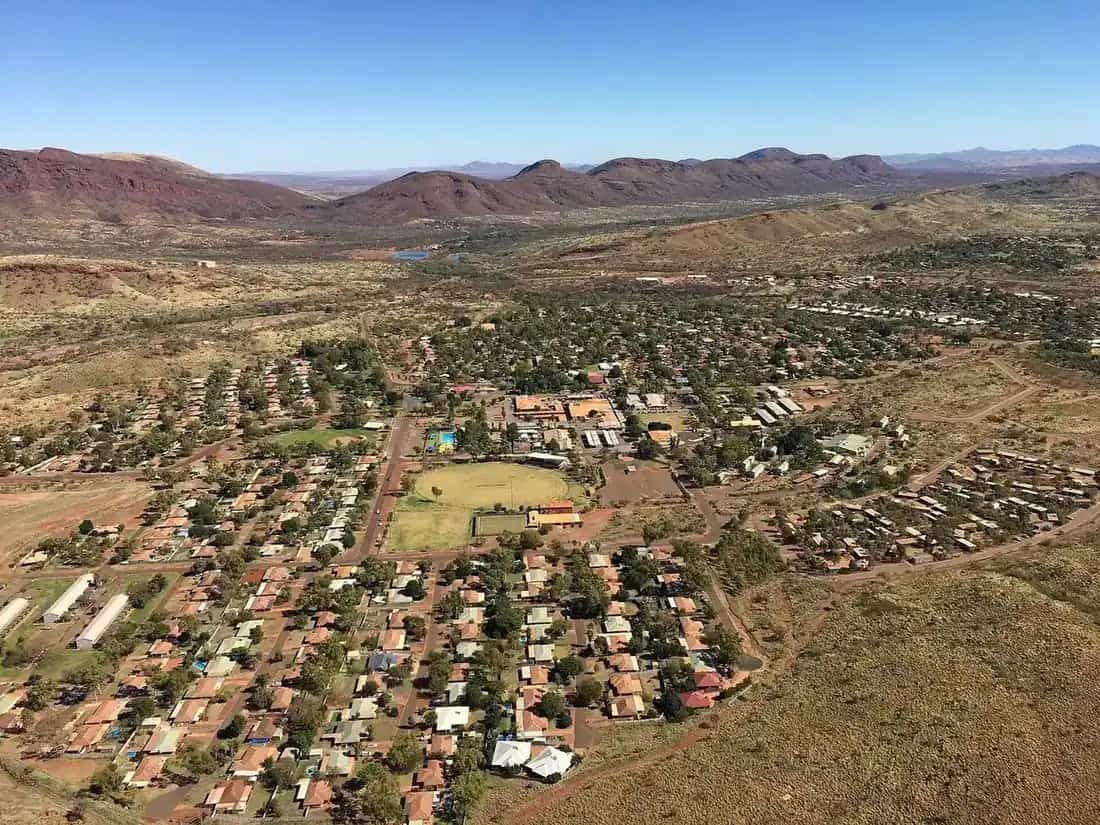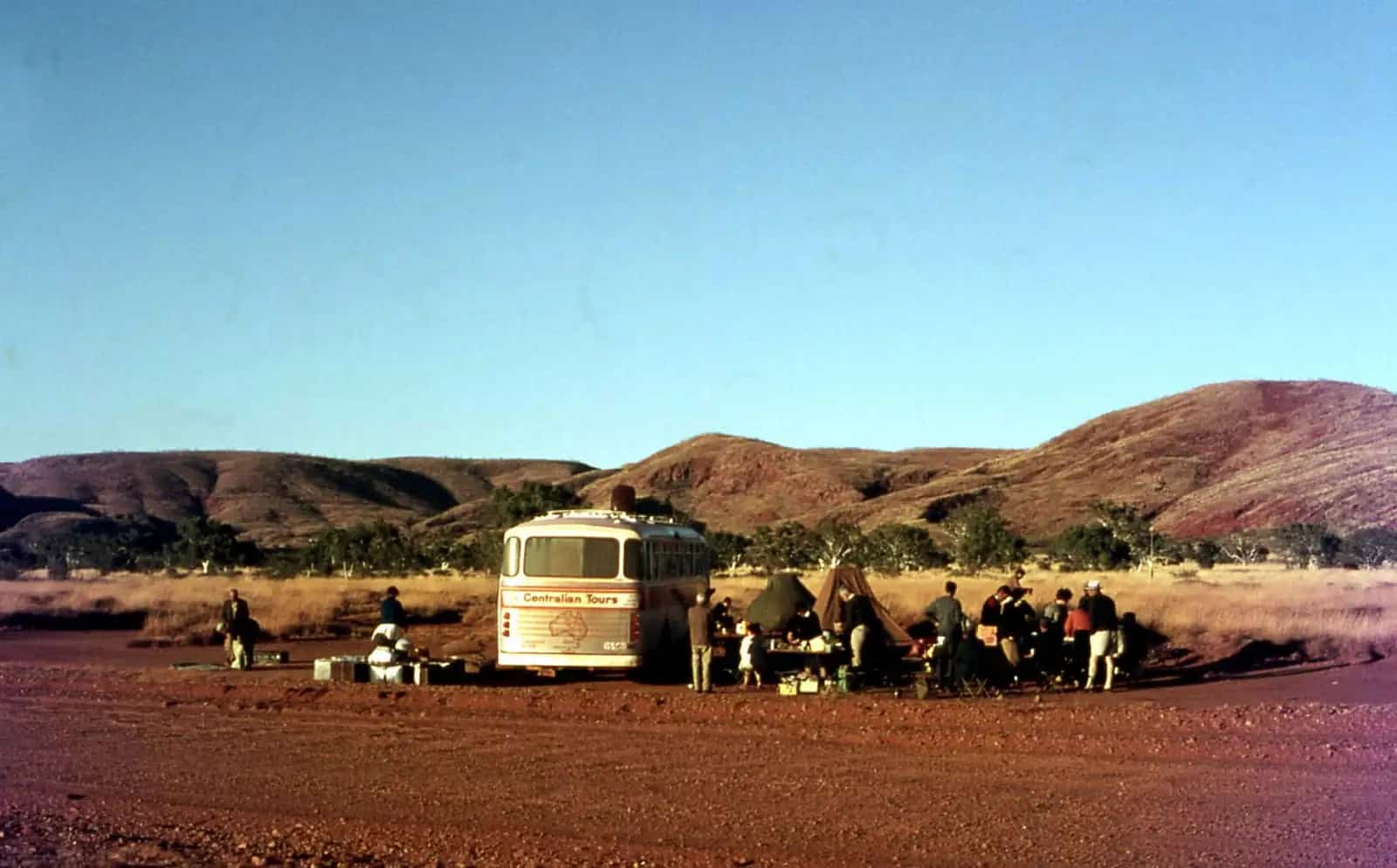
Prospector Paddy Hannan's 1893 gold find sparked a rush to Kalgoorlie, on Wangkatja Country, and the twin towns of Kalgoorlie and Boulder grew rapidly along the Golden Mile. Water was piped from near Perth in 1903 via C. Y. O'Connor's Goldfields Water Supply Scheme, an engineering feat that made the city possible.
Things to do
Super Pit lookout. Look down into the vast Fimiston open pit, where haul trucks look like toys.
Hannan Street. Grand hotels and public buildings from the gold boom line one of Australia's finest heritage streetscapes.
Museum of the Goldfields. A WA Museum site covering the gold rush, Aboriginal history and the region's people, with a head-frame lift to a lookout.
Boulder heritage. Boulder's Burt Street has its own historic buildings and the old Loopline railway station.
Golden Pipeline. Follow the heritage trail of the water pipeline back towards Perth.
Day trips
Coolgardie, 40 km west, preserves gold-rush buildings. Lake Ballard, north near Menzies, is home to Antony Gormley's "Inside Australia" sculptures on a salt lake.
The 1893 gold rush
In June 1893 Irish prospectors Paddy Hannan, Thomas Flanagan and Dan Shea found alluvial gold near Mount Charlotte while travelling to a rush elsewhere. Hannan registered the find, and within days hundreds of prospectors were on the site. Kalgoorlie grew from a tent camp into a substantial town within a few years, while Boulder developed next to the rich mines of the Golden Mile.
Water was the great problem. Typhoid and other diseases spread through the early camps, and water was carted or condensed at great cost. The solution was the Goldfields Water Supply Scheme, designed by engineer C. Y. O'Connor: a pipeline about 530 km long that pumps water from Mundaring Weir near Perth to Kalgoorlie. It was completed in 1903, and it still supplies the Goldfields today. The pipeline is recognised as a major engineering heritage landmark.
Country
Kalgoorlie-Boulder is on the Country of the Wangkatja people and neighbouring groups of the Western Desert and Goldfields. The Goldfields region has a long and continuing Aboriginal history; ask at the visitor centre about cultural tours and art centres.
The Golden Mile and the Super Pit
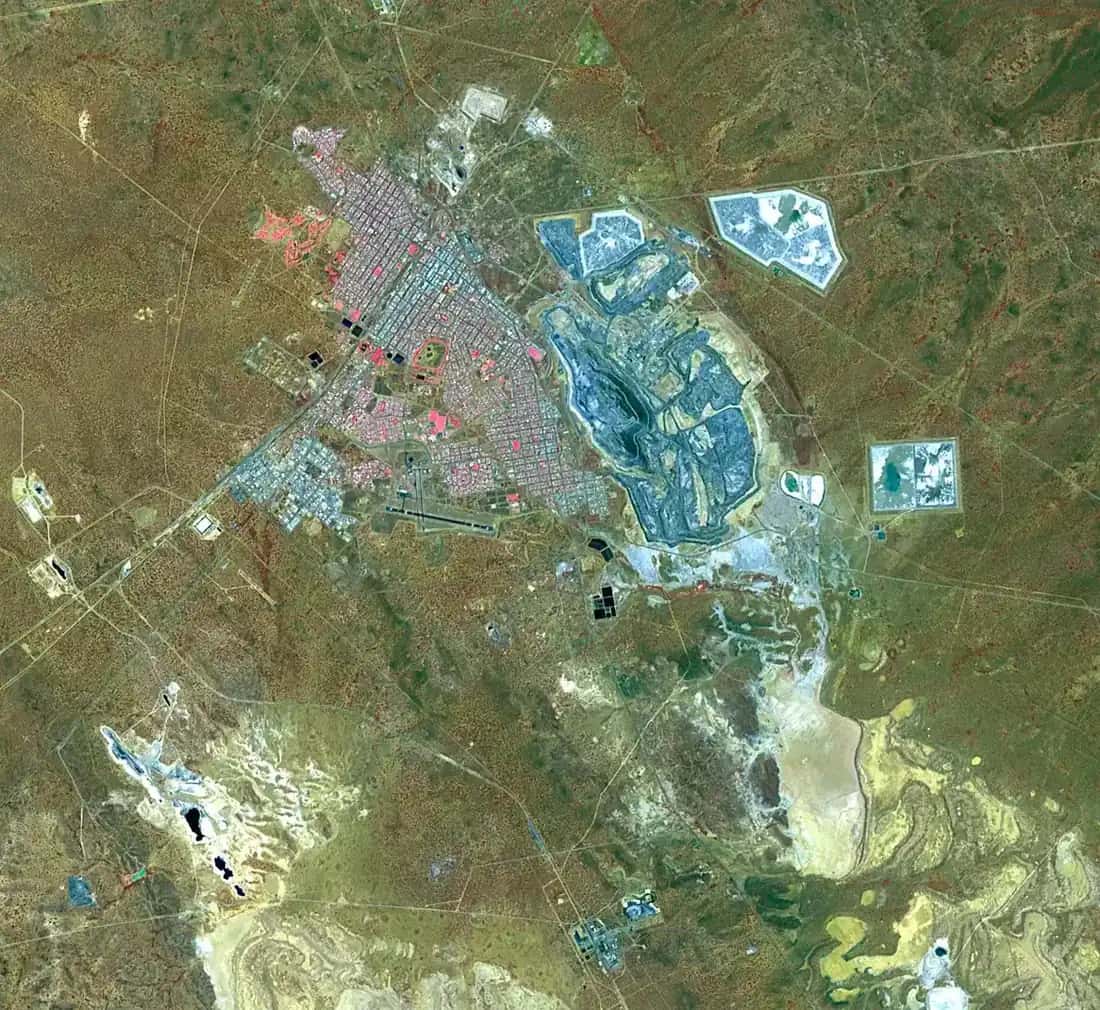
The Golden Mile is one of the world's richest gold-producing areas. Dozens of underground mines once worked it; from the late 1980s many were consolidated into the Fimiston Open Pit, known as the Super Pit. The Super Pit Lookout, just off the Goldfields Highway, lets you look over the pit itself, and blasting times have been published by the operator. Check current lookout access and blast schedules locally, as operations change.
A three-day itinerary
Day 1 — Heritage Kalgoorlie. Walk Hannan Street, with its grand hotels, Town Hall and post office. Visit the WA Museum's Museum of the Goldfields, including its gold vault and the Ivanhoe headframe lift, then dinner at a historic pub.
Day 2 — Mines and Boulder. Super Pit Lookout in the morning, then Boulder's Burt Street heritage precinct and the Goldfields War Museum. Afternoon at Hannans North Tourist Mine, if open, or the Mount Charlotte Reservoir and lookout at the end of the pipeline.
Day 3 — Ghost towns. Drive north to Kanowna's town site, or further to Coolgardie, Kookynie and Gwalia, near Leonora, where the historic mine manager's house and the preserved town are reminders of the boom years. Leave plenty of time; distances are large.
Seasons
Kalgoorlie has hot summers, often well above 35°C, and cool to cold winter nights. Autumn and spring are the most comfortable. Racing Round in September, when the Kalgoorlie Boulder Racing Club holds its main meeting, is a big event; accommodation fills up.
Getting there
- By air: Kalgoorlie-Boulder Airport has daily flights from Perth.
- By rail: Transwa's Prospector runs between East Perth and Kalgoorlie, and the Indian Pacific passes through.
- By road: about 595 km east of Perth via the Great Eastern Highway, sealed.
Where to stay and eat
A full range of motels, hotels, apartments and caravan parks, plus historic pubs with rooms. Kalgoorlie is a regional city, so supermarkets, restaurants and services are plentiful. It is also the main supply point for the Great Central Road and the Eyre Highway east across the Nullarbor.
Gold, culture and the arts
Beyond mining, Kalgoorlie-Boulder has a lively cultural life. The Goldfields Arts Centre stages touring productions, and several galleries show work by local and Aboriginal artists from across the Goldfields and Western Desert. The Kalgoorlie Town Hall, completed in 1908, is one of the city's grandest buildings and houses a historic collection; its statue of Paddy Hannan, holding a water bag, has become an emblem of the city.
Hannan Street and the pubs
Hannan Street was laid out wide enough for camel trains to turn. Its hotels, with ornate verandahs and iron lace, date mostly from the gold boom around the turn of the twentieth century. Many are still trading. The Exchange Hotel, the York Hotel and the Palace Hotel are among the best-known heritage buildings on the street.
The Western Australian School of Mines
Kalgoorlie is home to the WA School of Mines, part of Curtin University, which has trained mining engineers and geologists for more than a century. Its presence reflects the city's continuing role as the centre of Australia's largest goldfield.
Lakes, bush and wildflowers
The Goldfields lie on the edge of the Great Western Woodlands, one of the largest remaining temperate woodlands in the world. After winter rain, wildflowers bloom along roadsides from about August to October. Salt lakes such as Lake Ballard, near Menzies — site of Antony Gormley's sculpture installation Inside Australia — make striking day trips.
Travel safety
Distances in the Goldfields are vast, and many roads beyond the main highways are unsealed. Carry plenty of water and fuel, avoid driving at night because of wildlife and stock, and check Main Roads WA for conditions. Watch for heavy mining vehicles and road trains.
Can you see the Super Pit without a tour?
Yes. The KCGM Super Pit Lookout is free and open daily from 7 am to 7 pm, according to the operator's website. It's reached off the Goldfields Highway via Mount Monger Road. From the platform you can look into the open-cut and watch haul trucks working far below. Check the lookout page for blasting times and any closures.
Top things to do
- The Super Pit Lookout. As above.
- The Museum of the Goldfields. A Western Australian Museum site at 17 Hannan Street. It's free, and open daily from 10 am to 3 pm, with some holiday exceptions. Displays cover the gold rush and Goldfields life.
- Hannan Street. Grand gold-rush pubs, hotels and civic buildings. Pick up a heritage walk map at the visitor centre.
- Boulder. The twin town's Burt Street heritage precinct.
- The races. Kalgoorlie-Boulder Racing Club's season runs from March to October. The Race Round, held over two weeks in September or October, is the Goldfields' biggest social event.
- Day trips. Coolgardie's heritage buildings, and Gwalia ghost town near Leonora.
Kalgoorlie at night
The Hannan Street pubs are the heart of Kalgoorlie's nightlife, as they have been since the gold rush. Some have live music. Sunset at the Super Pit Lookout is also popular, and the lookout stays open until 7 pm.
How long do you need in Kalgoorlie?
Two days covers the Super Pit Lookout, the museum, Hannan Street and Boulder. Three days lets you add a day trip to Coolgardie, or Leonora and Gwalia. It's about 595 km east of Perth by road, so allow a full day each way if you're driving.
Is it worth going to Kalgoorlie?
Yes, if you're interested in gold-rush history, mining or authentic outback towns. It's also the natural gateway to the Nullarbor via Norseman. See crossing the Nullarbor and the Western Australia road trip.
Where to stay
Heritage pub hotels, motels, serviced apartments and caravan parks. Mining activity keeps weekday demand high, and the Race Round books out, so reserve early.
Visitor centre
The Kalgoorlie-Boulder Visitor Centre is at 316 Hannan Street. Check its website for current hours.
Practical information
Kalgoorlie-Boulder has a hospital, airport, supermarkets and many hotels. Summers are hot; autumn to spring is best.
Explore nearby
Kalgoorlie-Boulder is a starting point for crossing the Nullarbor and for gold fossicking under a Miner's Right.
North of Kalgoorlie: Lake Ballard, 51 km west of Menzies.
Frequently asked questions
Can you see the Super Pit in Kalgoorlie?
Yes. The Fimiston open pit, known as the Super Pit, has a public lookout on the edge of the city. Check with the visitor centre for lookout hours and blast times.
How far is Kalgoorlie from Perth?
About 595 km east of Perth on the Great Eastern Highway, roughly six to seven hours' drive. The Prospector train and flights also connect the cities.
Can you see the Super Pit without a tour?
Yes. The KCGM Super Pit Lookout is free and open daily from 7 am to 7 pm, off the Goldfields Highway via Mount Monger Road.
How long do you need in Kalgoorlie?
Two days for the Super Pit Lookout, the Museum of the Goldfields, Hannan Street and Boulder. Allow three days with a day trip to Coolgardie or Leonora and Gwalia.
Is it worth going to Kalgoorlie?
Yes. Its gold-rush streetscapes, the Super Pit and the free Museum of the Goldfields make it WA's best-known outback town, and it's on the way to the Nullarbor.
Sources and further reading
Facts on this page were checked against these primary and official sources. Conditions change — confirm before you travel or buy.
- Kalgoorlie-Boulder visitor centre — City of Kalgoorlie-Boulder
- Museum of the Goldfields — WA Museum
- Golden Pipeline Heritage Trail — National Trust WA
- Super Pit Lookout — KCGM
- Museum of the Goldfields — Western Australian Museum
- About — Kalgoorlie-Boulder Visitor Centre