About the park
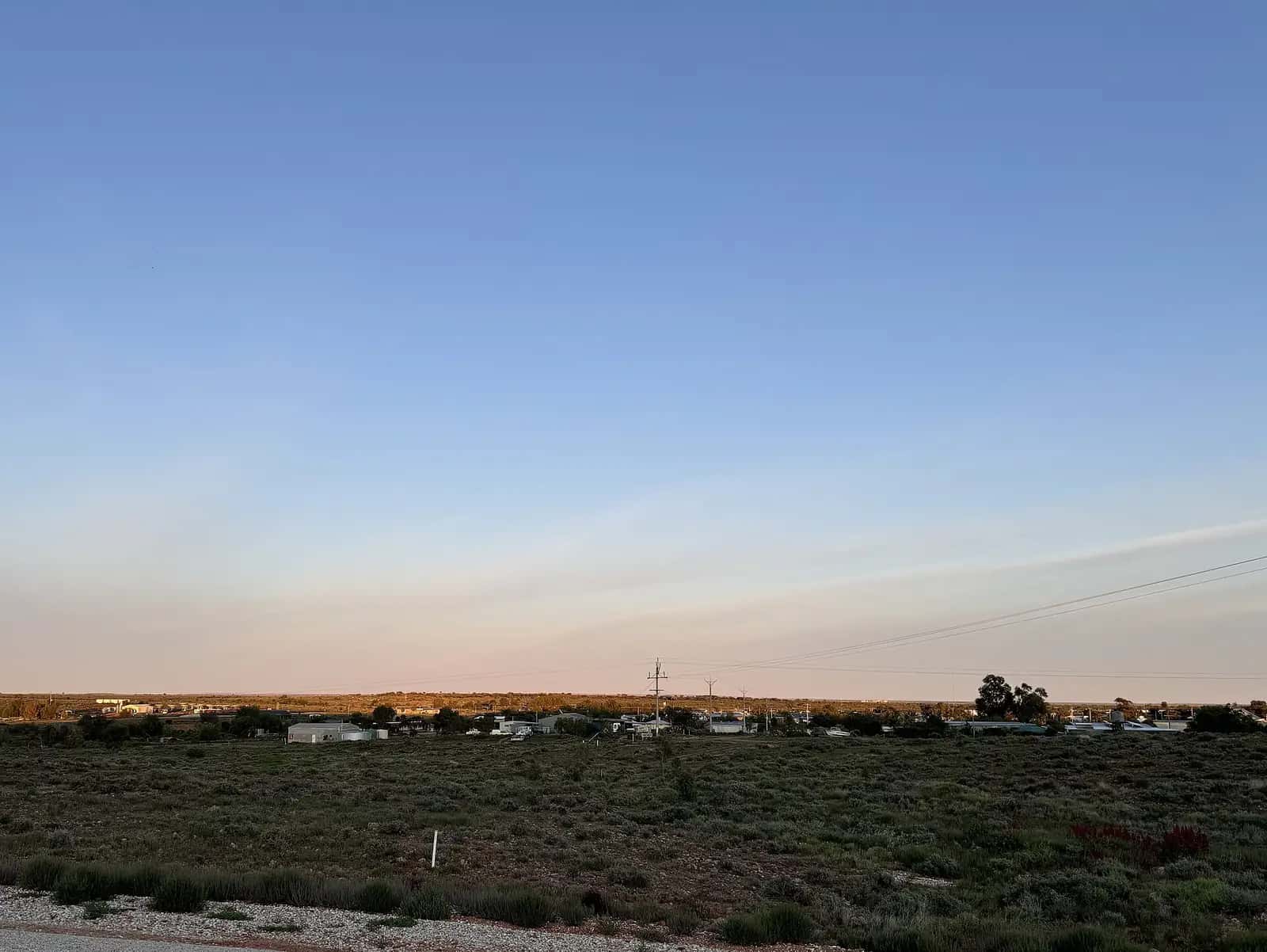
Paroo-Darling National Park lies in far western NSW, between Wilcannia and White Cliffs. NSW National Parks and Wildlife Service (NPWS) says it protects the Paroo Overflow, the only unregulated river in the Murray-Darling Basin. NPWS describes the area as having outstanding conservation value and natural beauty, and the Paroo-Darling wetlands are Ramsar-listed.
The park has two sections:
- The Peery section in the north, centred on Peery Lake.
- The Wilga section in the south, on the Darling (Baaka) River.
Traditional Owners. The frequently flooded country is the traditional home of the Ngiyeempaa and Paakantyi people. Since European settlement it has also been important pastoral land. NPWS signed a Memorandum of Understanding with the Paroo-Darling National Park Elders Council in November 2010, so that Aboriginal people have meaningful involvement in managing the park. The park contains Aboriginal sites and places of cultural value.
NPWS says the park is always open, but it may close at times because of extreme weather or fire danger.
Getting there
All roads into the park are unsealed. NPWS rates them suitable for 2WD vehicles in dry weather only.
To the Peery section:
- From the Barrier Highway at Wilcannia, drive 90 km north on the sealed road to White Cliffs. Then head 20 km east on the unsealed Mandalay Road.
- Or, from Wilcannia, drive 80 km north on the unsealed Wanaaring Road.
To the Wilga section: from Wilcannia, drive 5 km east on the Barrier Highway to the Tilpa Road turn-off. Then follow the unsealed East Tilpa Road north-east for 35 km.
Fuel up in the last town and carry provisions for at least a full day. NPWS warns that roads in the park can become impassable when it rains.
Peery Lake
When Peery Lake fills, NPWS says it turns into a spectacular inland playground for waterbirds. A recent survey recorded 60,000 birds. You can paddle or walk around the lake.
Even when the lake is dry, its bed supports freshwater plants and animals. Listen for pink cockatoos, mulga parrots and red-backed kingfishers. If you're lucky, you might spot the rare grey falcon.
The Peery Lake picnic area, in the northern section, has toilets and picnic tables and makes a good stop for a barbecue and a short walk. Kangaroos and emus often feed nearby. NPWS says the closest towns are White Cliffs, 55 km to the south-west, and Wilcannia, 110 km to the south.
Peery Lake is a significant place for the Barkindji (Barkandji) Traditional Owners. Aboriginal sites are scattered around the lake's edge and the surrounding cliffs. Don't disturb or remove anything.
Coach and Horses campground
Coach and Horses campground sits in a shady spot on a bend of the Darling River, in the Wilga section. It has views up and down the river, and NPWS suggests kayaking, canoeing, fishing, walking and swimming.
- Sites: 12, for tents, camper trailers and caravans.
- Facilities: toilets, barbecues and picnic tables. Sites are unpowered and unmarked.
- Water: river water is available, but boil it before drinking.
- Bookings: up to 20 people or 5 sites can be booked online. Larger groups can make a group booking enquiry.
Tell a family member or friend your travel plans before you go.
Paroo-Darling Visitor Centre
The Paroo-Darling Visitor Centre is at 2 Johnston Street, White Cliffs. It's unstaffed but stocked with park maps and information, and has sheltered picnic areas. NPWS lists it as open Monday to Friday from 8:30 am to 4:30 pm, and some weekends.
Stop there before heading out to Peery Lake. For park enquiries, the NPWS Broken Hill office is on (08) 8084 2880.
Weather and the best time to visit
NPWS gives these weather figures for the park:
| Average range | Record | |
|---|---|---|
| Summer | 23°C to 36°C | Highest 48.6°C |
| Winter | 5°C to 19°C | Lowest -3.3°C |
The wettest month is January and the driest is September. NPWS says the best time to visit is when Peery Lake is full. Spring is good for emu chicks, and at other times you may see kangaroos, eagles and falcons. For Peery Lake, NPWS recommends May to November.
Safety and park rules
- Outback heat. Summer temperatures in outback areas can reach 50°C, and food, water and fuel can be scarce.
- Mobile reception. It's limited, and you need reception to call Triple Zero (000). Download the Emergency+ app before you go.
- Pets. Pets and domestic animals aren't permitted, apart from certified assistance animals.
- Smoking. NSW national parks are no-smoking areas.
- Travel plans. Bring plenty of fuel, food, water and equipment, and tell someone your plans.
See our remote area travel safety guide and fuel, permits and road conditions guide.
Combine with
- White Cliffs for opal fields and underground stays.
- Wilcannia for sandstone heritage on the Darling River.
- Mutawintji National Park, north-east of Broken Hill.
- Kinchega National Park, downstream at Menindee.
Frequently asked questions
Where is Paroo-Darling National Park?
It's in far western NSW, in two sections near Wilcannia and White Cliffs. The northern Peery section surrounds Peery Lake, about 55 km north-east of White Cliffs. The southern Wilga section is on the Darling River, about 40 km from Wilcannia via the Barrier Highway and East Tilpa Road.
Can you camp in Paroo-Darling National Park?
Yes. Coach and Horses campground in the Wilga section has 12 sites beside the Darling River, with toilets, barbecues and picnic tables. It suits tents, camper trailers and caravans. River water must be boiled before drinking, and you can book online.
Do you need a 4WD for Paroo-Darling National Park?
Not always. NSW National Parks says the park's unsealed roads are suitable for 2WD vehicles in dry weather only. Roads can become impassable when it rains, so check conditions and the weather before you go.
Do Aboriginal people have to pay national park fees?
Fee rules vary by state and park. NSW National Parks doesn't list a park entry fee on its Paroo-Darling page. Camping fees apply at Coach and Horses campground. For fee exemptions, check with NPWS directly.
When is the best time to visit Paroo-Darling National Park?
NSW National Parks says the best time is when Peery Lake is full, because it's a haven for waterbirds. May to November is recommended for Peery Lake, and spring brings emu chicks and, after winter rain, wildflowers.
Sources and further reading
Facts on this page were checked against these primary and official sources. Conditions change — confirm before you travel or buy.
- Paroo-Darling National Park — NSW National Parks and Wildlife Service
- Paroo-Darling National Park visitor info — NSW National Parks and Wildlife Service
- Coach and Horses campground — NSW National Parks and Wildlife Service
- Peery Lake picnic area — NSW National Parks and Wildlife Service
- Paroo-Darling Visitor Centre, White Cliffs — NSW National Parks and Wildlife Service


