Outback WA covers most of the state. Distances are enormous, fuel gaps between roadhouses can exceed 250 km, and the seasons in the north decide when you can go. Plan around three regions.
The Goldfields
East of Perth, the Great Eastern Highway leads to Kalgoorlie-Boulder, home of the Super Pit and gold-rush heritage. Nearby Coolgardie has grand old buildings, and to the north are Leonora and the ghost town of Gwalia. It's the most accessible outback from Perth, and it links to the Nullarbor via Norseman. See crossing the Nullarbor.
7 days: Perth → Kalgoorlie-Boulder (2 nights) → Coolgardie → Leonora and Gwalia → back to Perth, or on to Norseman and the Nullarbor.
The Pilbara
The Pilbara is iron-ore country, with ancient gorges and spring-fed pools.
- Karijini National Park: the Dales, Weano, Hancock, Joffre and Hamersley gorges. The western entrance is about 50 km from Tom Price.
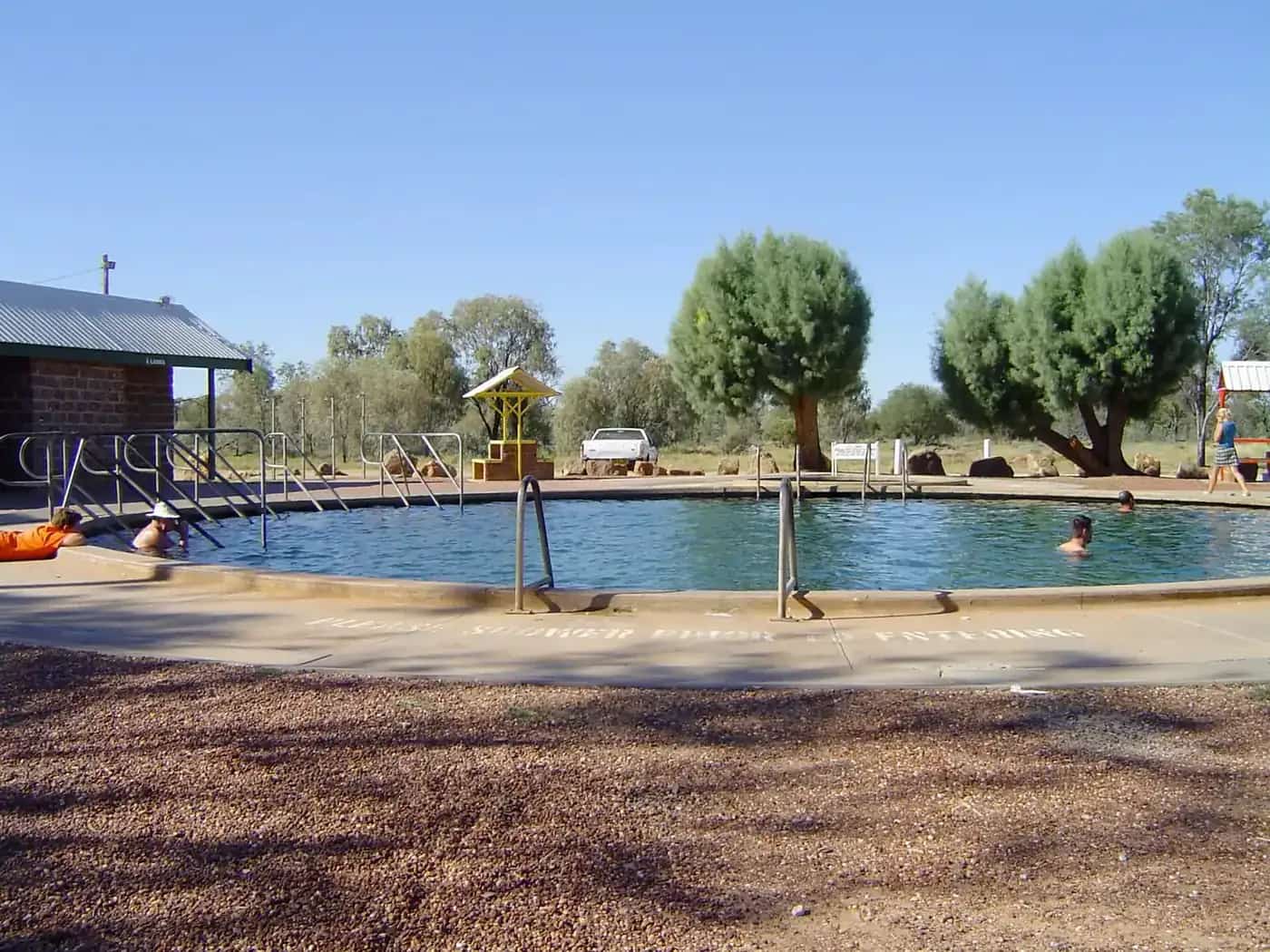
- Millstream Chichester National Park: Python Pool and Deep Reach, about 2.5 hours from Karratha on a sealed road.
- Newman and Marble Bar, Australia's famous "hottest town".
10 days: fly or drive to Karratha → Millstream Chichester → Tom Price (via the permit-only Rio Tinto rail access road, or the sealed route) → Karijini (3 nights) → Newman → south on the Great Northern Highway.
The Kimberley
- Broome: Cable Beach and pearling history.
- The Gibb River Road: about 660 km from Derby to the Kununurra–Wyndham area, with Windjana, Bell, Manning and Galvans gorges. See the Gibb River Road itinerary.
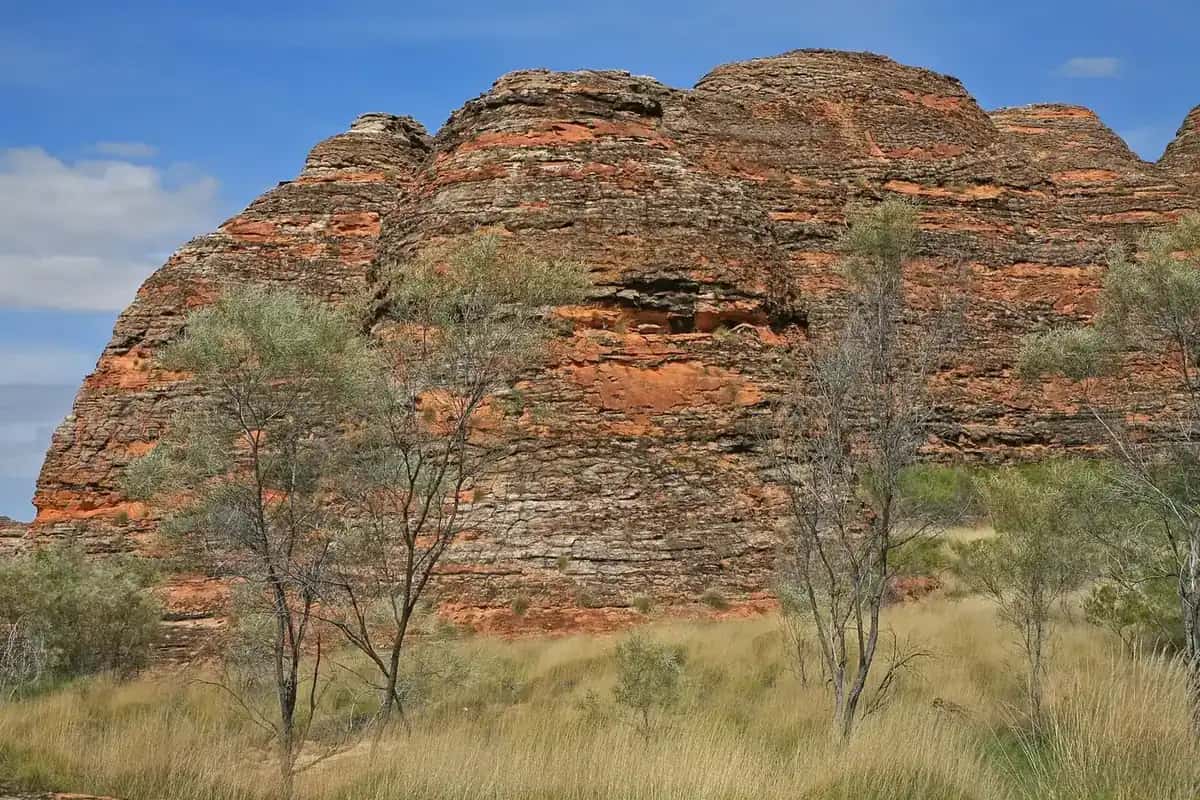
- Purnululu (the Bungle Bungles): high-clearance 4WD access, or a scenic flight.
- Kununurra, Wyndham, Derby and Halls Creek.
14–21 days: Broome → Derby → the Gibb River Road (7–10 days) → Kununurra → Purnululu → Halls Creek → Fitzroy Crossing → Broome. See the Kimberley road trip and the Kimberley region.
Perth to Darwin
Linking all three, the drive from Perth to Darwin covers roughly 4,000 km or more, depending on route and side trips. Allow three weeks or more.
Best outback WA experiences
- Swimming in Karijini's gorges and pools
- Camel rides at sunset on Cable Beach
- The domes of the Bungle Bungles, on foot or from the air
- A Gibb River Road station stay
- The Super Pit lookout in Kalgoorlie-Boulder
- Wildflowers in the Pilbara from June to August
- Night skies far from any town
Roads and rules
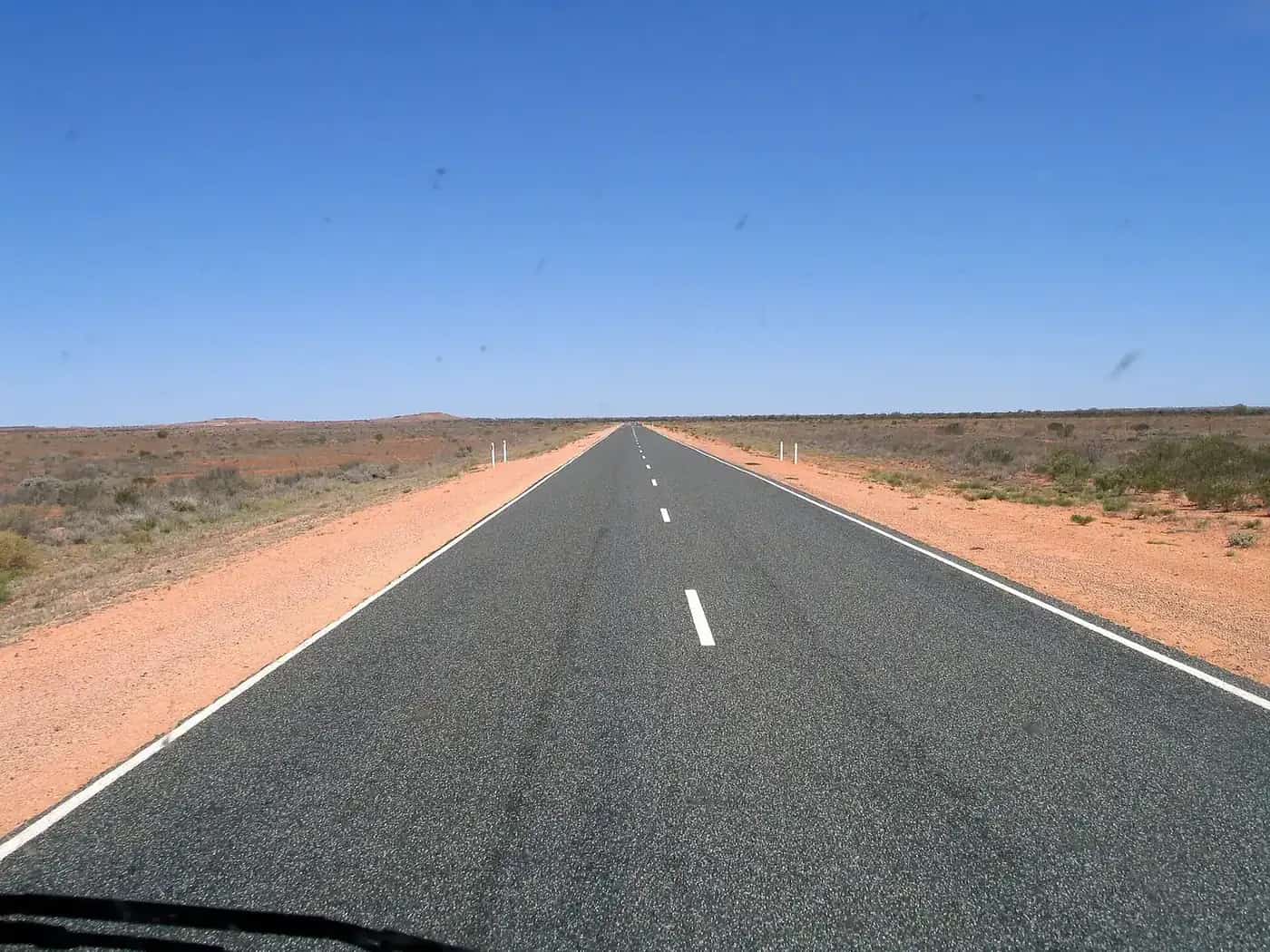
WA's default limit on open rural roads is 110 km/h. WA has some of the longest road trains in Australia, up to 60 m, so overtake with care. See road trains. The WA Road Safety Commission warns about kangaroos, cattle, camels and emus on roads. Its advice is to slow down and not swerve, to drive to conditions on gravel and sand, and to never cross flooded roads. Check Main Roads WA's travel map for closures, especially in the north during the wet. See outback road rules.
When to go
- Kimberley and Pilbara: the dry season, roughly May to September. Temperatures in the Pilbara can exceed 50°C from November to April, according to Parks and Wildlife WA, and cyclones and floods can close roads.
- Goldfields: autumn to spring. Summers are very hot.
See weather by month and the wet season and road closures.
Parks and camping
Most WA national parks charge vehicle entry fees, and a holiday or annual pass covers multiple parks. Popular campgrounds, such as those at Karijini and Millstream, need advance online bookings through Park Stay WA. See outback camping.
Highlights in more depth
Karijini. The gorges range from easy lookouts to hard Class 5 and 6 routes in Weano and Hancock gorges. The harder routes aren't suitable for young children, and Hancock Gorge's route to Kermit's Pool needs wading and scrambling. Allow at least two to three days.
Millstream Chichester. Swim at Deep Reach (Nhanggangunha), the home of the Warlu, or serpent, for the Yindjibarndi people, and keep noise low. Python Pool is close to the Roebourne–Wittenoom Road. Miliyanha Campground has 27 sites and is open year-round.
The Kimberley. Gibb River Road highlights include Windjana, Bell, Manning and Galvans gorges, station stays and El Questro. Purnululu needs a high-clearance 4WD, but scenic flights from Kununurra or within the park show the Bungle Bungles without the drive.
Fuel and supplies
Fuel gaps between roadhouses can exceed 250 km on the Perth–Darwin routes, and they're longer on remote tracks. Fill up at every major town, and carry extra water. On the Gibb, fuel is limited to a few roadhouses and stations. See water and food planning and fuel, permits and road conditions.
Related guides
Frequently asked questions
What is the best outback road trip in Western Australia?
For many travellers it's the Kimberley, combining Broome, the Gibb River Road's gorges and Purnululu's Bungle Bungles, in the dry season. For a shorter trip, a Pilbara loop to Karijini and Millstream Chichester is spectacular. The Goldfields around Kalgoorlie-Boulder are the most accessible from Perth.
How long does an outback WA road trip take?
Allow 7 to 10 days for the Goldfields or a Pilbara loop, 2 to 3 weeks for the Kimberley, and 3 weeks or more to drive from Perth to Darwin with side trips.
When is the best time for a road trip in outback WA?
The north, meaning the Pilbara and the Kimberley, is best in the dry season, roughly May to September. The Gibb River Road closes during the wet season, when rivers flood, and reopens once conditions allow. The Goldfields are more comfortable from autumn to spring.
Do I need a 4WD in outback WA?
The Great Northern and North West Coastal highways are sealed, as are roads to Karijini's main gorges and Kununurra. The Gibb River Road, Purnululu, and the Canning Stock Route need a high-clearance 4WD. The WA Road Safety Commission says a 4WD is the best option for regional or remote areas.
Sources and further reading
Facts on this page were checked against these primary and official sources. Conditions change — confirm before you travel or buy.
- Visitors to regional WA — Road Safety Commission WA
- Speed zones — Main Roads Western Australia
- Millstream Chichester National Park — Parks and Wildlife Service WA (DBCA)
- Travel map — Main Roads Western Australia