About the park
Witjira National Park lies in the far north of South Australia, on the western edge of the Simpson Desert. National Parks and Wildlife Service South Australia (NPWS SA) says it features more than 120 mound springs, including the National Heritage-listed Dalhousie Springs. Aboriginal people have used the springs for thousands of years as a source of food, shelter and medicine.
The springs support fish and other aquatic life found nowhere else in the world, such as the Dalhousie hardyhead. NPWS SA calls Witjira one of the most popular parks in the outback, because of its springs, campsites and quality visitor facilities.
Traditional Owners. Witjira is part of the traditional country of the Lower Southern Arrernte and Wangkangurru peoples. The springs have strong mythological significance and feature in many stories and songs.
Co-management. The two groups have jointly managed the park since 1995. They became a Co-management Board, with the Department for Environment and Water, in 2007. The board's work includes controlling date palms that invade the wetlands and reducing feral camels and donkeys.
Check access before you go
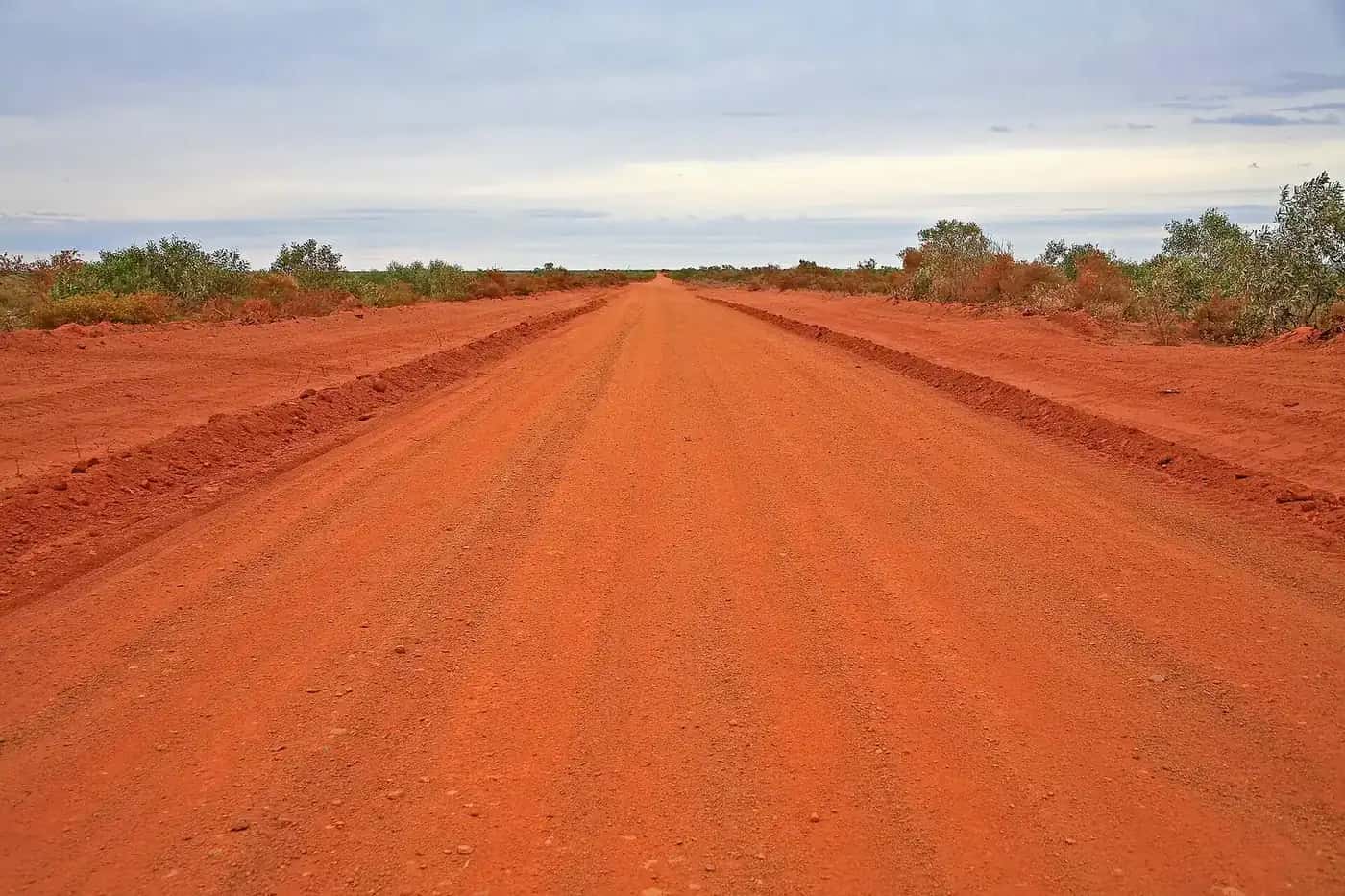
At the time of writing, NPWS SA had closed Witjira National Park until further notice. Rain had closed the access roads and tracks inside the park, and the park will stay closed until the roads reopen and conditions are judged safe.
Before any trip:
- Check the park page and the Desert Parks Bulletin.
- Call the Outback Road Report on 1300 361 033 (a 24-hour automated service).
- For park information and bookings, contact the NPWS SA Port Augusta office on (08) 8648 5328.
Getting there
NPWS SA says Witjira is 887 km north-west of Port Augusta. Most roads in the park are 4WD only. There are three main approaches:
- From Adelaide: drive via Port Augusta and Marla, or turn off at Coober Pedy, to reach Oodnadatta. From there, either go via Hamilton Station and the Pedirka track, or via Eringa, to Dalhousie.
- From Birdsville: cross the Simpson Desert via the QAA Line and French Line to Purni Bore and Dalhousie.
- From the Northern Territory: enter via Kulgera, Finke, New Crown and Charlotte Waters.
There's no mobile phone coverage in the park. Carry a satellite phone or HF radio, and NPWS SA also suggests an EPIRB.
Dalhousie Springs
Dalhousie Springs are part of a chain of mound springs along the outer rim of the Great Artesian Basin. The water rises from deep underground through cracks in the rock. NPWS SA says it first enters the basin in the Finke River area in the Northern Territory, and is millions of years old by the time it emerges.
The main spring is around 37°C. That makes it perfect for a soak after a dusty drive, and you can swim in it.
Walks. There are two easy walks: one around the main springs, and one out to Kingfisher Springs. The main spring and Kingfisher Springs are good spots for birdwatching.
Other sites in the park
- Purni Bore. The French Petroleum Company drilled this bore in 1963 to a depth of 1,880 m, then capped and sealed it. The wellhead later corroded, and water flowed out at up to 18 litres per second, creating an artificial wetland. The flow has since been cut back to about 4 litres per second. The permanent waterhole draws many birds, and the water at the bore head is near boiling, at 85°C.
- Dalhousie Ruins. Ned Bagot took up the Dalhousie pastoral lease in 1873. The homestead still stands, along with a blacksmith's shop and stockyards.
- Bloods Creek. A lone windmill marks the site of a former cattle station.
Pastoral history. Europeans first sighted the springs on 10 December 1870, when a party of Overland Telegraph Line surveyors found them while searching for water. After a century of grazing, the springs had become degraded. The station was bought and dedicated as Witjira National Park on 21 November 1985. See our Overland Telegraph Line history.
Camping and fees
NPWS SA lists these fees:
- Vehicle entry: $14.40 per vehicle.
- Camping: from $23.10 per night.
Pay online before entry, because self-registration stations are no longer available. You can book campsites up to 12 months ahead.
Campgrounds:
- Dalhousie Springs campground has 20 sites for tents and camper trailers, with toilets.
- 3 O'Clock Creek campground suits tents, camper trailers and caravans, with shady bush sites, water and a picnic facility. NPWS SA says its bore water is the last place to fill up on drinking water before you cross the desert.
- Purni Bore campground is for tents, with toilets, hot showers and a shade shelter. You need a Desert Parks Pass to camp here. You don't need to book online if you have the pass.
- Mount Dare Hotel is privately run and charges its own camping fee. It has accommodation, food and drink, hot showers, fuel, water and mechanical help.
Generators are allowed at Dalhousie Springs and Purni Bore, but must be off between 10 pm and 7 am.
The Desert Parks Pass is mandatory if you camp at Purni Bore or travel east of Dalhousie into Munga-Thirri–Simpson Desert National Park. It gives 12 months of vehicle entry to seven desert parks. See our Simpson Desert guide.
Fire rules
Wood and solid-fuel fires are banned all year in the park, with some exceptions. Portable firepits and braziers are allowed outside the fire danger season. At Mount Dare campground, wood fires are allowed outside the fire danger season.
For 2026–27, NPWS SA lists the season as 16 October 2026 to 24 March 2027. Fires are also banned on total fire ban days. Gas and liquid-fuel fires are allowed except on total fire ban days.
Collecting firewood in national parks is prohibited, so bring your own.
Wildlife
Rangers suggest looking for:
- Birds: rare species such as the Australian bustard, flock bronzewing and plains-wanderer.
- Reptiles: central bearded dragons and Gould's sand goannas.
- Mammals: dingoes and, if you're lucky, red kangaroos.
- Trees: red mulga, gidgee, coolibah and whitewood along the creeks.
Dingo safety: store food, rubbish, shoes and leather items securely. Never feed dingoes, and keep children close.
Safety and park rules
- Vehicle: carry spare parts, a strong jack and, if possible, two spare wheels.
- Supplies: take enough fuel, food and water in case you're stranded.
- Breakdowns: stay with your vehicle.
- Tracks: keep to public access routes. Substantial fines apply for driving off track.
- Pets: dogs aren't permitted, apart from accredited assistance dogs.
- Banned items: generators (except where permitted), chainsaws and firearms.
See our remote area travel safety guide.
Combine with
- Oodnadatta and the Oodnadatta Track.
- The Painted Desert, near Arckaringa.
- The Simpson Desert crossing to Birdsville.
Frequently asked questions
Can you swim at Dalhousie Springs?
Yes. National Parks and Wildlife Service South Australia says you can swim in the warm waters of the main spring. It's part of the National Heritage-listed Dalhousie Springs in Witjira National Park.
How hot is Dalhousie Springs?
NPWS SA says the water in the Dalhousie Main Spring is around 37 degrees, ideal for a relaxing soak. By contrast, water flowing from the head of Purni Bore, further east, is near boiling at 85°C.
Do you need a permit to go to Dalhousie Springs?
You need to book and pay online for vehicle entry and camping before you arrive, because self-registration stations are no longer available. A Desert Parks Pass is mandatory only if you camp at Purni Bore or travel east of Dalhousie Springs into the Simpson Desert.
Is there fuel at Dalhousie Springs?
No. The nearest fuel is at the privately run Mount Dare Hotel, which also has food, drinks, accommodation, hot showers, water and mechanical help. Oodnadatta is the other main fuel stop on the approach from the south.
When is the best time to visit Witjira National Park?
NPWS SA says the best time to visit is between April and September. If you visit a few weeks after soaking rain, ephemeral wildflowers may be blooming in the dune country. Check the Desert Parks Bulletin and park alerts, because rain can close access roads.
Sources and further reading
Facts on this page were checked against these primary and official sources. Conditions change — confirm before you travel or buy.
- Witjira National Park — National Parks and Wildlife Service South Australia


