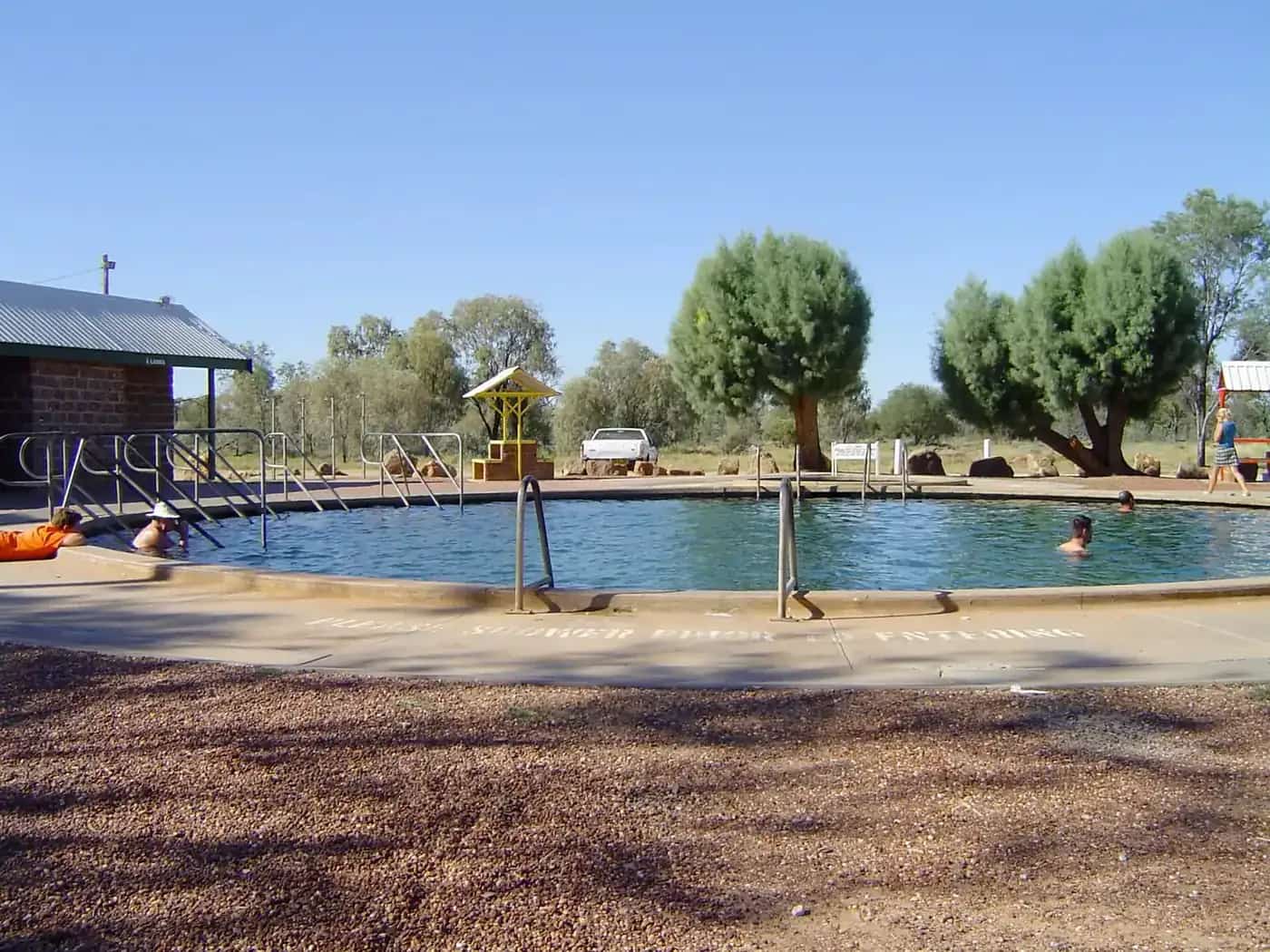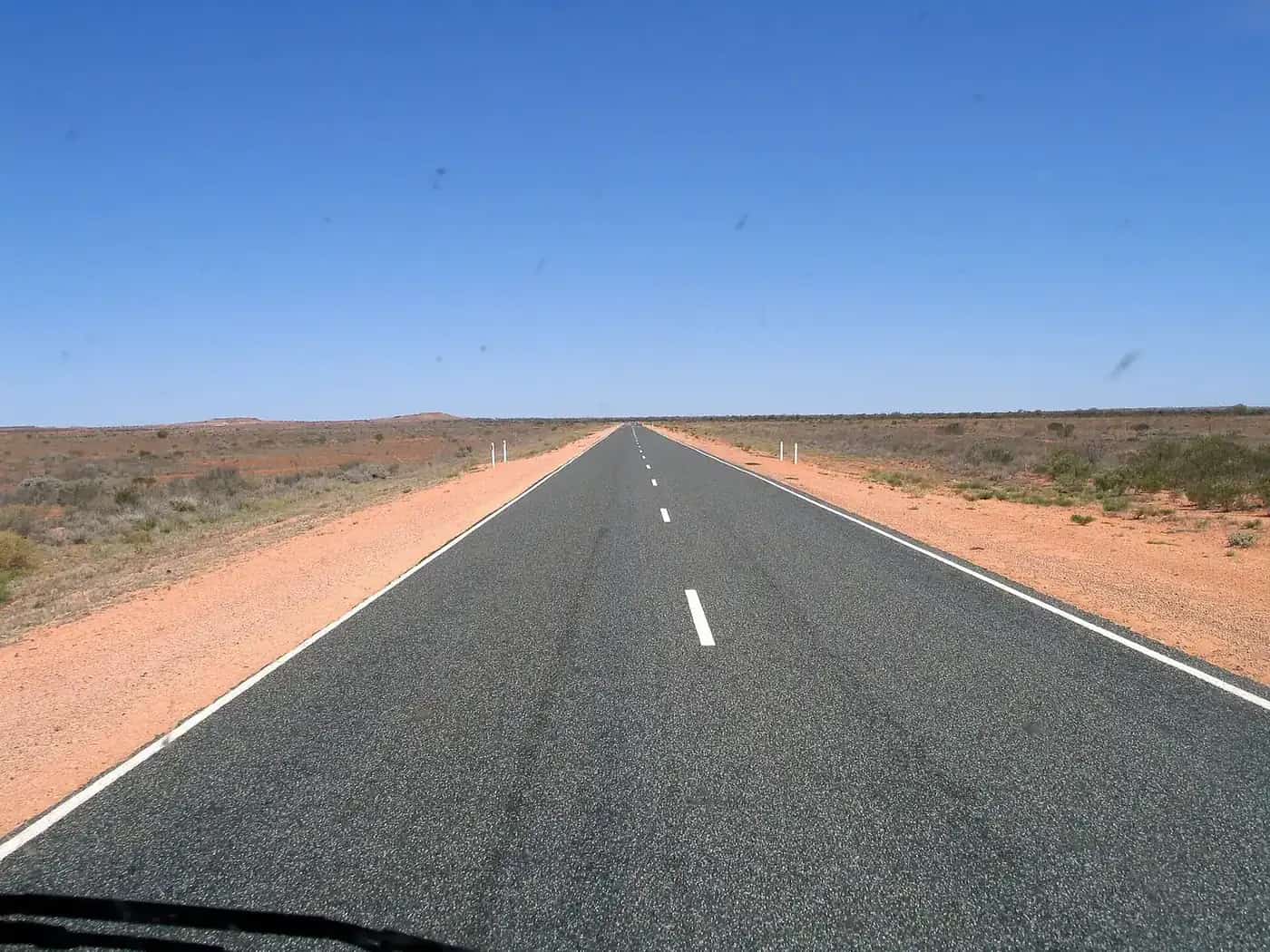
The Stuart Highway is the classic north–south crossing of the continent. It is named after John McDouall Stuart, whose 1862 expedition crossed Australia from south to north, and it roughly follows his route and the Overland Telegraph Line. The final section, near Marla, was sealed in February 1987, turning a notorious dirt track into an all-weather highway. Today, it's the backbone of the Adelaide to Darwin road trip.
Route at a glance
From south to north, the main stops are:
| Stop | State | Highlights |
|---|---|---|
| Port Augusta | SA | Gateway to the Flinders Ranges and the start of the highway |
| Glendambo | SA | Roadhouse stop |
| Coober Pedy | SA | Opal town and underground living |
| Marla | SA | Last major roadhouse before the NT |
| Erldunda | NT | Turn-off to Uluru via the Lasseter Highway |
| Alice Springs | NT | Red Centre hub |
| Tennant Creek | NT | Barkly region and the Three Ways junction to the north |
| Daly Waters | NT | Historic pub just off the highway |
| Mataranka | NT | Thermal springs |
| Katherine | NT | Nitmiluk Gorge |
| Darwin | NT | End of the road |
Roadhouses are spaced along the highway, but some gaps are long. Check fuel availability and opening hours as you go.
Key stops and side trips
- Port Augusta: the start. Detour to the Flinders Ranges.
- Coober Pedy: underground churches, dugouts, mines and the Kanku-Breakaways.
- Uluru-Kata Tjuta: via the Lasseter Highway from Erldunda. Add Kings Canyon.
- Alice Springs: the West MacDonnell Ranges and the Larapinta Trail.
- Karlu Karlu (Devils Marbles): granite boulders beside the highway, south of Tennant Creek.
- Tennant Creek: gold-rush heritage and the Barkly Highway junction at Three Ways.
- Daly Waters: an outback pub stop.
- Mataranka: thermal pools in Elsey National Park.
- Katherine: Nitmiluk Gorge.
- Top End: Litchfield and Kakadu near Darwin.
How long to allow
The highway is about 2,720 km. Driving it non-stop is possible in several long days, but that misses the point and increases fatigue risk. Suggestions:
- 7–10 days: Port Augusta to Darwin with a detour to Uluru.
- 2–3 weeks: add Kings Canyon, the West Macs, Katherine, Litchfield and Kakadu.
See two-week outback itineraries.
Speed limits
- Northern Territory: the open-road default is 110 km/h. Some sections of the Stuart Highway are signed 130 km/h. That higher limit applies only where signed.
- South Australia: the open-road maximum is 110 km/h unless signed lower.
Speed limits drop through towns and roadworks. Slow down for conditions, wildlife and road trains. See outback road rules.
Driving safety
- Avoid dusk, dawn and night driving. Kangaroos, cattle, camels and other wildlife are most active then.
- Road trains up to about 53 m long use the highway. Give them room, and only overtake with a long, clear view. See road trains.
- Fatigue: plan rest stops every two hours or so, and share the driving.
- Heat: carry plenty of water, especially from October to March.
- Wet season: the highway is sealed, but flooding can close sections in the Top End and elsewhere after heavy rain. Check NT Road Report.
Best time to drive
The cooler dry season, roughly May to September, is the most popular time, with warm days in the Top End and cool to cold nights in the Centre. Summer brings extreme heat in the Centre and wet-season storms in the north. See best time to visit.
Where to stay
Along the highway, you'll find:
- Caravan parks and holiday parks in towns.
- Roadhouses with motel rooms and camping.
- Hotels and motels in larger towns.
- Free and low-cost rest areas, some allowing overnight stays. Check the signs and local rules.
See caravanning in the outback and free camping rules.
Fuel and supplies
Fuel is available at roadhouses and towns along the way, but distances between them can be long, especially in South Australia and the Barkly. Fill up at every reasonable opportunity, and carry a reserve. See fuel, permits and road conditions.
Alternatives to driving
You can also travel between Adelaide and Darwin on The Ghan train. See the Ghan stops and outback by train.
Related guides
Frequently asked questions
How long does it take to drive the Stuart Highway?
The driving alone takes several long days for about 2,720 km. Most travellers allow at least a week, and two or more weeks to include side trips to Uluru, Kings Canyon, Kakadu or Litchfield. Avoid driving at night.
Is the Stuart Highway sealed?
Yes. The Stuart Highway has been fully sealed since 1987, when the final section was completed. Some side roads to attractions are unsealed.
What is the speed limit on the Stuart Highway?
In the Northern Territory, the open-road default is 110 km/h. Some sections are signed for 130 km/h, which applies only where signed. In South Australia, the maximum open-road limit is 110 km/h. Always drive to conditions.
Is the Stuart Highway dangerous?
It's a well-used sealed highway, but long distances, fatigue, road trains and wildlife are real risks, especially at dawn, dusk and night. Plan short driving days, take regular breaks and avoid night driving.
Why is the Stuart Highway called the Track?
The highway's nickname, 'the Track', recalls its origins as a rough track that roughly followed explorer John McDouall Stuart's route and the Overland Telegraph Line.
Sources and further reading
Facts on this page were checked against these primary and official sources. Conditions change — confirm before you travel or buy.
- Stuart Highway heritage nomination — Engineers Australia
- Driving in Central Australia — Discover Central Australia
- NT Road Report — Northern Territory Government
- Traffic SA — Government of South Australia