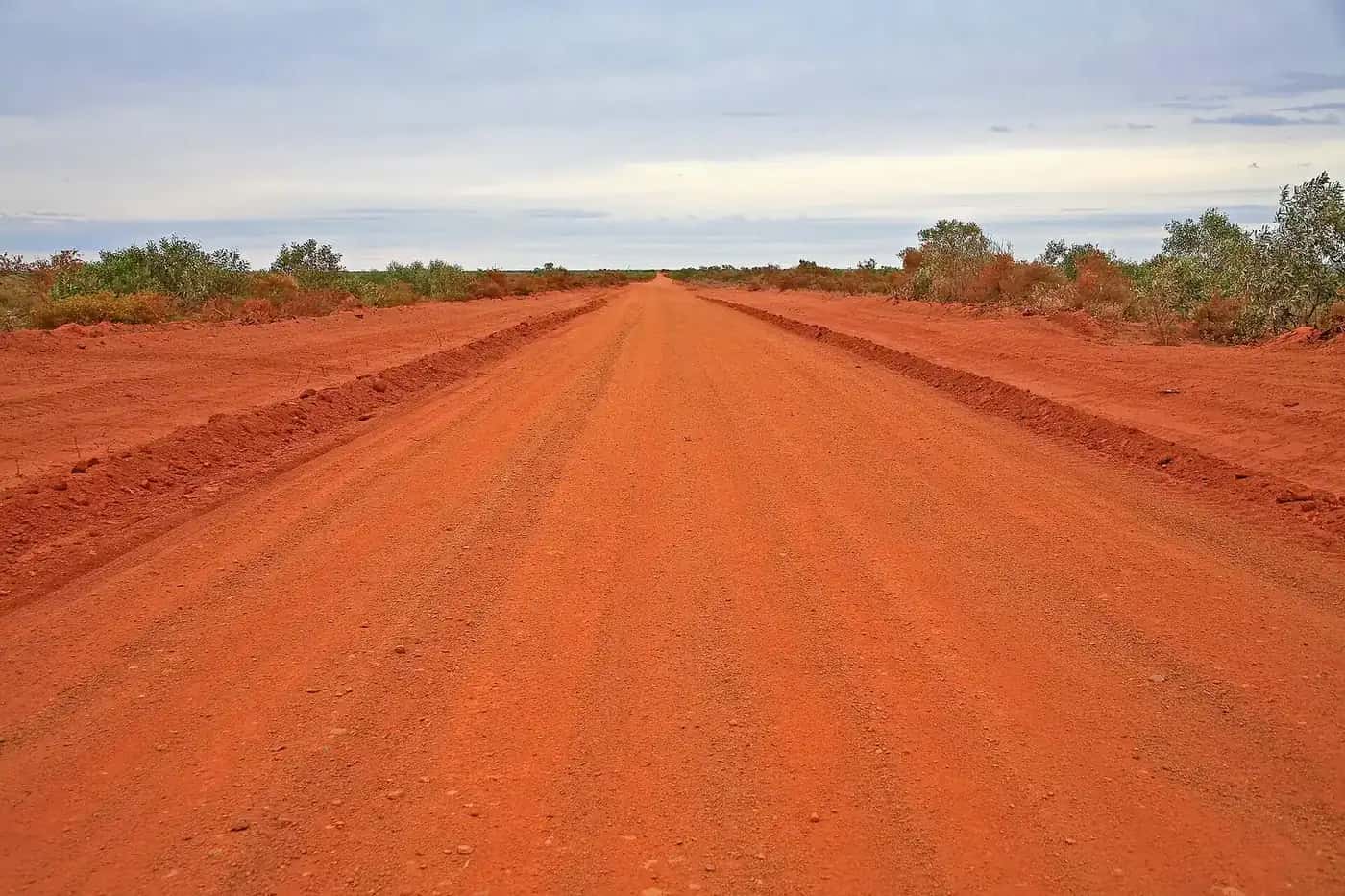
Mungo National Park lies in south-western NSW, about 110 km north-east of Mildura and accessible from Menindee and Balranald. It is part of the Willandra Lakes Region World Heritage Area, listed in 1981. The park is jointly managed with the Traditional Tribal Groups — the Paakantji (Barkindji), Ngiyampaa and Mutthi Mutthi peoples.
Ancient lakes and human history
During the last ice age, the Willandra Lakes held water and supported people for tens of thousands of years. When the lakes dried, wind piled sand and clay into lunettes — crescent-shaped dunes — on their eastern shores. Erosion of the Walls of China lunette at Lake Mungo has revealed ancient hearths, tools and burials, including Mungo Lady and Mungo Man.
Highlights
- Walls of China — eroded formations best seen at sunset; guided tours with Aboriginal Discovery Rangers.
- Mungo self-drive tour — a 70 km loop across the lake bed and around the lunette.
- Mungo Woolshed — a historic shed built of cypress pine.
- Visitor centre — displays on the area's history.
Camping
Main Camp and Belah campground; book through NSW National Parks.
Mungo Lady, Mungo Man and the footprints
In 1968, geologist Jim Bowler found the cremated remains of a young woman eroding from the lunette at Lake Mungo. Known as Mungo Lady, she is around 40,000 years old, and the discovery showed one of the oldest known ritual cremations in the world. In 1974, Bowler found the burial of a man, now known as Mungo Man, buried with ochre. After decades away in institutions, Mungo Man was returned to Country in 2017. Fossilised human footprints, around 20,000 years old, were found elsewhere in the Willandra Lakes in the early 2000s. Together, these finds make Mungo one of the most important places in the world for understanding early human history.
The Walls of China
The Walls of China is a lunette that stretches along the eastern shore of the dry Lake Mungo. Wind and rain have sculpted its sand and clay into ridges, pinnacles and gullies in white, cream and orange. A boardwalk and viewing platform allow visitors to see the formations without damaging them. Access to the formations themselves is generally by guided tour, protecting fragile sites. The light at sunset is spectacular.
Aboriginal Discovery Ranger tours
Guided tours with Aboriginal Discovery Rangers explain the cultural and scientific significance of the area and take you onto parts of the lunette not otherwise accessible. Tours run on a schedule, so book ahead through NSW National Parks or the visitor centre.
Wildlife and landscape
The park's mallee, saltbush and belah woodland support red and western grey kangaroos, emus, pink cockatoos and many reptiles. The dry lake beds are flat and open, with long views to the horizon.
Getting there
Mungo is about 110 km north-east of Mildura, and can also be reached from Balranald or Menindee. All approaches use unsealed roads that close after rain. Allow time, check road conditions and carry water and fuel. Tours from Mildura are an easy alternative.
Camping and accommodation
Main Camp, near the visitor centre, and Belah campground on the self-drive loop must be booked through NSW National Parks. The historic shearers' quarters offer basic accommodation, and a private lodge operates near the park entrance.
Suggested two days
Day one. Arrive, visit the visitor centre and Mungo Woolshed, then watch sunset from the Walls of China viewing platform.
Day two. Join an Aboriginal Discovery Ranger tour, then drive the self-drive loop across the lake bed.
Respect
Do not remove anything from the park, including stones and bones, and stay on boardwalks and tracks. Read our visiting Country respectfully guide.
Megafauna and climate history
The sediments of the Willandra Lakes also record changes in climate over more than 100,000 years and contain fossils of extinct megafauna, such as giant kangaroos and wombat-like diprotodontids. Scientists use the lunettes to understand how people adapted as the lakes dried at the end of the last ice age. Traditional Owners work with researchers to protect and interpret these sites.
What to bring
Bring water, food, fuel, sun protection and warm clothes for cold nights. Mobile coverage is very limited.
Zanci Station
Within the park, the old Zanci Pastoral Station site preserves remnants of the pastoral era, including outbuildings and an underground dugout used to keep cool in summer. Interpretive signs explain how sheep grazing changed the landscape, contributing to erosion of the lunettes. It is an interesting stop on the self-drive loop.
Night skies
Far from towns, Mungo has superb night skies. Camp at the main campground or the Belah campground on the drive loop, and look up after dark. Winter nights are cold, so bring warm clothing.
Roads after rain
The roads into Mungo are unsealed and close after rain, sometimes for days. Check the NSW National Parks and Wildlife Service park alerts and Live Traffic NSW before setting out, and be prepared to wait if it rains while you are there.
Related guides
Nearby park guides: Kinchega National Park and Paroo-Darling National Park.
Related park guide: Willandra.
Frequently asked questions
Can you visit Mungo National Park in a 2WD?
In dry conditions, the main roads and self-drive loop can usually be driven carefully in a 2WD. Roads are unsealed and close after rain. Check NSW National Parks alerts before setting out.
How old are Mungo Lady and Mungo Man?
Both are around 40,000 to 42,000 years old, among the oldest known human remains in Australia. Mungo Man was returned to Country at Mungo in 2017.
Who were Mungo Lady and Mungo Man?
Remains of a woman and a man found at Lake Mungo in 1968 and 1974, dated to about 40,000 to 42,000 years ago. Mungo Man was returned to Country in 2017.
Do you need a 4WD for Mungo?
Roads to the park are unsealed but often suitable for 2WD vehicles in dry weather. They close after rain.
Sources and further reading
Facts on this page were checked against these primary and official sources. Conditions change — confirm before you travel or buy.
- Willandra Lakes Region World Heritage Area — Australian Government
- Mungo National Park — NSW National Parks and Wildlife Service
- UNESCO World Heritage — Willandra Lakes Region — UNESCO


