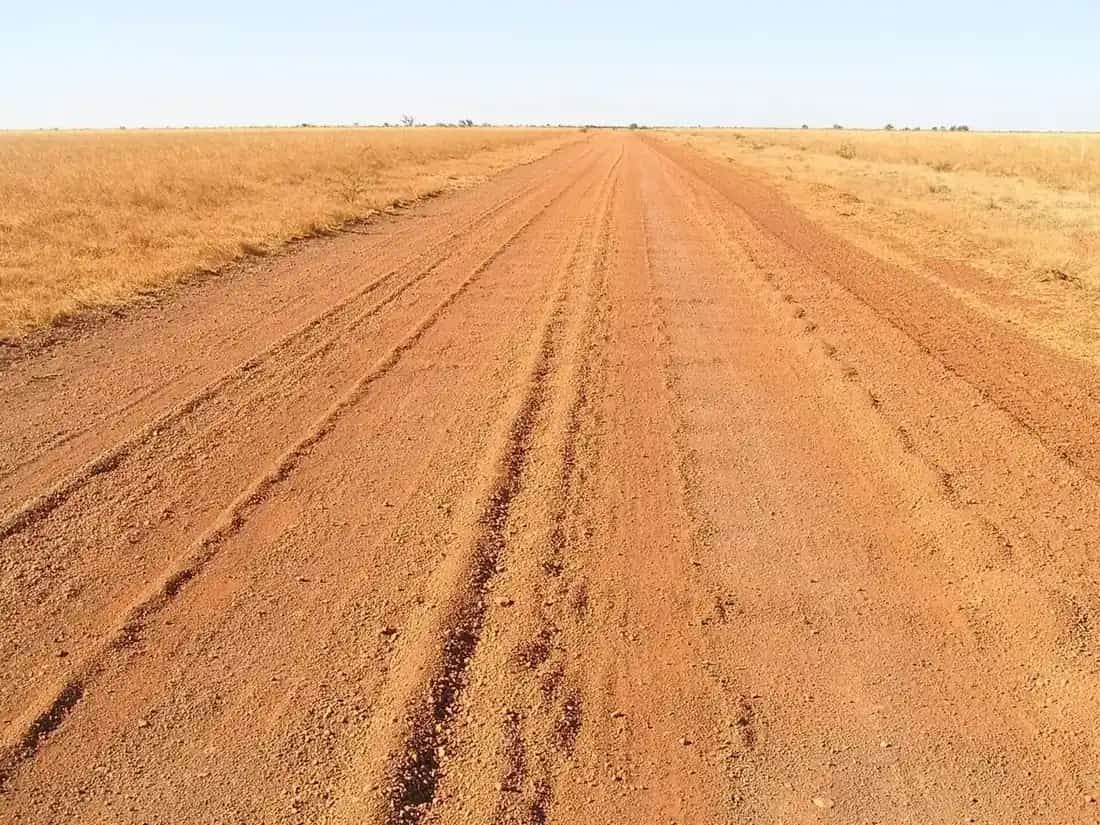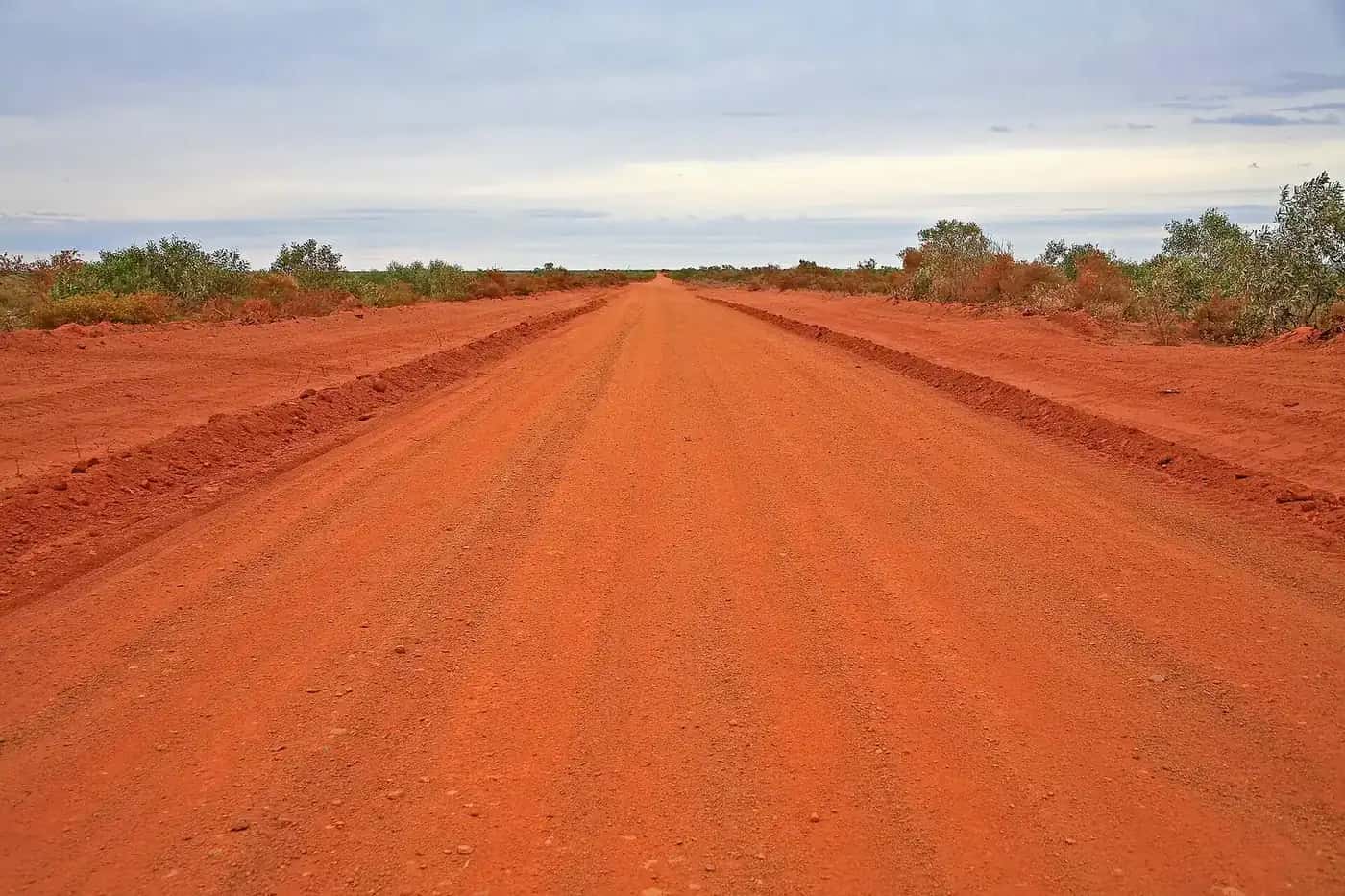
Kangaroos, emus, wallabies, cattle, goats and camels share outback roads with vehicles. Most collisions happen around dawn, dusk and at night.
Reducing the risk
- Avoid driving from dusk to dawn wherever possible.
- Slow down where you see animals, droppings or roadkill.
- Scan the roadsides; where there is one kangaroo, there are often more.
- Use high beams when safe, but remember animals can freeze in lights.
- Brake firmly in a straight line rather than swerving.
- Be aware of unfenced stock country — cattle may lie on warm bitumen at night.
After a collision
- Pull over safely, put on hazard lights and check for injuries.
- Check the animal only if safe. Injured kangaroos can be dangerous.
- Check for joeys in the pouch of dead female kangaroos and wombats.
- Contact a local wildlife rescue service or vet for injured animals.
- Check your vehicle for damage to the radiator and lights before continuing.
Emus
Emus can run alongside vehicles and change direction suddenly. Slow down and give them room.
Why animals are on the road
Outback roads attract animals for several reasons. Rain running off bitumen collects on the road verges, so green pick grows there first after a shower. Water pools in table drains. Cattle and kangaroos rest on warm bitumen at night, and carrion birds such as wedge-tailed eagles feed on roadkill. Much of the outback is unfenced pastoral country, so stock can wander onto the road at any time — "stock grids" and "unfenced road" signs are reminders.
Kangaroos are most active from late afternoon to early morning, which is why dusk, night and dawn are the riskiest times to drive. In dry times, animals travel further in search of food and water and may concentrate along roads.
Planning to avoid night driving
The best way to reduce the risk is to plan your days so you arrive before dusk. Outback distances are long, fuel stops can be hundreds of kilometres apart, and it's easy to underestimate travel time. Use a realistic average speed, allow for roadworks and road trains, and build in rest stops. Many travellers aim to be off the road by mid to late afternoon in winter, when days are short.
If you must drive at night, slow down significantly — at highway speeds you can outrun your headlights. Some travellers fit additional driving lights or a bull bar; these help but don't make night driving safe.
Large animals
- Cattle are heavy and often dark-coloured, making them hard to see at night. They may stand or lie on the road. Treat any cattle near the road as a hazard and slow right down.
- Camels are common in central Australia. They are tall, so their bodies may be above your headlight beam.
- Horses and donkeys run wild in parts of the Kimberley, Top End and central Australia.
- Emus can run at surprising speeds and dart across the road without warning.
- Wedge-tailed eagles feeding on roadkill can be slow to take off. Slow down when you see them so they have time to lift.
Road trains and wildlife
On highways with road trains, don't brake suddenly or swerve if a road train is close behind or overtaking. Road train drivers may not be able to avoid animals, and roadkill clusters often form along these routes. Give road trains plenty of room and pull well off the road if one is approaching on a narrow strip of bitumen.
Insurance and hire vehicles
Check your vehicle insurance and hire agreement before travelling. Some hire companies restrict driving at night, on unsealed roads or in certain areas, and some policies limit cover for animal strikes in particular circumstances. Read the fine print and ask your provider if unsure.
Helping injured wildlife
Wildlife rescue organisations operate in all states and territories, including WIRES in New South Wales and other volunteer networks, and many outback towns have local carers. Save numbers in your phone before you leave mobile coverage. If you hit an animal:
- Only approach if it is safe; large kangaroos can kick and scratch.
- Move a dead animal off the road only if safe, to prevent further collisions and protect scavenging birds.
- Check the pouch of dead marsupials for a joey; if you find one, keep it warm, dark and quiet and contact a wildlife carer.
- Never attempt to free a large injured animal yourself.
Vehicle checks after a strike
A collision with a large kangaroo can damage your radiator, intercooler, headlights and steering. Check for coolant leaks and warning lights before continuing, and watch the temperature gauge. Carry tools, a spare tyre and recovery equipment, and know where the next town with a mechanic is. See our 4WD driving guide and fuel, permits and road conditions.
Fatigue
Fatigue is a major cause of serious crashes on long, straight outback roads. Stop every two hours, share the driving and pull into rest areas. A tired driver is slower to react to animals on the road. State road safety agencies, such as Transport for NSW and the Queensland Department of Transport and Main Roads, publish fatigue advice and rest area locations.
Related guides
Further reading
Frequently asked questions
When are kangaroos most active?
Around dawn, dusk and at night, especially in cooler months and dry periods when grass along roadsides attracts them.
Should I swerve to avoid a kangaroo?
Road safety authorities generally advise braking firmly in a straight line rather than swerving, which can cause rollovers or collisions with other vehicles.
Sources and further reading
Facts on this page were checked against these primary and official sources. Conditions change — confirm before you travel or buy.
- Outback road safety — Queensland Government
- Remote travel safety — NT Government