Outback Now has always had a strong caravan and camping readership. Years ago we shared news from caravan and camping media such as the Great Australian Doorstep TV and radio shows, and readers kept asking the same questions: where to stay, how to manage water and power, and how to keep a van in one piece on long roads. Here are the answers.
Choosing a campsite
Look for level, firm ground away from dead trees ("widow-makers") and never camp in a dry creek bed or gully — storms upstream can send floodwater through without warning. In tropical areas, stay well back from rivers and billabongs because of crocodiles. Set up before dark, and check the wind direction before you light a fire or position your awning.
Water and power
Plan water as carefully as fuel. Fill tanks in towns, carry separate drinking water and use a filter for unknown sources. Bore water in the Great Artesian Basin is often hot and mineral-rich; ask locals whether it is drinkable. For power, a lithium battery system with solar panels lets you free camp for days. Generators are restricted or banned in many campgrounds.
Towing on outback roads
Load your caravan correctly with heavy items low and over the axles, check that you are within your vehicle's towing limits and tow-ball download, and fit extended towing mirrors. On long highways, check tyre pressures and wheel-bearing temperatures at each stop. Road trains create a strong bow wave of air; hold your line, ease off the throttle and let them pass.
Dust and corrugations
Dust gets into everything. Seal the van's entry points, consider a positive-pressure dust reduction system and pack food in sealed containers. Corrugations loosen screws, cupboards and wiring; check and tighten fittings regularly, and slow down. Many caravans are not built for unsealed roads — check your manufacturer's rating.
Fires and fire danger
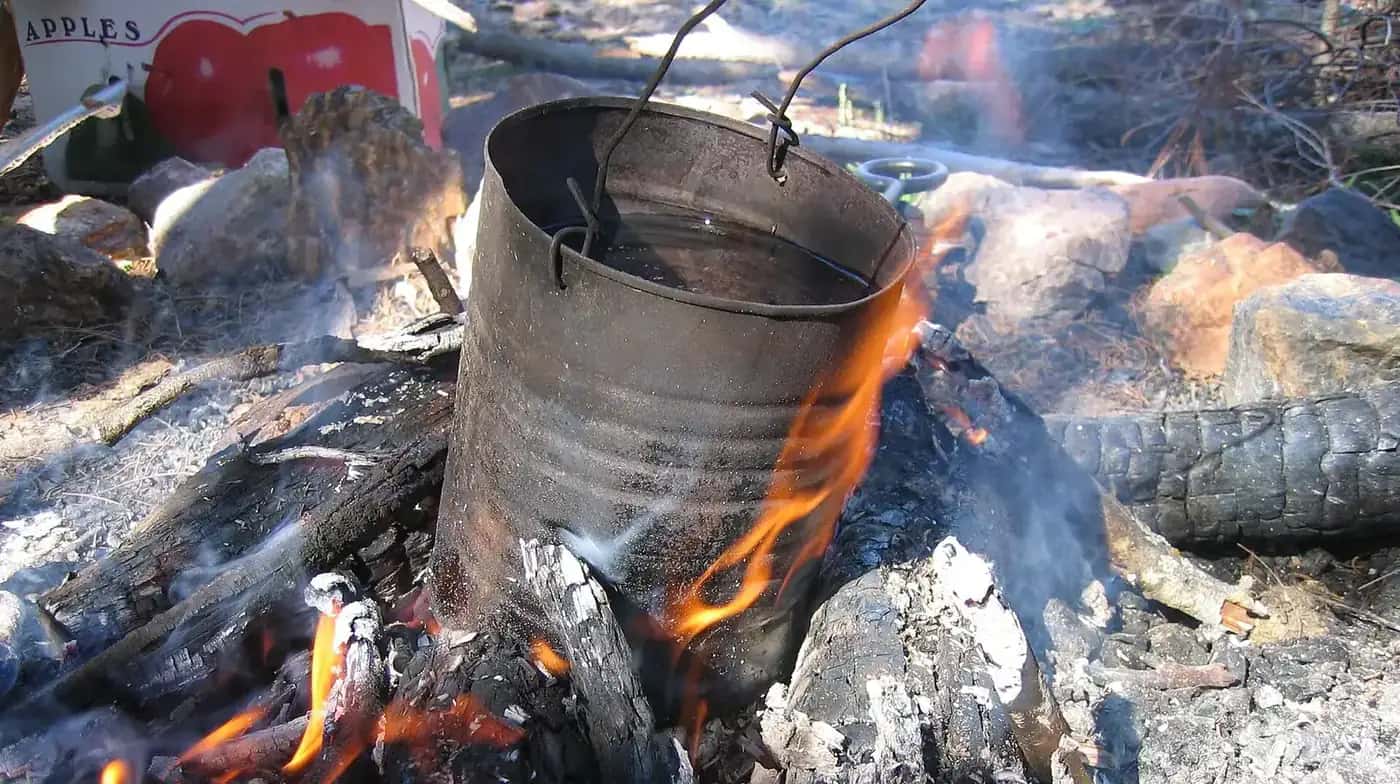
Check the fire danger rating each day. On total fire ban days, no open fires are allowed, and some states restrict gas appliances too. Where fires are permitted, use existing rings, collect only dead fallen timber where allowed (it is prohibited in many parks), and drown the fire with water before leaving.
Waste and toilets
Use dump points in towns for cassette and grey water. In the bush, bury human waste at least 15 cm deep and well away from water, or carry a portable toilet. Pack out every bit of rubbish, including food scraps — they attract feral animals and dingoes.
Wildlife and camp etiquette
Never feed dingoes or other wildlife. Store food securely at night. Keep noise down after dark, give neighbours space and respect quiet hours in caravan parks.
Recommended outback camping regions
- Outback NSW: Kinchega, Mutawintji and Gundabooka national parks; the Darling River at Bourke.
- Queensland: bore baths and river camps along the Great Artesian Spa Tour; the Diamantina near Birdsville.
- South Australia: the Flinders Ranges and the Oodnadatta Track around Marree and William Creek.
- NT and WA: the West MacDonnell Ranges, Karijini and the Kimberley in the dry season.
Types of outback camping
- National park campgrounds — often in the most scenic locations, with basic facilities such as toilets and fireplaces. Many require bookings and fees.
- Caravan parks — in most towns, with powered sites, showers and laundries. Book ahead in peak season.
- Showgrounds and sports grounds — many outback towns allow camping at the showgrounds for a modest fee, with access to toilets and showers.
- Free camps and rest areas — along highways and in some towns. Rules vary on how long you can stay; follow signs and leave no trace.
- Station stays — working cattle and sheep stations that offer camping or accommodation, a great way to experience outback life.
- Bush camping — in some regional reserves and on public land, often with no facilities at all. Be fully self-sufficient.
Booking park campsites
State parks agencies run their own booking systems. NSW National Parks and Wildlife Service, Queensland Parks and Wildlife Service, National Parks and Wildlife Service South Australia, NT Parks and Parks and Wildlife Service WA all take online bookings for many campgrounds. Some parks also require entry passes or vehicle passes. Book well ahead for popular parks in school holidays, as campgrounds can fill quickly.
Gear for outback conditions
- Shelter: a tent, swag or camper that can handle wind, dust and sudden rain. Carry extra pegs and guy ropes for sandy or rocky ground.
- Sleeping: a sleeping bag rated for cold nights, even in summer in the desert.
- Shade: an awning or shade structure for hot days.
- Lighting: headlamps and lanterns; LED lights attract fewer insects.
- Cooking: a gas stove for days when fires are banned, plus a camp oven or barbecue plate.
- Fridge or cooler: a 12-volt fridge powered by a dual-battery system or solar keeps food fresh on long trips.
- Fly nets: essential in many outback areas, especially in warmer months.
Generators and power
Many campgrounds restrict generator use to set hours or ban them entirely. Solar panels and portable power stations are quieter alternatives. Check park rules before you go, and be considerate of other campers.
Leave no trace
Follow the principles of minimal-impact camping: plan ahead, camp on durable surfaces, dispose of waste properly, leave what you find, minimise campfire impacts, respect wildlife and be considerate of others. The outback's environment recovers slowly from damage.
Camping on Aboriginal land and stations
Never camp on station land or Aboriginal land without permission. Many stations welcome campers but require you to check in first. Some Aboriginal communities offer camping on Country as part of tourism experiences; follow their rules. See visiting Country respectfully.
Safety at camp
Tell someone your plans, carry a satellite communication device and know the location of the nearest help. Be alert for snakes and other wildlife (see snakes and first aid), and in the north, camp well back from water because of crocodiles (see crocodile safety).
Further reading
See free camping rules by state for rest area time limits and national park camping rules.
Frequently asked questions
Where can I camp in the outback?
Options include commercial caravan parks in almost every town, national park campgrounds, council camping reserves, highway rest areas where overnight stays are permitted, and station stays. Camping on private or Aboriginal land requires permission or a permit.
Is it safe to camp alone in the outback?
Many people camp solo safely. Choose established sites, tell someone your plans, carry a satellite communicator or PLB, avoid camping in dry creek beds and keep your vehicle ready to leave.
Can you have campfires in the outback?
Sometimes. Fires are banned on total fire ban days and in many parks at certain times. Where allowed, use existing fire rings, keep fires small, never leave them unattended and put them out with water, not dirt.
Sources and further reading
Facts on this page were checked against these primary and official sources. Conditions change — confirm before you travel or buy.
- Fire danger ratings — Australasian Fire and Emergency Service Authorities Council
- Towing safely — Department of Infrastructure, Transport, Regional Development, Communications and the Arts
- Leave No Trace principles — Leave No Trace Australia


