The gold rush
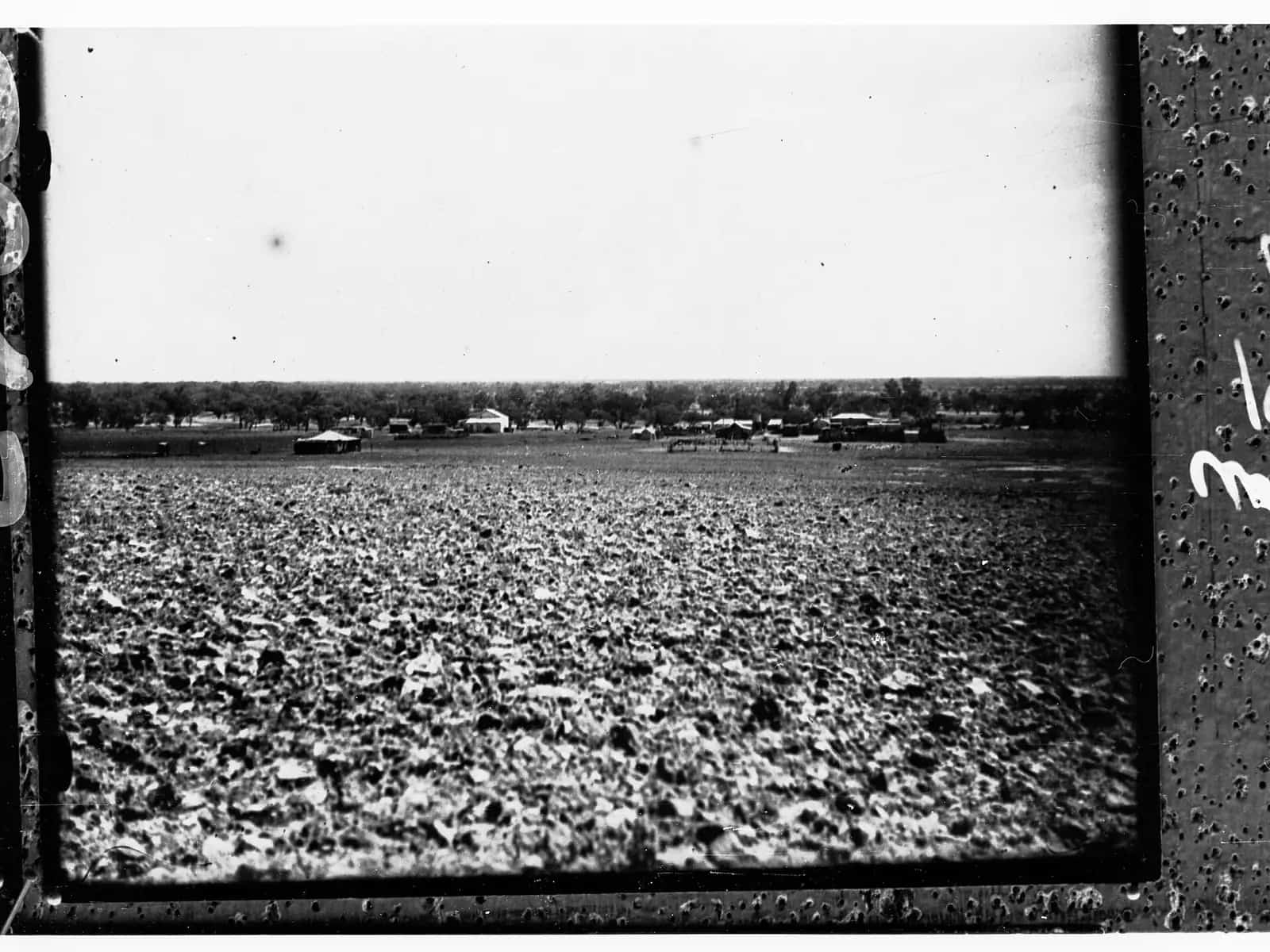
NT Parks says Arltunga was the site of hope, struggle and mateship for the many fortune hunters who came here, often on foot, to find gold. Its story includes:
- A gold rush in 1887, which created what was officially Central Australia's first town.
- A population of up to 300 people at its peak.
- Government works built to process ore: the Government Battery and Cyanide Works, the assayer's residence, a post office and government offices.
- An old police station, mines and miners' homes, many of which survive as ruins.
NT Parks also publishes information sheets on exploring Arltunga, the gold extraction process and Aboriginal involvement in mining at Arltunga. They're worth downloading before you go.
The visitor centre
Start at the visitor centre. NT Parks says it introduces Arltunga's colourful past and wild characters, and explains how gold was extracted. It's open daily, 8 am to 5 pm.
Self-guided walks
NT Parks lists these self-guided walks. Each has an information sheet you can download:
| Walk | Time | What you'll see |
|---|---|---|
| Golden Chance Mine | 60 minutes | The Golden Chance Mine and a miner's dwelling, with views over much of the goldfield. |
| Government Works | 40 minutes | The Government Battery and Cyanide Works, the assayer's residence, the post office and government offices. |
| Great Western Mine | 40 minutes | One of the few remaining historic White Range mines. |
| Joker Gorge | Your choice | Historic buildings (15 minutes return), then a 150 m climb to Joker Mine (an hour return to the car park), or continue on to the gorge. |
| MacDonnell Range Reef Mine | 40 minutes | An insight into the hardships Arltunga's miners endured. |
Mine safety: some mines have vertical shafts. Supervise children closely, and stay on marked tracks.
Getting there
- NT Parks says Arltunga is 110 km east of Alice Springs.
- Follow the Ross Highway and the Binns Track signs to Arltunga.
- The last 33 km are on an unsealed road.
- Roads may become impassable after rain. Check conditions with the NT Road Report before you set out.
The drive passes the gaps and gorges of the East MacDonnell Ranges, including Emily and Jessie Gaps and Trephina Gorge along the Ross Highway. Check each park's status with NT Parks. See 4WD driving.
Where to stay
Camping isn't permitted in the historical reserve. NT Parks suggests:
- Ruby Gap Nature Park and N'Dhala Gorge Nature Park campsites. Access is by high-clearance 4WD only.
- Ross River Homestead
- The Arltunga Bush Pub and Eco Retreat
- Old Ambalindum Station
Check current opening and booking details directly. See outback station stays.
Fossicking
Fossicking, including metal detecting, isn't permitted in the historical reserve. You can fossick in the adjoining fossicking reserve if you hold a current NT fossicker's permit, available through the NT Government's fossicking website. See fossicking and gem fields.
Facilities
NT Parks lists information signs, a ranger station (for emergency contact only), 4WD roads, drinking water, public toilets, a picnic area and walking tracks. Ranger-guided activities run at times. Ask at the visitor centre.
When to visit
The reserve is open all year. The best time is in the cooler months, from April to September. Between October and April, temperatures across the NT can exceed 40°C. Avoid walking in the heat of the day.
Park rules
- Visitors to the NT need an NT Parks Visitor Pass.
- Stay on designated roads and tracks.
- All historic and cultural items, and wildlife, are protected. Don't climb on or remove anything from the ruins.
- No firewood collection.
- No bins. Take your rubbish with you.
- No pets.
- You need a permit to fly a drone, and you must get it before you arrive.
Safety
- Carry and drink plenty of water.
- Wear a hat, sunscreen, insect repellent and suitable clothing and footwear.
- Avoid strenuous activity in the heat of the day.
- Think about your fitness when choosing a walk.
For emergencies, contact the Arltunga Ranger Station on 08 8951 8250.
Related guides
Nearby park guide: East MacDonnell Ranges.
Frequently asked questions
What is the history of Arltunga?
NT Parks says Arltunga was born out of a gold rush in 1887 and was officially Central Australia's first town, once supporting up to 300 people. Many fortune hunters came on foot. Today the historical reserve protects the Government Battery and Cyanide Works, the old police station, mines and miners' homes.
Where is the Arltunga Bush Pub?
NT Parks lists the Arltunga Bush Pub and Eco Retreat among accommodation options near Arltunga Historical Reserve, in the East MacDonnell Ranges about 110 km east of Alice Springs. Contact the business directly for current opening times.
Where to stay in the East MacDonnell Ranges?
Camping isn't permitted in Arltunga Historical Reserve. NT Parks says campsites are available at nearby Ruby Gap and N'Dhala Gorge nature parks (high-clearance 4WD only). Other options include Ross River Homestead, the Arltunga Bush Pub and Eco Retreat, and Old Ambalindum Station.
Can you fossick at Arltunga?
Not in the historical reserve. NT Parks says fossicking, including with metal detectors, isn't permitted there. You can fossick in the adjoining fossicking reserve if you hold a current NT fossicker's permit.
How far is Arltunga from Alice Springs?
NT Parks says Arltunga is 110 km east of Alice Springs. Follow the Ross Highway and Binns Track signs. The last 33 km is unsealed, and roads may become impassable after rain.
Do you need a 4WD to get to Arltunga?
NT Parks doesn't require a 4WD to reach the reserve, but the last 33 km is unsealed and can become impassable after rain. A high-clearance vehicle is the safer choice. The nearby Ruby Gap and N'Dhala Gorge campsites are high-clearance 4WD only.
Sources and further reading
Facts on this page were checked against these primary and official sources. Conditions change — confirm before you travel or buy.
- Arltunga Historical Reserve — NT Government
- NT Road Report — NT Government