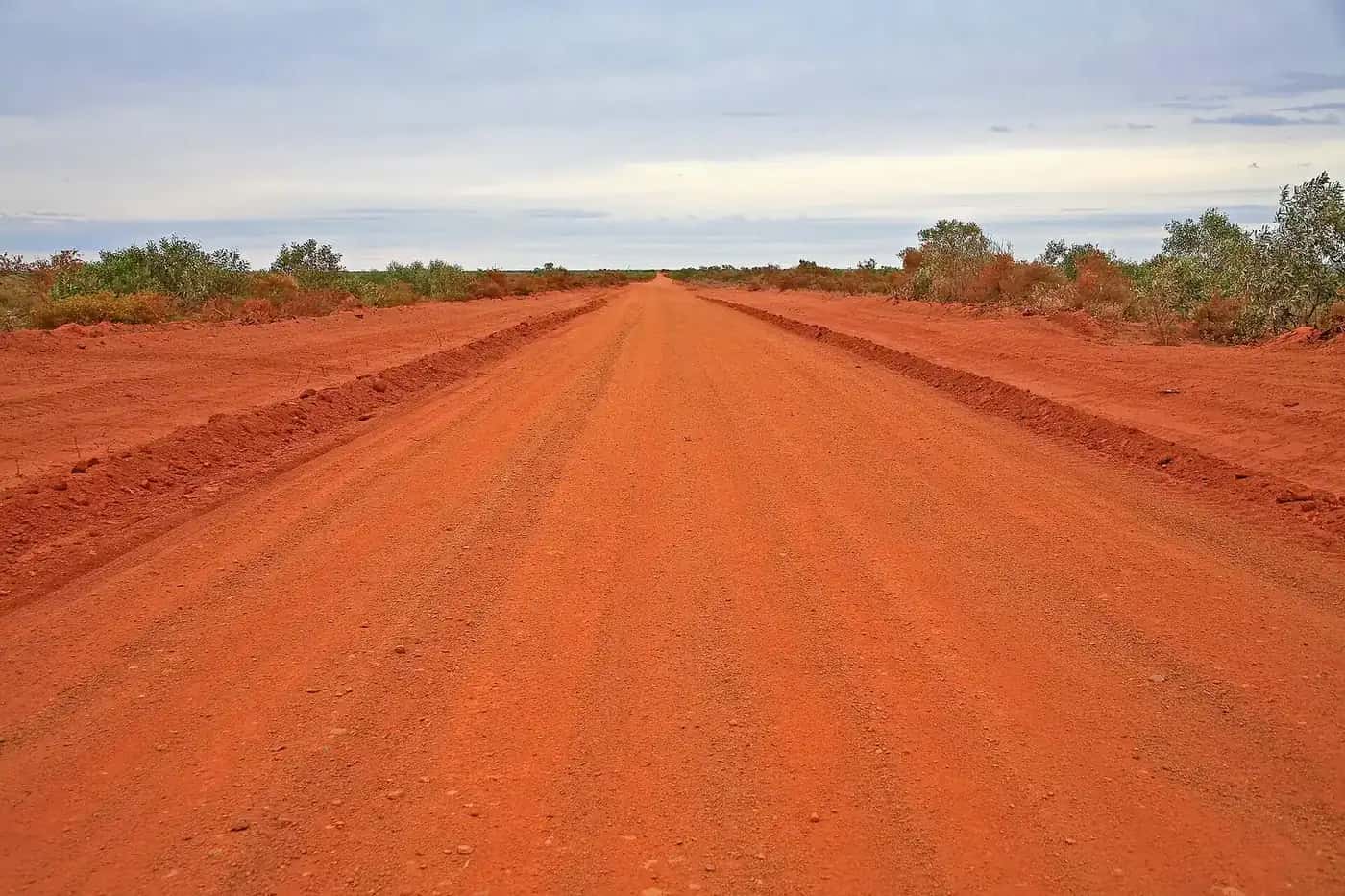
Every state and territory bases its road rules on the national Australian Road Rules, so the basics are the same everywhere. You drive on the left, wear seatbelts, obey signs and stay under the alcohol limit. The differences that catch outback travellers are mostly about speed, licences and closed roads.
Speed limits by state
| State or territory | Default limit outside built-up areas | Notes |
|---|---|---|
| Queensland | 100 km/h | 110 km/h only where signed |
| New South Wales | 100 km/h | Higher only where signed |
| South Australia | 100 km/h | Higher only where signed |
| Western Australia | 110 km/h | Built-up areas 50 km/h unless signed |
| Northern Territory | 110 km/h | 130 km/h where signed on specified sections of the Stuart, Barkly, Victoria and Arnhem highways |
Sources are each state's official speed-limit pages and the NT Road Users' Handbook. The NT no longer has unrestricted "open speed limit" sections. A posted limit is a maximum, not a target. On gravel, corrugations or wet roads, the safe speed is often far lower. Towing a caravan or trailer can also bring lower limits and handling changes. See caravanning in the outback.
Keeping left and overtaking
The WA Road Safety Commission's advice for visitors applies everywhere. Keep left, and on multi-lane roads only use the right lane to overtake, avoid an obstruction, or when the left lane is a special-purpose lane. You must not exceed the speed limit to overtake. You must not cross a continuous dividing line on your side of the road to overtake. If you're not used to driving on the left, a note on the dashboard helps, especially at intersections and when pulling out of fuel stops.
Road trains need special care. See our guide to road trains.
Closed roads
Outback dirt roads close after rain to protect the surface and keep people safe. The Queensland Department of Transport and Main Roads says obeying a road-closed or no-entry sign is a legal requirement, and ignoring one can lead to an on-the-spot fine or court proceedings. South Australia and NSW also fine drivers who use closed outback roads. Check road reports before you leave, and wait it out if a road closes. See fuel, permits and road conditions and the wet season and road closures.
Licences for visitors
- Queensland: visitors can drive on a valid overseas licence. Holders of resident visas, and Australian citizens returning from overseas, must transfer to a Queensland licence within three months.
- Western Australia: you must carry your current overseas licence and either a translation or an International Driving Permit.
- Other states have similar rules, so check the state transport department before a long trip, and check your hire-car terms.
Alcohol and drugs
All states set a blood alcohol limit of under 0.05 for full-licence drivers, and zero for learners, provisional drivers and many professional drivers. For example, the NSW Government lists a low-range offence (0.05 to 0.079) as bringing a penalty notice and an immediate licence suspension for a first offence. Random breath and drug testing happens on outback highways too. Fatigue and heat make alcohol's effects worse, so plan rest days rather than late nights before long drives.
Mobile phones
Holding a phone while driving is banned in every state. Transport for NSW says full-licence drivers may use a phone in a fixed cradle for calls, audio or navigation. Queensland and other states have similar rules, and cameras that detect phone use operate in some states. Learner and provisional drivers face tighter limits. Pull over to check maps, which is easy on quiet outback roads.
Livestock, wildlife and grids
Much outback grazing land is unfenced, so cattle, sheep, kangaroos, emus and camels wander onto roads. The WA Road Safety Commission advises driving slowly and not swerving around animals. Cattle grids mark property boundaries, so slow down before crossing them, because the road surface often changes. Leave gates as you find them. Many hire-car agreements restrict driving between dusk and dawn for this reason. See outback safety.
Dust, lights and visibility
Drive with your headlights on during the day on dusty roads. Dust from oncoming vehicles can blind you, so slow down, move left and, if necessary, stop until it clears. In smoke, fog or heavy rain, the WA advice is to slow down, use headlights and wipers, allow extra braking distance and never cross flooded roads.
Sleeping in your car
There's no single national rule. It depends on council and state rules where you stop. Highway rest areas often allow short stays, some councils ban overnight parking in town, and national parks require you to use their campgrounds. See free camping rules.
Fatigue
Long, straight roads cause fatigue crashes. Take a break at least every two hours, share the driving, and don't drive at your usual sleep times. Rest areas on outback highways are designed for this. See remote-area safety.
Related guides
Frequently asked questions
What is the speed limit on outback roads?
It depends on the state and the signs. Default limits outside built-up areas are 100 km/h in Queensland, NSW and South Australia, and 110 km/h in Western Australia. In the Northern Territory the default is 110 km/h, and 130 km/h applies only where signed on specified sections of the Stuart, Barkly, Victoria and Arnhem highways. Always obey the posted sign.
Can I drive in Australia on an overseas licence?
Generally yes, as a visitor, but the rules vary by state. The Queensland Government says visitors can drive on a valid overseas licence, but people holding a resident visa must get a Queensland licence within three months. Western Australia requires you to carry your current overseas licence plus an English translation or an International Driving Permit.
Is it illegal to drive on a closed road?
Yes. In Queensland, obeying a road-closed or no-entry sign is a legal requirement, and ignoring one can lead to an on-the-spot fine or court action. South Australia and NSW also impose large fines for driving on closed outback roads. Closed roads also cause expensive damage and put rescuers at risk.
Can you legally sleep in your car in Australia?
There's no single national rule. Whether you can sleep in a vehicle depends on local council, state and park rules where you stop. Many highway rest areas allow short stays, while some towns ban overnight stops. Check the signs, and see our free camping rules guide.
Can I use my phone for navigation while driving?
Only in a way that's legal for your licence. In NSW, full-licence drivers may use a phone in a fixed cradle for calls, audio or navigation, but never handheld, including when stopped in traffic. Queensland also bans holding a phone while driving. Learner and provisional drivers face tighter limits.
Sources and further reading
Facts on this page were checked against these primary and official sources. Conditions change — confirm before you travel or buy.
- Speed limits — Queensland Government
- Speed zones — Main Roads Western Australia
- Speed limits (Driver's Handbook) — Government of South Australia
- Section 5 general road rules – Road Users' Handbook — Northern Territory Government
- Driving in Queensland on an interstate or overseas licence — Queensland Government
- Visitors to regional WA — Road Safety Commission WA
- Transport inspectors and road closures — Queensland Department of Transport and Main Roads
- Drink and drug driving penalties — NSW Government
- Mobile phones — Transport for NSW


