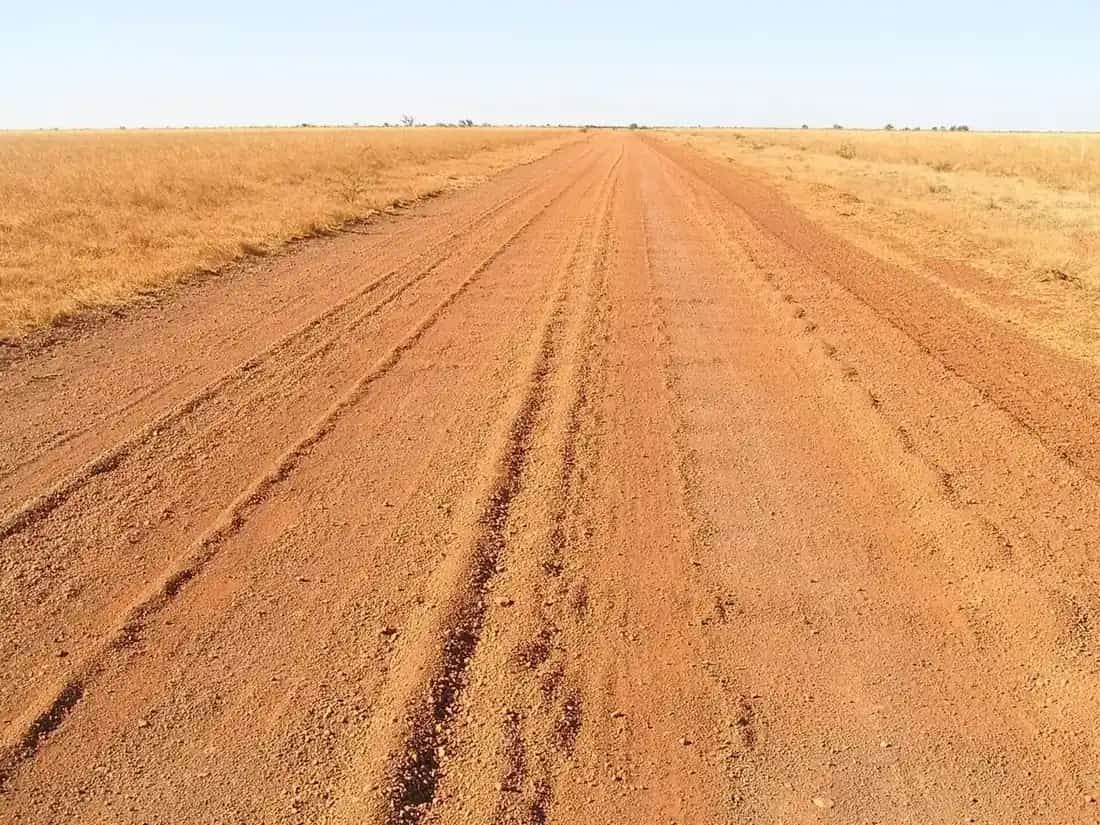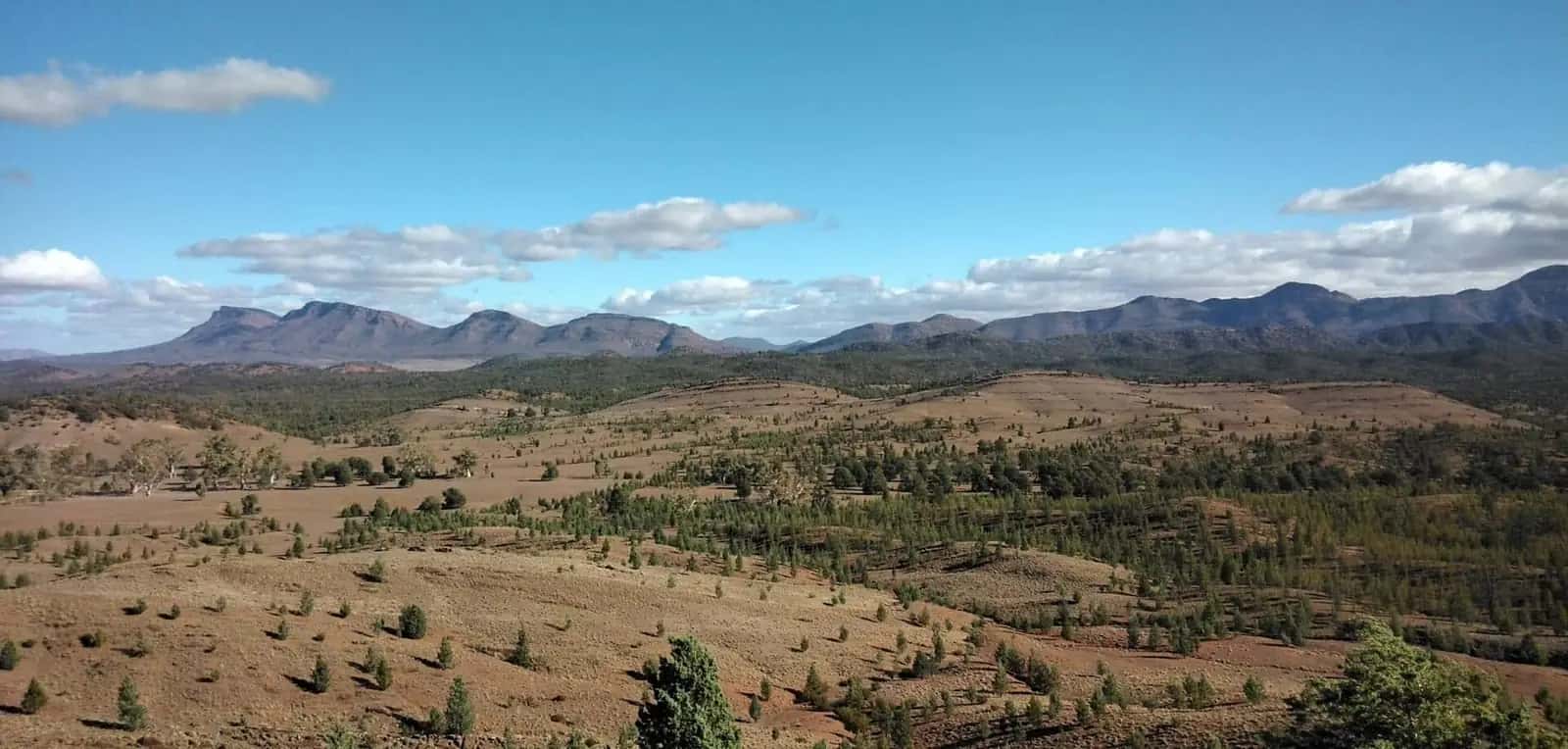
Birds respond quickly to rain in the outback. A wet season in Queensland can bring waterbirds to Lake Eyre months later, while desert bushes flower and seed, attracting finches and parrots.
Top sites
- Kati Thanda–Lake Eyre — pelicans and waterbirds when it floods. See Kati Thanda–Lake Eyre.
- Coongie Lakes — Ramsar-listed wetlands near Innamincka.
- Currawinya National Park — Ramsar-listed lakes near Cunnamulla.
- Parry Lagoons — near Wyndham.
- Roebuck Bay — migratory shorebirds at Broome.
- Sturt National Park — budgerigars, zebra finches and raptors. See Sturt.
Birds to look for
Wedge-tailed eagles, galahs, Major Mitchell's cockatoos, budgerigars, zebra finches, brolgas, emus, black-breasted buzzards and many species of honeyeaters.
Tips
- Go early in the morning.
- Bring binoculars, a field guide or app, and water.
- Keep your distance from nesting birds.
Why the outback is special for birders
The arid zone supports a remarkable variety of birds, including many species found nowhere else. Some are nomadic, following rain and flowering across thousands of kilometres. Others, like the grey falcon, are rare and seldom seen. Each region has its own specialties: the gibber plains, spinifex grasslands, mulga woodlands, river red gum creeks and tropical wetlands all hold different communities of birds.
Seasons and rain
The best birding usually follows good rain. Flooding in the Channel Country of south-west Queensland can fill lakes in South Australia's Lake Eyre Basin months later, triggering breeding events among pelicans, banded stilts, gulls, terns and ducks. Flowering shrubs such as eremophila and grevillea attract honeyeaters, while seeding grasses bring finches, budgerigars and parrots.
In the southern and central outback, autumn to spring is generally the most comfortable time to birdwatch. In the tropical north, the dry season (roughly May to October) concentrates birds at shrinking wetlands and billabongs, while the wet season brings breeding and the arrival of migrants but makes many roads impassable. Migratory shorebirds arrive in northern Australia from the Northern Hemisphere in the southern spring and depart in autumn.
More top sites
- Mungo National Park — mallee birds, parrots and raptors around the Walls of China. See Mungo.
- Ikara-Flinders Ranges — a meeting point of southern and arid species, including emus, parrots and the elegant wedge-tailed eagle. See Ikara-Flinders Ranges.
- West MacDonnell Ranges — waterholes such as Ormiston Gorge and Ellery Creek Big Hole attract birds in the dry, including spinifex pigeons and dusky grasswrens. See West MacDonnell.
- Boodjamulla (Lawn Hill) — rainforest-lined creeks in Gulf Country, with purple-crowned fairy-wrens and many parrots. See Boodjamulla.
- Bowra Sanctuary — a property near Cunnamulla managed for conservation by Australian Wildlife Conservancy, well known among birders. Check its visitor information before going.
- Broome Bird Observatory — on the shores of Roebuck Bay, run by BirdLife Australia, with courses and tours. See Broome.
- The Kimberley wetlands — Parry Lagoons and the Ord River floodplain near Wyndham and Kununurra are excellent in the dry season.
Birds of the gibber and spinifex
Open stony plains are home to the gibberbird (inland dotterel) and the cinnamon quail-thrush, which can be surprisingly hard to spot against the rocks. Spinifex grasslands hold grasswrens — prized by birders — along with spinifexbirds and painted finches. Look carefully along the Strzelecki and Birdsville tracks and around Innamincka, and stop at creeks lined with coolibah and river red gums.
Raptors
The outback is excellent for birds of prey. Wedge-tailed eagles, whistling and black kites, brown falcons and nankeen kestrels are common along highways. Black-breasted buzzards, known for dropping stones on emu eggs, are found in the north and centre. Spotted harriers quarter low over grasslands.
Equipment and apps
- Good binoculars (8x or 10x magnification) are essential.
- A camera with a telephoto lens helps with identification.
- Carry a field guide or a reputable bird app with offline maps and calls, as mobile coverage is limited.
- Record your sightings in citizen science databases such as BirdLife Australia's Birdata or eBird; records help researchers track nomadic species.
Ethics
Follow BirdLife Australia's guidance on ethical birding. Don't use call playback near nesting birds or for threatened species, keep disturbance to a minimum around breeding colonies, and never share precise locations of rare or sensitive species publicly. Stay on roads and tracks, especially on private pastoral properties, and ask permission before entering station land.
Practical tips
- Combine birding with camping at waterholes, but camp well away from water to avoid disturbing birds that come to drink.
- In the north, remember crocodiles: birding at the water's edge is dangerous. See crocodile safety.
- Carry plenty of water, sun protection and fly nets.
- Check road conditions after rain — the best birding often coincides with the worst roads.
See also Outback wildlife and our best time to visit the outback guide.
Citizen science and local knowledge
Local birders, station owners and park rangers often know where unusual species have been seen recently. Ask at visitor centres and national park offices, and check recent records from BirdLife Australia branches before you travel. In return, add your own observations to Birdata or eBird, which helps scientists understand how nomadic birds respond to rain across the inland.
Frequently asked questions
When is the best time for outback birdwatching?
After significant rain, when wetlands fill and birds breed. In the north, the late dry season concentrates birds at remaining water.
Which outback wetlands are Ramsar-listed?
Ramsar sites covered on Outback Now include Coongie Lakes, Currawinya Lakes, Parry Lagoons, Roebuck Bay and Lake Argyle (part of the Ord River Floodplain site).
Sources and further reading
Facts on this page were checked against these primary and official sources. Conditions change — confirm before you travel or buy.
- Ramsar wetlands in Australia — Australian Government