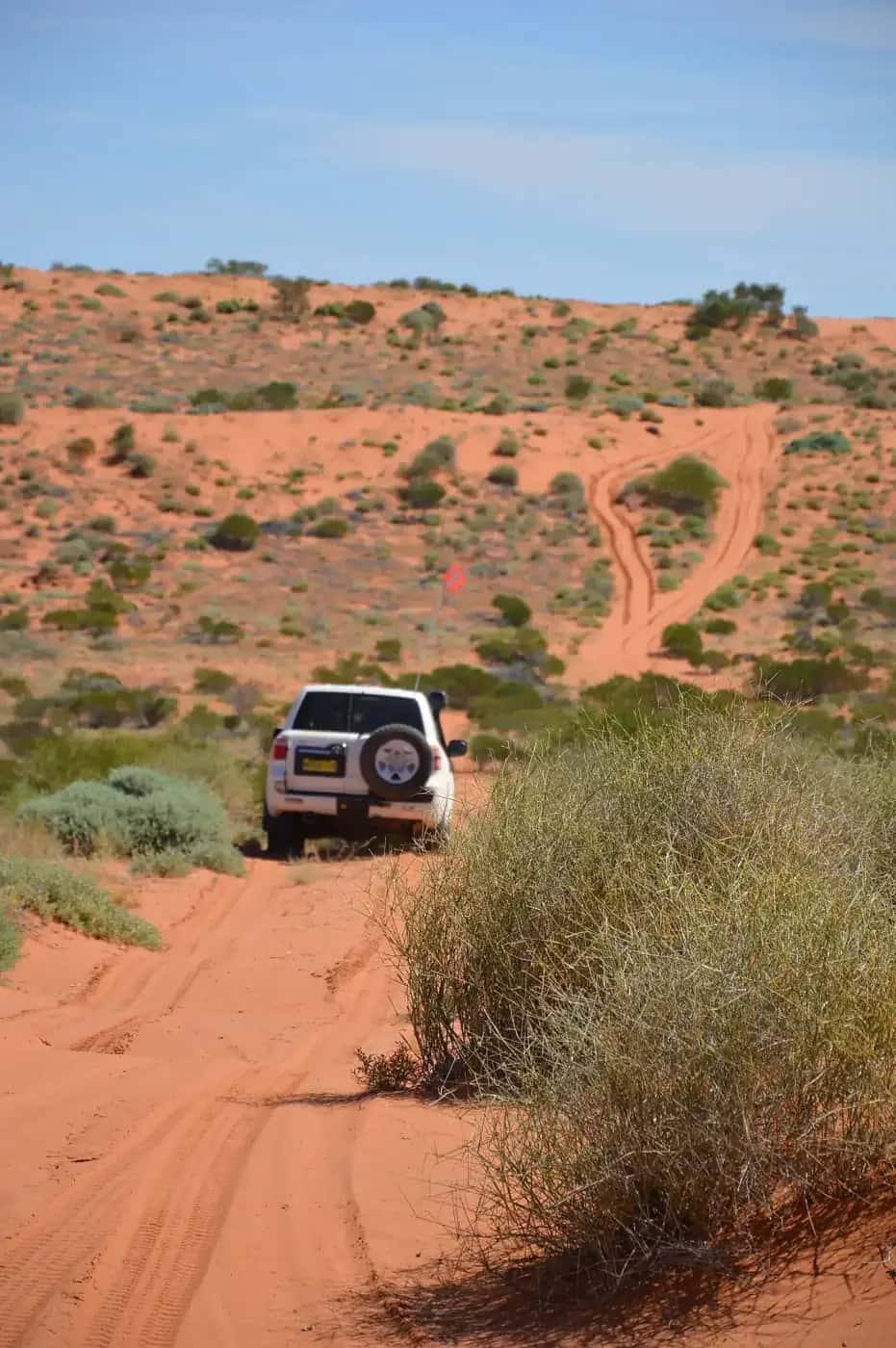
These guides sit behind every town and road trip page on Outback Now. Read the safety guide first if you are new to remote travel, then use the seasonal guide to match your dates to the right region.
Start here
- Planning: Where is the outback?, Best time to visit and Outback weather by month.
- Getting around: best vehicle for the outback, outback road rules, road trains and the outback by train.
- Staying out there: outback camping, free camping rules, caravanning and station stays.
- Experiences: best outback experiences, stargazing, photography and fossicking.
The essentials
- Outback safety — water, fuel, heat, wildlife, breakdowns, communications and what to do in an emergency.
- Best time to visit the outback — region-by-region seasons, the tropical wet and dry, and school holiday crowds.
- 4WD driving and unsealed roads — tyre pressures, corrugations, sand, mud, creek crossings and recovery basics.
- Outback national parks — the parks worth planning a trip around, from Uluru-Kata Tjuta to Karijini and Mutawintji.
- Outback camping and caravanning — campsites, power and water, towing on long roads and leave-no-trace basics.
Five rules we always follow
- Check official road conditions every morning. Unsealed roads close after rain and penalties apply for driving on closed roads.
- Never drive at dawn, dusk or night if you can avoid it. Wildlife and stock on the road are the biggest crash risk.
- Carry more water and fuel than you think you need. Remote stretches can exceed 200 km between services.
- Tell someone your plan. Leave your route and expected arrival with a friend, roadhouse or police station for very remote trips.
- Stay with your vehicle if you break down. A vehicle is far easier for searchers to find than a person on foot, and it offers shade.
Respecting Country
The outback is Aboriginal Country, and many places are of deep cultural significance. Follow signs at sacred sites, do not climb or photograph where asked not to, obtain permits for Aboriginal land where required and choose Aboriginal-guided experiences to learn the stories directly.
Keeping our guides current
We review our guides regularly and update them when official advice changes. If you notice something out of date — a closed road, a changed rule or a business that no longer operates — please contact us so we can check it.
Insurance and roadside assistance
Check that your travel, vehicle and health insurance cover remote travel, unsealed roads and any activities you plan. Standard roadside assistance may not cover towing from remote areas, which can be very expensive; read your policy and consider premium cover before a long outback trip.
More guides
- Fuel, permits and road conditions — planning fuel stops, reading road reports, permits for parks and Aboriginal land, quarantine and fossicking rules.
- Remote-area travel safety — communications, trip plans and what to do in an emergency.
Planning your first outback trip
If you're new to the outback, start small. Pick one region and a well-serviced base, travel in the cooler months, and keep to sealed roads. Outback NSW from Broken Hill or Bourke, central-west Queensland around Longreach and Winton, the Flinders Ranges in South Australia and the Red Centre around Alice Springs all suit first trips. As you gain confidence, add unsealed roads and remote tracks.
Before you go, work through these steps:
- Choose your season. Read best time to visit and avoid the extreme heat of summer in the arid zone and the wet season in the north.
- Plan your route. Calculate distances between fuel stops and towns, and allow for slower travel on unsealed roads.
- Prepare your vehicle. Service it, check tyres and spares, and understand its limits. See 4WD driving.
- Pack for self-sufficiency. Water, food, first aid, spare parts and communications.
- Book key accommodation. Especially in school holidays and around events.
- Check permits and park passes. Many parks and Aboriginal lands require them.
- Leave a trip plan. Tell someone where you're going and when you'll be back.
Official sources we rely on
Our guides are based on information from official sources, including the Bureau of Meteorology, state road authorities (Live Traffic NSW, QLDTraffic, SA Department for Infrastructure and Transport, NT Road Report and Main Roads WA), state and federal parks agencies, land councils, and health authorities such as healthdirect. We recommend checking these sources directly before you travel, as conditions change quickly.
Travelling with children
The outback is a wonderful place for families. Choose shorter driving days, build in rest stops and pool time, and look for kid-friendly attractions such as dinosaur museums, the RFDS visitor centres, School of the Air sessions and wildlife experiences. Pack extra water, sun protection and entertainment for long drives. Keep children close near water, cliffs, mine shafts and roads.
Travelling with pets
Dogs are prohibited in most national parks and some reserves, and baits for wild dogs and foxes are laid in many areas of the outback. Baits are deadly to pets. Keep dogs on a lead, watch for baiting signs and consider a muzzle in baited areas. Check accommodation and caravan park pet policies before you book.
Accessibility
Many outback attractions have improved accessibility, with sealed paths, accessible toilets and viewing platforms, but remote areas often have limited facilities. Contact attractions and accommodation in advance to check access, and plan for long distances between medical services.
Respecting Country
The outback is Aboriginal Country. Read Visiting Country respectfully before you go.
Also see where is the outback?, outback weather by month, best vehicle for the outback and caravanning in the outback.
More guides: the Ghan stops, Lightning Ridge black opal, outback pubs, stargazing, fossicking, free camping rules, 4WD recovery, outback with kids, summer heat, water and food planning, the outback by train and wet season and road closures.
Also new: the best outback experiences, outback road rules, sharing the road with road trains and outback photography.
Where to stay on the land: outback station stays.
Thinking of working your way around? Our outback jobs guide covers the options. To see how our guides are researched, read our editorial policy and about us page. Photo credits are listed on our image credits page, and our privacy policy explains how we handle data.
Featured guides

Travel guide
Outback safety and survival guide
How to travel safely in outback Australia: water and fuel planning, heat, wildlife, road trains, closed roads, breakdowns and PLBs.
Read · 5 min

Travel guide
Best time to visit the outback
When to visit outback Australia: the cooler April–September season, the tropical wet and dry, desert summers, wildflowers and events.
Read · 5 min
Travel guide
Where is the outback?
Where is the outback in Australia? How the ABS defines remote and very remote areas, which states the outback covers, the main outback regions, and the nearest outback to Sydney, Melbourne, Brisbane, Adelaide and Perth.
Read · 5 min
Travel guide
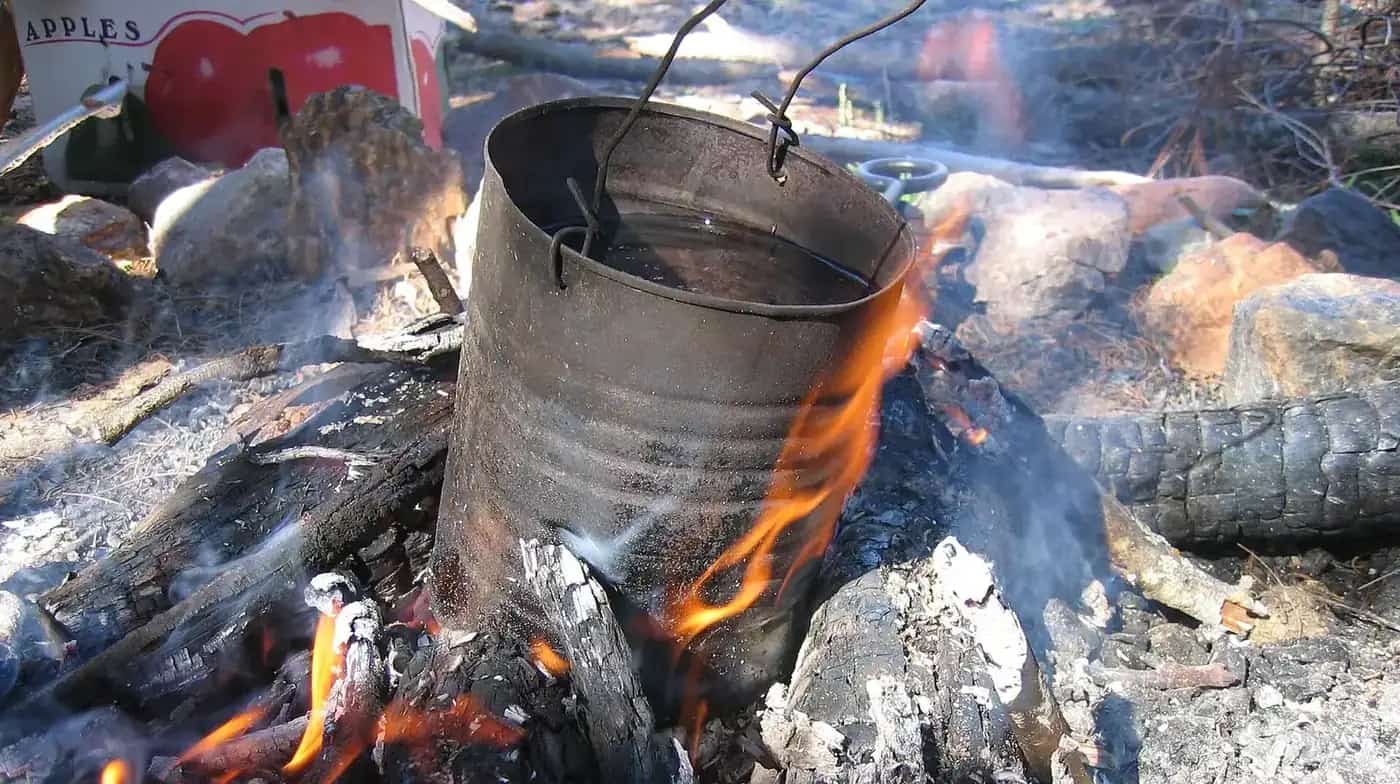
Outback camping and caravanning
How to camp and caravan in outback Australia: choosing campsites, water and power, towing on long roads, dust and corrugations, fires and waste.
Read · 5 min

Travel guide
Best vehicle for the outback
Which vehicle do you need for the outback? When a 2WD is fine, when you need a high-clearance 4WD, AWD SUVs, hire car restrictions, tyres, spares and recovery gear, all based on official NT, SA and NSW road advice.
Read · 5 min
Travel guide
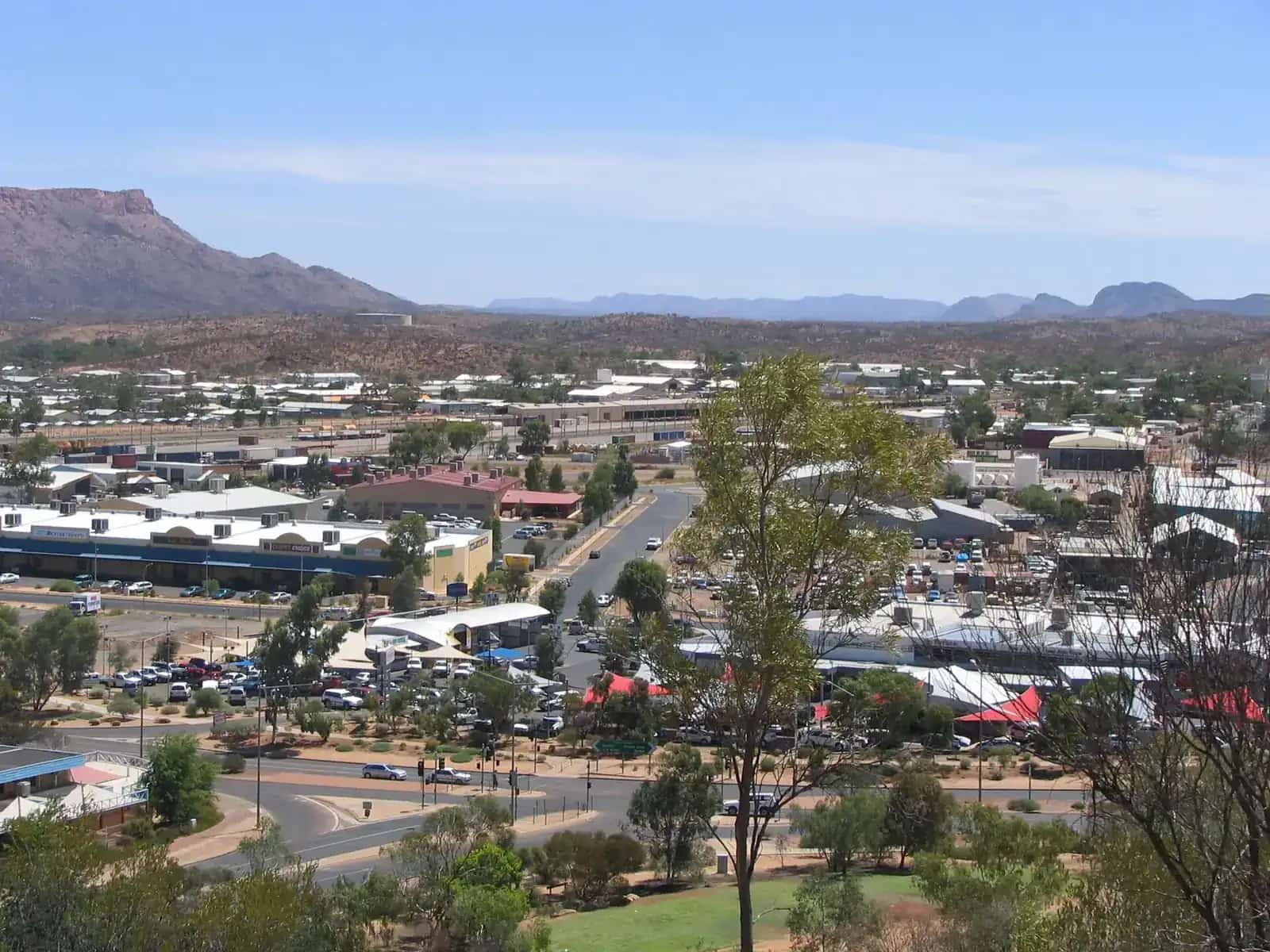
The outback by train (The Ghan, Indian Pacific and Spirit of the Outback)
Seeing the outback by rail: The Ghan from Adelaide to Darwin (2,979 km), the Indian Pacific across the Nullarbor, and Queensland Rail's Spirit of the Outback, Westlander and Inlander. Routes, journey times, timetables and how to plan.
Read · 5 min
Guides in this section
Travel guide
Outback safety and survival guide
How to travel safely in outback Australia: water and fuel planning, heat, wildlife, road trains, closed roads, breakdowns and PLBs.
Read · 5 min
Travel guide
Best time to visit the outback
When to visit outback Australia: the cooler April–September season, the tropical wet and dry, desert summers, wildflowers and events.
Read · 5 min
Travel guide
4WD driving and unsealed outback roads
A beginner's guide to driving outback unsealed roads and 4WD tracks: tyre pressures, corrugations, sand, mud, bulldust, creek crossings and recovery.
Read · 6 min
Travel guide
Outback weather by month
Outback Australia weather by month, using Bureau of Meteorology long-term averages for Alice Springs, Birdsville, Broken Hill, Coober Pedy, Kununurra, Newman, Normanton and Tibooburra. Temperatures, rainfall and what each season means.
Read · 5 min
Travel guide
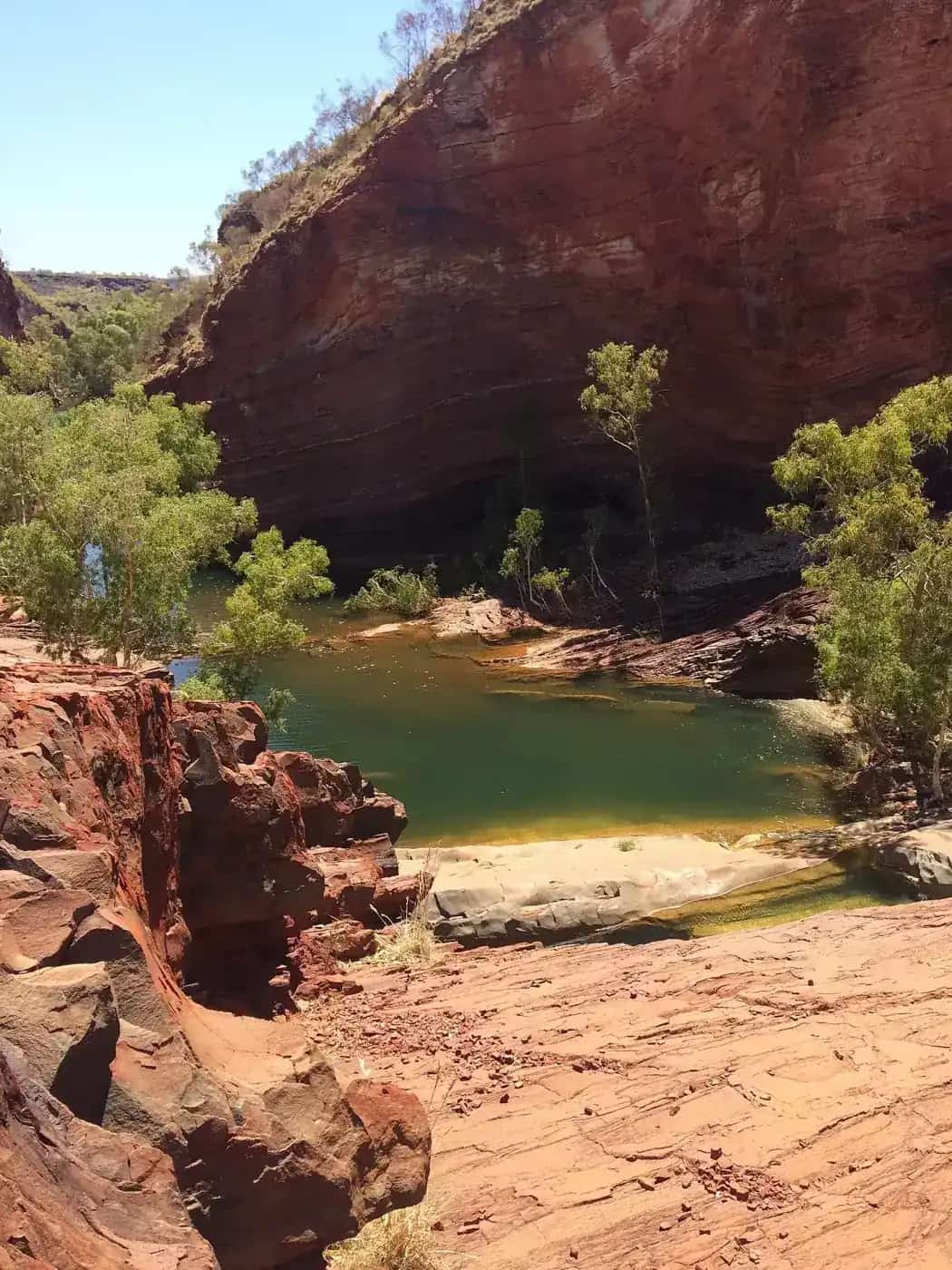
Outback national parks worth the drive
The best outback national parks: Uluru-Kata Tjuta, Nitmiluk, Ikara-Flinders Ranges, Karijini, Purnululu and more, with access and booking tips.
Read · 6 min
Travel guide
Outback camping and caravanning
How to camp and caravan in outback Australia: choosing campsites, water and power, towing on long roads, dust and corrugations, fires and waste.
Read · 5 min
Plan your trip
Fuel, permits and road conditions
Practical guide to planning fuel stops, park and Aboriginal land permits, and checking outback road conditions, with official links for every state.
Read · 4 min
Travel guide
Remote-area travel safety: communications, trip plans and emergencies
How to stay safe on remote outback tracks: registering a PLB with AMSA, satellite phones and messengers, UHF radio etiquette, trip plans and breakdowns.
Read · 5 min
Travel guide
Best vehicle for the outback
Which vehicle do you need for the outback? When a 2WD is fine, when you need a high-clearance 4WD, AWD SUVs, hire car restrictions, tyres, spares and recovery gear, all based on official NT, SA and NSW road advice.
Read · 5 min
Travel guide
Caravanning in the outback
Caravanning and towing in outback Australia: which tracks suit caravans and camper trailers, reading SA Outback Road Warnings, towing limits, corrugations, dust, road trains, water and caravan park bookings.
Read · 5 min
Travel guide
Where is the outback?
Where is the outback in Australia? How the ABS defines remote and very remote areas, which states the outback covers, the main outback regions, and the nearest outback to Sydney, Melbourne, Brisbane, Adelaide and Perth.
Read · 5 min
Travel guide
The outback by train (The Ghan, Indian Pacific and Spirit of the Outback)
Seeing the outback by rail: The Ghan from Adelaide to Darwin (2,979 km), the Indian Pacific across the Nullarbor, and Queensland Rail's Spirit of the Outback, Westlander and Inlander. Routes, journey times, timetables and how to plan.
Read · 5 min
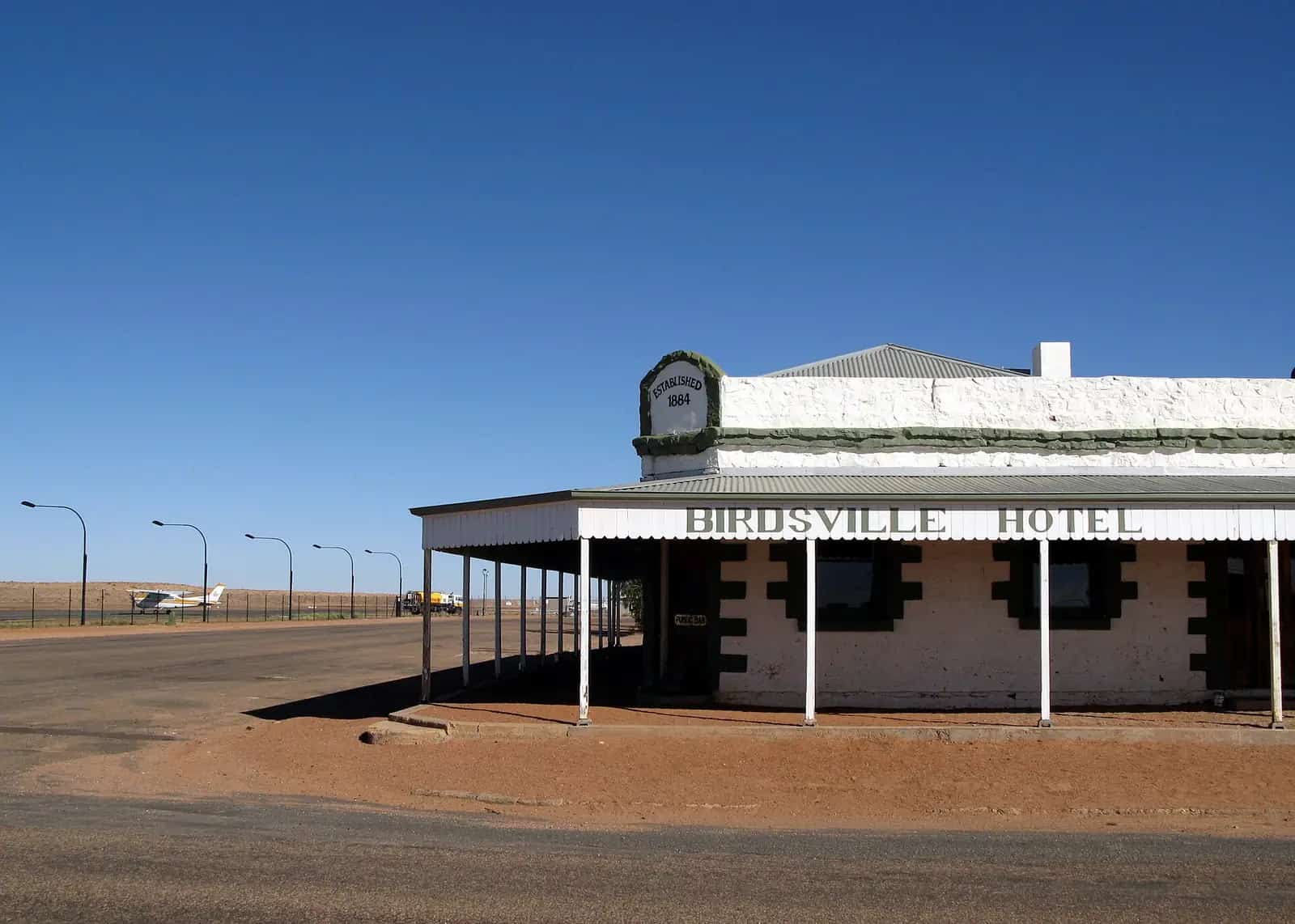
Travel guide
Famous outback pubs of Australia
A state-by-state guide to Australia's most famous outback pubs: the Birdsville Hotel (1884), Daly Waters Pub, Prairie Hotel, Marree, William Creek, the Pink Roadhouse, Silverton, Tilpa, Nindigully, the Blue Heeler at Kynuna and more, with history checked against official sources.
Read · 5 min
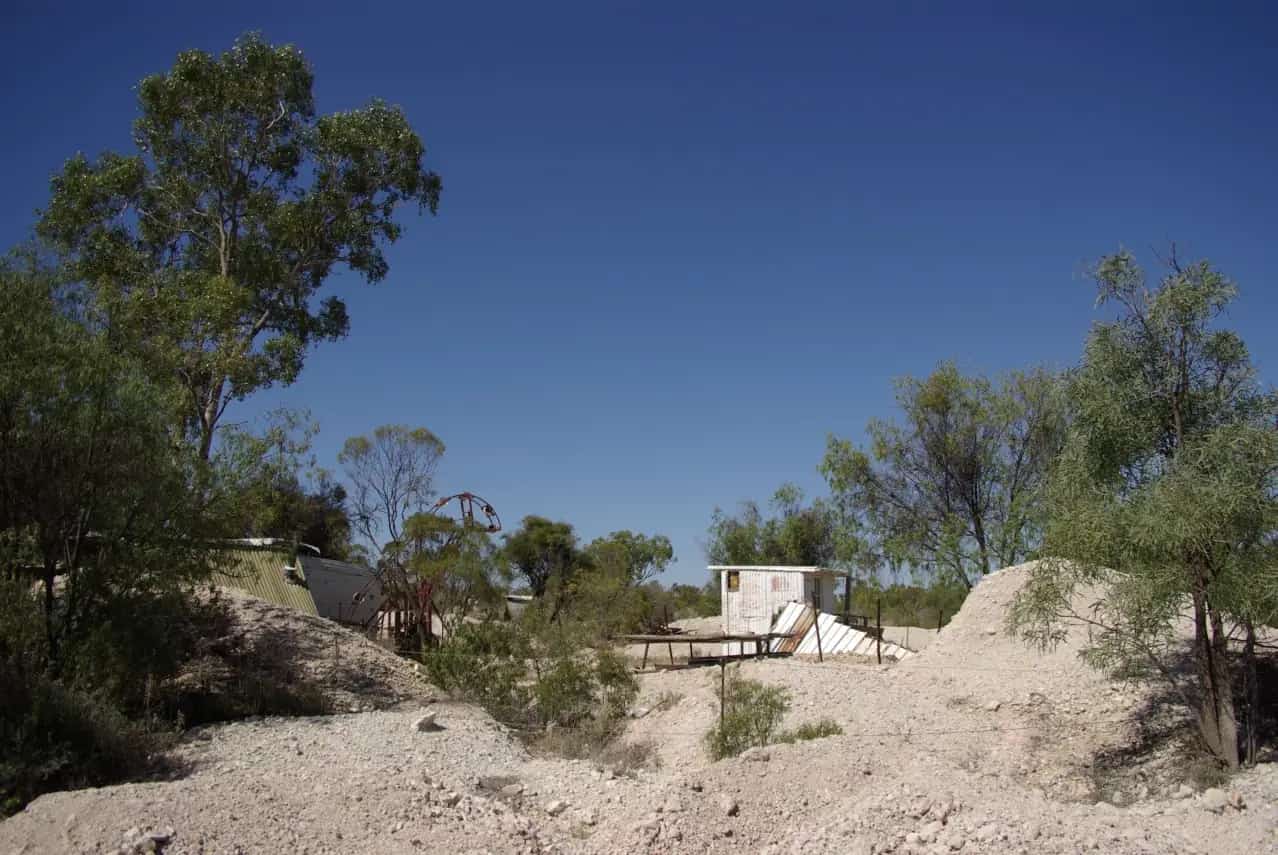
Travel guide
Fossicking and gem fields in the outback
Where to fossick for sapphires, opals and gold in outback Australia, including the Central Queensland gemfields, Lightning Ridge, Coober Pedy and the WA Goldfields, and the licences you need in Queensland, NSW and WA (fossicking licence, landholder consent, Miner's Right).
Read · 5 min

Travel guide
Outback stargazing and dark skies
Where to see the darkest skies in outback Australia: the Warrumbungle Dark Sky Park, the River Murray Dark Sky Reserve, the Charleville Cosmos Centre, the Red Centre, the Flinders Ranges and more, with tips on moon phases, seasons, the Milky Way, the Emu in the Sky and astrophotography.
Read · 5 min
Travel guide
Free camping rules in the outback by state
Can you free camp in the Australian outback? Rest area time limits by state (20 hours in Queensland, 24-hour sites in the NT and WA), national park camping rules, station and pub camping, and the etiquette that keeps free camps open.
Read · 5 min
Travel guide
4WD recovery in the outback
How to recover a bogged 4WD safely in the outback: essential recovery gear, snatch strap rules from the ACCC (2–3× GVM, rated recovery points, dampers, 1.5× strap length clearance), self-recovery with tyre pressures and traction boards, and the most common mistakes.
Read · 5 min
Travel guide
Water and food planning for outback trips
How much water and food to carry for outback travel: the NT's recommended 4–6 litres per person per day, emergency reserves, storing and treating water, bore water, food for remote tracks, fridges, quarantine rules and resupply points.
Read · 5 min
Travel guide
Travelling the outback in summer heat
How hot the outback gets in summer, according to BOM averages, how to recognise heat exhaustion and heat stroke (per NT Health and healthdirect), heat-related walk closures, and how to plan a summer outback trip safely.
Read · 5 min
Travel guide
The outback with kids
Planning an outback trip with children: the most family-friendly regions, kid-friendly attractions (School of the Air, RFDS, dinosaurs, bilbies, stargazing, fossicking), managing long drives, heat, child restraints, health and remote-area safety.
Read · 5 min
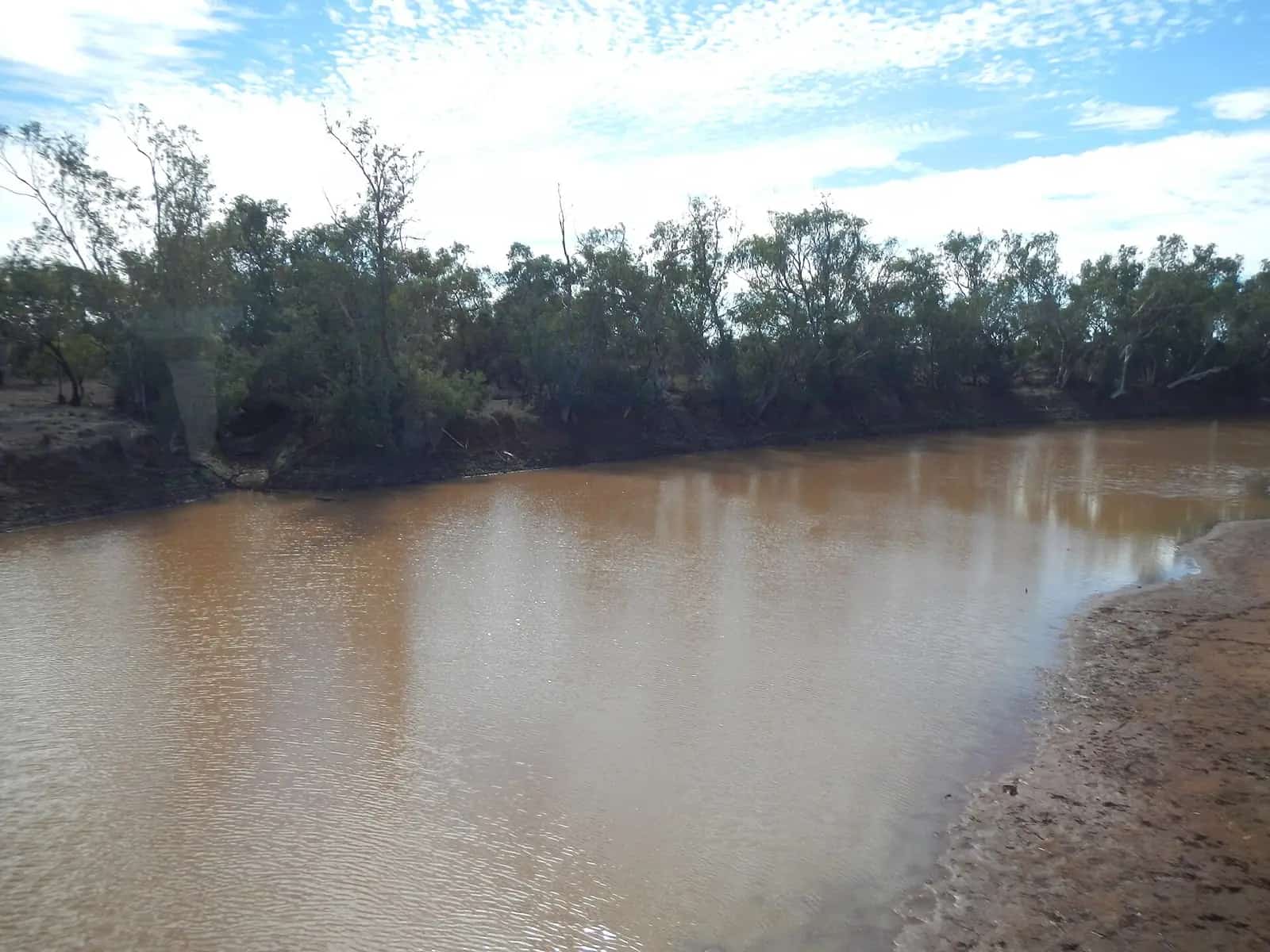
Travel guide
Wet season, floods and outback road closures
How the tropical wet season (around November to April) and inland rain close outback roads, which roads are affected, seasonal park closures, crossing floodwater safely, and the official road reports for the NT, Queensland, WA, SA and NSW.
Read · 5 min
Travel guide
Outback road rules in Australia
The road rules that matter most on outback trips: default rural speed limits in each state, the NT's 130 km/h zones, overseas licences, keeping left and overtaking, closed-road offences, drink driving, mobile phones, livestock and sleeping in your car.
Read · 4 min
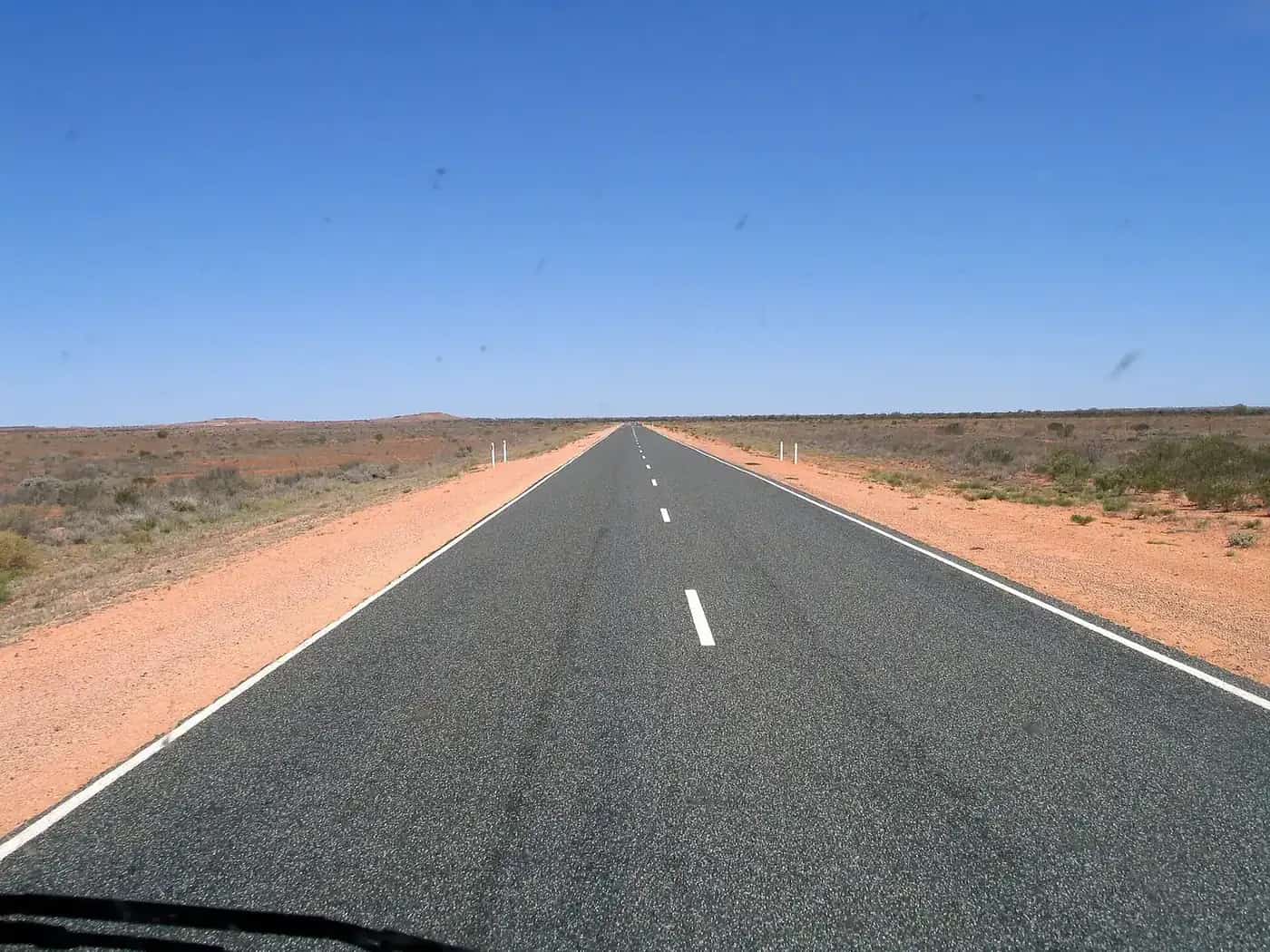
Travel guide
Road trains: overtaking and sharing the road
How to share outback roads with road trains: how long they are (up to 60 m in WA), road-train speed limits, how much clear road you need to overtake, what to do when one approaches on a dirt road, blind spots, UHF radio and towing.
Read · 3 min

Travel guide
Outback photography tips
How to photograph the Australian outback: working with harsh light, golden hour and blue hour, protecting gear from dust and heat, night-sky and Milky Way shots, wildlife, drone rules from CASA and the parks, and the cultural photography rules at places like Uluru.
Read · 4 min
Travel guide
The best outback experiences in Australia
The best things to do in outback Australia, state by state: Uluru and Kings Canyon, Kakadu and Litchfield, the Kimberley and Karijini, the Flinders Ranges and Coober Pedy, Longreach and Winton, Broken Hill and Mungo, plus night skies, pubs, races and Aboriginal-led tours.
Read · 4 min
Travel guide
The Ghan's stops and off-train experiences
Where The Ghan stops between Darwin and Adelaide, and what you do at each stop: Katherine and Nitmiluk Gorge, a full day in Alice Springs with dinner at the Telegraph Station, sunrise at Manguri, and Coober Pedy underground. Includes the 2,979 km route, seasons and planning tips.
Read · 4 min
Where to stay
Outback Station Stays
A guide to outback station stays in Australia: what a station stay is, the accommodation types from campsites to homestead rooms, what you can do on a working cattle or sheep station, how to find and book one in each state, costs, seasons, road access and station etiquette.
Read · 4 min
Outback experience
Lightning Ridge Black Opal
A visitor's guide to black opal at Lightning Ridge, NSW: what makes black opal special, the free fossicking area at the visitor centre, fossicking rules and claim-holder consent, mine tours, Car Door Tours, buying opal (solid, doublet, triplet), the Australian Opal Centre update and safety on the fields.
Read · 4 min
Frequently asked questions
What should I take on an outback trip?
At minimum, plenty of drinking water (a common rule of thumb is at least 5 to 7 litres per person per day plus a reserve), food, a first-aid kit, a spare tyre and tools, paper maps, a way to call for help without mobile coverage such as a satellite messenger or PLB, sun protection and warm clothes for cold nights.
Is it safe to drive in the outback?
Yes, if you prepare. Most problems come from fatigue, wildlife collisions at dawn and dusk, running out of fuel or water, driving on closed roads and leaving a broken-down vehicle. Plan, tell someone your route and check road conditions daily.
Can you drink water while driving in Australia?
Yes, drinking water while driving is legal and sensible in the heat. Using a hand-held mobile phone is illegal.
What should I be careful of in the outback?
The main risks are heat, long distances between fuel and water, wildlife on the road at dawn and dusk, flooded or closed roads, and poor mobile coverage. Read our outback safety and remote area travel safety guides before you go.
What are good outback tours for seniors?
Options such as scenic flights, rail journeys and guided coach tours mean less driving and walking. See our outback tours and outback by train guides, and check accessibility details directly with each operator.
Sources and further reading
Facts on this page were checked against these primary and official sources. Conditions change — confirm before you travel or buy.
- Remote travel safety — Northern Territory Government
- Bureau of Meteorology warnings — Bureau of Meteorology