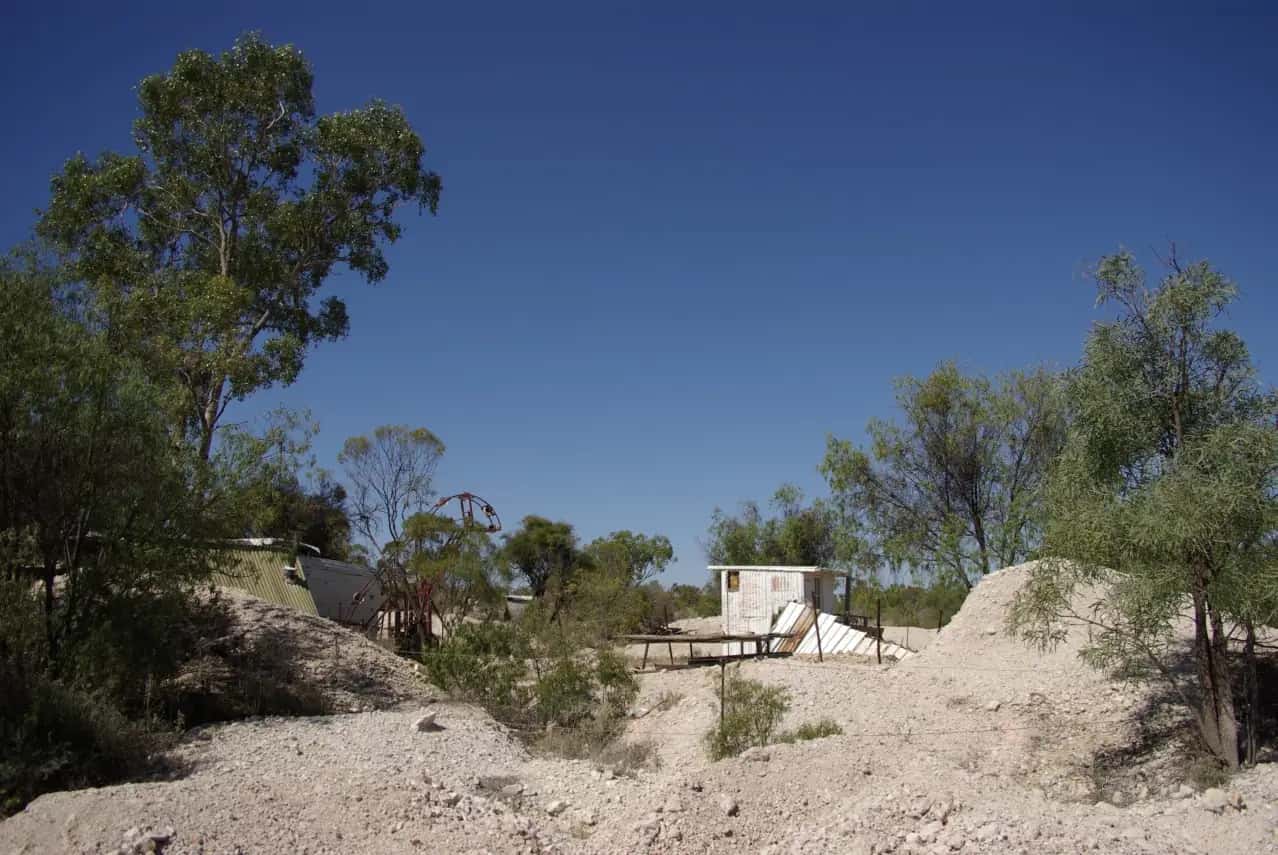
Fossicking means searching for gemstones, minerals, gold and fossils by hand, as a hobby. It's different from commercial mining, and every state regulates it. Before you pick up a shovel, check which licence applies, whose land you're on, and what equipment is allowed. This guide covers the main outback fossicking areas and the rules in Queensland, NSW and WA. It's general information only, so check the official sources linked here for current conditions.
Queensland: the Central Queensland gemfields
The gemfields west of Emerald are among Australia's best-known sapphire areas. The towns include Sapphire, Rubyvale and Anakie.
- Licence: the Queensland Government requires a current fossicking licence to fossick in Queensland, including in the Central Queensland gemfields. You can buy it online, from a mines assessment hub or from an authorised agent.
- Designated fossicking land: the Sapphire/Rubyvale area includes designated fossicking land where licensed fossickers can search, subject to the conditions on the Queensland Government's page for each area.
- Camping: a separate fossicking camping permit is needed to camp on designated fossicking land. The government notes that camping is allowed for up to three months in one area, with restrictions near the Sapphire and Rubyvale post offices.
- Fossicking parks: if you're new to it, commercial fossicking parks and tours in the gemfields sell buckets of "wash" to sieve and wash. Some help you identify and cut stones. Check prices and opening hours directly.
Elsewhere in outback Queensland, the Queensland Government lists other fossicking areas, including some for gemstones and some for fossils. Some fossil sites, especially dinosaur fossils, are protected. Leave fossils in place and report significant finds. See the Dinosaur Trail.
New South Wales: Lightning Ridge and the opal fields
Lightning Ridge is famous for black opal, and White Cliffs is another historic opal field.
- Licence: NSW Resources' fossicking guide indicates that ordinary hand fossicking generally doesn't need a paid licence. You still need permission from the landholder or land manager, and you must follow the Mining Act and its regulations.
- Opal fields: much of Lightning Ridge is an opal prospecting area and mineral claims district, so specific rules apply. NSW Resources has guidance on opal prospecting. Don't enter claims or old shafts without permission, because old diggings can be extremely dangerous.
- Noodling: searching opal dirt heaps by hand ("noodling") is a popular way to try opal fossicking. Do it only where it's permitted, for example at designated public noodling areas. Ask the local visitor centre where they are.
South Australia: Coober Pedy and Andamooka
Coober Pedy and Andamooka are SA's main opal towns. Opal mining in SA is regulated, and the opal fields hold many unmarked and unfenced shafts. Fossick only in designated noodling areas, or on guided tours, and ask the visitor centre for current advice. See Coober Pedy underground.
Western Australia: gold in the Goldfields
The Goldfields around Kalgoorlie-Boulder, Coolgardie and Leonora draw metal detectorists from around the world.
- Miner's Right: the WA Government says every person must hold a Miner's Right to prospect or fossick on Crown land in WA. It doesn't authorise mining.
- Mining tenements: fossicking on a mining tenement needs the tenement holder's consent.
- Other land: some Crown and conservation land needs the occupier's consent, and fossicking isn't allowed in many reserves and national parks.
- Tenement maps: check current tenement maps before you detect. Ask in local prospecting shops and visitor centres.
Safety
- Heat and water: fossicking areas are hot and dry, and it's easy to lose track of time. Carry plenty of water and work in the cooler parts of the day. See travelling in summer heat.
- Shafts and diggings: old mine shafts may be hidden by scrub or soft edges. Keep children close, and never enter old workings.
- Communications: tell someone where you're going, and carry a satellite device in remote areas. See remote area travel safety.
- Vehicles: many fossicking tracks are unsealed and can be rough. See best vehicle for the outback.
Fossicking etiquette
- Fill in your holes.
- Leave gates as you find them.
- Don't disturb stock or water points.
- Take all rubbish with you.
- Respect cultural sites. Stone artefacts belong to Country and are protected by law.
What can you find?
- Sapphires: the Central Queensland gemfields are known for sapphires in blue, green, yellow and parti-coloured varieties.
- Opal: Lightning Ridge is famous for black opal. Coober Pedy, Andamooka and White Cliffs produce white and crystal opal, and Queensland's boulder opal fields lie further west.
- Gold: the WA Goldfields and parts of the Pilbara draw detectorists.
- Other minerals and fossils: agate, jasper, quartz crystals and fossils turn up in many areas, but some fossil sites are protected.
The rarest finds are rare for a reason. Most fossickers find small stones or chips, and the fun is in the search. Don't expect to fund your trip with your finds.
Equipment for beginners
- A pick and shovel
- Sieves (a coarse and a fine one)
- A bucket and water for washing gravel (wash)
- Tweezers, a small container and a magnifying glass
For gold, a metal detector and a digging tool are the basics. Many fossicking parks and visitor centres hire equipment and give lessons, so you don't need to buy everything before you try it.
When to go
Fossicking is hot, dusty work. The cooler months, roughly April to September, are the most comfortable in the gemfields, the opal fields and the Goldfields. Many fossicking parks and tours run reduced hours in summer. See best time to visit.
Related guides
Frequently asked questions
Where are the best places to fossick for gemstones in Australia?
Well-known outback fossicking areas include the Central Queensland gemfields (Sapphire, Rubyvale, Anakie and nearby areas) for sapphires, Lightning Ridge (NSW) for black opal, Coober Pedy and Andamooka (SA) for opal, and the WA Goldfields around Kalgoorlie for gold.
Do you need a licence to fossick in Queensland?
Yes. The Queensland Government says you need a current fossicking licence to fossick in Queensland, including on the Sapphire/Rubyvale designated fossicking land. You can buy one online, at a mines assessment hub or from an authorised agent. Camping on designated fossicking land needs a separate fossicking camping permit.
Can I keep gold I find in Australia?
Generally, yes, if you found it lawfully under the right authority, such as a Miner's Right in WA or a fossicking licence in Queensland, and with any consent required from the landholder or tenement holder. Rules differ between states, so check the relevant government guidance.
Do you need a licence to fossick in NSW?
NSW Resources' fossicking guide indicates that ordinary hand fossicking generally doesn't need a paid licence. You still need permission from the landholder or land manager, and you must follow the Mining Act and its regulations. Opal fields like Lightning Ridge have their own rules.
Sources and further reading
Facts on this page were checked against these primary and official sources. Conditions change — confirm before you travel or buy.
- Sapphire/Rubyvale designated fossicking land — Queensland Government
- Purchase a fossicking licence or camping permit — Queensland Government
- Fossicking — a guide to fossicking in NSW — NSW Resources
- Opal prospecting — NSW Resources
- Miner's Rights — Government of Western Australia


