Itineraries were one of the most-loved sections of the original site, and pages such as the Great Artesian Spa Tour and the Great Inland Way were linked by caravan and camping sites for years. We have rebuilt the strongest routes as detailed guides and merged near-duplicates — for example, the two Sydney to Darwin variations are now one guide with both options.
Sealed classics
- Great Inland Way — Sydney to Cairns through the inland, avoiding the coastal traffic.
- Great Artesian Spa Tour — the bore baths and hot springs of outback NSW and south-west Queensland.
- Adelaide to Darwin — the Stuart Highway through Coober Pedy, Alice Springs and Katherine.
- Stuart Highway — 'the Track', about 2,720 km from Port Augusta to Darwin.
- Barkly Highway — Three Ways to Mount Isa and Cloncurry across the Barkly Tableland.
- Sydney to Darwin — two inland routes, via Narrabri and Roma or via Nyngan and Charleville.
- Perth to Darwin — the Great Northern Highway through the Pilbara and Kimberley.
- Adventure Way — Brisbane to Innamincka via Cunnamulla and Thargomindah.
Adventure routes
- Savannah Way — Cairns to Broome across the top of Australia, with long unsealed sections in the Gulf.
Planning principles we use
Drive in daylight. Kangaroos, emus, cattle and wedge-tailed eagles feeding on roadkill are most active around dawn and dusk. Plan days that finish by mid-afternoon.
Keep daily distances realistic. The distance between towns is only half of the story. Road trains, roadworks, heat and fatigue slow you down. We suggest 300–500 km a day on sealed roads and much less on unsealed tracks.
Fuel at every opportunity. On remote stretches the next fuel may be 200–400 km away. Carry the fuel range plus a reserve.
Check conditions every morning. Each state has an official road conditions service: Live Traffic NSW, QLDTraffic, SA's outback road warnings, NT Road Report and Main Roads WA's travel map. Unsealed roads can close for days after rain, and driving on a closed road can bring heavy fines.
Share overtaking space with road trains. Road trains can be more than 50 m long. Give them plenty of room, pull off safely if one needs to pass on a narrow road and only overtake with a long clear view.
Choosing a vehicle
Every route here except the Savannah Way's Gulf sections can be driven in a well-maintained two-wheel-drive car. A high-clearance 4WD opens up side trips to gorges, national parks and stations. If you hire a vehicle, read the rental agreement carefully: many companies prohibit unsealed roads in standard cars. Our 4WD driving guide explains the basics.
How we build our itineraries
Our road trips are designed around sealed roads where possible, realistic daily distances, and reliable fuel and accommodation. Each itinerary lists the main towns and highlights, suggested days, and notes on seasons, road conditions and permits. Distances are approximate; always check with state road authorities and mapping services before you go.
Choosing a route
- Short on time? Start with a loop from a regional centre. Outback NSW from Broken Hill, central-west Queensland from Longreach or the Red Centre from Alice Springs can all be explored in a week to ten days.
- Crossing the continent? The Adelaide to Darwin, Sydney to Darwin and Perth to Darwin routes take two to four weeks each.
- Want hot springs and small towns? The Great Artesian Spa Tour and Adventure Way are relaxed routes through south-west Queensland and north-west NSW.
- Heading north for winter? The Great Inland Way takes you from Sydney to Cairns via Carnarvon Gorge and the gemfields.
- Ready for adventure? The Savannah Way and the outback tracks require more preparation and a capable vehicle.
Budgeting your time
A common mistake is trying to cover too much ground. Outback distances are huge, and the best experiences often involve stopping: a sunset walk, a museum, a swim in a gorge or a conversation at the pub. As a guide, plan for 300–500 km on most driving days, with a rest day every three or four days. On unsealed roads, average speeds drop significantly.
Caravans and campers
Most of our sealed routes are suitable for caravans and campervans. Check your vehicle's towing capacity and weights, fit extended towing mirrors, and allow extra time for fuel stops and rest. On unsealed roads, consider leaving the caravan at a caravan park and doing day trips. See our outback camping guide.
Hire vehicles
Hire car and campervan agreements often restrict travel on unsealed roads, at night or in certain regions. Read the terms carefully, ask about one-way fees, and consider a 4WD hire for routes that include unsealed sections. Check what roadside assistance covers in remote areas.
Before you go
Read our fuel, permits and road conditions guide, prepare your vehicle, and carry a satellite communication device for remote stretches. Check the Bureau of Meteorology for heat, rain and fire warnings, and tell someone your plans.
Travelling responsibly
Road trips bring welcome income to small towns. Buy fuel, groceries and meals locally where you can, use dump points for waste, camp only where permitted and respect Aboriginal land and cultural sites. See visiting Country respectfully.
New: one-week and two-week outback itineraries, the Matilda Way, the Uluru itinerary and Kimberley road trips.
More itineraries: Gibb River Road, Flinders Ranges, crossing the Nullarbor and the Outback Way.
Road trips by state: Northern Territory, outback Queensland, outback NSW, outback South Australia and outback Western Australia.
River touring: the Darling River Run from Brewarrina to Wentworth.
Guides in this section

Road trips
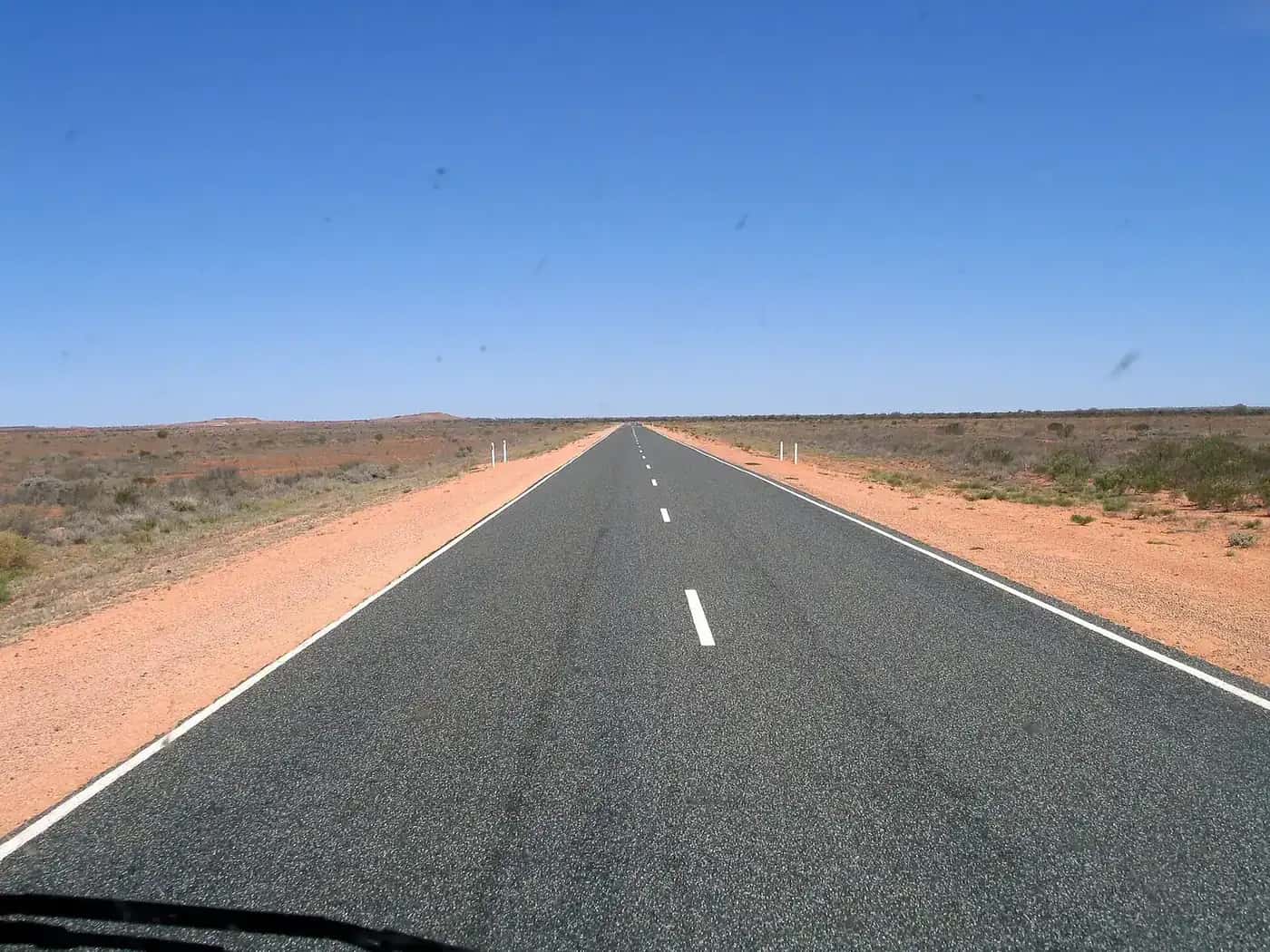
The Great Inland Way (Sydney to Cairns)
Drive the Great Inland Way from Sydney to Cairns: route, towns, sealed roads, distances and highlights from Lightning Ridge to Carnarvon Gorge.
Read · 4 min
Road trips
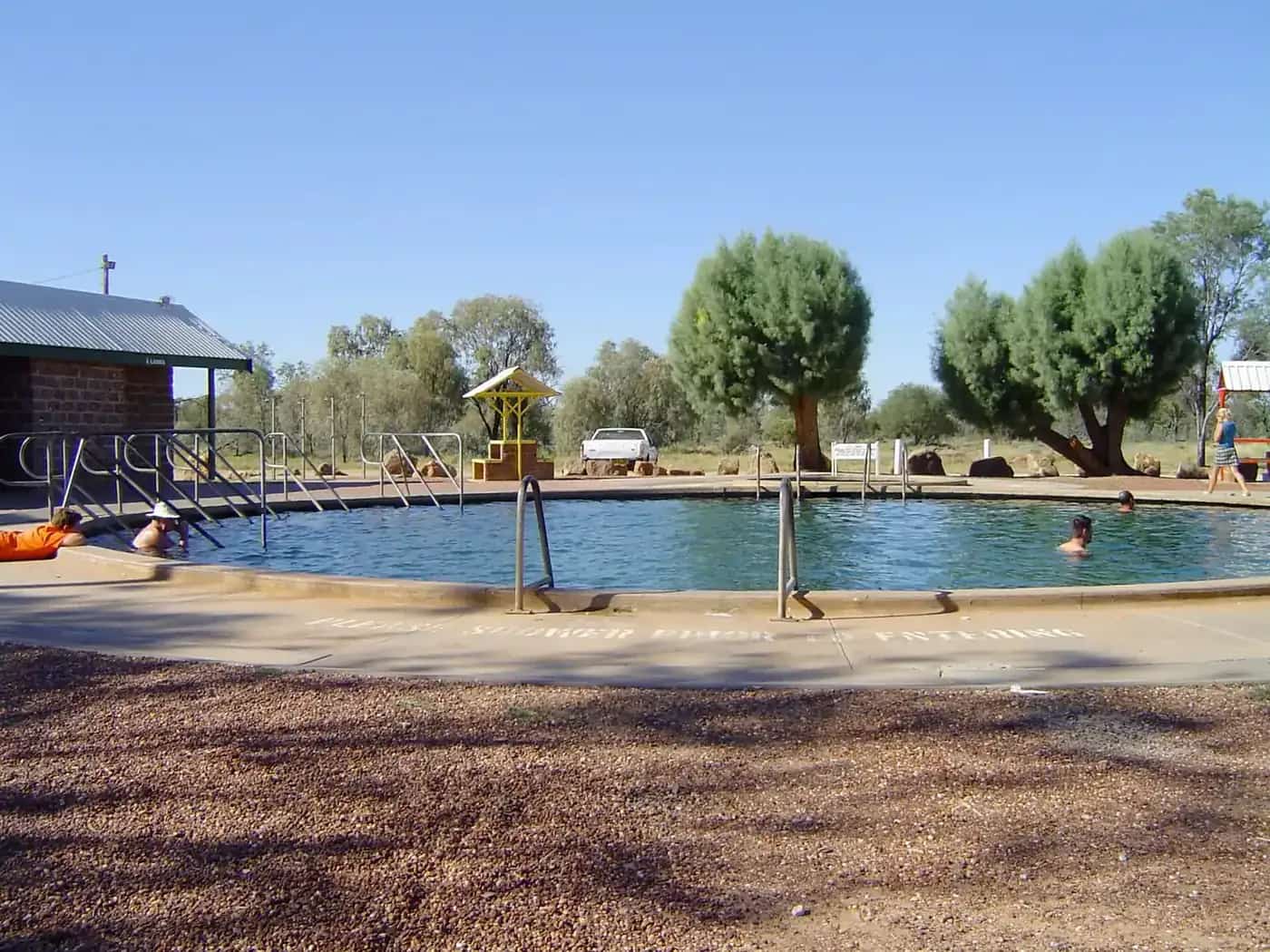
Great Artesian Spa Tour (bore baths of NSW and Queensland)
Tour the outback bore baths and artesian hot springs of NSW and Queensland: Moree, Lightning Ridge, Burren Junction, Mitchell, Charleville and Cunnamulla.
Read · 4 min
Road trips
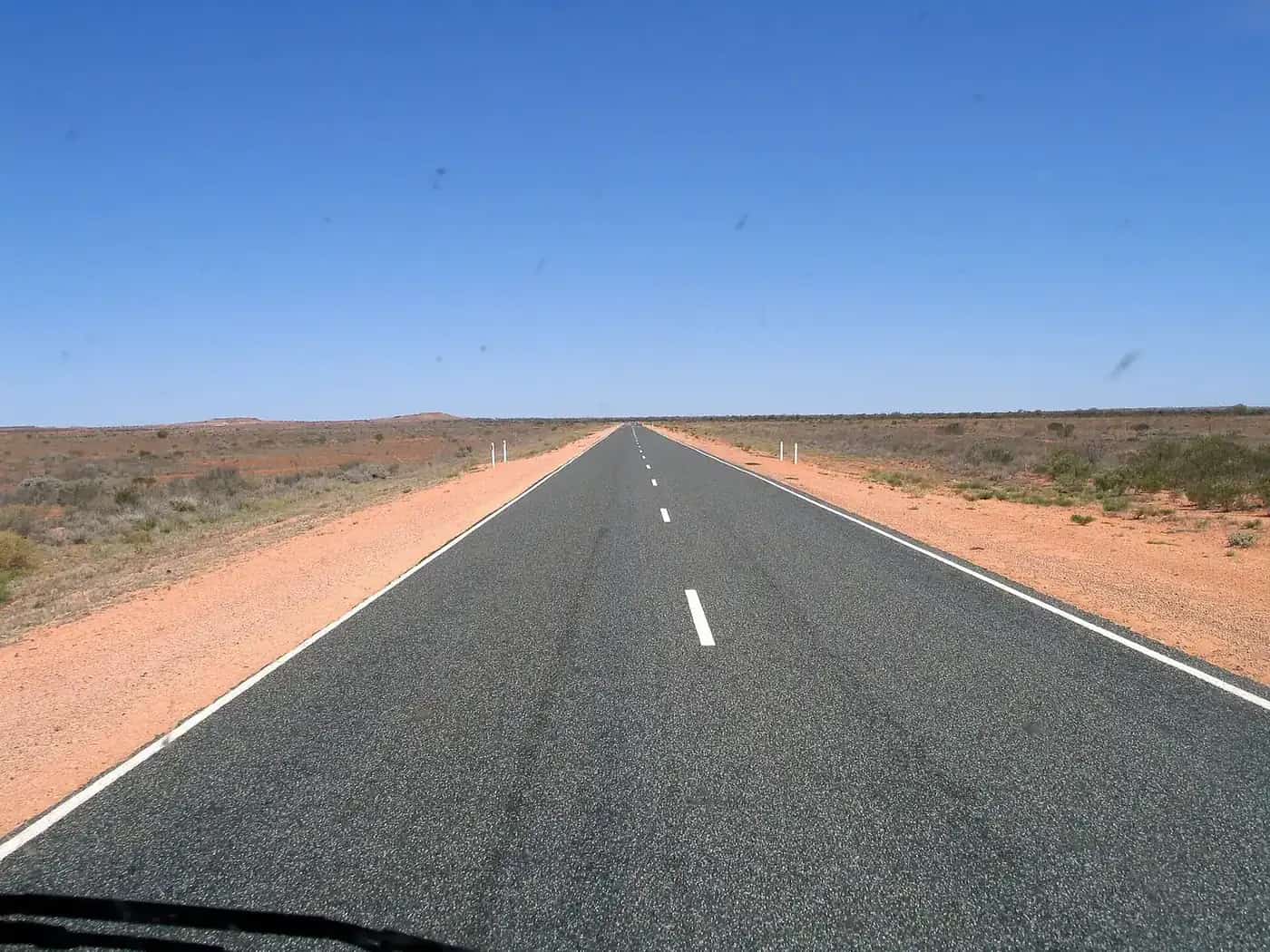
Adelaide to Darwin on the Stuart Highway
Drive Adelaide to Darwin on the sealed Stuart Highway (Explorers Way): where to stop, how many days, Coober Pedy, Uluru, Alice Springs and Katherine.
Read · 5 min
Road trips
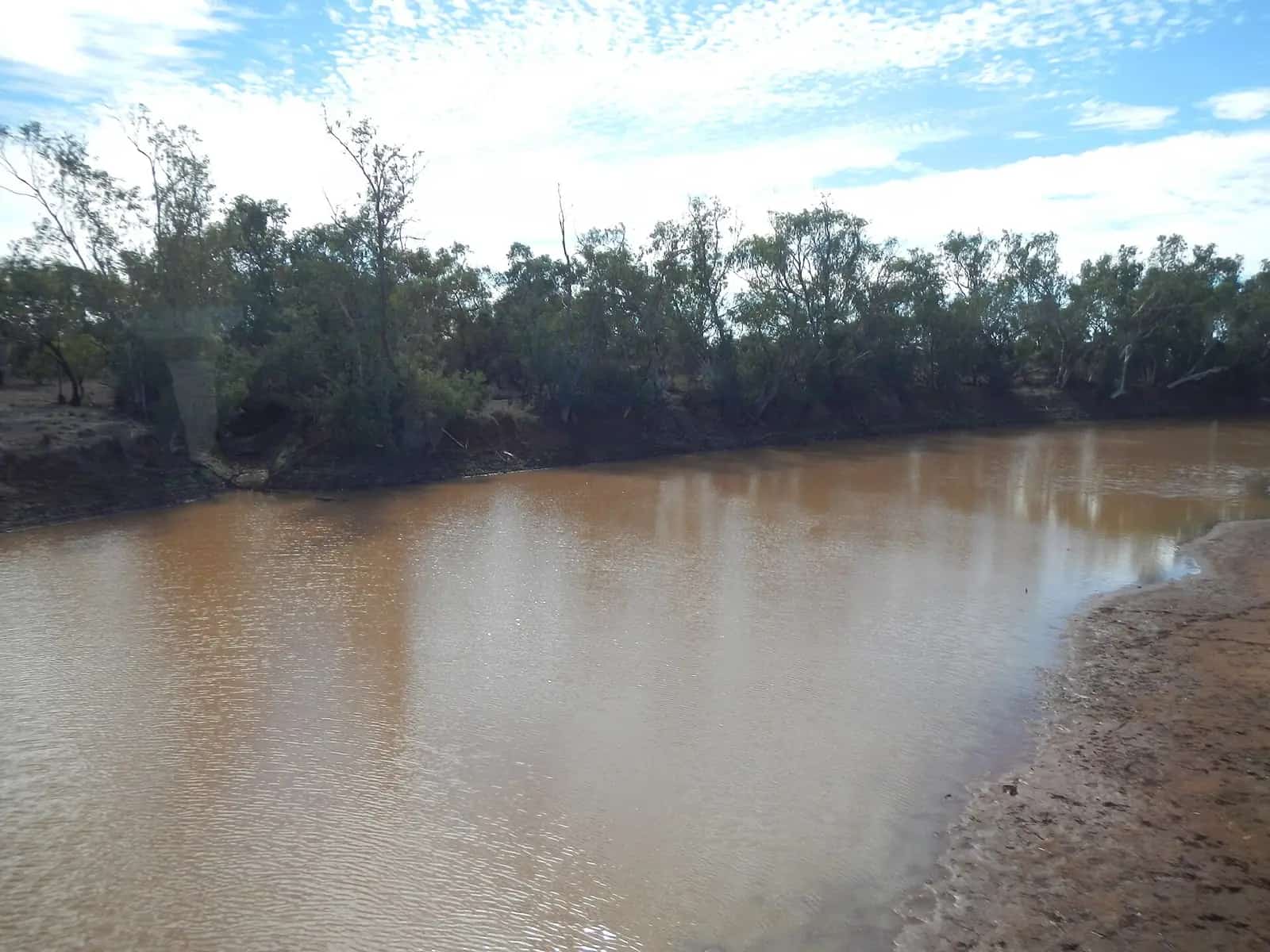
Sydney to Darwin through the outback
Drive Sydney to Darwin through the outback: the Matilda Way via Bourke, Charleville and Longreach, or via Narrabri and Roma, plus Brisbane and Melbourne.
Read · 4 min
Road trips
Perth to Darwin via the Pilbara and Kimberley
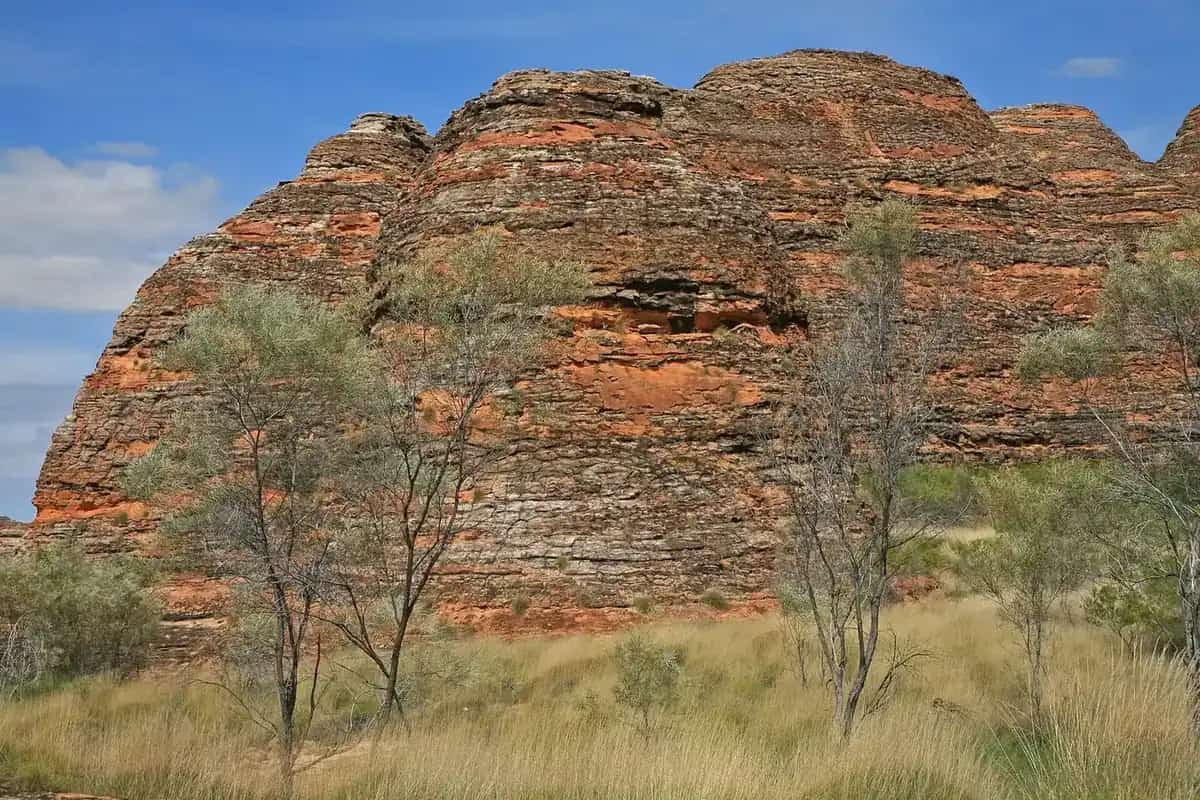
Drive Perth to Darwin: the inland Great Northern Highway via Mount Magnet and Karijini, or the coast via Broome, with Kununurra and the Bungle Bungles.
Read · 4 min
Road trips
The Savannah Way (Cairns to Broome)
Drive the Savannah Way from Cairns to Broome across northern Australia: route, sealed and unsealed sections, whether you need a 4WD and best season.
Read · 4 min
Road trips
The Adventure Way (Brisbane to Innamincka)
Drive the Adventure Way from Brisbane to Innamincka via Cunnamulla, Eulo, Thargomindah and Noccundra: route, sealed sections, bore baths and Cooper Creek.
Read · 4 min
Road trips · Queensland
The Matilda Way (Cunnamulla to Karumba)
Drive the Matilda Way through outback Queensland: about 1,812 km from Cunnamulla to Karumba via Charleville, Blackall, Barcaldine, Longreach, Winton and Cloncurry. Legs, highlights, and how long to allow.
Read · 5 min

Road trips · Northern Territory
Uluru itinerary – how many days you need
How many days do you need at Uluru? Two-, three- and four-day Uluru and Kata Tjuta itineraries with the base walk, Valley of the Winds, sunrise and sunset, the park pass, photography rules and the best month to go.
Read · 5 min
Road trips · Western Australia
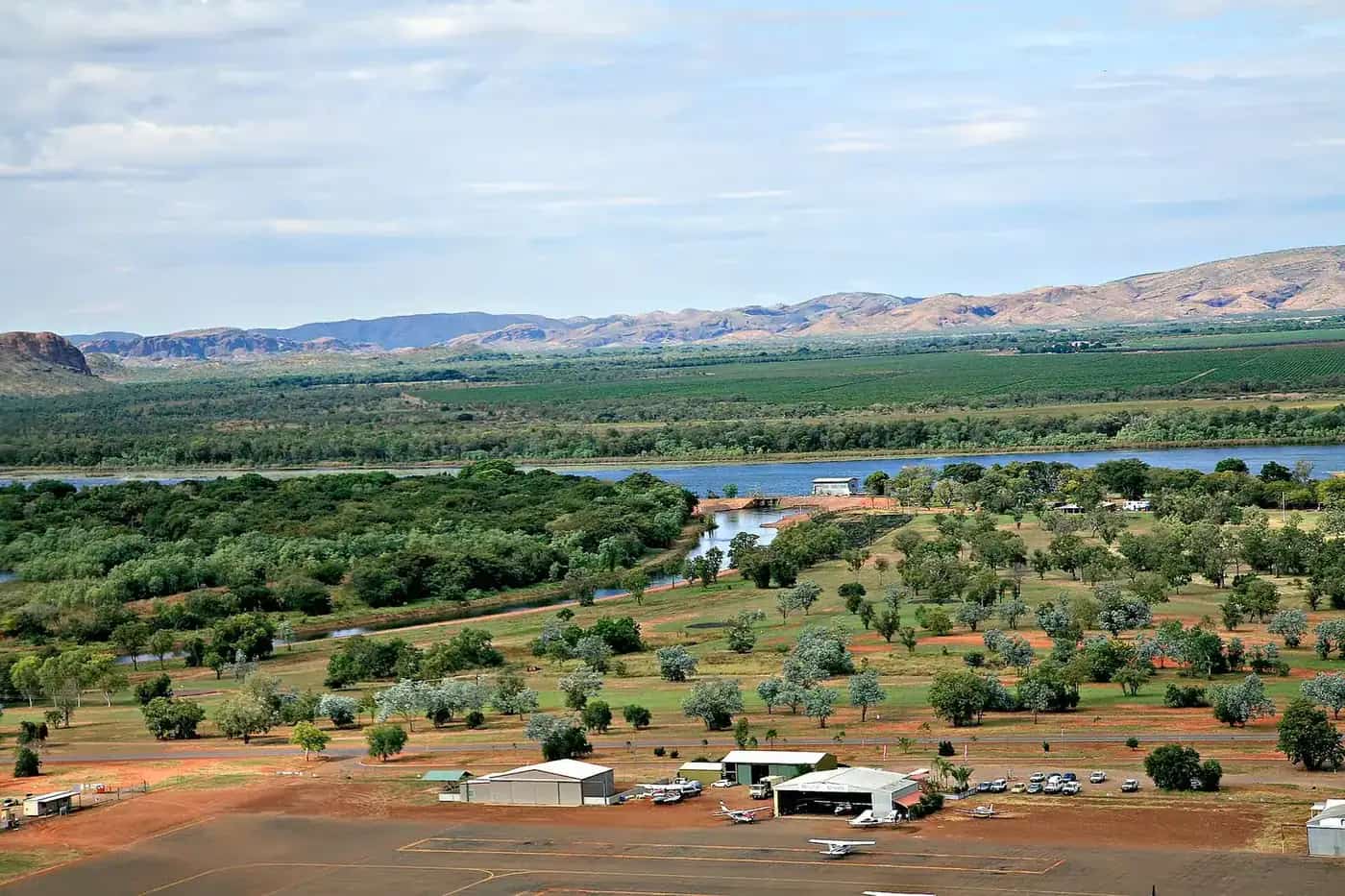
Kimberley road trip itineraries (7, 10 and 14 days)
Kimberley road trip itineraries for 7, 10 and 14 days: Broome to Kununurra via the Gibb River Road or the Great Northern Highway, with Purnululu, Windjana Gorge, El Questro and Lake Argyle. Seasons and vehicle advice.
Read · 5 min
Road trips · Itineraries
One-week outback itineraries
Five realistic one-week outback itineraries: the Red Centre loop, the Flinders Ranges, Broken Hill and Corner Country, central-west Queensland, and the east Kimberley. Daily plans, sealed or unsealed roads, and the best time to go.
Read · 5 min
Road trips · Itineraries
Two-week outback itineraries
Four two-week outback road trip itineraries: Adelaide to Alice Springs and Uluru, the Matilda Way, Broome to Kununurra, and an outback SA tracks loop. Day-by-day outlines, vehicles, seasons and planning tips.
Read · 5 min
Road trip
Crossing the Nullarbor on the Eyre Highway
How to drive across the Nullarbor Plain on the Eyre Highway: the 1,206 km Norseman–Ceduna crossing, all 13 fuel stops and the longest gaps, how many days to allow, quarantine rules, time zones, safety and the best months to go.
Read · 6 min
Road trip
The Outback Way (Laverton to Winton)
Driving the Outback Way, 'Australia's longest shortcut': about 2,720 km from Laverton (WA) to Winton (Qld) via Uluru and Alice Springs, how much is sealed, permits, fuel, how long to allow and where to check road conditions.
Read · 5 min
Road trip
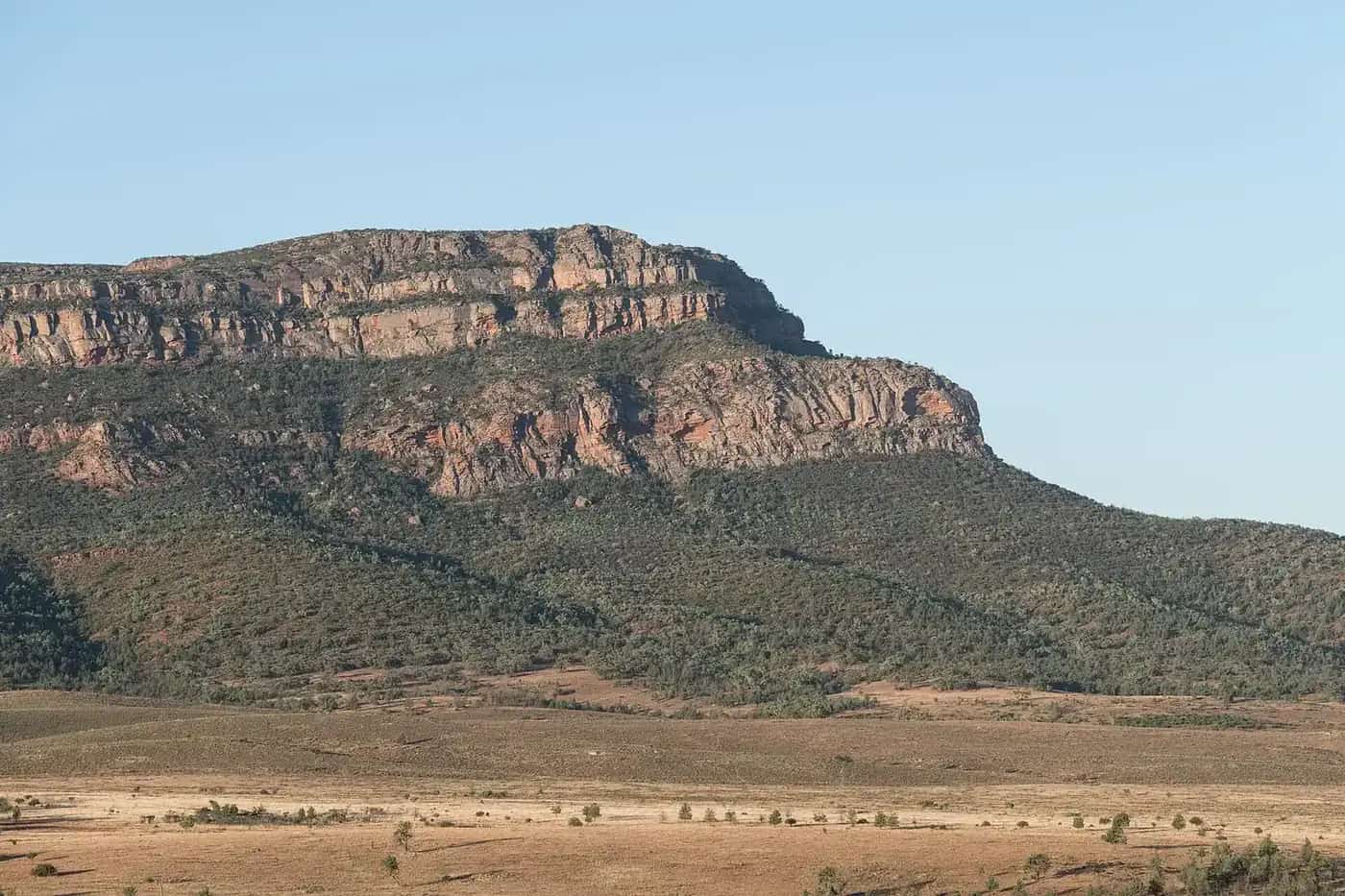
Flinders Ranges itineraries (3, 5 and 7 days)
How many days to spend in the Flinders Ranges, with 3-, 5- and 7-day self-drive itineraries from Adelaide covering Wilpena Pound (Ikara), Brachina and Bunyeroo gorges, Blinman, Parachilna and Arkaroola, plus park fees, roads and the best months.
Read · 5 min
Road trip
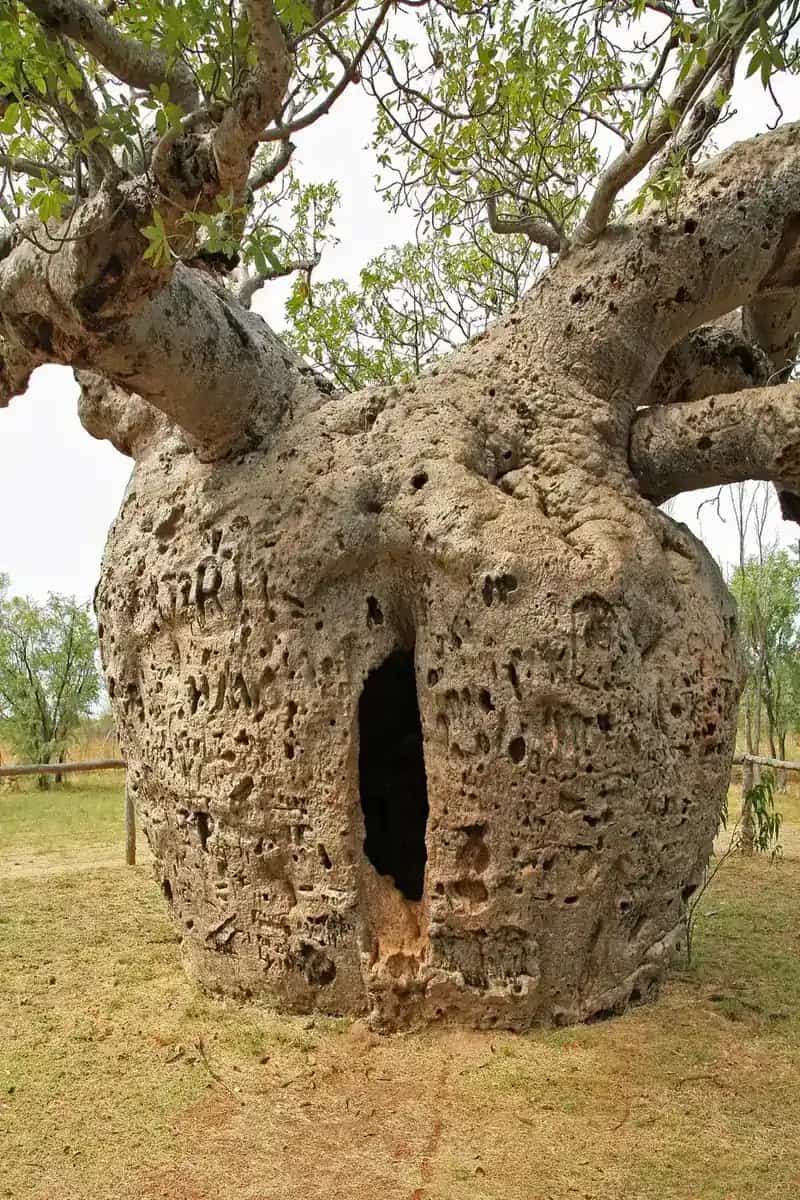
Gibb River Road itineraries (10, 14 and 21 days)
Planning the Gibb River Road: how long to allow, east-to-west versus west-to-east, 10-, 14- and 21-day itineraries, fuel on the Gibb, the best vehicle and when the road is open, based on Main Roads WA and Parks and Wildlife WA.
Read · 5 min

Road trip
Northern Territory road trip guide
Plan a Northern Territory road trip: Red Centre and Top End itineraries for 5, 7 and 10 days and 2 weeks, how many days you need, the Stuart Highway, park passes for Uluru, Kakadu and NT parks, seasons, fuel and the best things to see.
Read · 4 min
Road trip
The Stuart Highway
Drive the Stuart Highway, 'the Track', from Port Augusta to Darwin: about 2,720 km through Coober Pedy, Alice Springs, Tennant Creek and Katherine. Covers how long it takes, key stops, NT speed limits, fuel, road trains, wildlife and the best time to go.
Read · 4 min
Road trip
Outback Queensland road trip guide
Plan an outback Queensland road trip: the Matilda Way, Adventure Way, Great Inland Way, Overlanders Way and Savannah Way, 7- and 14-day itineraries from Brisbane, the best outback Queensland towns, dinosaurs, Qantas and Stockman's heritage, seasons and road safety.
Read · 4 min
Road trip
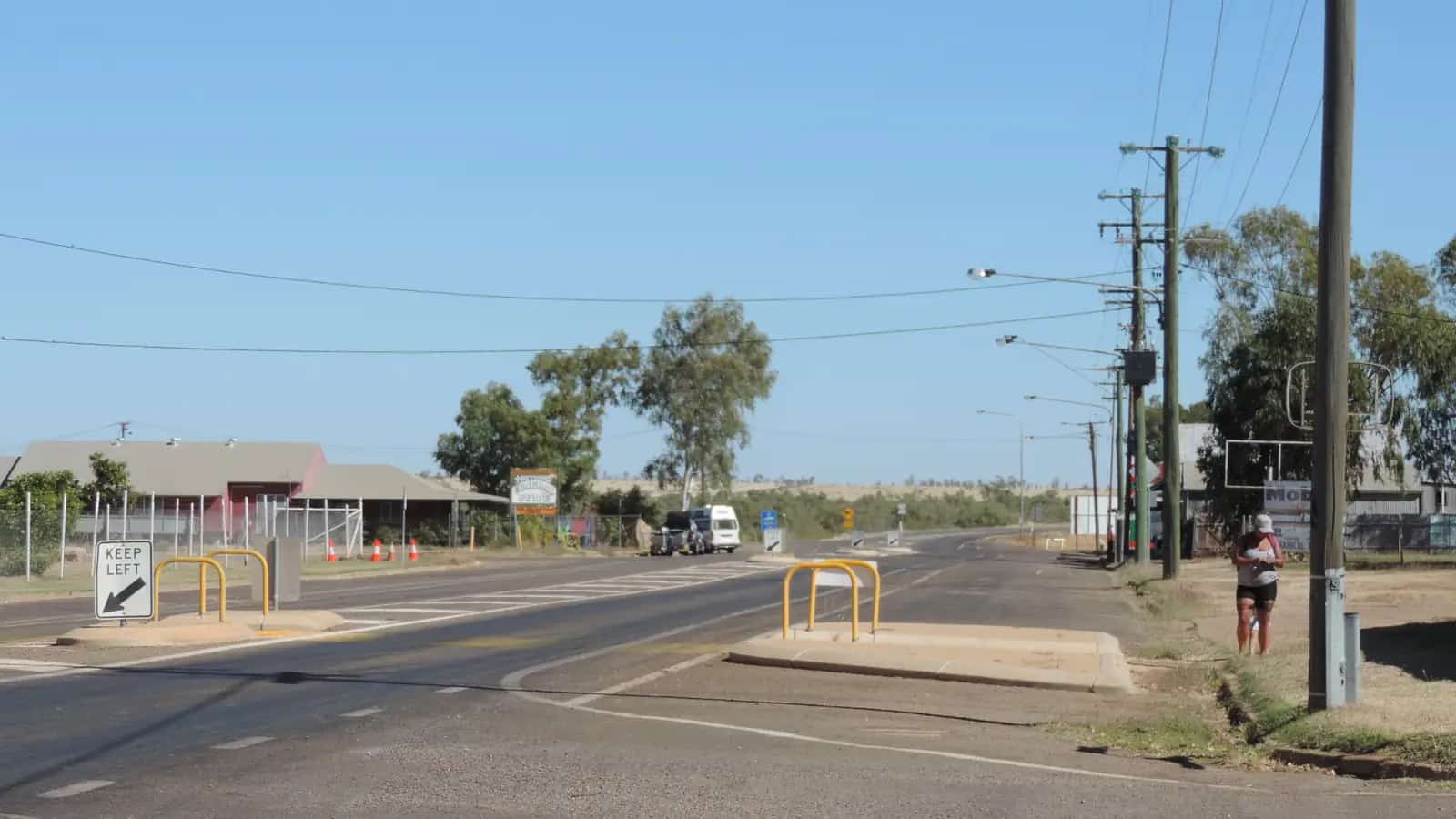
The Barkly Highway
Drive the Barkly Highway from Three Ways near Tennant Creek to Mount Isa and Cloncurry: distances, fuel at Barkly Homestead and Camooweal, the Barkly Tableland, road trains, wildlife, the best time to go and where to stay along the way.
Read · 4 min
Road trip
Outback NSW road trip guide
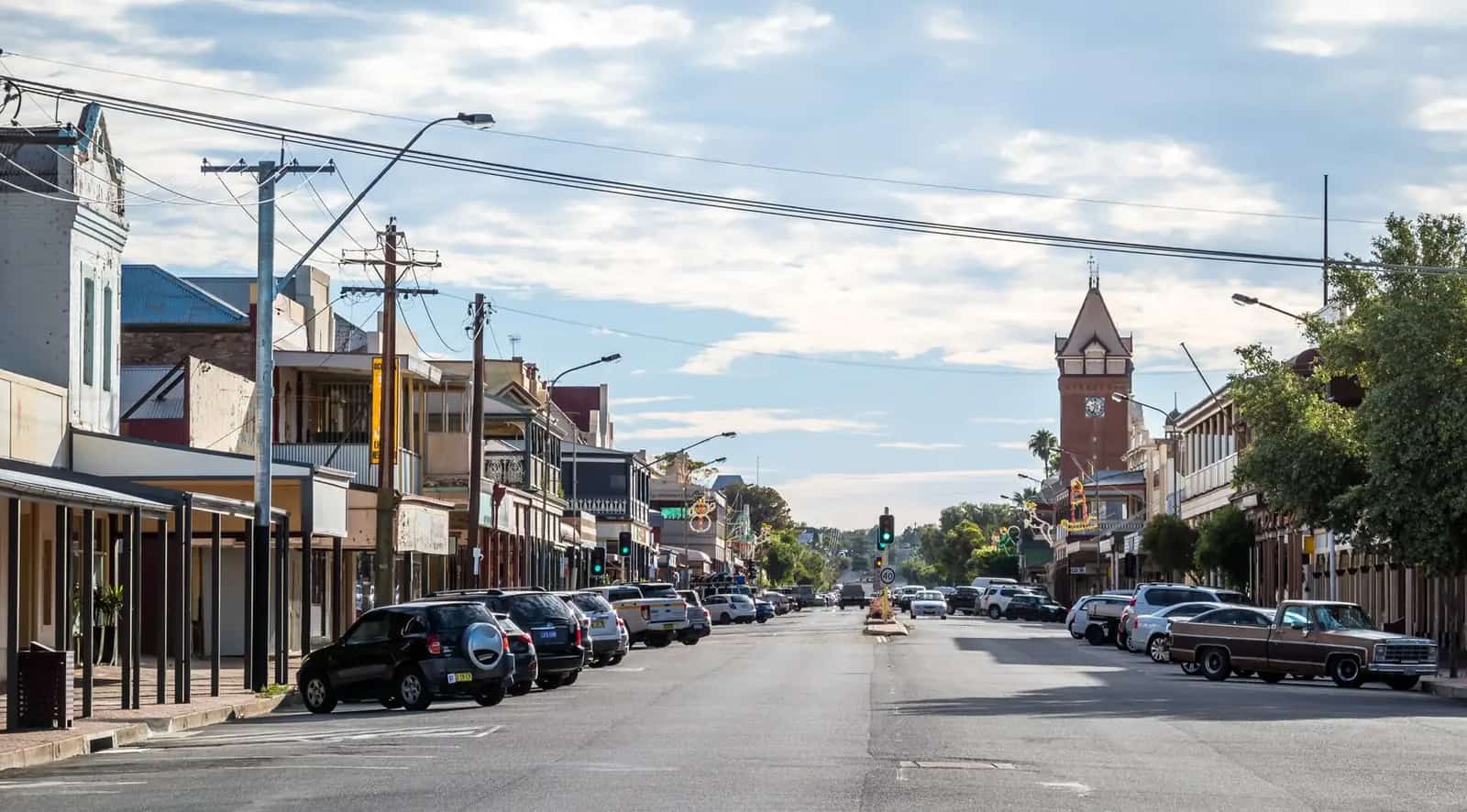
Plan an outback New South Wales road trip: a 7-day itinerary from Sydney, a 10-day loop through Broken Hill, Mungo, Menindee and White Cliffs, Corner Country, Lightning Ridge and Bourke, national parks, roads and the best time to go.
Read · 4 min
Road trip
The Darling River Run
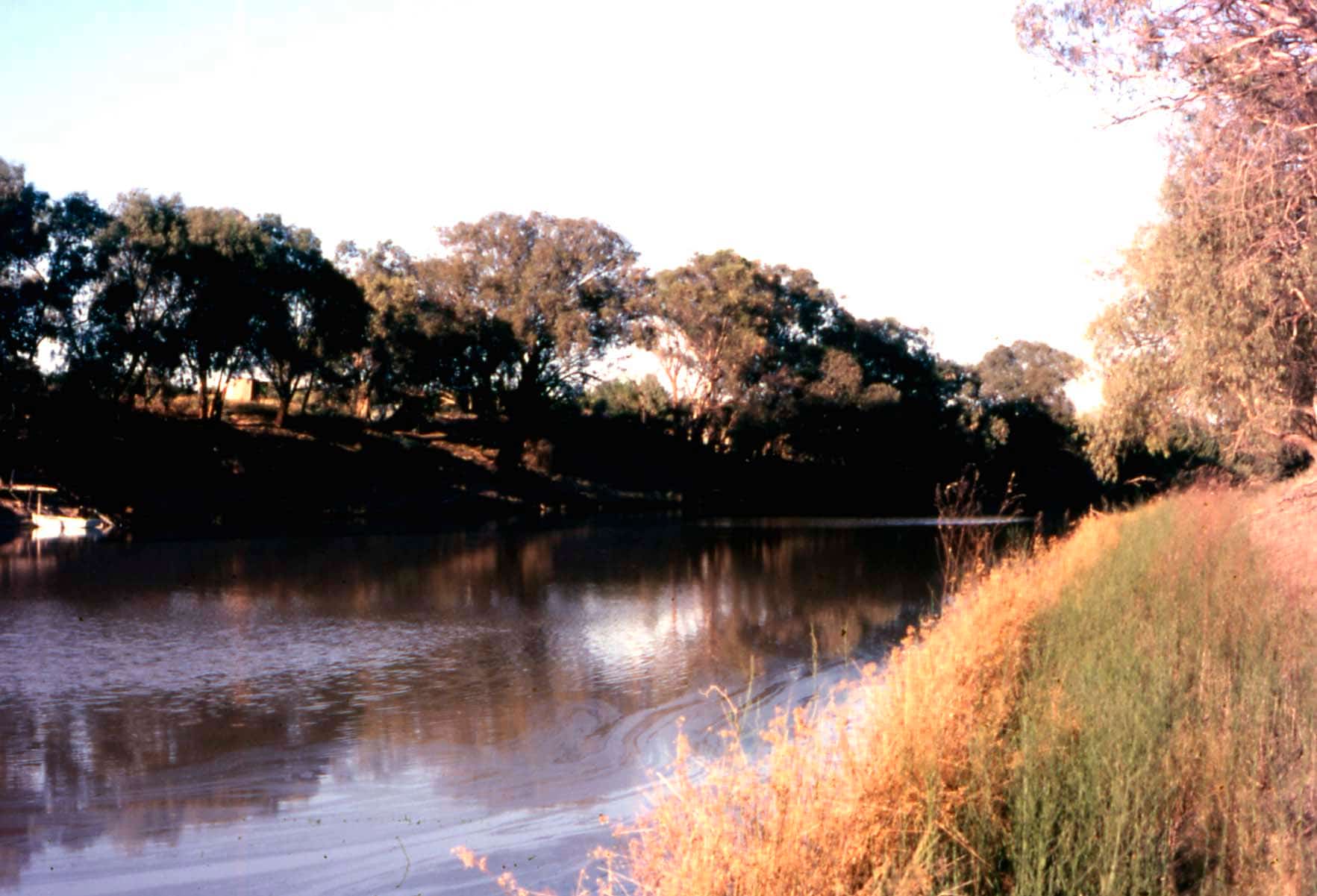
Plan the Darling River Run (Baaka) in outback NSW: the roughly 950 km route from Brewarrina to Wentworth via Bourke, Louth, Tilpa, Wilcannia, Menindee and Pooncarie, how many days to allow, 2WD and caravan suitability, fuel stops, camping, national parks, the best time to go and checking road closures.
Read · 4 min

Road trip
Outback South Australia road trip guide
Plan an outback South Australia road trip: the Flinders Ranges, Coober Pedy, the Oodnadatta, Birdsville and Strzelecki tracks, Lake Eyre, the Gawler Ranges and the Nullarbor, with 7-, 10- and 14-day itineraries from Adelaide, seasons, roads and the best experiences.
Read · 4 min
Road trip
Outback Western Australia road trip guide
Plan an outback Western Australia road trip: the Goldfields, the Pilbara's Karijini and Millstream, the Kimberley's Gibb River Road and Bungle Bungles, Perth to Broome and Darwin, 7- to 21-day itineraries, distances, seasons, fuel and road safety.
Read · 4 min
Frequently asked questions
What is the most beautiful outback road trip in Australia?
Many travellers rate the Explorers Way (Adelaide to Darwin via Coober Pedy and Alice Springs), the Savannah Way across the Top End and the Kimberley's Gibb River Road as the most spectacular. For sealed roads closer to the east coast, the Great Inland Way and the Matilda Way through outback Queensland are excellent.
How long does an outback road trip take?
Allow at least a week for a regional loop and two to three weeks for a crossing such as Adelaide to Darwin or Perth to Darwin. Daily distances of 300 to 500 km leave time for stops and avoid driving at dawn and dusk.
Are outback highways sealed?
Major routes such as the Stuart, Barrier, Mitchell, Landsborough, Barkly and Great Northern highways are sealed. Many tracks and shortcuts are not, and they can close after rain. Each itinerary notes which sections are unsealed.
Can I take a caravan on an outback road trip?
Yes on sealed highways, and many caravanners do. Check that your rig is serviced, carry spares, watch for road trains and avoid unsealed roads unless your van is built for off-road use.
Sources and further reading
Facts on this page were checked against these primary and official sources. Conditions change — confirm before you travel or buy.
- Planning a safe trip — RACQ
- Road trains and heavy vehicles — National Heavy Vehicle Regulator
- Road report NT — Northern Territory Government