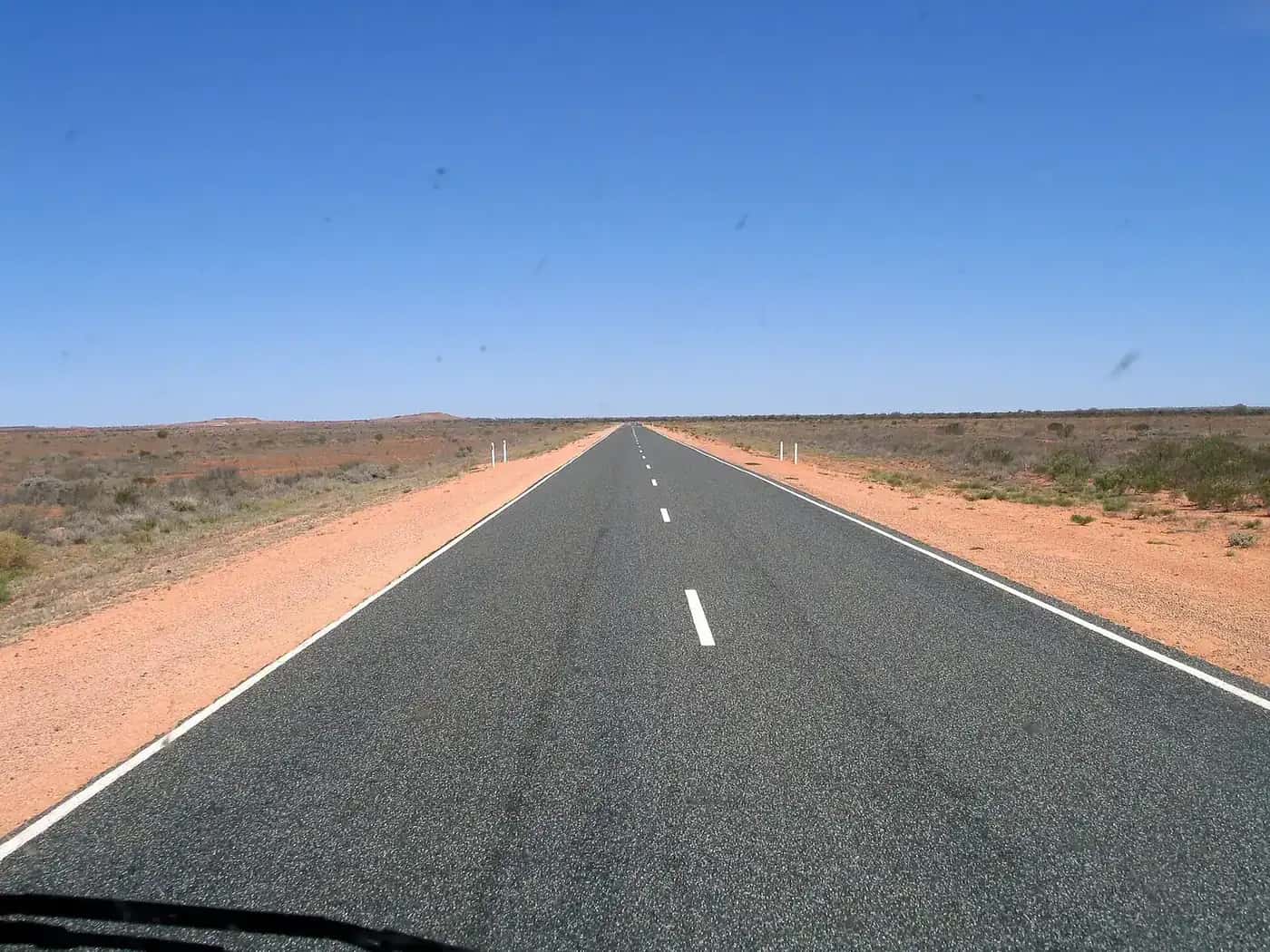
The outback's human history begins with Aboriginal people, whose presence stretches back tens of thousands of years — evidence at Mungo National Park is among the oldest in Australia. The history of the past two centuries brought exploration, pastoralism, mining and communications, often at great cost to Aboriginal people.
Guides
- Burke and Wills
- The Overland Telegraph Line
- The cameleers
- Droving and the stock routes
- The Royal Flying Doctor Service
- The Great Artesian Basin
- Arltunga goldfield
- Brewarrina Fish Traps (Baiame's Ngunnhu)
Deep time: Aboriginal history
Aboriginal history in inland Australia stretches back tens of thousands of years. At Mungo National Park, in the Willandra Lakes Region World Heritage Area, remains known as Mungo Lady and Mungo Man are among the oldest human remains found in Australia, and archaeologists describe a long record of life around lakes that have since dried. Across the outback, rock art, stone arrangements, quarries, fish traps and campsites show how people lived with Country through dramatic changes in climate. Places such as the Baiame's Ngunnhu fish traps at Brewarrina and the rock art at Mutawintji remain significant to their Traditional Owners today. Our Aboriginal culture section covers this living heritage.
Exploration
European exploration of the inland began in earnest in the early nineteenth century. Explorers such as Charles Sturt, who searched for an inland sea in the 1840s, Ludwig Leichhardt, who disappeared in 1848, Edward Eyre and John McDouall Stuart pushed into country that was already mapped in the knowledge of its Aboriginal owners, and they often depended on Aboriginal guides and waterholes to survive. The most famous expedition, Burke and Wills, ended in tragedy on Cooper Creek in 1861. Stuart's successful south–north crossing in 1862 laid the route later followed by the Overland Telegraph Line and, much later, the Stuart Highway.
Pastoralism
Sheep and cattle followed the explorers. Pastoral leases spread across western New South Wales, Queensland, South Australia, the Northern Territory and Western Australia in the second half of the nineteenth century. Huge stations were established, and overlanders drove stock vast distances to stock new country — see Droving and the stock routes. Pastoral expansion brought violent conflict and dispossession for Aboriginal people, many of whom were then employed on stations for rations rather than wages. Drilling into the Great Artesian Basin from the 1880s gave pastoralists reliable water and reshaped the inland.
The shearers' strikes of the early 1890s were a turning point in Australian labour history. Strikers met under the Tree of Knowledge in Barcaldine, and the town is closely associated with the origins of the Australian Labor Party. A few years later, in 1895, "Waltzing Matilda" was written near Winton.
Mining
Minerals drew people into the harshest country. Silver, lead and zinc at Broken Hill from the 1880s, gold at Coolgardie and Kalgoorlie in Western Australia in the 1890s, copper at Cobar, opal at Coober Pedy, White Cliffs and Lightning Ridge, and later the vast deposits of Mount Isa and the Pilbara built towns and fortunes. Many settlements boomed and faded; ghost towns such as Silverton and Milparinka are reminders.
Transport and communications
Camel trains run by cameleers carried goods across the deserts before railways and roads. Cobb & Co coaches linked Queensland towns, and the railways crept inland. In the twentieth century, aviation transformed outback life: Qantas was founded in western Queensland in 1920 (see the Qantas Founders Museum), and the Royal Flying Doctor Service took to the air in 1928. Radio brought the School of the Air to children on remote stations.
Rights and recognition
The second half of the twentieth century brought major change. The 1966 Wave Hill walk-off by Gurindji stockmen and their families began a campaign that led to the first major land handback in 1975 and helped bring about the Aboriginal Land Rights (Northern Territory) Act 1976. The 1967 referendum, the Mabo decision of 1992 and the Native Title Act 1993 changed how land and rights are recognised. Today many outback parks are jointly managed with Traditional Owners.
Where to learn more
Local museums and heritage centres hold the best collections. Highlights include the Australian Stockman's Hall of Fame in Longreach, the Alice Springs Telegraph Station, RFDS visitor centres, and the historic sites managed by state parks agencies. For itineraries built around heritage, see the Longreach heritage guide.
Visiting historic sites responsibly
Many outback heritage sites are fragile and unattended. Ruins, graves, old wells and machinery are protected under state heritage laws, and Aboriginal sites are protected under separate legislation. Look but don't take: leave bottles, nails and relics where they lie, don't climb on unstable walls, and stay out of mine shafts and old workings. Report damage to the managing agency or council. Many small towns run volunteer-staffed museums with limited opening hours; ring ahead and leave a donation if there is no entry fee.
Reading about the outback
State libraries and the National Library of Australia's Trove database hold digitised newspapers, diaries and photographs that bring outback history to life, and local historical societies publish town histories that are often sold at visitor centres.
Education by radio and now the internet: see School of the Air.
Guides in this section
History
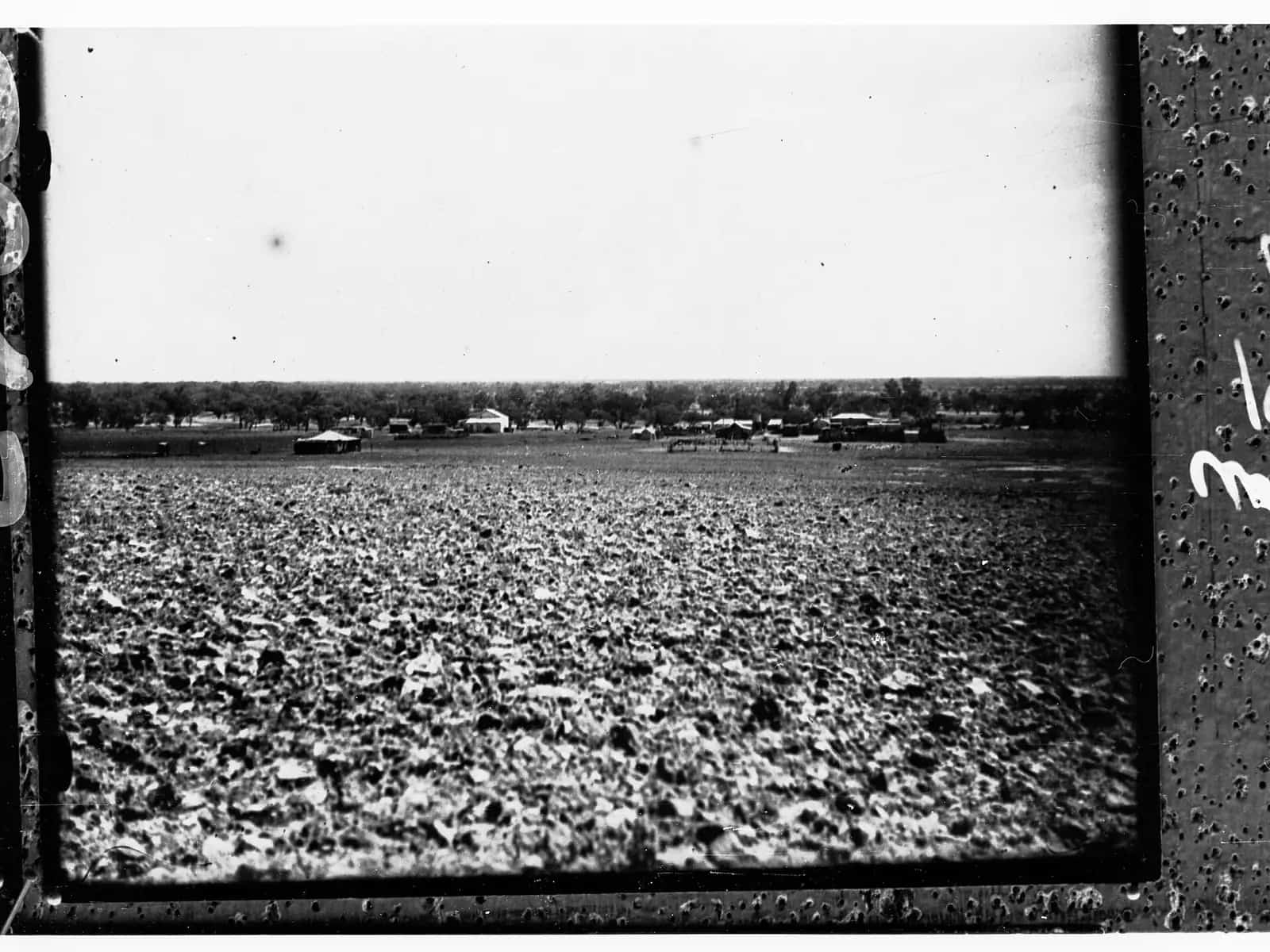
Burke and Wills
The Burke and Wills expedition of 1860–61: Melbourne to the Gulf, the Dig Tree, the deaths on Cooper Creek and the sites you can visit today.
Read · 4 min
History
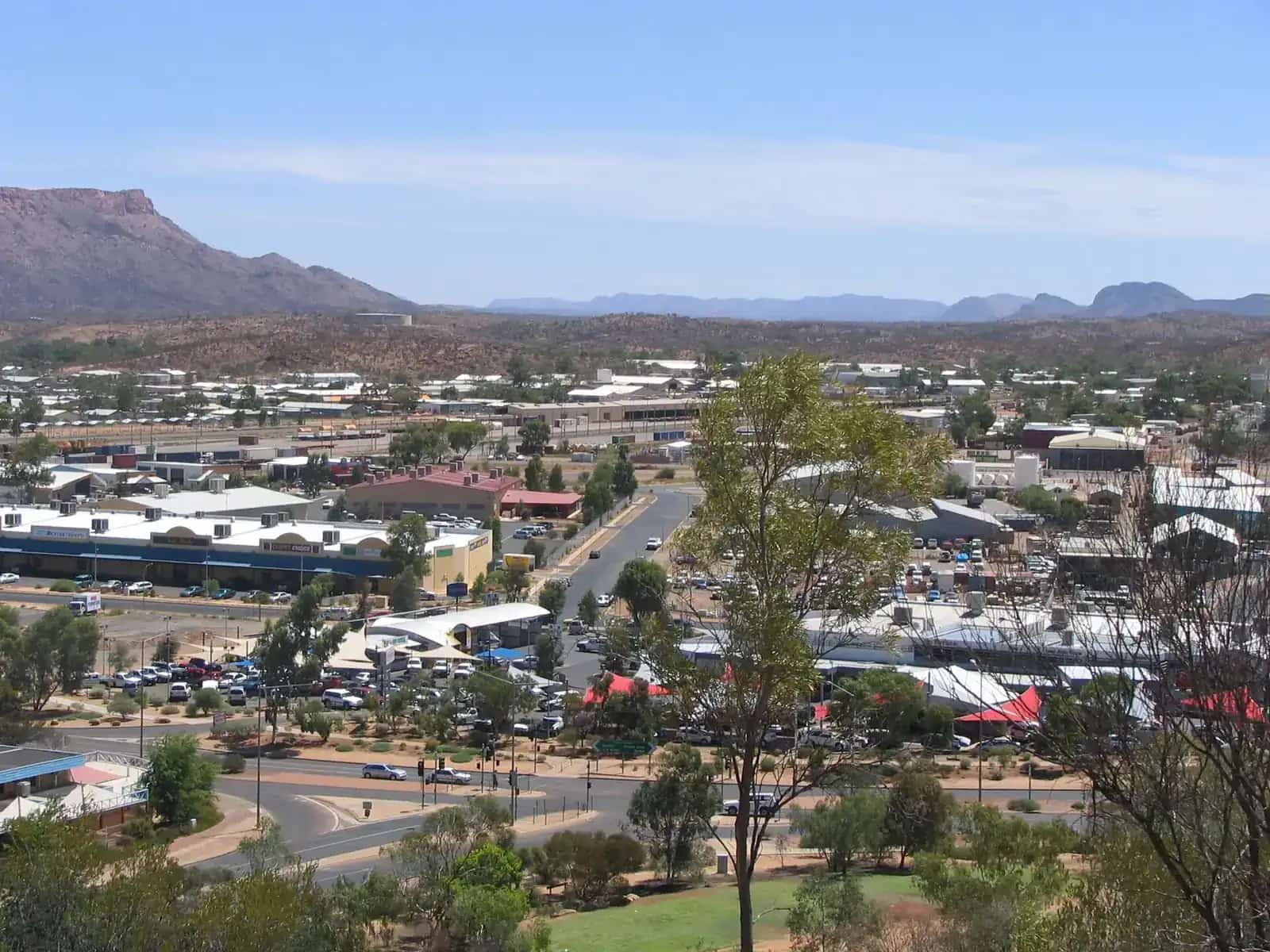
The Overland Telegraph Line
The Overland Telegraph Line of 1870–72, linking Adelaide and Darwin and Australia to the world, and the restored telegraph stations you can visit today.
Read · 4 min
History
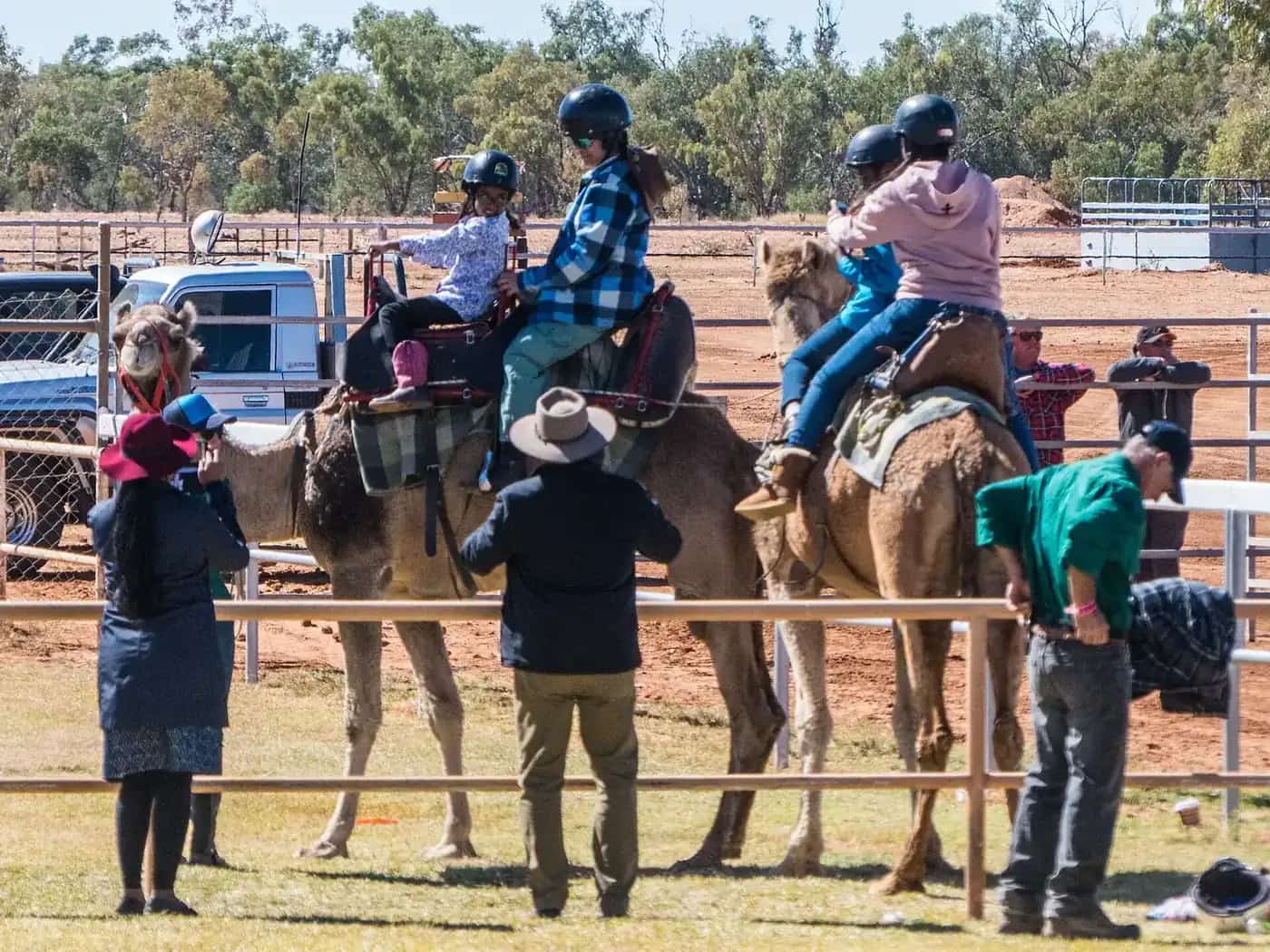
The cameleers
The cameleers who worked in outback Australia from the 1860s to the 1930s, their role in inland transport and the places that remember them.
Read · 4 min
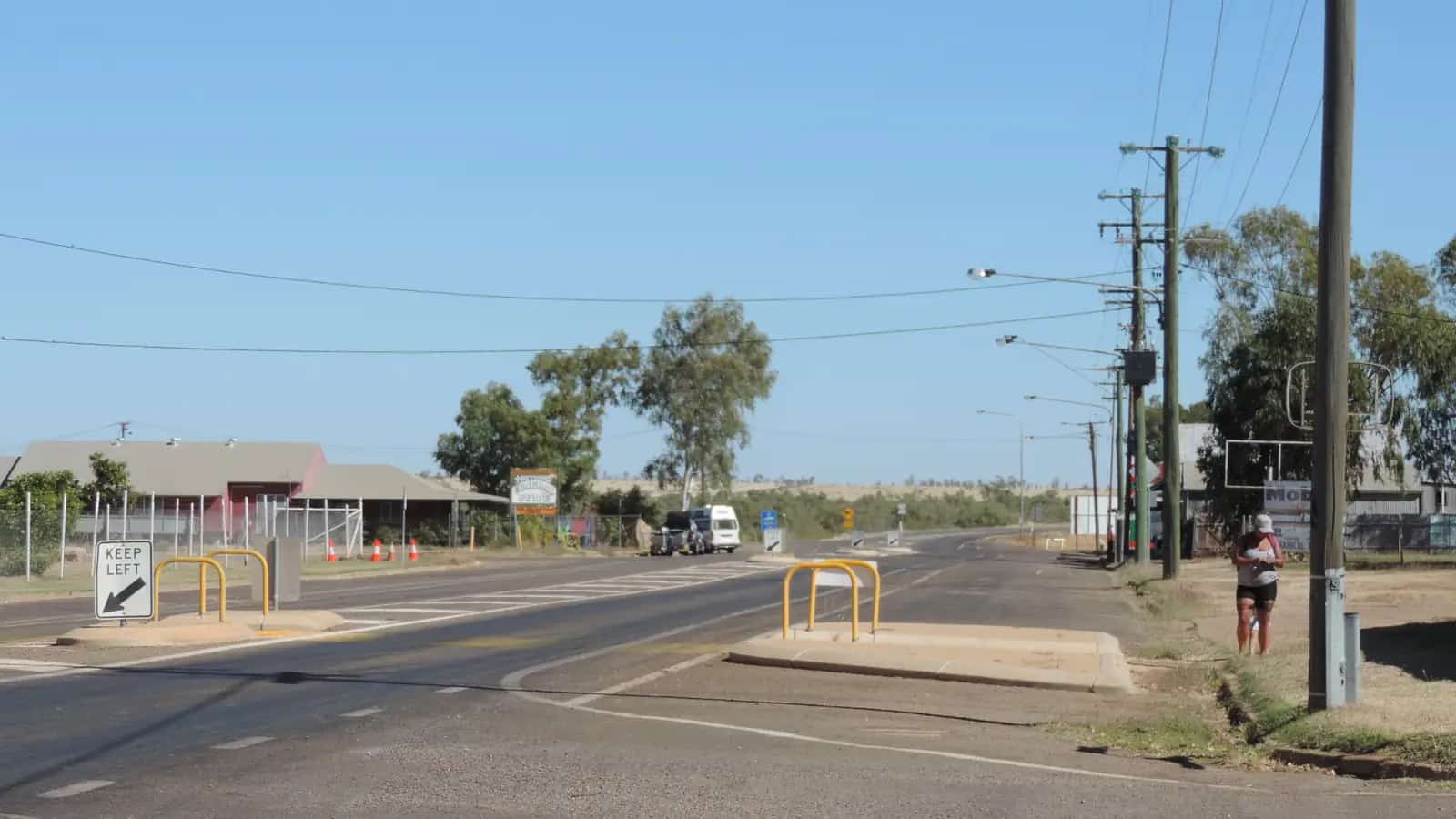
History
Droving and the stock routes
The history of droving in outback Australia: the great stock routes, the drovers and their camps, Aboriginal stockmen and women.
Read · 4 min
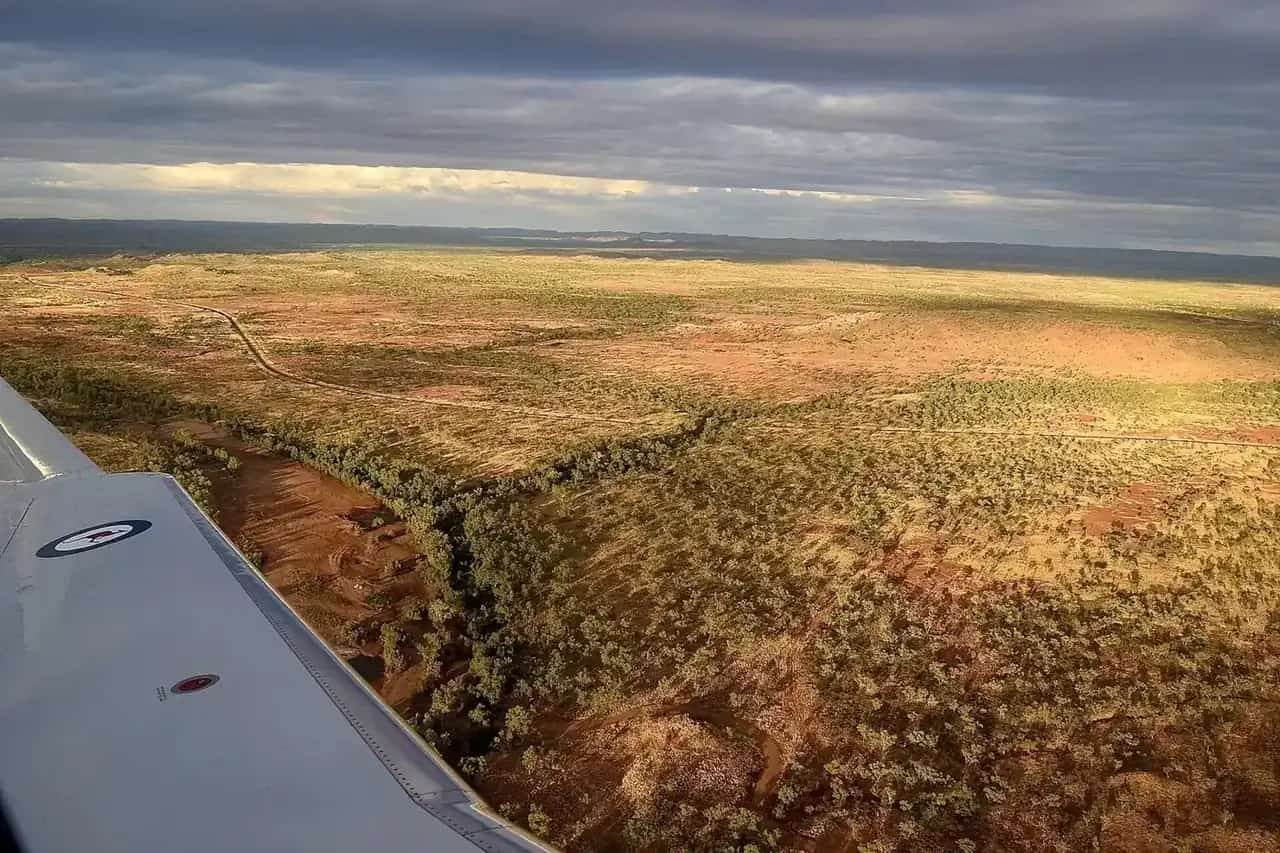
History
The Royal Flying Doctor Service
The history of the Royal Flying Doctor Service, from John Flynn's vision and the 1928 first flight from Cloncurry to today's aeromedical service.
Read · 4 min
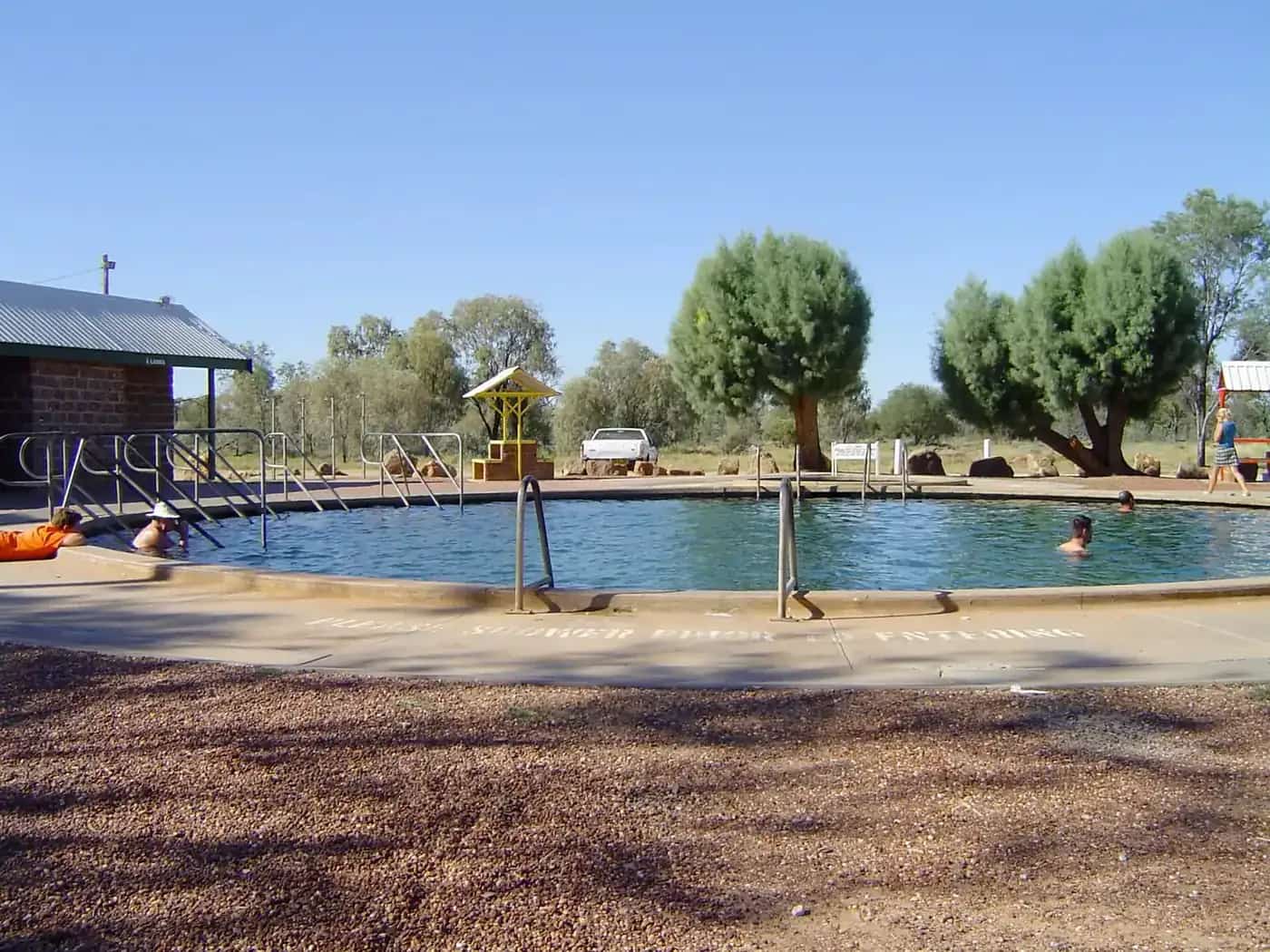
History
The Great Artesian Basin
The Great Artesian Basin explained: how it works, the bores that opened the outback, mound springs, hot artesian pools and efforts to conserve its water.
Read · 4 min
Outback history
Arltunga Historical Reserve
Visit Arltunga Historical Reserve in the East MacDonnell Ranges, 110 km east of Alice Springs: Central Australia's first town, born from an 1887 gold rush. Covers the visitor centre, the Government Battery and Cyanide Works, self-guided mine walks, the unsealed access road, fossicking rules, and where to stay nearby.
Read · 3 min
Outback history
School of the Air
The story of the School of the Air, the world's first, which opened in Alice Springs on 8 June 1951: Adelaide Miethke's idea, the Flying Doctor radio network, how lessons moved from HF radio to satellite in 2006, how it works today, and how to visit the Alice Springs School of the Air Visitor Centre.
Read · 4 min
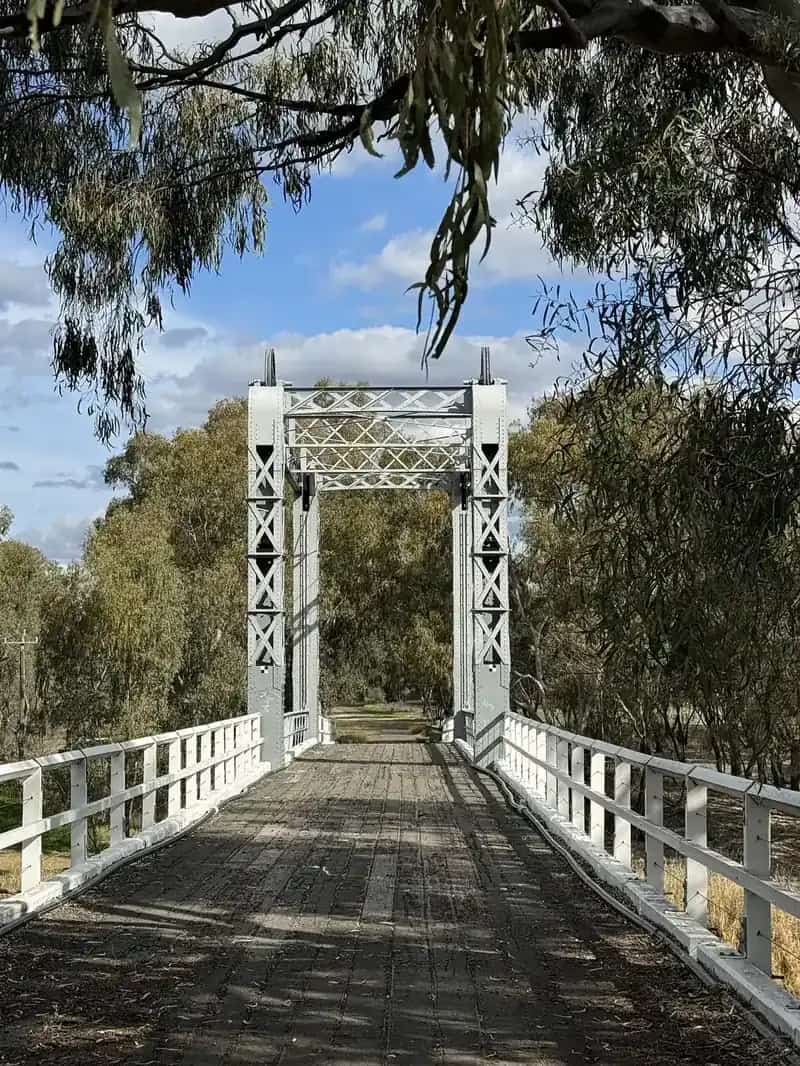
Outback NSW history
Brewarrina Fish Traps (Baiame's Ngunnhu)
Discover Baiame's Ngunnhu, the National Heritage-listed Brewarrina Aboriginal Fish Traps on the Barwon River: the Baiame creation story, how the dry-stone weirs and ponds catch fish, how old they are, the nations who shared them, and how to visit with a local Aboriginal guide.
Read · 5 min
Frequently asked questions
How long have Aboriginal people lived in the outback?
Archaeological evidence such as the finds at Lake Mungo shows people have lived in inland Australia for more than 40,000 years, and Aboriginal people's own histories speak of continuous connection to Country.
Sources and further reading
Facts on this page were checked against these primary and official sources. Conditions change — confirm before you travel or buy.
- Mungo National Park — NSW National Parks and Wildlife Service
- National Library of Australia — National Library of Australia