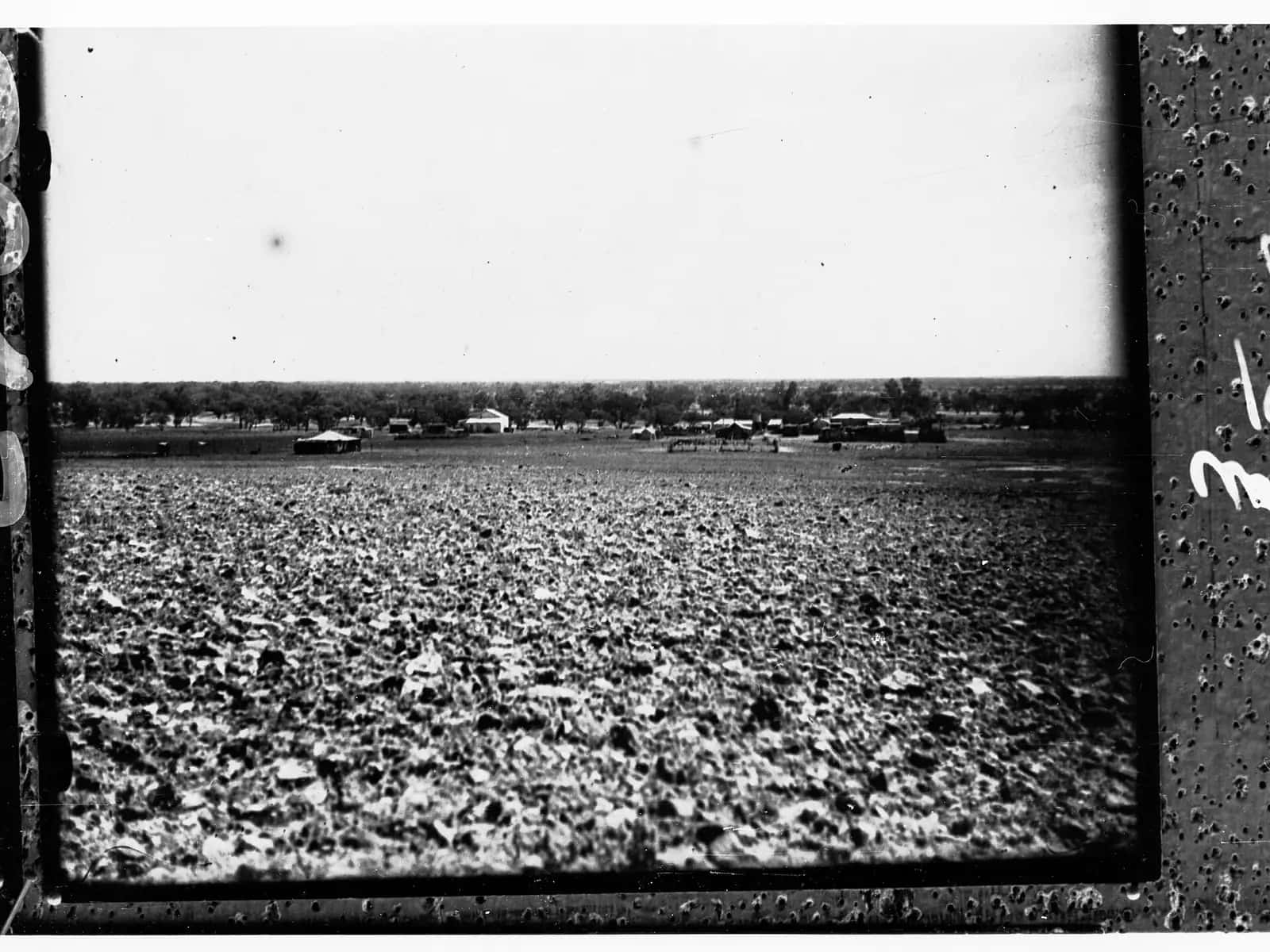
Current closure: National Parks SA says Malkumba-Coongie Lakes National Park and significant parts of Innamincka Regional Reserve are closed until further notice because of a major flooding event. Check the park page and the latest Desert Parks Bulletin before planning a visit.
National Parks and Wildlife Service South Australia calls Malkumba-Coongie Lakes "one of the most spectacular of South Australia's natural attractions". It is a pristine water world of channels, waterholes, lakes, internal deltas, shallow floodplains, interdune corridors and swamps, set among red sand dunes. To keep it a genuine wilderness, motorboats, camp fires, fishing and generators are not permitted.
Floods and the Cooper
National Parks SA explains that monsoonal rain falling in central Queensland flows through the Barcoo, Thomson and Wilson rivers into the Cooper Creek system. In extreme floods, it says, much of this corner of the state becomes "a huge lake". During major floods, Coongie Lakes overflow onto the western floodplains, and floodwaters can reach Kati Thanda-Lake Eyre. The same floods are why the park is closed now.
Birds and wildlife
Coongie Lakes is listed as a Ramsar wetland of international importance. National Parks SA says the wetlands are home to 205 bird species, including 87 waterbird or wetland-dependent species, 45 of which breed here. Twenty-four of them are rare, vulnerable or endangered in South Australia. Every year, millions of migratory wading birds fly more than 25,000 km along a chain of wetlands, and they visit Coongie Lakes from December to April to feed and shelter. The wetlands also support fish, reptiles and frogs. See our birdwatching guide.
Plants
The vegetation changes with the water. Northern river red gums grow where water is permanent, with dense lignum thickets beneath. Elsewhere, flooding frequency and soil type decide whether you see grasses and herbs or low open coolabah woodland. The sand dunes can be up to 15 m tall, with narrow-leaved hop-bush, sandhill wattle and sandhill cane-grass.
Yandruwandha and Yawarrawarrka Country
National Parks SA says Coongie Lakes and its wetlands are a spiritual site for Aboriginal people, and were crucial to sustaining Aboriginal populations, especially after floods. The Yandruwandha and Yawarrawarrka people have lived here for thousands of years and keep a strong presence in the area.
The Yandruwandha Yawarrawarrka Parks Advisory Committee says its people kept their language and stories despite the loss of Country, and want to share them with visitors. The park's 2014 management plan sets out three zones: Heritage and Conservation, Living and Camping, and Fishing. The zones allow community members to carry out traditional activities.
Visiting when the park reopens
- Access. About 100 km north-west of Innamincka, along the Strzelecki Track via Leigh Creek. Check the Desert Parks Bulletin for current access and road conditions.
- Best time. National Parks SA says April and October are the best months for weather and scenery. November to February can be very hot and dry. A few weeks after soaking rain, you may see ephemeral wildflowers and hear frogs in the creeks.
- Facilities. Toilets are available at the Coongie Lake day visitor and campground area on Cooper Creek. Camping on the lake's edge or at Kudriemitchie campground has no facilities, so come self-sufficient.
- Fees. Vehicle entry $14.40 per vehicle; accommodation $23.10 per night, paid before entry.
- Phones. There is no mobile phone coverage in the park.
- Firewood. Collecting firewood is prohibited.
- Dogs. Not permitted, except accredited assistance dogs.
- Contact. Bookings and visitor information through the Innamincka Regional Reserve office, (08) 8675 9909.
While the park is closed, see our guide to Innamincka Regional Reserve, where parts are also affected, and to Innamincka town.
Frequently asked questions
Is Coongie Lakes open?
Not at the time of writing. National Parks SA says Malkumba-Coongie Lakes National Park and significant parts of Innamincka Regional Reserve are closed until further notice due to a major flooding event. Check the park page and the Desert Parks Bulletin before you travel.
Where is Coongie Lakes?
National Parks SA says the park is about 100 km north-west of Innamincka in far north-east South Australia, with access along the Strzelecki Track via Leigh Creek.
Can you fish or use a boat at Coongie Lakes?
No. National Parks SA says motorboats, camp fires, fishing and generators are not permitted in the park, to keep it a genuine wilderness.
What birds can you see at Coongie Lakes?
National Parks SA says the wetlands are home to 205 bird species, including 87 waterbird or wetland-dependent species, 45 of which breed there. Migratory wading birds visit from December to April.
How much does it cost to visit Coongie Lakes?
National Parks SA lists vehicle entry at $14.40 per vehicle and accommodation at $23.10 per night, paid before entry. Fees may change, so check before you go.
Sources and further reading
Facts on this page were checked against these primary and official sources. Conditions change — confirm before you travel or buy.
- Malkumba-Coongie Lakes National Park — National Parks and Wildlife Service South Australia
- Innamincka Regional Reserve — National Parks and Wildlife Service South Australia


