An outback trip with children can be one of the great family adventures, as long as it's planned around them. Young kids tire of long drives quickly, they're more vulnerable to heat, and remote areas are far from hospitals. This guide covers where to go, what to do, and how to stay safe.
Best regions for families
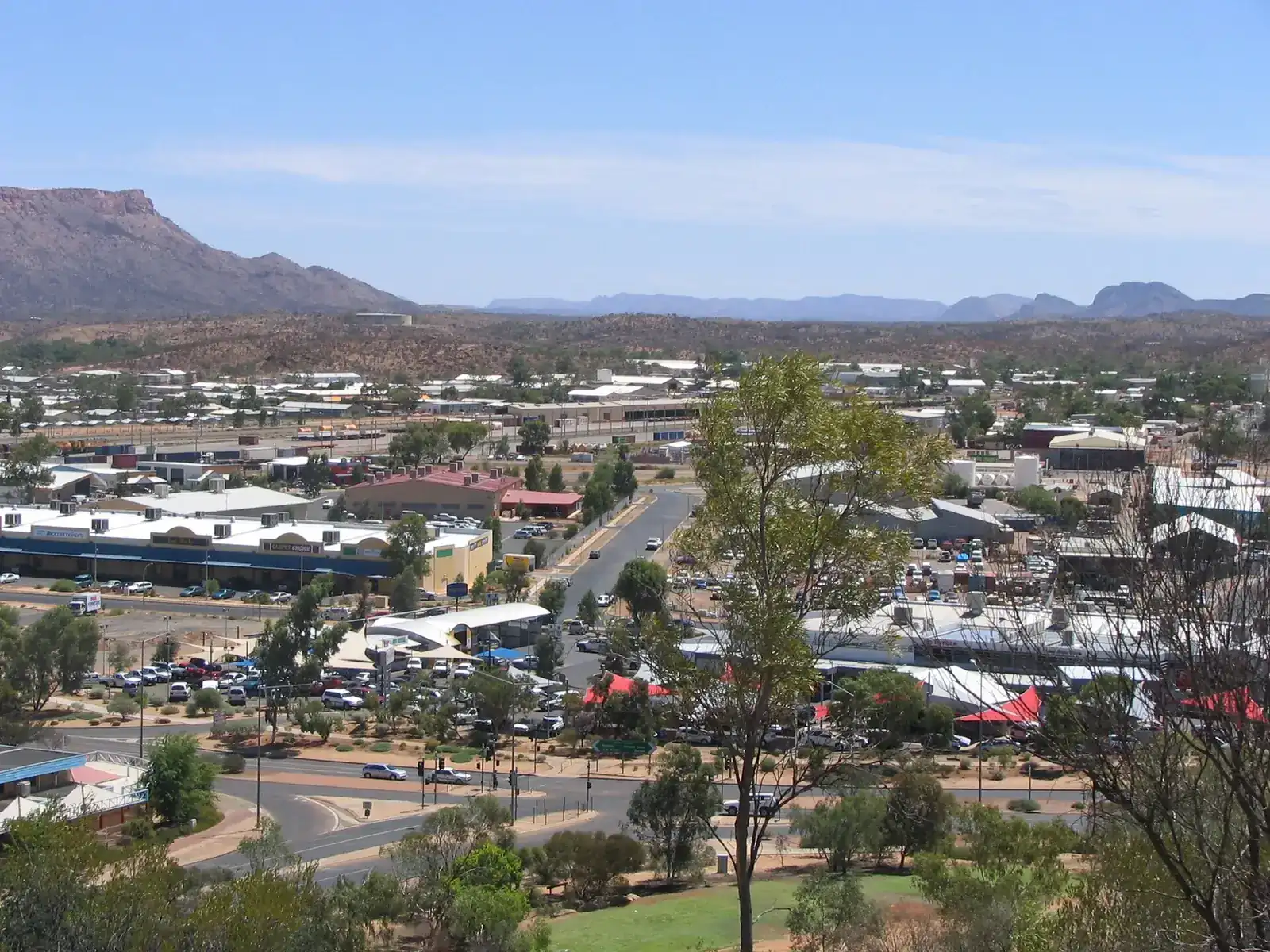
Alice Springs, Uluru and the Red Centre (NT). Fly into Alice Springs or Ayers Rock, and the highlights are a short, sealed drive away. Uluru's base walk, Kata Tjuta's Walpa Gorge and Kings Canyon's Rim Walk suit different ages and fitness levels. See the Uluru itinerary and the Red Centre guide.
Central-west Queensland. Longreach, Winton and Charleville are packed with family attractions. Outback Queensland Tourism lists highlights including:
- the Australian Stockman's Hall of Fame and the Qantas Founders Museum (Longreach)
- the Australian Age of Dinosaurs and the Dinosaur Stampede at Lark Quarry (Winton)
- the Bilby Experience and the Cosmos Centre (Charleville)
See the Matilda Way and the Dinosaur Trail.
Broken Hill and Silverton (NSW). Mining heritage, art galleries, the Living Desert Sculptures and nearby Silverton make an easy few days. You can drive there or arrive by train on the Indian Pacific. See Broken Hill.
The Flinders Ranges (SA). Wilpena Pound is about five hours from Adelaide on sealed roads. There are short walks, yellow-footed rock-wallabies and great camping. See Flinders Ranges itineraries.
Kid-friendly attractions
- Alice Springs School of the Air Visitor Centre. Learn how outback children have been taught by radio and now online. The centre is about 3.5 km north of the Alice Springs CBD, and a visit takes about 45 minutes.
- RFDS bases. The RFDS Alice Springs Tourist Facility on Stuart Terrace has interactive displays and a replica aircraft. The RFDS also runs a visitor centre in Charleville, and John Flynn Place in Cloncurry tells the story of the service's founding there in 1928. See Royal Flying Doctor Service.
- Dinosaurs. Winton, Hughenden and Richmond have fossils, museums and dinosaur trackways.
- Stargazing. Night sessions at the Charleville Cosmos Centre, or simply lying on a swag under the Milky Way. See stargazing and dark skies.
- Fossicking. Sieving for sapphires in Queensland's gemfields, or noodling for opal in designated areas. See fossicking and gem fields.
- Quirky pubs. The Daly Waters Pub says it has free-roaming animals for the kids, including chickens, ducks, a horse, a donkey and a goat. See outback pubs.
- Trains. Queensland Rail's Spirit of the Outback suggests bringing books, games and downloaded videos for the kids. See the outback by train.
Planning the drive
- Shorter days: aim for driving days that end by mid-afternoon, with a day off every few days.
- Breaks: Tourism NT recommends a 15-minute break every two hours of driving.
- Child restraints: Tourism NT notes that in the NT all children under seven must be in an appropriate child restraint or booster seat. Other states have similar laws. If you're hiring a car, book restraints in advance.
- Entertainment: download audio, games and maps before you go, because mobile coverage is patchy.
- Snacks and water: keep them within reach, and carry more water than you think you'll need. See water and food planning.
Heat and health
The NT Government lists babies and young children among those most at risk of heat stress. Plan around the heat:
- Travel in the cooler months.
- Do activities early in the morning.
- Keep kids in hats, sunscreen and loose clothing.
- Never leave children in a parked car, even briefly.
See travelling in summer heat.
Pack a well-stocked first aid kit, children's medications and any prescriptions, because outback towns may have only a small clinic or none at all. Know where the nearest hospital is on each leg. Teach children about snakes, and to stay away from water edges in crocodile country. See snakes and first aid and crocodile safety.
Where to stay
Caravan parks with pools, cabins and camp kitchens make family travel much easier. Outback pubs and station stays add character. Book ahead for school holidays, especially in July. See outback accommodation and caravanning in the outback.
A sample family week
Days 1–2: Alice Springs. School of the Air, the RFDS Tourist Facility, and the Telegraph Station. Day 3: The West MacDonnell Ranges' waterholes. Days 4–6: Drive to Uluru and Kata Tjuta. Sunset viewing, the base walk (or part of it) and the Cultural Centre. Day 7: Fly home from Ayers Rock, or return to Alice Springs.
Teaching moments
The outback is a natural classroom. Children can learn about:
- Aboriginal culture: guided tours and cultural centres. See Aboriginal-led experiences.
- Exploration history: Burke and Wills, the Overland Telegraph and the cameleers. See outback history.
- Geology and fossils: dinosaurs, opal and the Flinders Ranges' Ediacaran fossils.
- Wildlife: kangaroos, emus, wedge-tailed eagles and bilbies. See outback wildlife.
A travel journal, a map to mark the route and a camera help them remember the trip.
Distance education on the road
Families travelling for longer than the school holidays often use distance education. Each state runs distance-education schools, and some, like the Alice Springs School of the Air, began with lessons by radio for children on remote stations. Talk to your child's school and your state education department about arrangements before you leave.
Budget tips for families
Camping and cabins in caravan parks are usually much cheaper than motels. Self-catering saves money, but remember that outback stores have limited stock and higher prices. Many attractions offer family passes. Park entry fees are often per vehicle rather than per person, and Uluru-Kata Tjuta's park pass is free for under-18s.
Related guides
For a look at how outback children learn by distance education, read about the School of the Air.
Frequently asked questions
Which part of the outback is best to visit with kids?
Regions with sealed roads, short drives between attractions and good facilities work best. Good choices include Alice Springs and Uluru, central-west Queensland (Longreach and Winton), Broken Hill and Silverton, and the Flinders Ranges. All have family attractions and accommodation within a day's easy drive.
What can kids do in Alice Springs?
Family favourites include the Alice Springs School of the Air Visitor Centre, about 3.5 km north of the CBD, and the RFDS Alice Springs Tourist Facility on Stuart Terrace, which has interactive displays. The West MacDonnell Ranges' waterholes and gorges are a short drive away.
What is the best time to take kids to the outback?
The cooler months, roughly April to September in the southern and central outback, and the May to October dry season in the north. Winter school holidays are popular, so book accommodation early.
How do you manage long drives with kids in the outback?
Plan shorter driving days than you would as adults, stop every two hours (the NT Government recommends a 15-minute break every two hours), and pack books, games, downloaded audio and snacks. Avoid driving at dawn, dusk and night because of wildlife.
Sources and further reading
Facts on this page were checked against these primary and official sources. Conditions change — confirm before you travel or buy.
- Alice Springs School of the Air Visitor Centre — Alice Springs School of the Air
- RFDS Alice Springs Tourist Facility — Royal Flying Doctor Service
- Visit the Flying Doctor — Royal Flying Doctor Service
- Road safety — Tourism NT
- Heat stress — Northern Territory Government
- Outback Queensland product manual — Outback Queensland Tourism Association


