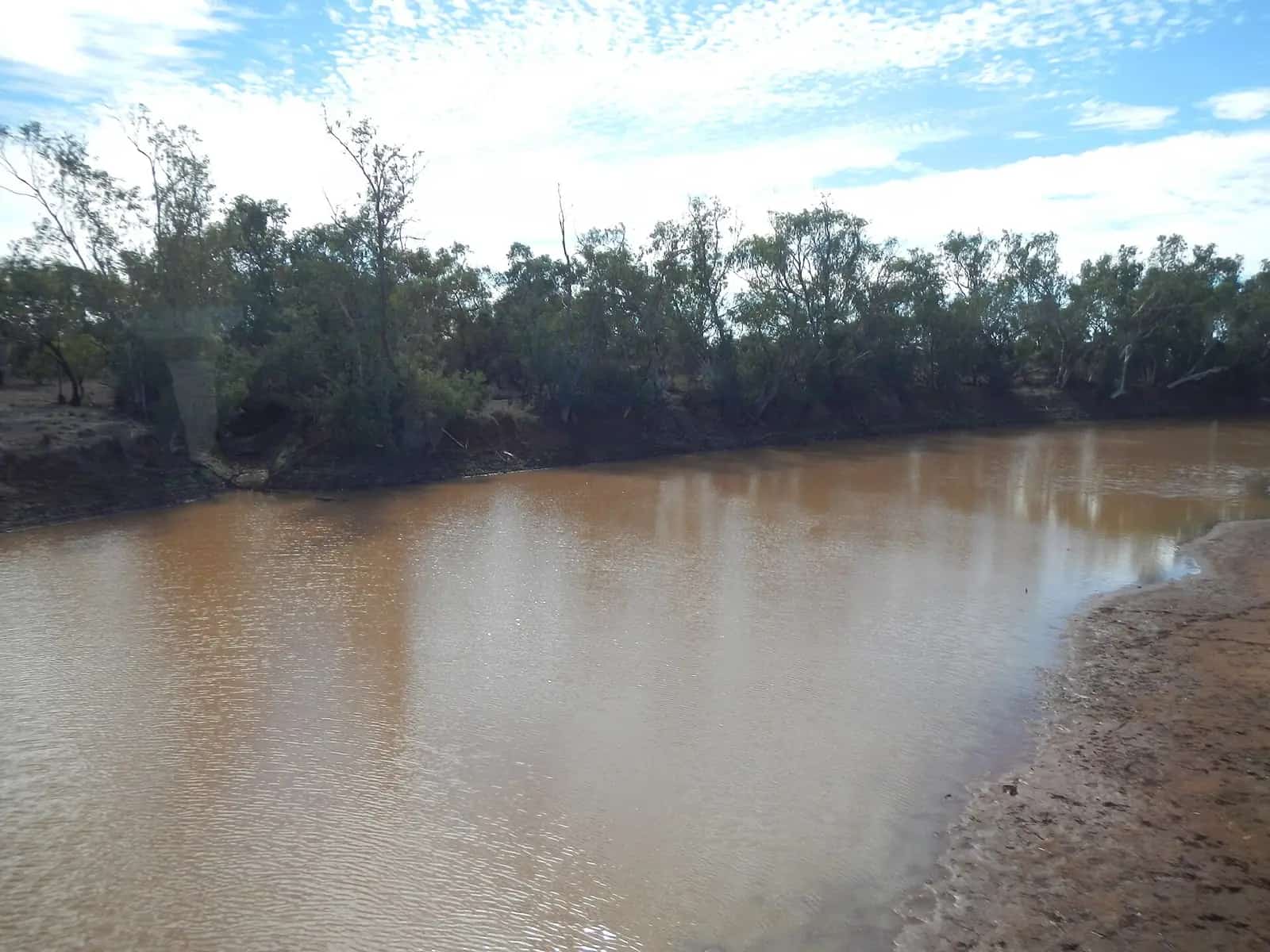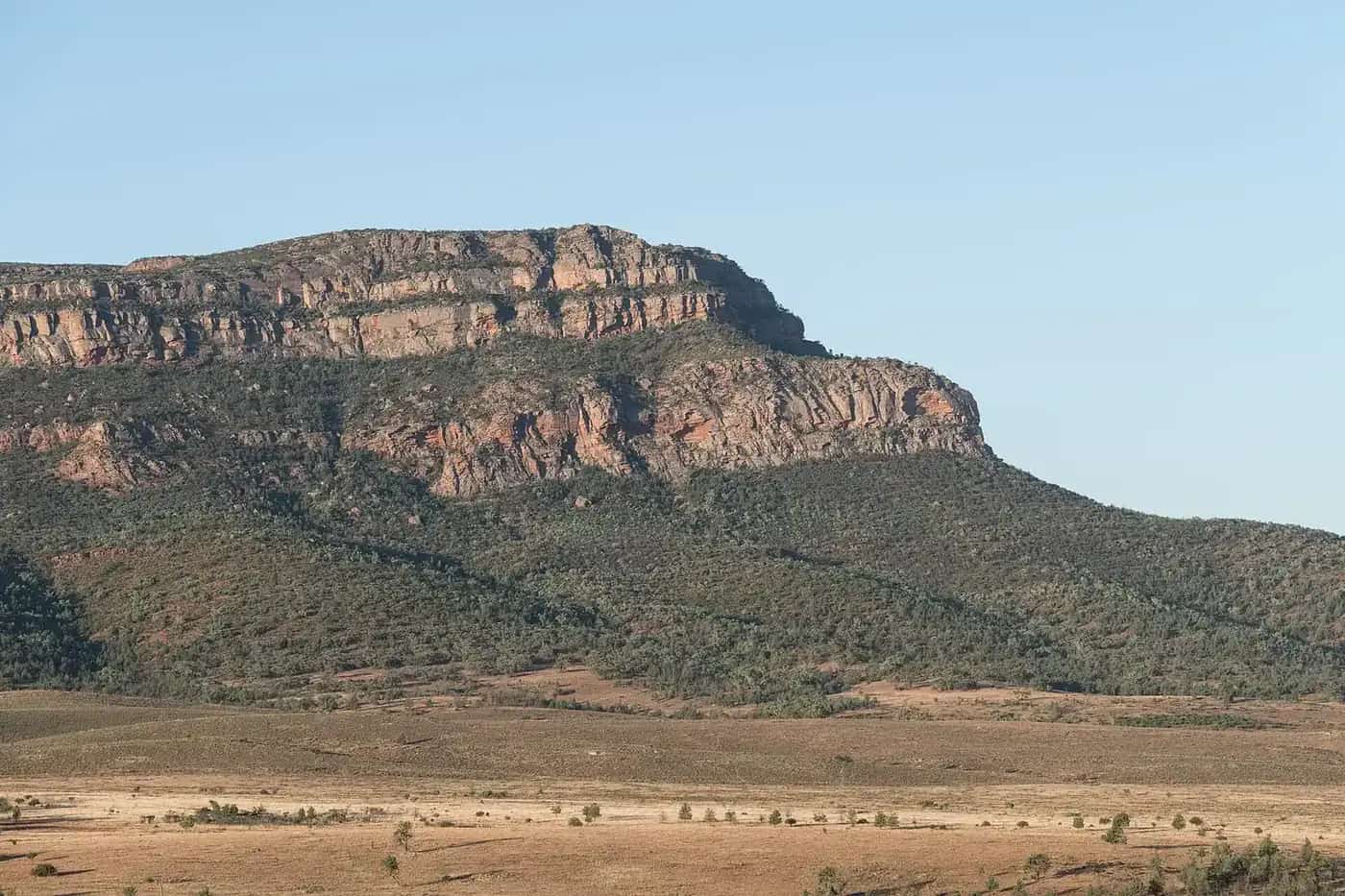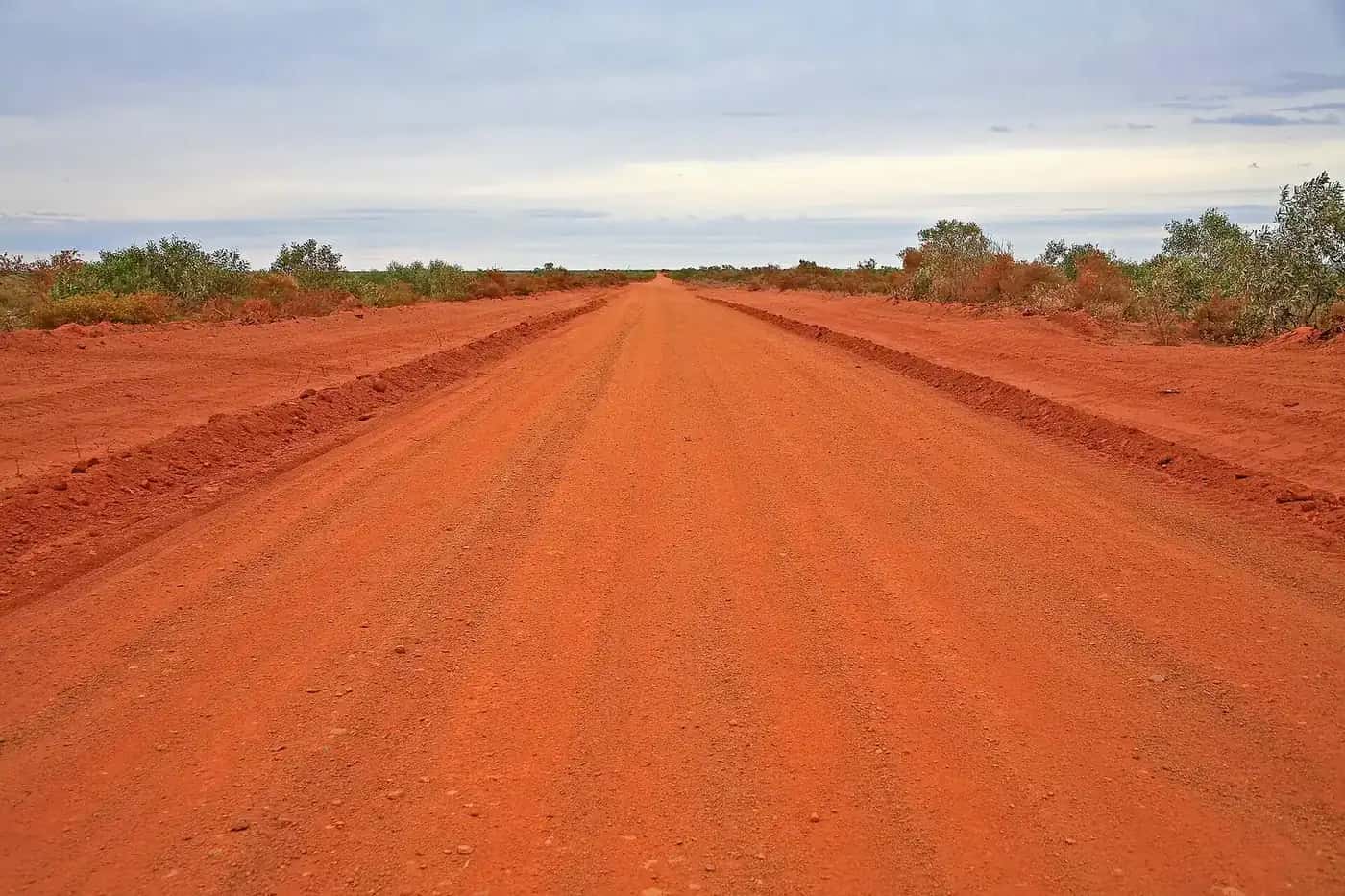
The Tanami Road is one of the great remote drives of outback Australia. It leaves the Stuart Highway north of Alice Springs, crosses the red sand plains and spinifex of the Tanami Desert, passes through Aboriginal communities and mining country, and reaches the Great Northern Highway near Halls Creek in the Kimberley. For many travellers it's a shortcut between the Red Centre and the Kimberley. For others it's the destination in itself.
Route overview
- Start: the Stuart Highway turn-off north of Alice Springs (NT).
- NT section: sealed for the first stretch, then unsealed through the Tanami Desert past Yuendumu.
- Border: the road crosses into Western Australia.
- WA section: past Billiluna towards Halls Creek, with the Wolfe Creek Crater turn-off along the way.
- End: the Great Northern Highway near Halls Creek.
Distances and sealed sections are changing as upgrade works continue. Check current maps and road reports before relying on any figure.
Road conditions and sealing works
The Tanami has long had a reputation for corrugations, bulldust holes, sand and washouts. Both the NT and WA governments are now upgrading and sealing it in stages. Main Roads WA's project page says the first 40 km of Stage 1 on the WA section is sealed and open. Stage 2, 32 km south of Ruby Plains Homestead, is expected to be finished by the end of 2026, and the whole WA upgrade is planned for completion by mid-2033. Expect roadworks, detours and changing surfaces.
Conditions vary a lot with recent grading and weather. After rain, sections can become impassable and the road may be closed. Check:
- NT Road Report for the Northern Territory section.
- Main Roads WA travel map for the WA section.
See wet season and road closures.
Fuel and supplies
Services are few and far apart:
- Yuendumu (NT) has a community store with fuel. Check opening hours.
- Rabbit Flat roadhouse has closed. Don't plan on fuel there.
- Billiluna (WA) has a community store with fuel. Check opening hours.
- Halls Creek at the WA end has full services.
Community store hours can be limited on weekends and public holidays, and they may close for community business. Phone ahead, carry enough fuel for the longest gap with a reserve, and bring water and food for several extra days. See fuel, permits and road conditions and water and food planning.
Permits and community etiquette
The road passes through Aboriginal land. Travelling on the main public road generally doesn't need a permit, but turning off it into communities or onto Aboriginal land generally does. Check with the Central Land Council for the NT, and WA's Aboriginal lands permit system for the WA side. Some communities restrict alcohol. Respect signs, privacy and photography wishes. See visiting Country respectfully.
Things to see
- The desert itself: vast spinifex plains, termite mounds, red sand and huge skies. Night skies are exceptional. See stargazing and dark skies.
- Wolfe Creek Crater: a meteorite crater in Wolfe Creek Meteorite Crater National Park, off the WA section south of Halls Creek. Check access conditions with WA Parks before going.
- Aboriginal art: Yuendumu is known for its art centre. Visitors should check opening hours and protocols in advance.
- Halls Creek and the Kimberley: a gateway to Purnululu and the Gibb River Road.
Best time to go
The cooler dry season, roughly May to September, is best: mild days, cold nights and the most reliable road conditions. From October, heat builds quickly. Summer storms and the northern wet season can close sections for days. See outback weather by month.
Vehicle preparation
- A high-clearance 4WD is strongly recommended.
- Carry two spare tyres, a puncture repair kit, compressor and pressure gauge.
- Lower tyre pressures to suit the surface, and reduce speed on corrugations.
- Carry recovery gear and know how to use it. See 4WD recovery.
- If towing, use an off-road-rated trailer or caravan and expect a slow, rough trip.
See best vehicle for the outback.
Safety
- Tell someone your plans and check in when you arrive.
- Carry a satellite communication device. Mobile coverage is absent along most of the road. A PLB or satellite messenger is strongly recommended.
- Stay with your vehicle if you break down. It's easier to find than a person.
- Avoid driving at night. Cattle, camels, kangaroos and other wildlife are a real hazard.
- Watch for road trains, and pull over safely to let them pass. See road trains.
More in remote area travel safety.
Camping
There are informal bush campsites along the road, but facilities are minimal or absent. Camp well off the road, take all rubbish with you and be careful with fire. See outback camping and free camping rules.
Related routes
Near the WA end: Wolfe Creek Crater.
Frequently asked questions
Is the Tanami Road sealed?
Parts of it are. The Northern Territory and Western Australian governments are sealing the road in stages, and sealed sections are growing, but long stretches remain unsealed. Check NT Road Report and Main Roads WA before you leave.
Can you drive the Tanami Road in a 2WD?
In dry conditions, after grading, some travellers do. But corrugations, sand, bulldust and washouts are common, and services are very limited. A well-prepared high-clearance 4WD is the safer choice. The road can close after rain.
Where can you get fuel on the Tanami Road?
Fuel is generally available at community stores such as Yuendumu in the NT and Billiluna in WA, but opening hours and supply can vary. The Rabbit Flat roadhouse has closed. Confirm fuel availability before you leave and carry extra.
Do you need a permit for the Tanami Road?
You don't usually need a permit to travel the main road itself. Leaving it to visit Aboriginal communities or land generally needs a permit. Check with the Central Land Council (NT) and WA's Aboriginal lands permit system before you go.
What's the best time to drive the Tanami?
The cooler dry season, roughly May to September, is the most comfortable and reliable time. Summer brings extreme heat, and wet-season storms can close the road.
Sources and further reading
Facts on this page were checked against these primary and official sources. Conditions change — confirm before you travel or buy.
- Tanami Road upgrade — Main Roads Western Australia
- NT Road Report — Northern Territory Government
- Permits — Central Land Council
- Permits — Discover Central Australia