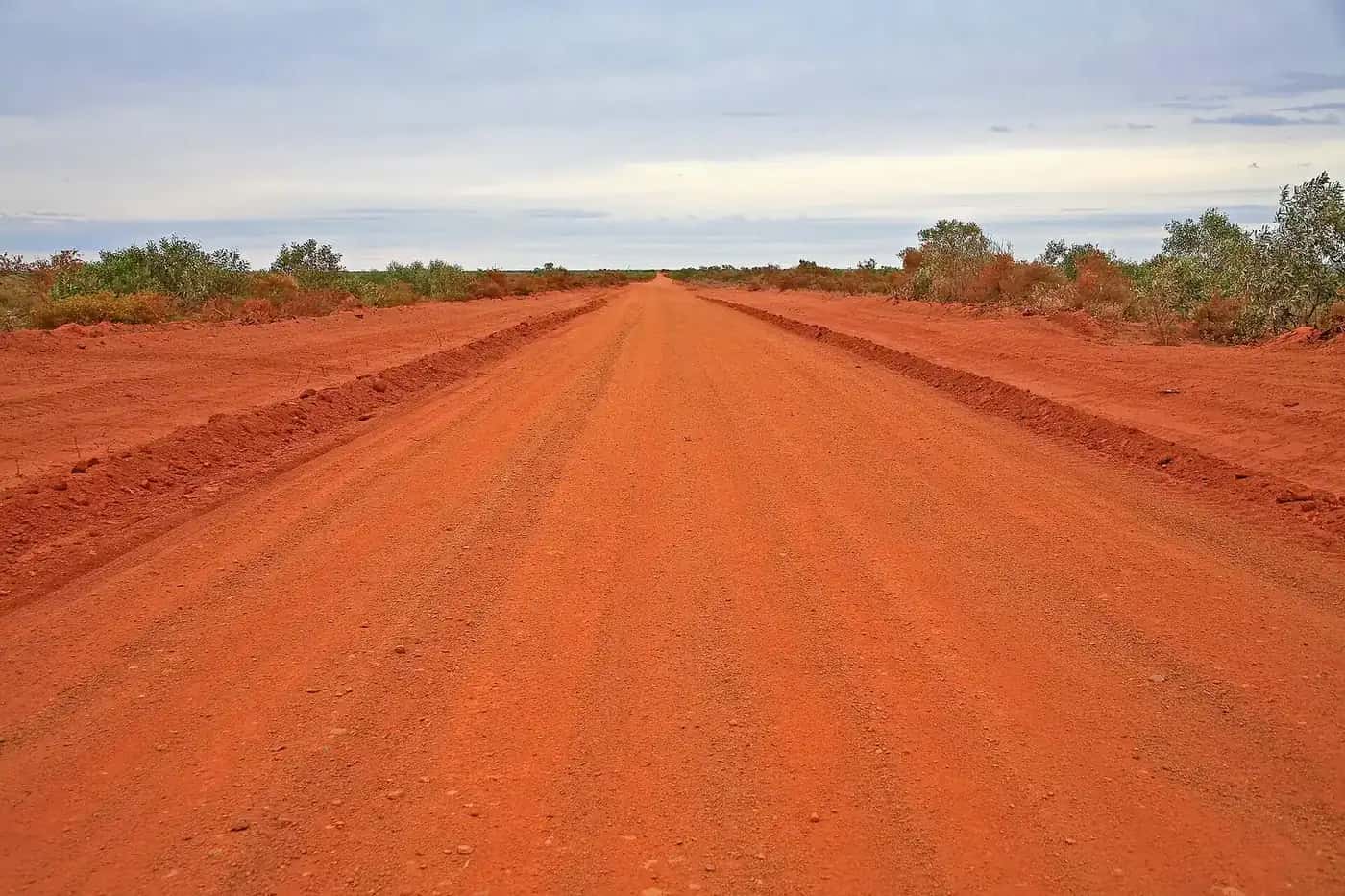
The original Outback Now ran a jobs bulletin for travellers working their way around Australia. This page replaces it with evergreen guidance and links to official job services. We do not list individual vacancies, which date within days.
Types of outback and regional work
Station work. Cattle and sheep stations hire station hands, jackaroos and jillaroos, cooks, governesses and maintenance workers, often with accommodation and meals included. Mustering seasons usually run through the cooler months. Experience with horses, motorbikes or machinery helps.
Harvest and horticulture. Fruit, vegetable and cotton harvests move around the country through the year. The government's Harvest Trail service lists vacancies and seasonal calendars.
Hospitality and roadhouses. Pubs, roadhouses, caravan parks and lodges need staff for the tourist season. Live-in roles are common.
Tourism. Tour companies, national park concessions and visitor centres hire guides, drivers and front-of-house staff, mostly from about April to October.
Mining and construction. Mining towns such as Kalgoorlie, Mount Isa, Tom Price and Cobar offer well-paid roles, often fly-in fly-out. Most require specific tickets, inductions and medical tests.
Finding genuine jobs
- Start with Workforce Australia and the Harvest Trail.
- Contact local councils, visitor centres and roadhouses directly — many jobs are filled by word of mouth.
- Join regional community noticeboards, but verify employers before you travel.
- Never pay an upfront fee for a job, and be cautious about employers who supply accommodation and deduct large amounts from pay.
Visa holders
If you hold a Working Holiday Maker visa, check the Department of Home Affairs rules on "specified work" and eligible regional postcodes before you accept a job you intend to count towards a further visa. Keep payslips and records.
Know your rights
Every worker in Australia has the same workplace rights regardless of visa. You must be paid at least the minimum wage under the relevant award, and horticulture piece-rate workers are entitled to a minimum hourly amount. The Fair Work Ombudsman offers free advice in many languages.
Living and working remotely
Remote work is rewarding but isolating. Ask about accommodation, food, days off, phone coverage and how you will get to and from the job. Tell someone where you are going, and keep enough money to leave if the job is not what was promised.
Seasons for work
Outback work follows the seasons. The tourist season in the southern and central outback runs roughly from April to October, while the dry season in the north (roughly May to October) brings the most hospitality and tourism jobs in the Kimberley, Top End and Gulf. Station work peaks around mustering, which in many northern regions takes place in the dry season. Harvest work moves across the country throughout the year; the Harvest Trail service lists crops and regions by month. Planning ahead helps you line up work before you arrive.
Volunteering
Volunteering is another way to experience the outback. National parks agencies in several states run campground host programs, where volunteers stay in a park for a period and help with visitor information and light maintenance. Conservation organisations need volunteers for surveys and land management, and many outback events rely on volunteers. Volunteering is not a substitute for paid work, and genuine volunteer roles should never replace jobs that would normally be paid. If an "unpaid trial" or "volunteer" role looks like a real job, check with the Fair Work Ombudsman.
Pay, awards and conditions
Most outback jobs are covered by industry awards, which set minimum pay rates, penalty rates, allowances and conditions. The Pastoral Award covers many station roles, the Hospitality Industry (General) Award covers pubs and many roadhouses, and the Horticulture Award covers most harvest work. The Fair Work Ombudsman's website has pay calculators and guides to each award, and you can contact them for free advice. Keep records of your hours and pay, and make sure you receive payslips. Deductions for accommodation and food should be agreed in writing.
Health and safety
Remote work brings particular risks: heat, fatigue, long drives, machinery, livestock and isolation from medical help. Employers must provide a safe workplace, training and appropriate equipment. Ask about first-aid arrangements, communications and emergency procedures before you start. Safe Work Australia and state work health and safety regulators publish guidance for agriculture, hospitality and mining. If you're driving to or between jobs, follow our outback safety advice.
Getting there and getting around
Many remote jobs require your own vehicle, a driver's licence and sometimes a heavy vehicle or machinery licence. Others provide transport from the nearest town or airport. Ask how you will get to work, how often supplies arrive and how you will get out in an emergency or at the end of the season. Budget for fuel, as remote fuel prices are higher.
Accommodation for workers
Live-in jobs often include accommodation, from shared quarters on stations to staff rooms at roadhouses and resorts. In mining towns and some tourist hubs, accommodation can be scarce and expensive during busy periods. See our outback accommodation guide and confirm housing arrangements before you accept a job.
Further reading
Frequently asked questions
What jobs are available in the outback?
Common outback and regional jobs include station hand and cook positions on cattle stations, fruit and vegetable harvest work, roadhouse and pub hospitality, tourism and guiding, and roles in mining and construction. Health, education and council jobs are also advertised in remote towns.
Can backpackers work in the outback?
Working Holiday Makers can work in Australia under their visa conditions, and some regional work can count towards a second or third-year visa. Check the eligible work and postcodes on the Department of Home Affairs website before you start.
Where can I find genuine outback jobs?
Use Workforce Australia, the Harvest Trail service, state government job boards, reputable job sites and direct contact with stations, roadhouses and councils. Be wary of offers that ask for upfront fees.
What are my rights as a regional worker?
All workers in Australia, including visa holders, have the same workplace rights, including minimum wages. Piece-rate horticulture workers have a minimum hourly guarantee. The Fair Work Ombudsman provides free advice.
Sources and further reading
Facts on this page were checked against these primary and official sources. Conditions change — confirm before you travel or buy.
- Harvest Trail — Workforce Australia
- Working Holiday Maker visa program — Department of Home Affairs
- Visa holders and migrants — Fair Work Ombudsman
- Horticulture award and pay — Fair Work Ombudsman