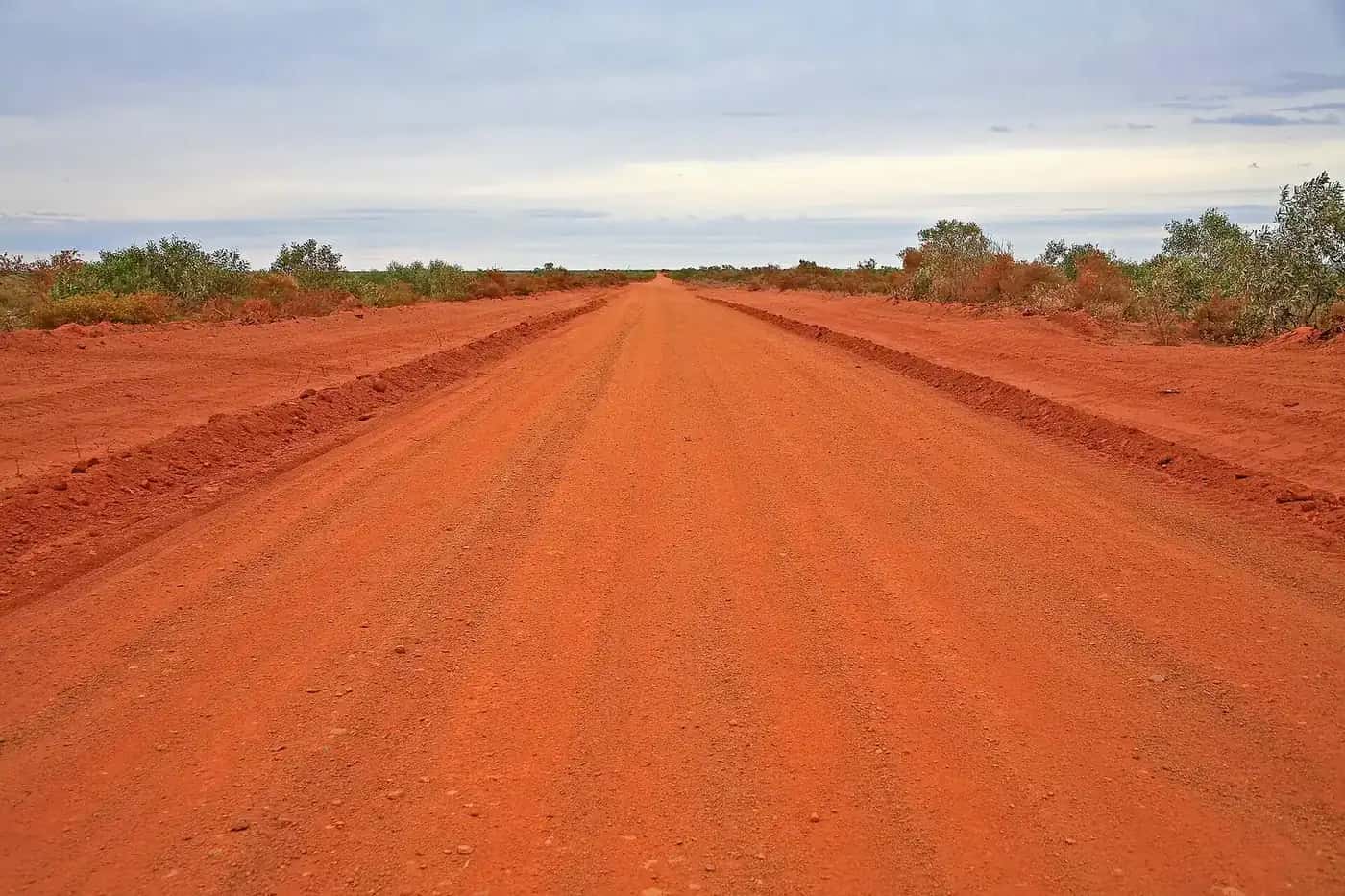
Summer in the outback isn't just uncomfortable. It can be dangerous for people who aren't prepared. Vehicles overheat, tyres fail on hot roads, and walkers can get into trouble within hours. Many travellers simply avoid the hottest months. If you do travel in summer, the precautions below will help. For monthly figures, see outback weather by month.
How hot does it get?
BOM long-term averages for January maximums:
| Location | Mean January maximum |
|---|---|
| Birdsville (Qld) | About 40.8°C |
| Alice Springs (NT) | About 36.6°C |
| Broken Hill (NSW) | About 33.9°C |
These are averages, so many days are hotter. Surface temperatures on rock, sand and bitumen can be far higher than the air temperature. In the tropical north, summer also brings humidity, storms and the wet season. See wet season and road closures.
Who is most at risk
The NT Government lists those most at risk of heat stress as:
- babies and young children
- older people
- people who have drunk alcohol in the previous 24 hours
- people with health problems such as heart or lung disease or high blood pressure
- people taking certain medications
- people who work or exercise outside
- people who are pregnant or breastfeeding
Heat exhaustion and heat stroke
Heat exhaustion comes from losing too much water and salt through heavy sweating. NT Health lists symptoms including:
- profuse sweating
- cold, clammy, pale skin
- fatigue and weakness
- headache and dizziness
- nausea or vomiting
- a weak but rapid pulse
First aid: lay the person down with their legs slightly raised, remove heavy clothing, and give them sips of chilled water or an electrolyte drink. Spray or sponge them with cool water, and fan them. Call 000 if they feel faint, confused or agitated, can't drink, have a seizure, or have a core temperature of 40°C.
Heat stroke is the most serious heat illness and a medical emergency. NT Health lists signs including:
- body temperature above 40°C
- confusion or disorientation
- a dry, swollen tongue
- a rapid pulse
- headache and dizziness
- nausea
- fits, seizures or coma
Call 000 immediately. Move the person somewhere cool and cool them rapidly with ice packs to the groin and armpits, cool water or a wet sheet, and a fan. Check their breathing, and begin CPR if needed. healthdirect gives similar advice.
Planning a summer trip
- Stick to sealed roads and well-serviced routes. A breakdown on a remote track in 45°C heat is life-threatening.
- Travel early. Drive and walk in the early morning, and rest through the middle of the day.
- Check heat warnings. NT Health issues heat health warnings when BOM forecasts unusually high temperatures over three days. SecureNT publishes heatwave advice. Other states have their own warning systems.
- Follow park closures. Parks Australia closes some walks at Uluru-Kata Tjuta from 11 am when the forecast is 36°C or higher, and other parks have similar measures. See the Uluru itinerary.
- Carry more water. Tourism NT's minimum is 4 to 6 litres per person per day, and you'll need more in extreme heat. See water and food planning.
- Service the vehicle. Check the cooling system, air conditioning, battery and tyres before you go.
Driving in heat
- Watch your temperature gauge. If the engine overheats, stop in shade if possible, switch off the air conditioning, and let it cool before you check the coolant. Never open a hot radiator cap.
- Check tyre pressures in the morning, when tyres are cool, and watch for blowouts on hot bitumen.
- Leave nothing heat-sensitive in a parked car, including medicines, phones and food. Never leave children or pets in a vehicle.
- If you break down, stay with the vehicle and make shade. Tourism NT says a vehicle is easier to find than a person.
Fire and smoke
Summer is bushfire season across much of southern and inland Australia. Check fire danger ratings and total fire bans before you light a campfire or use a gas stove outside designated areas. Tourism NT advises that when driving through smoke you should turn on your headlights, slow down, and close the windows and turn off the air conditioning if the smoke is thick.
When to go instead
The cooler months, roughly April to September in the south and the May to October dry season in the north, are far more comfortable. See best time to visit.
Heat and your vehicle's occupants
Air conditioning keeps a moving vehicle comfortable, but a parked car heats up very quickly. Never leave anyone, including children, pets or older passengers, waiting in a parked vehicle. Even a short stop is dangerous. Plan fuel and food stops so you can get everyone out into shade or air conditioning.
Clothing and sun protection
Wear loose, light-coloured clothing that covers your skin, a broad-brimmed hat and sunglasses, and use sunscreen. A wet scarf or cooling towel helps on hot days. Closed shoes protect your feet from hot ground and sharp stones. Fly nets are worth their weight in gold in warmer months.
Wildlife in summer
Snakes are more active in warm weather. Wear boots and long trousers when walking, watch where you put your hands and feet, and carry a pressure-immobilisation bandage. See snakes and first aid. In the north, crocodiles are more active in the wet season. Stay well away from the water's edge. See crocodile safety.
Summer upsides
Summer isn't all bad. Accommodation is quieter and sometimes cheaper, and storms over the desert can be spectacular. In the north, the wet season brings full waterfalls and green country. If you choose summer, plan carefully and stick to well-serviced areas.
A sample summer day
- Before 9 am: drive or walk while it's coolest.
- Late morning to mid-afternoon: stay indoors, in a museum, at a pool or in the shade, or at an air-conditioned attraction.
- Late afternoon and evening: short walks, sunset viewing and stargazing.
- Night: don't drive. Wildlife is most active at dusk and after dark.
Related guides
Frequently asked questions
How hot is the outback on average?
In summer, average maximums are commonly in the mid to high 30s, and above 40°C in the hottest places. BOM averages show January maximums of about 36.6°C in Alice Springs, 40.8°C in Birdsville and 33.9°C in Broken Hill. Individual days can be much hotter. Winter days are mild, and nights can be cold.
What are the signs of heat stroke?
NT Health lists a body temperature above 40°C, confusion or disorientation, a dry swollen tongue, a rapid pulse, headache, dizziness, nausea, and fits or loss of consciousness. Heat stroke is a medical emergency. Call 000, move the person somewhere cool and cool them rapidly.
Is it safe to visit the outback in summer?
It can be, with care. Stick to sealed roads and towns, travel in an air-conditioned vehicle, carry extra water, avoid outdoor activity in the middle of the day, and follow park heat closures. Remote tracks and desert crossings in summer carry serious risks, and some are closed in summer.
Which months are the hottest in the outback?
In the southern and central outback, December to February are usually the hottest months. The NT Government notes that extreme heat conditions in the NT can happen from October to March.
Sources and further reading
Facts on this page were checked against these primary and official sources. Conditions change — confirm before you travel or buy.
- Heat stress — Northern Territory Government
- Heatstroke — healthdirect Australia
- Heatwave — SecureNT, Northern Territory Government
- Road safety — Tourism NT
- Uluru-Kata Tjuta National Park — Parks Australia


