The Royal Flying Doctor Service began as the Australian Inland Mission Aerial Medical Service, the vision of the Reverend John Flynn. Flynn saw how isolation endangered people living in the outback and believed aircraft and radio could help.
The first flight
On 17 May 1928, the service's first official flight took off from Cloncurry with Dr Kenyon St Vincent Welch aboard an aircraft leased from Qantas. Alfred Traeger's pedal-powered radio later allowed remote stations to call for help.
Today
The RFDS provides emergency evacuations, primary health clinics, dental and mental health services across remote Australia. It operates from bases around the country and relies partly on donations.
Visitor centres
- Broken Hill — RFDS base at the airport. See Broken Hill.
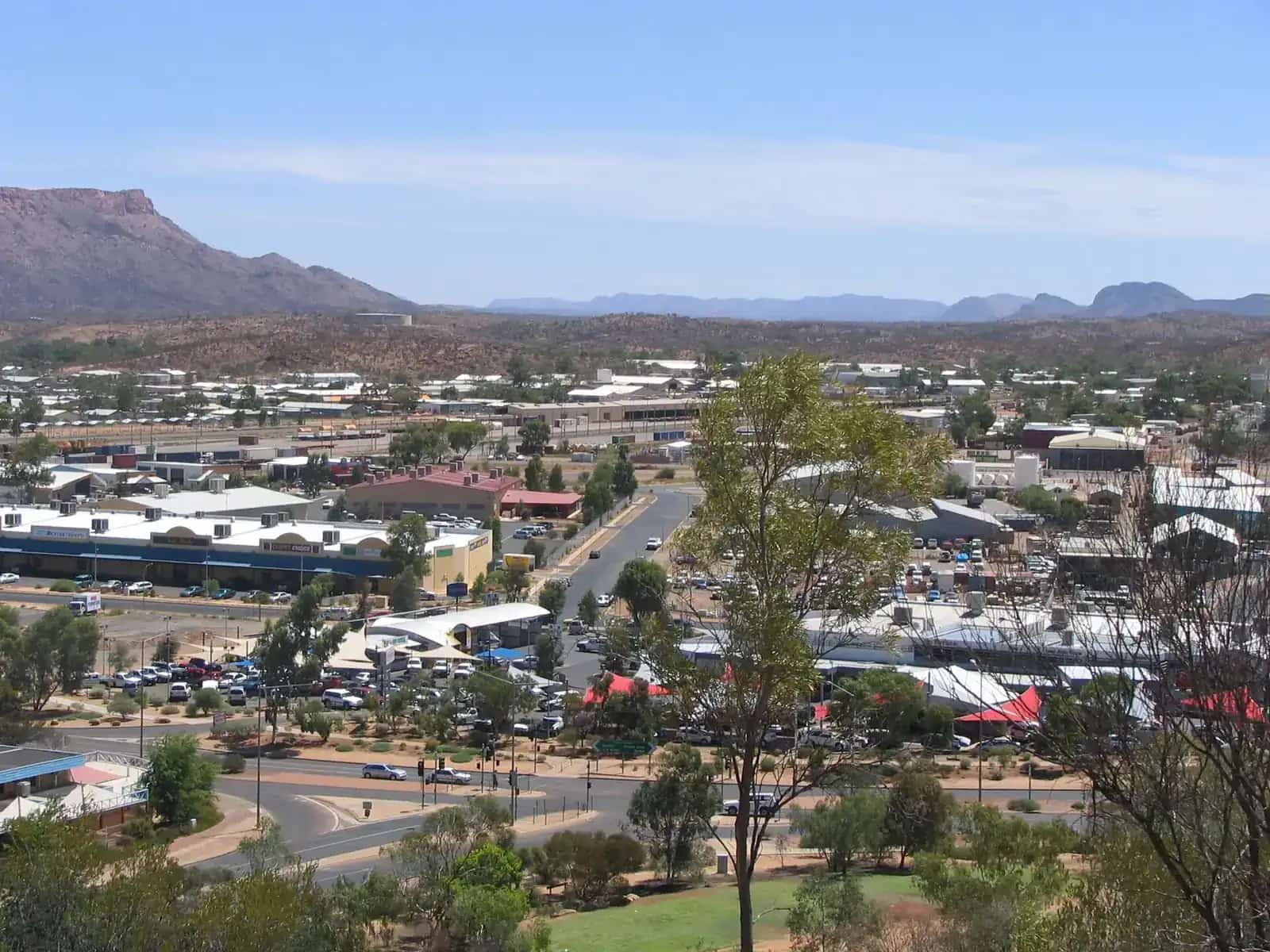
- Alice Springs — RFDS Tourist Facility. See Alice Springs.
- Charleville — RFDS visitor centre. See Charleville.
- Cloncurry — John Flynn Place.
John Flynn's vision
John Flynn, a Presbyterian minister, worked with the Australian Inland Mission from 1912, helping establish nursing hostels and bush hospitals across remote Australia. He saw people die from injuries and illnesses that could have been treated if a doctor could reach them in time. Flynn campaigned for an aerial medical service, supported by benefactors and inspired by the possibilities of aviation and radio. The experiment that began at Cloncurry in 1928 proved that his idea could work.
Radio and the medical chest
Aircraft alone were not enough; people on remote stations needed a way to call for help. Alfred Traeger, an engineer from Adelaide, developed a pedal-powered transceiver in the late 1920s that allowed stations without mains electricity to send and receive messages. Radio networks based at RFDS bases became the lifeline of the outback, used not just for emergencies but for daily "galah sessions", telegrams and, from 1951, the School of the Air, which first broadcast from the RFDS base in Alice Springs.
The RFDS medical chest — a numbered kit of medicines and supplies kept at stations and remote communities — allowed doctors to diagnose patients by radio and tell them which item to use. Medical chests are still supplied to many remote locations today, now supported by telephone and telehealth.
Growth of the service
From its first base in Cloncurry, the service expanded across the continent through state-based sections in the 1930s and later decades. It became the Flying Doctor Service and was granted the "Royal" prefix in 1955. Flynn died in 1951 and is buried near Alice Springs, where a memorial marks his grave beneath Mount Gillen. He is commemorated on the Australian $20 note.
What the RFDS does today
The RFDS describes itself as one of the largest and most comprehensive aeromedical organisations in the world. Its services include:
- Emergency retrievals from remote areas, accident scenes and outback hospitals.
- Inter-hospital transfers of patients to larger hospitals.
- Primary health care clinics held regularly at remote communities and stations.
- Dental, mental health and women's health services in many regions.
- Telehealth consultations by phone and video.
The service is a not-for-profit organisation. It receives government funding and also relies on donations, fundraising events and volunteers. For current figures on patients and flights, see the RFDS's own annual reports — we don't quote them here as they change each year.
Visiting RFDS bases
Several RFDS bases welcome visitors and have museums or interactive displays. Opening hours change, so check before you go:
- Broken Hill — at the airport, the RFDS base has a museum and visitor tours showing the operations centre. See Broken Hill.
- Alice Springs — the RFDS Tourist Facility in town has displays on the history and work of the service. See Alice Springs.
- Charleville — the RFDS visitor centre at the airport covers the history of the service in south-west Queensland. See Charleville.
- Cloncurry — John Flynn Place museum and art gallery commemorates the first flight. See Cloncurry.
- Dubbo and other bases — the RFDS has developed visitor experiences in some regional centres; check the RFDS website.
For travellers
The RFDS is part of the outback safety net, but it should be a last resort. Plan your trip, carry a satellite communication device, and know how to call for help. In a medical emergency, call 000 first. Our remote-area travel safety and outback safety guides explain how to prepare.
Supporting the RFDS by visiting its bases, buying from its shops or donating helps keep the service flying.
The RFDS and Aboriginal communities
Many remote Aboriginal communities depend on RFDS clinics and retrievals, alongside Aboriginal community-controlled health services and state health departments. The RFDS works in partnership with these organisations in many regions, and some of its programs are designed specifically for remote communities. Visitors who travel through communities should remember that health services there are stretched; carry your own first-aid supplies and medications so you don't add to the load.
Fundraising and events
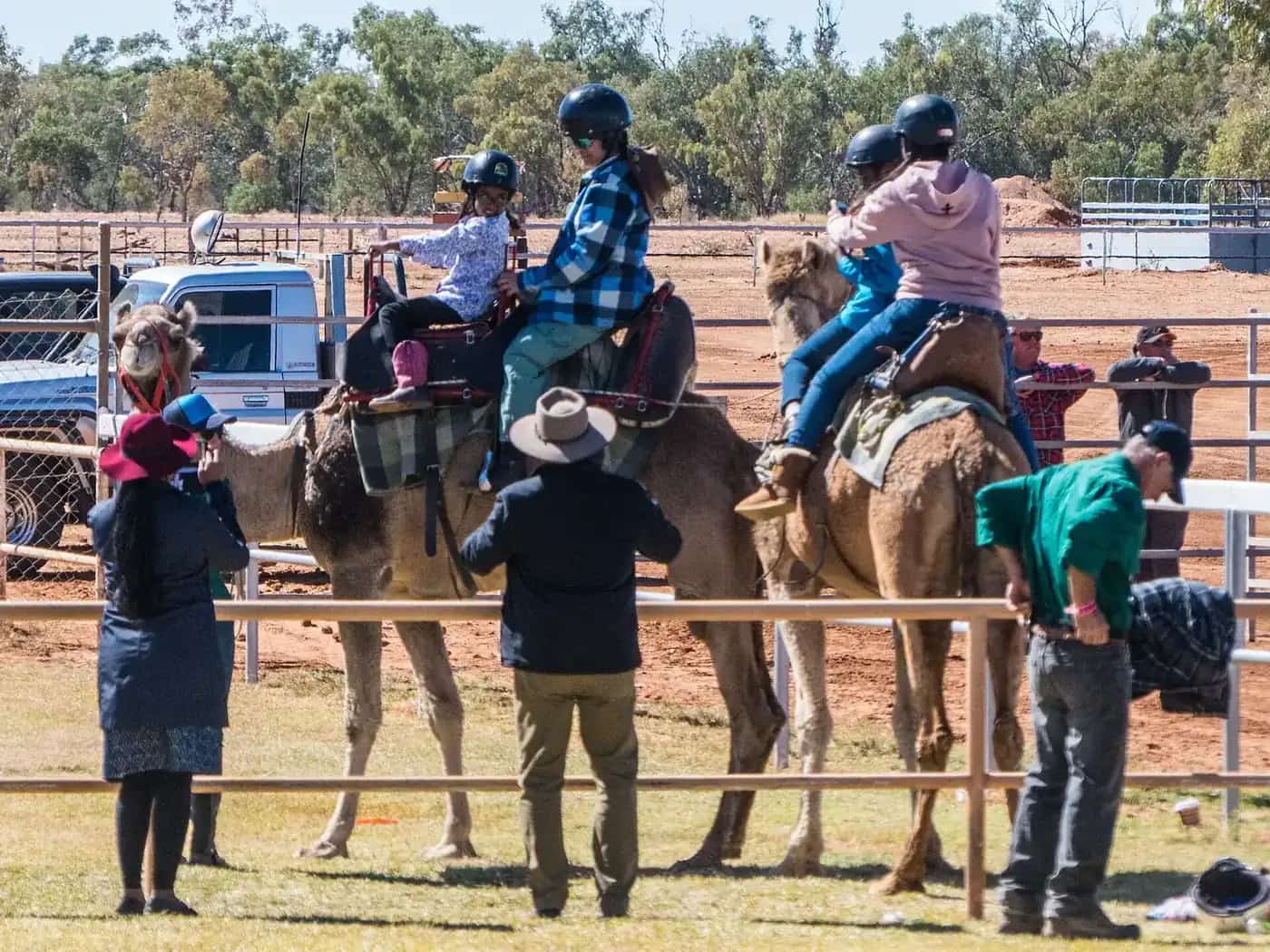
The RFDS is supported by community fundraising across the outback, from race days and gymkhanas to charity drives along famous tracks. Many outback events donate proceeds to the service. If you attend one, you are helping to keep the planes in the air.
Radio also brought lessons to remote children; see our guide to the School of the Air.
Frequently asked questions
Where was the first Flying Doctor flight?
From Cloncurry in Queensland on 17 May 1928, using an aircraft leased from Qantas.
Can I visit the RFDS?
Yes. Visitor centres operate in places including Broken Hill, Alice Springs, Charleville, Cloncurry (John Flynn Place) and Dubbo.
Sources and further reading
Facts on this page were checked against these primary and official sources. Conditions change — confirm before you travel or buy.
- Royal Flying Doctor Service — Royal Flying Doctor Service