The Birdsville Track is one of Australia's best-known outback roads. It connects Marree in South Australia with Birdsville in Queensland, passing through the Country of the Dieri, Wangkangurru and neighbouring peoples, between the Strzelecki Desert to the east and the Tirari and Simpson deserts to the west.
History
From the 1880s, drovers walked cattle from the Channel Country of south-west Queensland down this route to the railhead at Marree, from where they were sent south. Bores sunk into the Great Artesian Basin provided water along the way. The track was later made famous by the mail run of Tom Kruse, who drove trucks carrying mail and supplies to the stations from the 1930s to the 1960s, a story told in the 1954 documentary The Back of Beyond. Road trains replaced droving, and the track was gradually improved into the graded road travellers use today.
The route
- Marree — start of the track, with fuel, a hotel and camping.
- Lake Harry ruins and Clayton — early sites along the route, including the remains of an old date palm plantation at Lake Harry and an artesian wetland at Clayton.
- Etadunna and the Cooper Creek crossing — when the Cooper floods, the crossing can close or require a long detour; check road reports.
- Natterannie Sandhills — a stretch of dunes.
- Mungerannie — roughly halfway, with a hotel, camping and a hot artesian pool near the wetlands.
- Mount Gason, Koonchera Dune and the gibber plains of the north.
- Birdsville — the end of the track, with fuel and supplies.
Conditions and difficulty
The track is unsealed and graded, but corrugations, bull dust, sharp gibbers and sand can be hard on vehicles. In dry weather it is often suitable for well-prepared high-clearance vehicles, while rain can close it for days. It carries road trains and station traffic — slow down and pull over for oncoming trucks.
Best time to go
April to September is best. Summer heat is extreme, and the track can close at any time of year after rain.
Camping
Camping options include Mungerannie and designated areas along the track. Carry everything you need and take rubbish out. Respect station property — do not camp at bores or stock watering points, and leave gates as you find them.
Safety
- Carry at least two spare tyres, a compressor, recovery gear and tools.
- Carry plenty of water and food for extra days.
- Carry a satellite phone or PLB — mobile coverage is non-existent on most of the track.
- Tell someone your plans and check in when you arrive.
- If you break down, stay with your vehicle.
The mailman of the Birdsville Track
From the 1930s to the 1960s, mail contractor Tom Kruse carried mail and supplies along the track in old trucks, battling sand, floods and breakdowns. His story was told in the 1954 documentary The Back of Beyond, which made the track famous. Kruse became an Australian outback legend.
Cooper Creek in flood
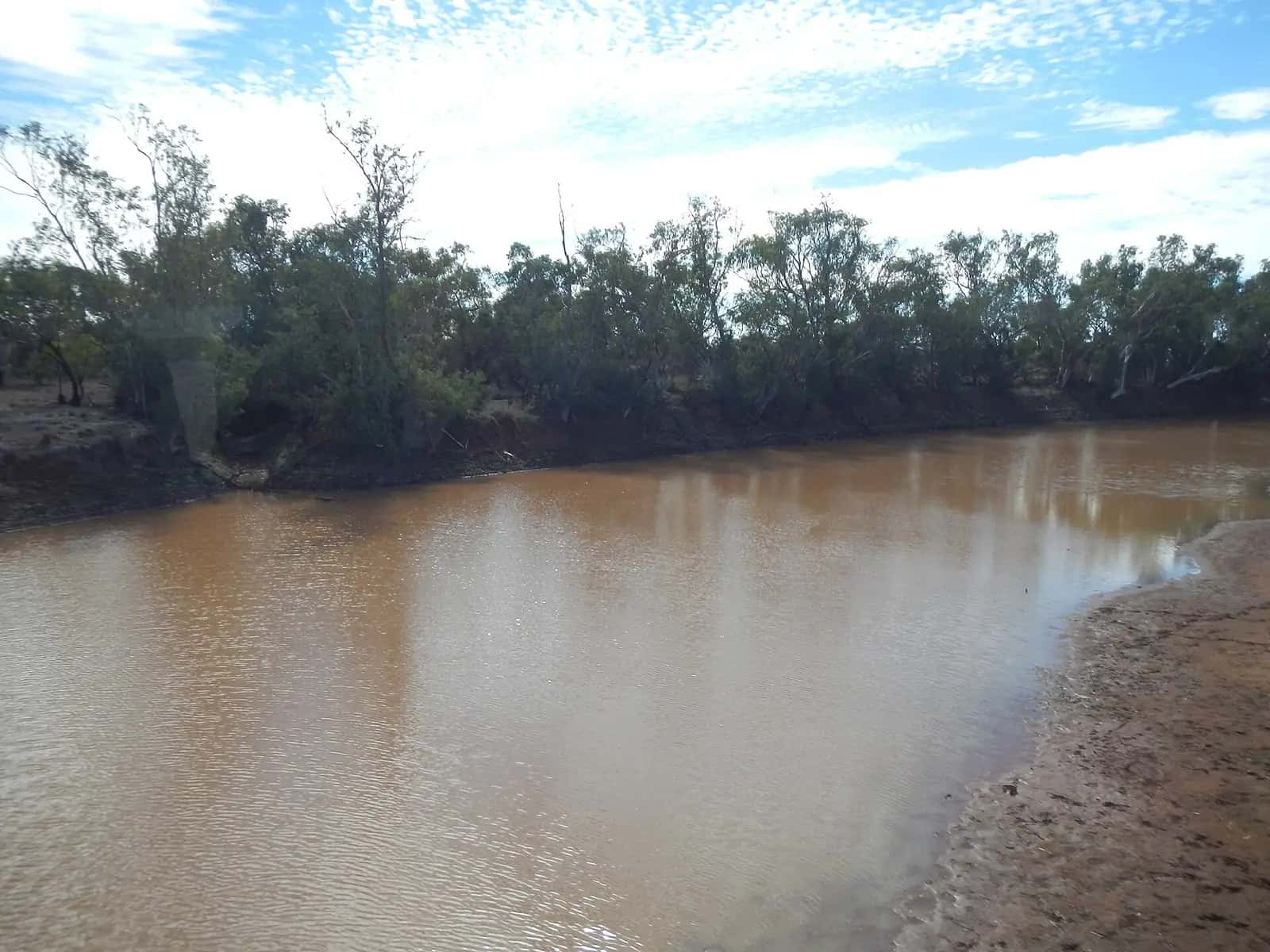
When floodwaters from Queensland reach the Cooper, the track's crossing can be cut for months. In major floods, a detour or ferry arrangement has operated. Check South Australia's outback road warnings before setting out, as flood conditions can change quickly.
Suggested itinerary
Day one. Marree to Mungerannie, stopping at Lake Harry and Clayton. Soak in the artesian pool at Mungerannie.
Day two. Mungerannie to Birdsville, crossing gibber plains and dunes. Arrive in time for a drink at the Birdsville Hotel and a sunset trip to Big Red.
Vehicle tips
Lower tyre pressures on gibber and corrugations, slow down, and carry two spare tyres. Dust from road trains and oncoming vehicles can be thick; pull over if you cannot see. See our 4WD driving guide.
Birdsville Races traffic
In early September, traffic on the track increases dramatically as people head to the Birdsville Races. Expect busy fuel stops and campgrounds.
Wildlife and landscapes
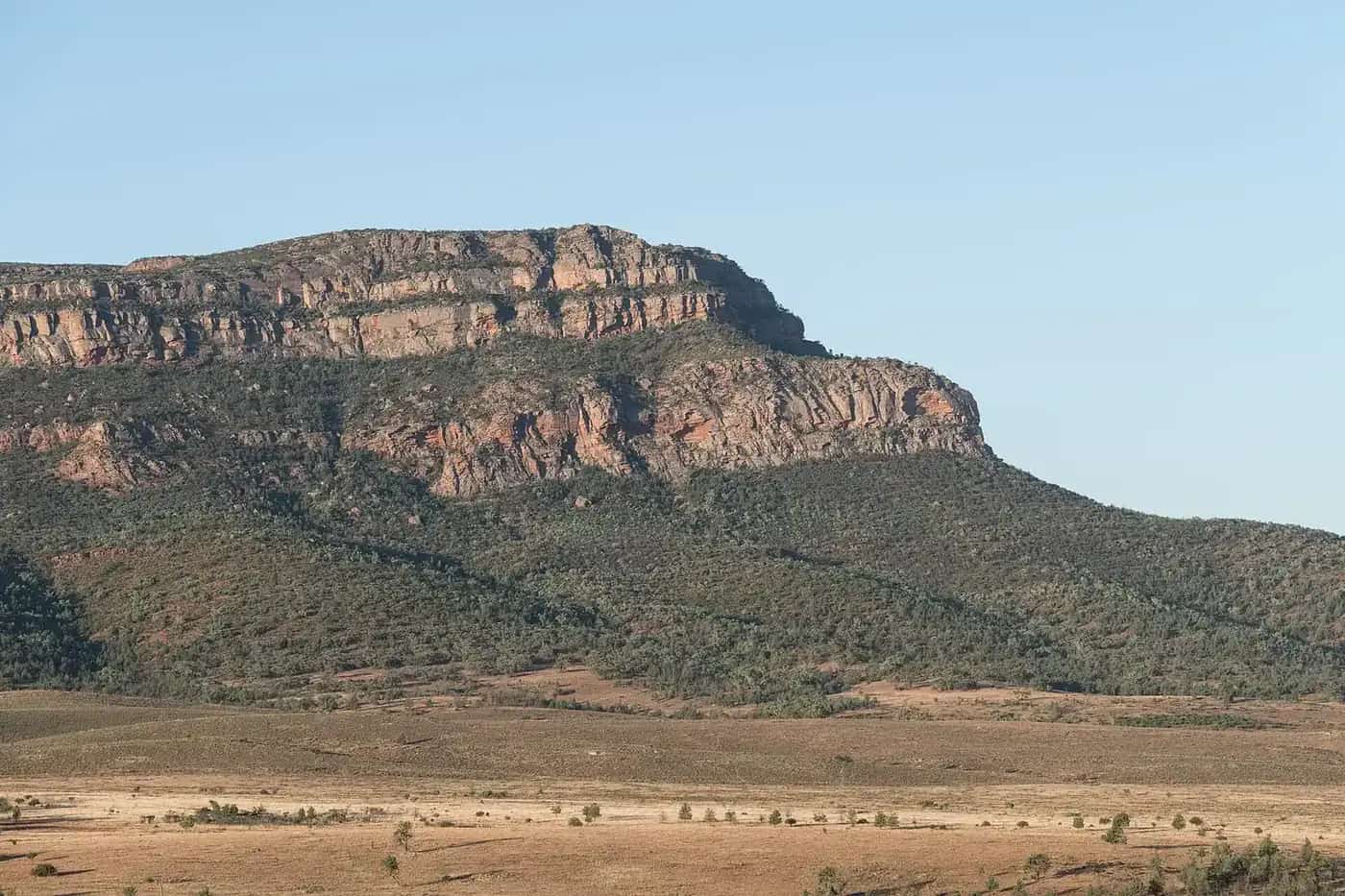
The track crosses the Sturt Stony Desert, with its gibber plains, the sand dunes of the Strzelecki and Tirari deserts, and the channels of Cooper Creek. After rain, the country greens up, and flowers and birds appear. Wedge-tailed eagles, black kites and brolgas may be seen, and dingoes sometimes cross the road.
Towing a caravan or camper trailer
When the track is dry and freshly graded, people do tow off-road camper trailers and caravans down the Birdsville Track. Corrugations, bulldust holes and stony sections are still hard on suspension, hitches, wheel bearings and water tanks, though. A purpose-built off-road trailer with good clearance is the safer choice. Drop your speed, check the hitch and tyres at every stop, and expect dust to get inside. A standard on-road caravan is generally not suited to the track.
Leave no trace
There are no bins along most of the track, so carry all your rubbish out to Marree or Birdsville. Use a portable toilet, or bury human waste well away from water and campsites, and take toilet paper out with you. Don't drive off the formed track: tyre marks on gibber plains can last for decades.
Photography
The gibber plains, sand dunes and Cooper Creek crossing photograph best in low morning and evening light, when the colours deepen and shadows add depth. Watch for road trains when stopping for photos. Pull well off the track, never on a crest or bend.
Related guides
Rain closes the track often. See wet season and road closures and 4WD recovery.
Frequently asked questions
Where is fuel available on the Birdsville Track?
Fuel is available at Marree, Mungerannie (check availability) and Birdsville. Plan for long distances without services.
Is the Birdsville Track sealed?
No. The Birdsville Track is mostly unsealed, though it is maintained and can often be driven carefully in a well-prepared vehicle in dry conditions. It closes after rain. Check South Australia's outback roads page.
Can you do the Birdsville Track in a 2WD?
In good, dry conditions the track is often passable for well-prepared high-clearance vehicles, but conditions change quickly and rain closes it. A 4WD gives a much bigger margin. Check SA outback road warnings before you go and observe closures.
Is there fuel on the Birdsville Track?
Mungerannie, roughly halfway, has historically offered fuel and meals, but services can change. Fill up in Marree or Birdsville and carry enough fuel to cover the whole track plus a reserve.
How long does it take?
Most travellers allow one long day or, better, two days with an overnight stop.
Sources and further reading
Facts on this page were checked against these primary and official sources. Conditions change — confirm before you travel or buy.
- Outback road warnings — Government of South Australia
- Birdsville Track (Wikipedia) — Wikipedia
- Diamantina Shire Council — Diamantina Shire Council