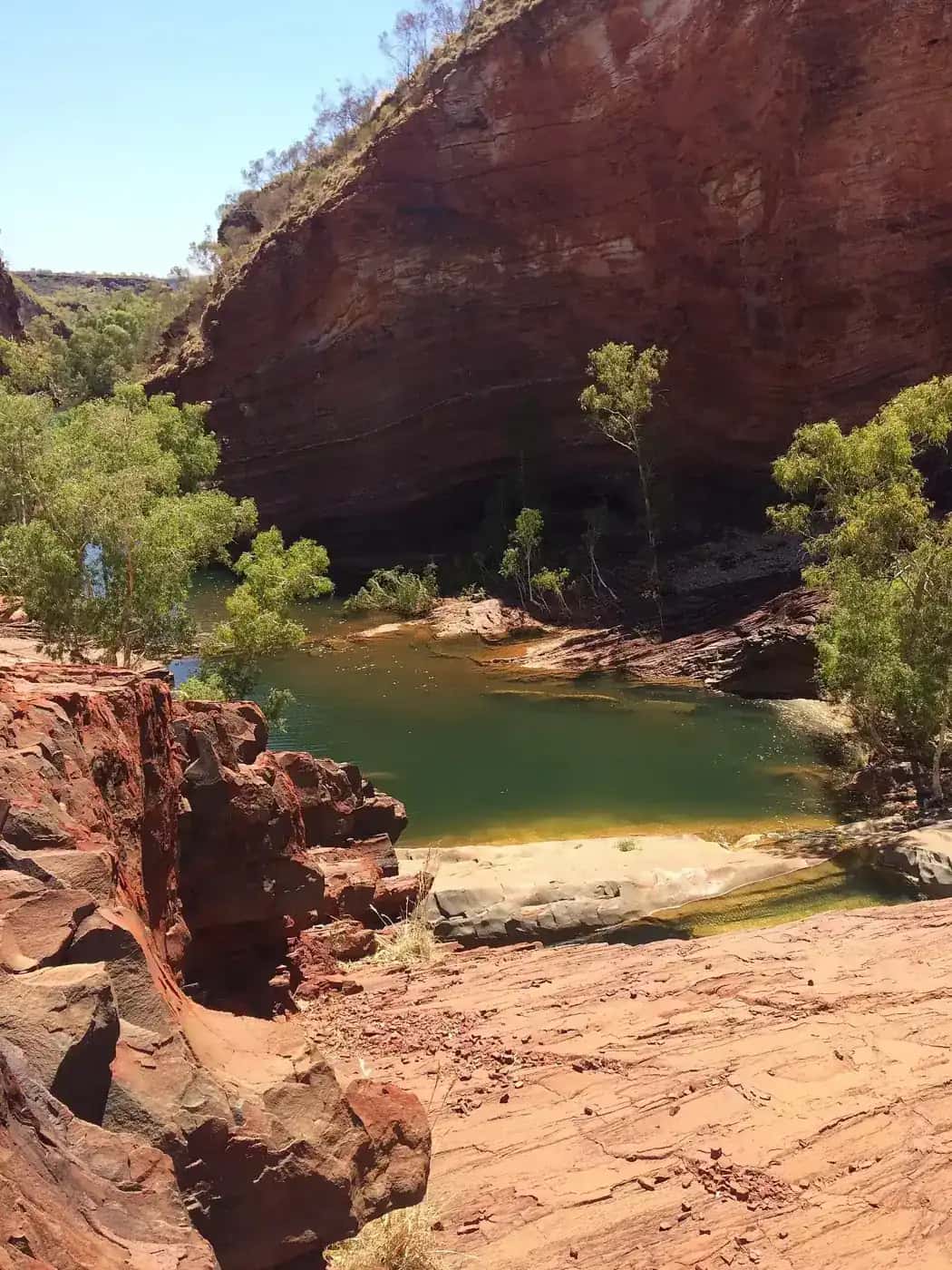
Australia's outback parks protect some of the oldest landscapes on earth, and nearly all of them are places of deep and continuing significance to their Traditional Owners. Many are jointly managed with Aboriginal people. For a quick overview across all states, see our outback national parks overview; the guides below go park by park.
Start here
- First visit: Uluru-Kata Tjuta, Kakadu and Nitmiluk in the Northern Territory.
- Gorges of the west: Karijini in the Pilbara and Purnululu in the Kimberley.
- Outback NSW and SA: Mungo, Mutawintji, Kinchega and Ikara-Flinders Ranges.
Each state runs its own park passes, bookings and closures. Our outback national parks overview explains how this works in each state.
Northern Territory
Western Australia
South Australia
- Ikara-Flinders Ranges National Park
- Kati Thanda–Lake Eyre National Park
- Kanku-Breakaways Conservation Park
- Munga-Thirri–Simpson Desert National Park
Queensland
New South Wales
Visiting respectfully
- Follow signs at cultural sites, and do not photograph where asked not to.
- Stay on tracks, take rubbish out and leave everything as you find it.
- Book camping in advance and carry a park pass where required.
- Check park alerts for closures, fire danger and flooding before you go.
How to choose a park
- For iconic landscapes: Uluru-Kata Tjuta and Purnululu are world-famous and best combined with scenic flights.
- For gorges and swimming: Karijini, Nitmiluk, Boodjamulla and Tjoritja / West MacDonnell have waterholes, gorges and walks.
- For Aboriginal rock art and culture: Carnarvon Gorge, Mutawintji and Ikara-Flinders Ranges offer some of the finest art and cultural tours.
- For ancient history: Mungo holds evidence of human life stretching back more than 40,000 years.
- For remote desert adventure: the Simpson Desert, Kati Thanda–Lake Eyre and Sturt reward well-prepared 4WD travellers.
When to visit outback parks
Most outback parks are best visited in the cooler months, from about April to October. In the tropical north, the dry season (May to September) brings the best access, while wet-season rains close roads and gorges. Desert parks such as the Simpson close in summer because of extreme heat. See our best time to visit and seasonal calendar guides.
Park passes and bookings
Each state and territory manages its parks differently:
- NSW: some parks charge vehicle entry fees; campsites are booked through NSW National Parks.
- Queensland: camping permits must be booked in advance through Queensland Parks and Wildlife Service.
- South Australia: a Desert Parks Pass covers several desert parks; other parks have entry and camping fees.
- Northern Territory: interstate and international visitors need an NT Parks Pass for many parks; Uluru-Kata Tjuta requires its own pass from Parks Australia.
- Western Australia: park entry fees apply, and campsites at many parks are booked through Parks WA.
Always check official websites for current fees and conditions. Our fuel, permits and road conditions page lists official links.
Safety in outback parks
Distances are long, temperatures can be extreme, and mobile coverage is limited or absent. Carry plenty of water, check road and park alerts, tell someone your plans and consider carrying a PLB. Read our outback safety guide and remote-area travel safety guide.
Combining parks with road trips
Many parks fit naturally into classic road trips: Uluru, the West Macs and Nitmiluk on the Adelaide to Darwin drive; Karijini and Purnululu on the Perth to Darwin drive; Boodjamulla on the Savannah Way; and Carnarvon Gorge on the Great Inland Way.
Leave no trace
Outback parks are fragile. Take all rubbish out, use toilets where provided or bury human waste well away from water, collect firewood outside parks where allowed, and keep to existing tracks. Never feed wildlife. These small habits help protect parks for future visitors and for the Traditional Owners who care for them.
World Heritage in the outback
Several outback parks and landscapes are on the UNESCO World Heritage List, recognised for outstanding natural or cultural values:
- Uluru-Kata Tjuta National Park (NT) — listed for both its natural landscape and its living Anangu cultural landscape. See Uluru-Kata Tjuta.
- Kakadu National Park (NT) — wetlands, escarpment country and rock art.
- Purnululu National Park (WA) — the Bungle Bungle Range. See Purnululu.
- Willandra Lakes Region (NSW) — including Mungo National Park. See Mungo.
- Australian Fossil Mammal Sites (Riversleigh) (Qld) — within Boodjamulla National Park. See Boodjamulla.
- Murujuga Cultural Landscape (WA) — rock engravings on the Burrup Peninsula, inscribed in 2025.
Lesser-known parks worth a detour
Beyond the famous names, many quieter parks reward the extra effort: Gundabooka and Paroo-Darling in NSW; Idalia, Currawinya and Porcupine Gorge in Queensland; Witjira, Vulkathunha-Gammon Ranges and Gawler Ranges in South Australia; Finke Gorge and Judbarra / Gregory in the Northern Territory; and Millstream Chichester and Mount Augustus in Western Australia. Facilities are often basic and roads can be rough, so check the managing agency's website before you go.
Aboriginal rangers
Many outback parks employ Aboriginal rangers, and Indigenous ranger programs across the country care for land and sea on Aboriginal-owned and jointly managed country. Their work includes fire management, feral animal control, cultural site protection and visitor education. Ranger-led talks and tours, where offered, are some of the best ways to learn about a park.
Drones and photography
Drone use is restricted in national parks in every state and territory, and usually needs a permit or written consent. Commercial photography and filming typically require permits, and some cultural sites can't be photographed at all. Check the rules with the managing agency before you fly or film.
Pets
Dogs and other pets are generally prohibited in national parks, partly because baits for feral predators may be laid in and around parks. Plan pet-friendly accommodation or boarding before your trip.
More park guides: Kings Canyon (Watarrka), Kakadu, Litchfield, Karlu Karlu / Devils Marbles, Millstream Chichester and Gawler Ranges.
New park guides: Undara Volcanic, Mount Augustus, Wolfe Creek Crater and Finke Gorge (Palm Valley).
More park guides: Kennedy Range, Chambers Pillar, Rainbow Valley, Henbury Meteorites and Porcupine Gorge.
More park guides: Kinchega, Paroo-Darling, Witjira (Dalhousie Springs), Windjana Gorge & Tunnel Creek, Danggu (Geikie Gorge), East MacDonnell Ranges, Judbarra/Gregory, Diamantina and Currawinya.
More park guides: Innamincka Regional Reserve, Vulkathunha-Gammon Ranges, Mirima, Keep River, Bladensburg, Lark Quarry, Gundabooka & Toorale, Limmen, Rinyirru (Lakefield) and Blackdown Tableland.
More park guides: Willandra, Mount Grenfell, Culgoa, Wabma Kadarbu Mound Springs, Lake Gairdner, Malkumba-Coongie Lakes, Mitchell River, Idalia, Elsey and Riversleigh World Heritage Area.
Park details are checked against official parks agencies under our editorial policy. Read more about us, our image credits and our privacy policy.
Featured guides

National parks · Northern Territory
Uluru-Kata Tjuta National Park
Uluru-Kata Tjuta National Park guide: Anangu culture, the Uluru base walk, Kata Tjuta's Valley of the Winds, park passes, seasons and how to get there.
Read · 4 min

National park
Kakadu National Park
Planning Kakadu National Park, NT: 2026 park pass prices, the Jim Jim and Twin Falls closure for 2026, Ubirr and Burrungkuy rock art, Yellow Water cruises, the seven regions, how many days you need, and the dry season versus tropical summer.
Read · 3 min
National parks · Western Australia
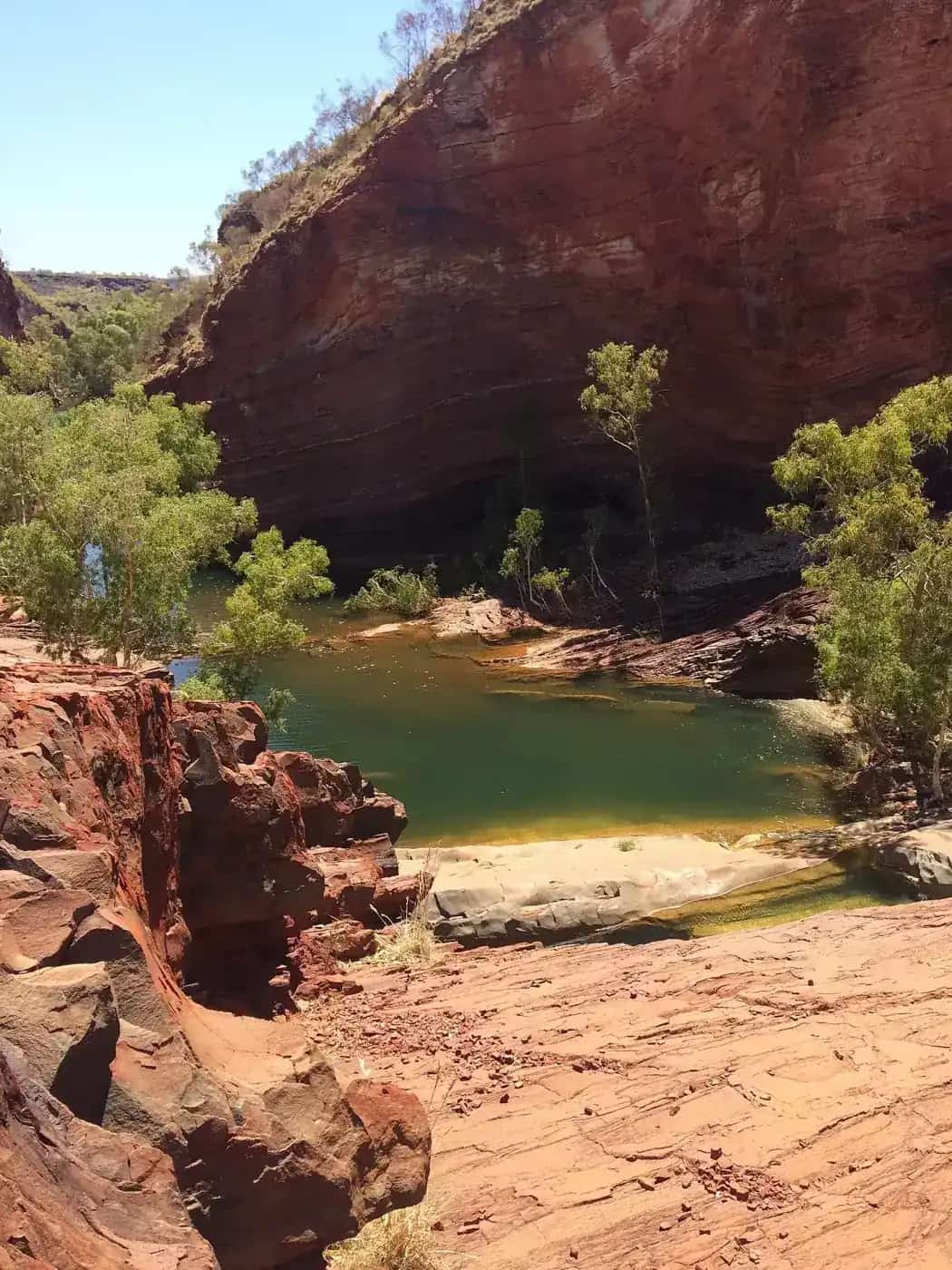
Karijini National Park
Karijini National Park guide: Dales, Weano, Hancock, Joffre and Hamersley gorges, trail classes, Mount Bruce, camping, seasons and safety in WA's Pilbara.
Read · 4 min
National parks · Western Australia
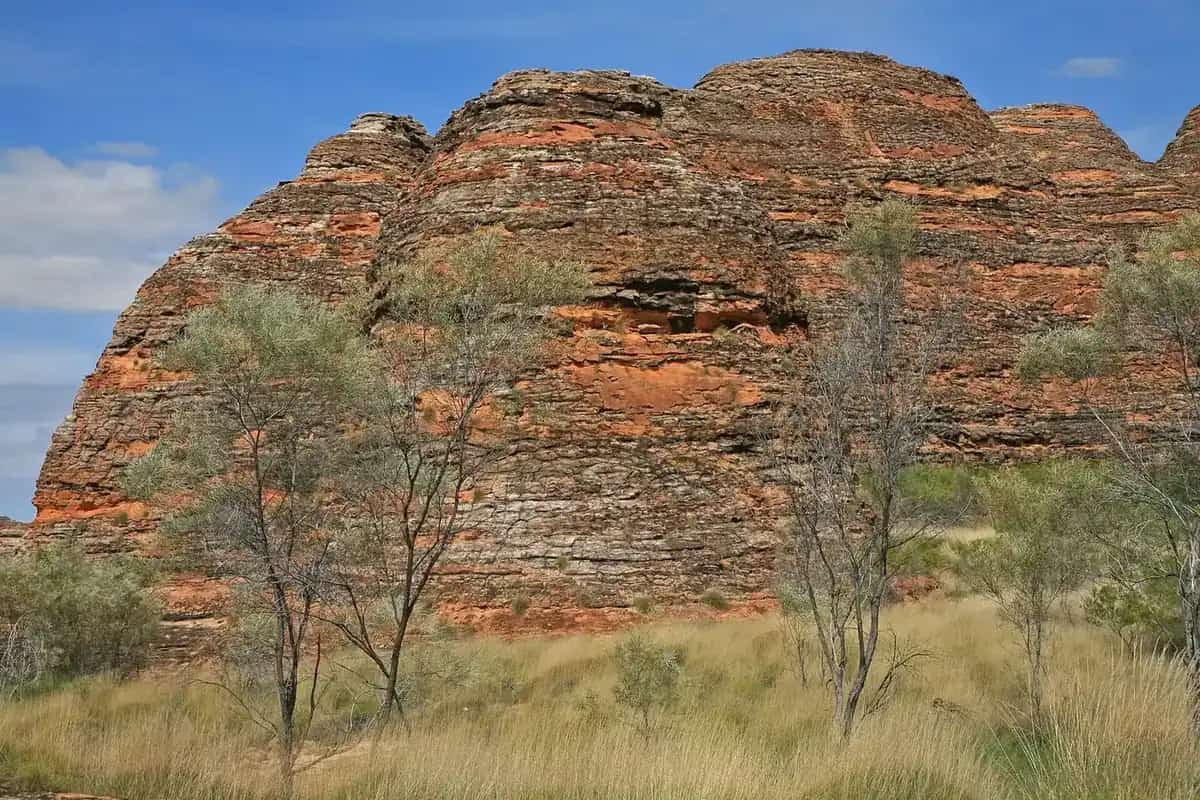
Purnululu National Park
Purnululu National Park guide: the beehive domes of the Bungle Bungle Range, Cathedral Gorge, Echidna Chasm, access, scenic flights, camping and seasons.
Read · 4 min

National parks · South Australia
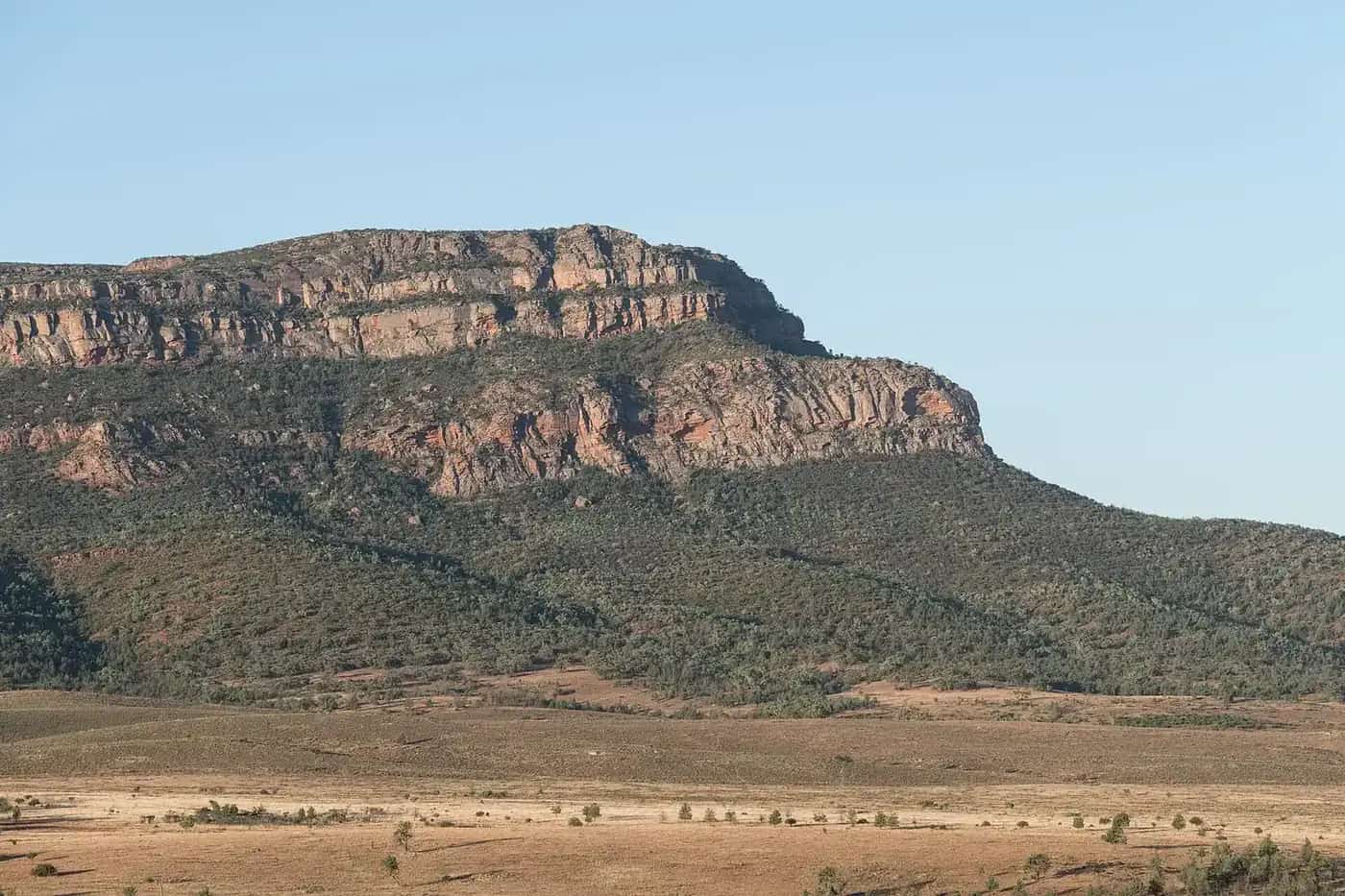
Ikara-Flinders Ranges National Park
Ikara-Flinders Ranges National Park guide: Wilpena Pound (Ikara), Brachina Gorge's geological trail, Adnyamathanha culture, walks, camping and seasons.
Read · 4 min

National parks · New South Wales
Mungo National Park
Mungo National Park guide: the Walls of China lunette, Mungo Lady and Mungo Man, the Willandra Lakes World Heritage Area, the self-drive loop and camping.
Read · 4 min
Guides in this section
National parks · Northern Territory
Uluru-Kata Tjuta National Park
Uluru-Kata Tjuta National Park guide: Anangu culture, the Uluru base walk, Kata Tjuta's Valley of the Winds, park passes, seasons and how to get there.
Read · 4 min

National parks · Northern Territory
Tjoritja / West MacDonnell National Park
Tjoritja / West MacDonnell National Park guide: Simpsons Gap, Standley Chasm, Ellery Creek, Ormiston and Glen Helen gorges and the Larapinta Trail.
Read · 4 min
National parks · Northern Territory
Nitmiluk National Park
Nitmiluk National Park guide: Katherine Gorge cruises and canoeing, Leliyn (Edith Falls), the Jatbula Trail, Jawoyn culture, camping and seasons.
Read · 4 min
National parks · Western Australia
Karijini National Park
Karijini National Park guide: Dales, Weano, Hancock, Joffre and Hamersley gorges, trail classes, Mount Bruce, camping, seasons and safety in WA's Pilbara.
Read · 4 min
National parks · Western Australia
Purnululu National Park
Purnululu National Park guide: the beehive domes of the Bungle Bungle Range, Cathedral Gorge, Echidna Chasm, access, scenic flights, camping and seasons.
Read · 4 min
National parks · South Australia
Ikara-Flinders Ranges National Park
Ikara-Flinders Ranges National Park guide: Wilpena Pound (Ikara), Brachina Gorge's geological trail, Adnyamathanha culture, walks, camping and seasons.
Read · 4 min
National parks · South Australia
Kati Thanda–Lake Eyre National Park
Kati Thanda–Lake Eyre National Park guide: Australia's largest salt lake, when it fills, access via Halligan Bay and Lake Eyre South and scenic flights.
Read · 4 min

National parks · South Australia & Queensland
Munga-Thirri–Simpson Desert National Park
Munga-Thirri–Simpson Desert National Park guide: crossing the Simpson by 4WD, the French Line, QAA Line and Rig Road, passes, summer closures and safety.
Read · 4 min
National parks · Queensland
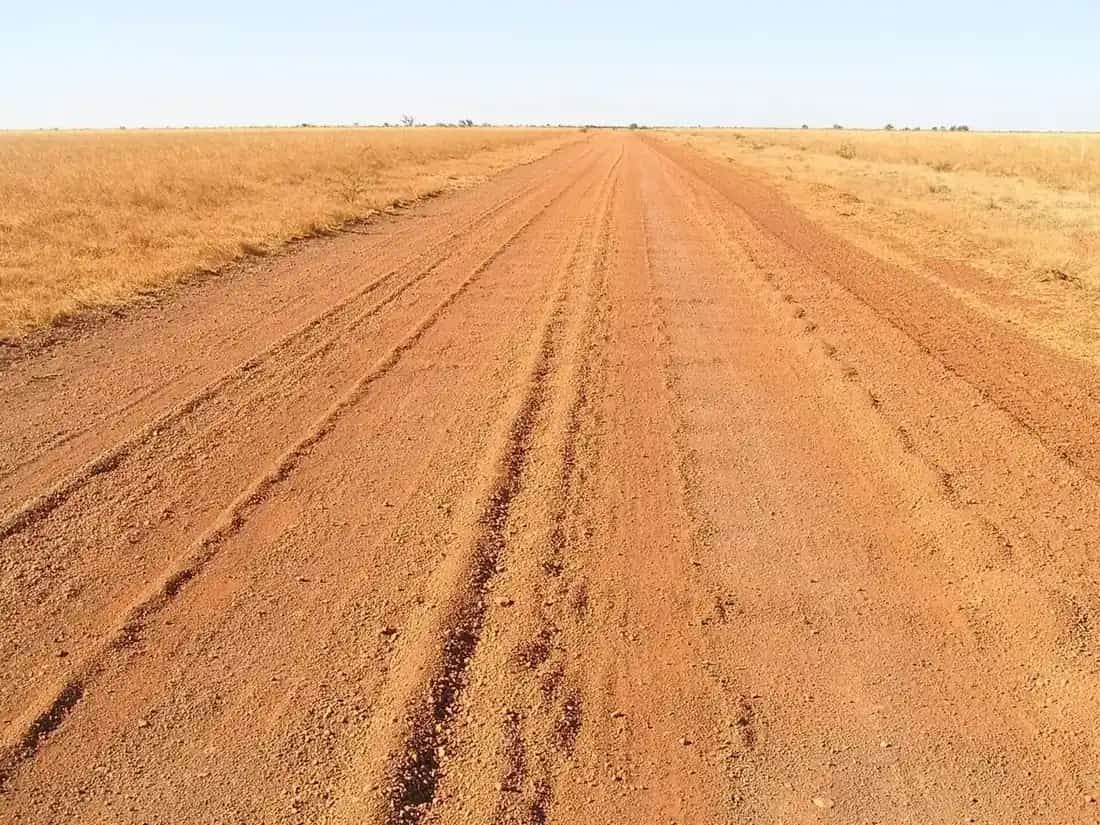
Boodjamulla (Lawn Hill) National Park
Boodjamulla (Lawn Hill) National Park guide: Lawn Hill Gorge, canoeing, Indarri Falls, the Riversleigh fossil site, Waanyi culture, access and camping.
Read · 4 min
National parks · Queensland
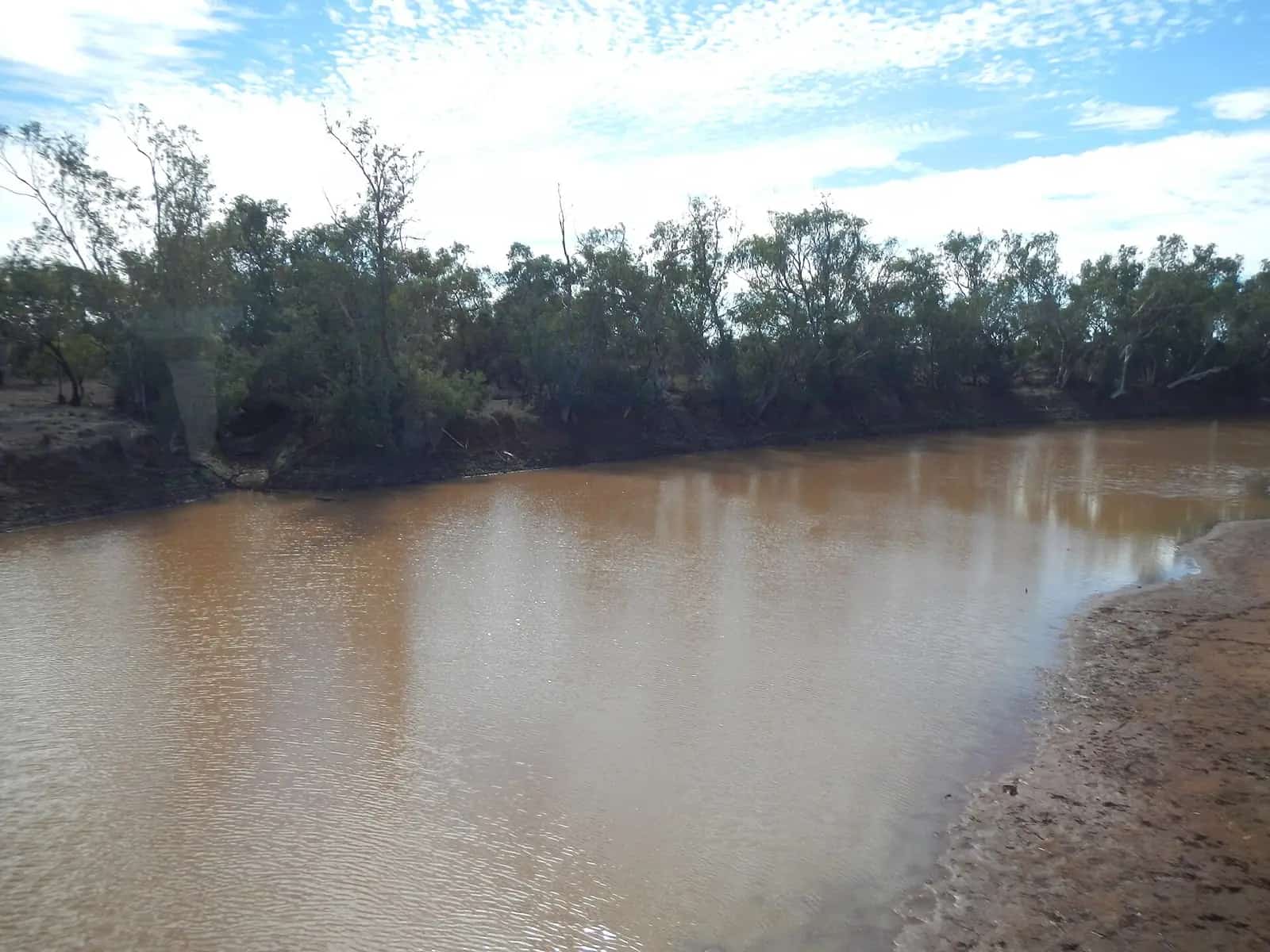
Carnarvon Gorge
Carnarvon Gorge guide: the main gorge walk, Art Gallery and Cathedral Cave rock art, the Amphitheatre and Moss Garden, camping, access and seasons.
Read · 4 min
National parks · New South Wales
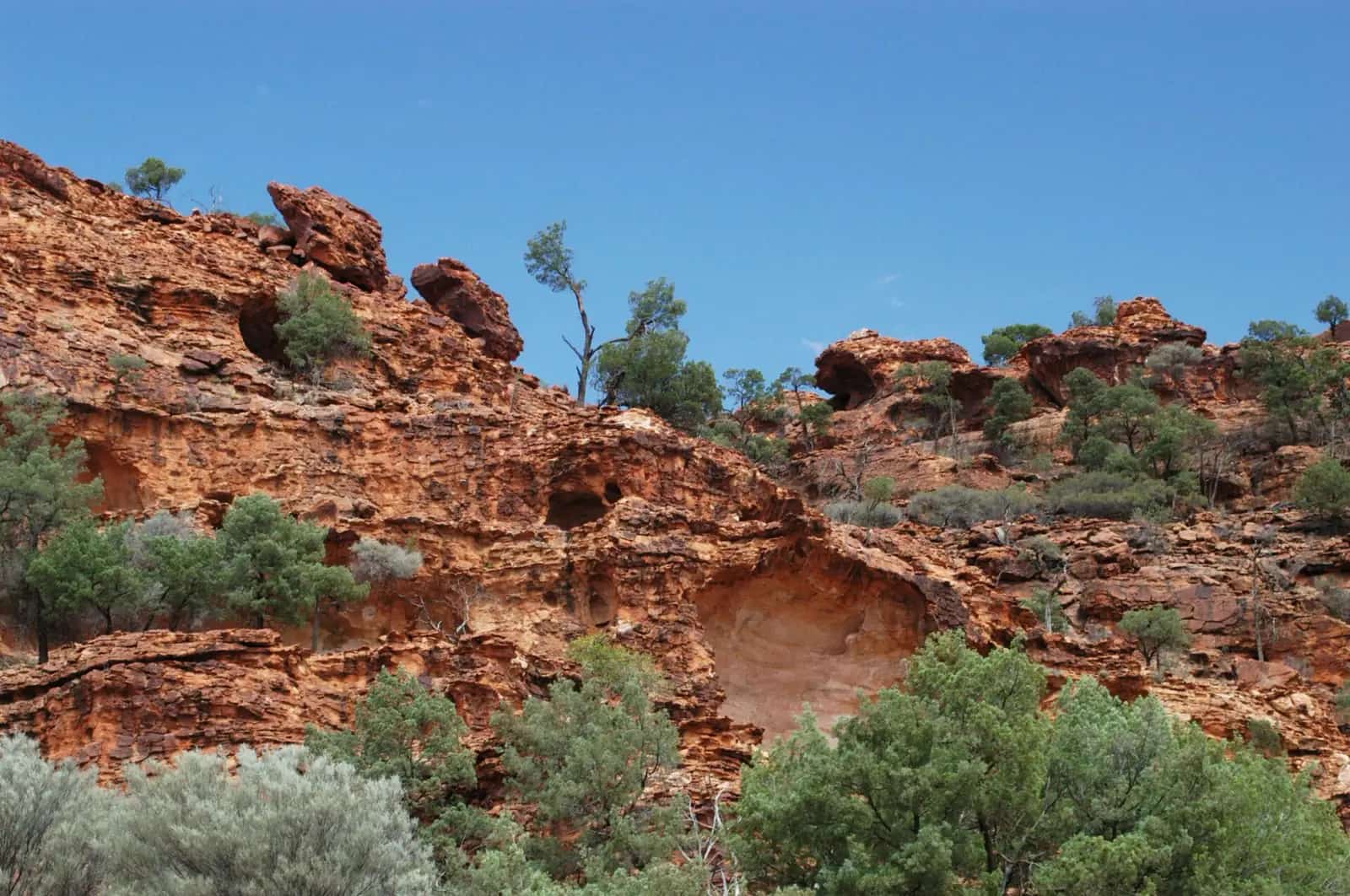
Mutawintji National Park
Mutawintji National Park guide: Aboriginal rock art, the Mutawintji Historic Site, gorge walks, Homestead Creek camping and access from Broken Hill.
Read · 4 min
National parks · New South Wales
Mungo National Park
Mungo National Park guide: the Walls of China lunette, Mungo Lady and Mungo Man, the Willandra Lakes World Heritage Area, the self-drive loop and camping.
Read · 4 min
National parks · New South Wales
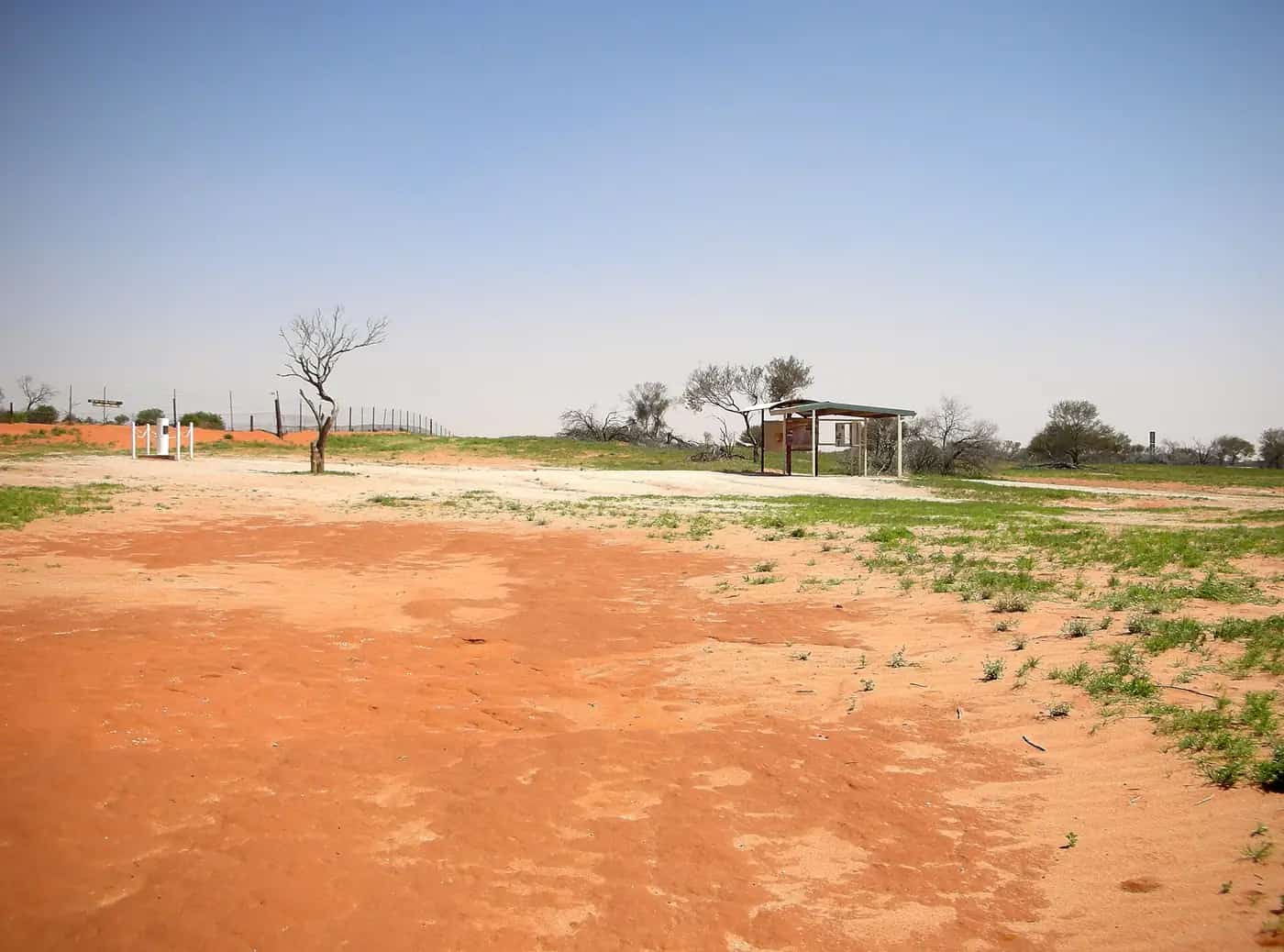
Sturt National Park
Sturt National Park guide: Corner Country gibber plains and jump-ups, Fort Grey and Cameron Corner, Dead Horse Gully, wildlife and camping.
Read · 4 min
National park
Watarrka National Park (Kings Canyon)
Visiting Kings Canyon in Watarrka National Park, NT: the 6 km Rim Walk and its 9 am heat rule, the Kings Creek and Kathleen Springs walks, the Giles Track, the NT Parks Visitor Pass, camping rules, drones and the best time to go.
Read · 4 min
National park
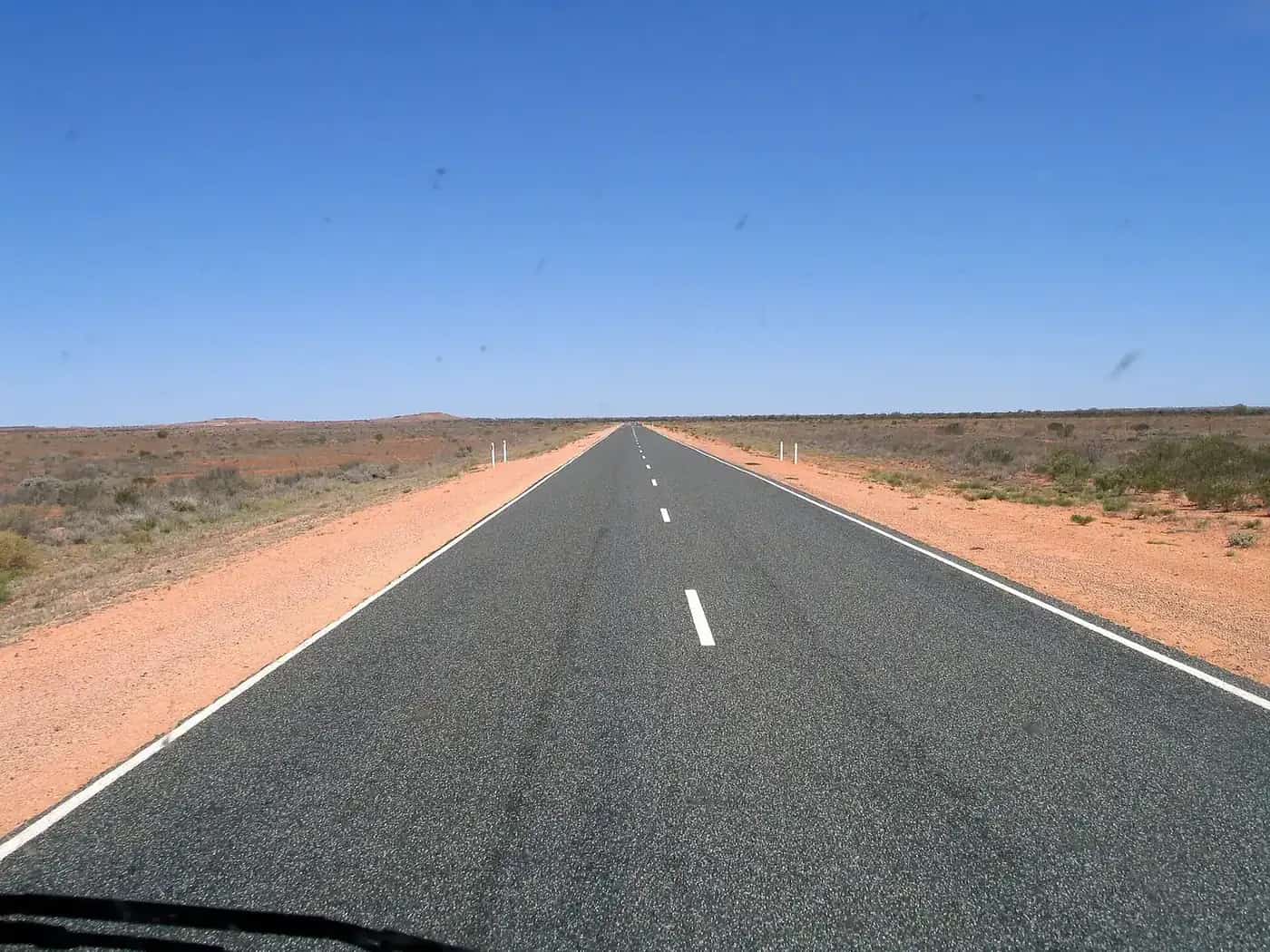
Karlu Karlu / Devils Marbles Conservation Reserve
Visiting Karlu Karlu / Devils Marbles on the Stuart Highway, NT: where it is, its cultural significance, the 20-minute Karlu Karlu walk and the 4 km Nurrku Walk, campground bookings, park pass, rules and the best time for sunrise and sunset.
Read · 4 min
National park
Millstream Chichester National Park
Millstream Chichester National Park in the Pilbara, WA: swimming at Python Pool and Deep Reach, Miliyanha and Stargazers campgrounds, walk trails, entry fees, the sealed road from Karratha versus the Rio Tinto rail access road, and the best time to go.
Read · 4 min
National park
Litchfield National Park
Litchfield National Park near Darwin, NT: Florence Falls, Wangi Falls, Buley Rockhole and Tolmer Falls, the NT Parks Visitor Pass, camping, 4WD tracks to the Lost City and Tjaynera Falls, swimming safety, and whether you can do it in a day.
Read · 4 min
National park
Kakadu National Park
Planning Kakadu National Park, NT: 2026 park pass prices, the Jim Jim and Twin Falls closure for 2026, Ubirr and Burrungkuy rock art, Yellow Water cruises, the seven regions, how many days you need, and the dry season versus tropical summer.
Read · 3 min
National park
Gawler Ranges National Park
Gawler Ranges National Park, SA: the Organ Pipes and Kolay Mirica Falls, six campgrounds and which suit 2WD or caravans, vehicle entry and camping fees, access from Iron Knob, Kimba, Wudinna or Minnipa, wildlife, and the best time to visit.
Read · 4 min
National park
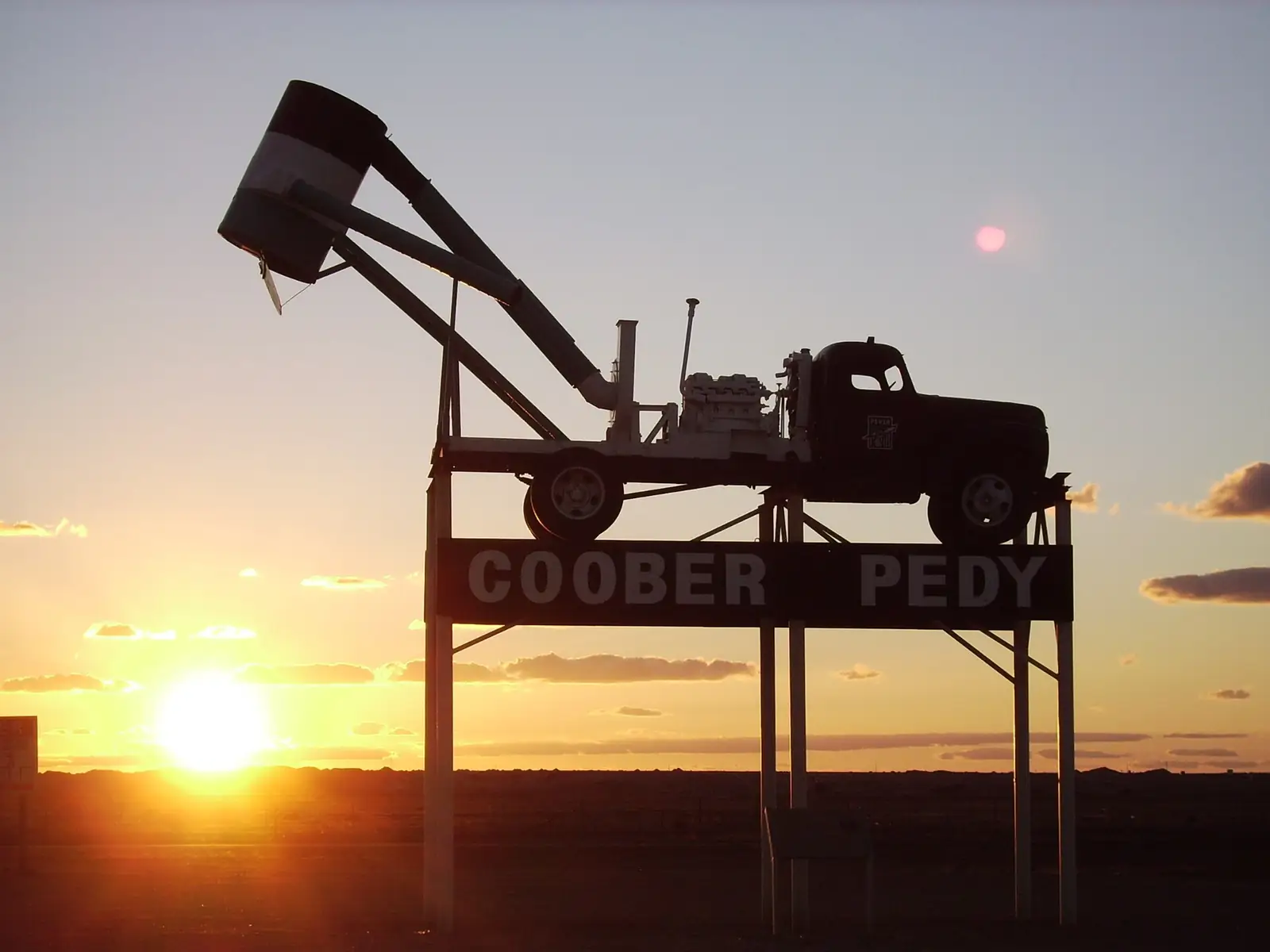
Kanku-Breakaways Conservation Park
Visit the Kanku-Breakaways Conservation Park near Coober Pedy, SA: lookouts and wildlife, the vehicle entry permit and where to buy it, Aboriginal co-management, access roads, park rules, the best time to go and safety.
Read · 4 min
National park
Undara Volcanic National Park
Visit the Undara Lava Tubes in Undara Volcanic National Park, Queensland: why access is by guided tour only, the self-guided Kalkani Crater rim walk, distances from Cairns and Townsville, where to stay (no camping in the park), wildlife, the best time to go and how it fits a Savannah Way trip.
Read · 4 min
National park
Mount Augustus National Park
Visit Mount Augustus (Burringurrah) National Park in WA's Gascoyne: the 45 km 2WD Loop Trail, petroglyphs, Cattle Pool, walk trails and grades, Summit Trail seasonal opening and closing rules, heat safety, no entry fee and how to plan a remote trip.
Read · 4 min
National park
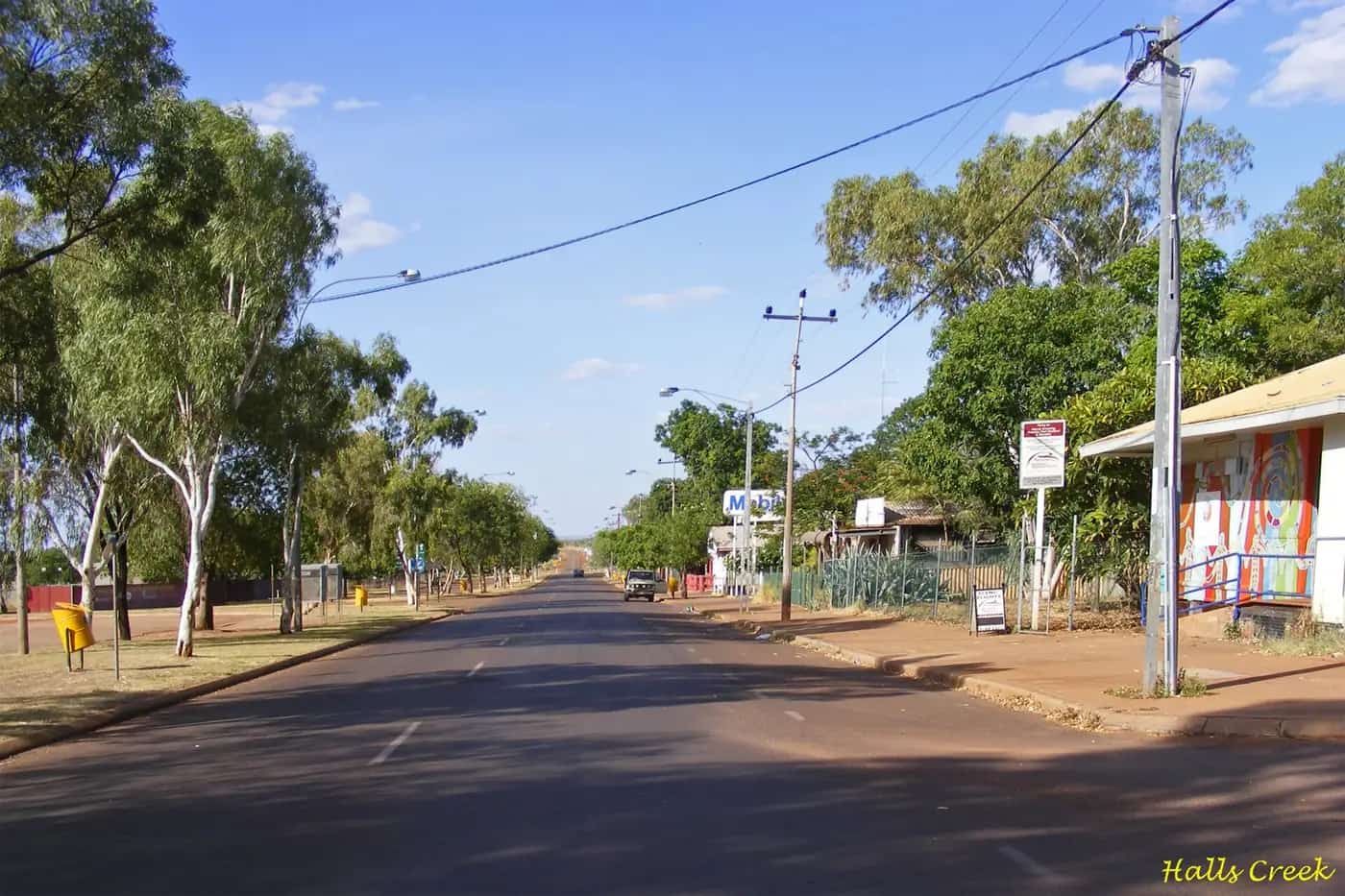
Wolfe Creek Meteorite Crater National Park
Visit Wolfe Creek Meteorite Crater (Kandimalal) National Park in the Kimberley, WA: how the crater formed, the 400 m rim walk, why you can't walk into the crater, the 145 km gravel road from Halls Creek via the Tanami Road, camping, the best time to go and safety.
Read · 4 min
National park
Finke Gorge National Park and Palm Valley
Visit Finke Gorge National Park and Palm Valley, west of Alice Springs: the red cabbage palms, high-clearance 4WD access along the Finke River bed, the Arankaia, Mpulungkinya, Kalarranga and Mparra walks, booking camping, the Boggy Hole 4WD route, NT Parks Visitor Pass and the best time to visit.
Read · 4 min
Gascoyne
Kennedy Range National Park
Plan a visit to Kennedy Range National Park in WA's inland Gascoyne: the 75 km sandstone plateau east of Carnarvon, the unsealed road from Gascoyne Junction, Temple Gorge Campground, the Temple Gorge, Drapers Gorge, Honeycomb Gorge and Escarpment trails, wildflowers, safety and cultural protocols.
Read · 4 min
Red Centre
Chambers Pillar Historical Reserve
Visit Chambers Pillar Historical Reserve, 160 km south of Alice Springs: the 50 m sandstone pillar named by John McDouall Stuart in 1860, the Itirkawara Dreaming story, the 4WD route via the Old South Road and Maryvale, the NT Parks Visitor Pass, camping bookings, sunset viewing and park rules.
Read · 4 min
Red Centre
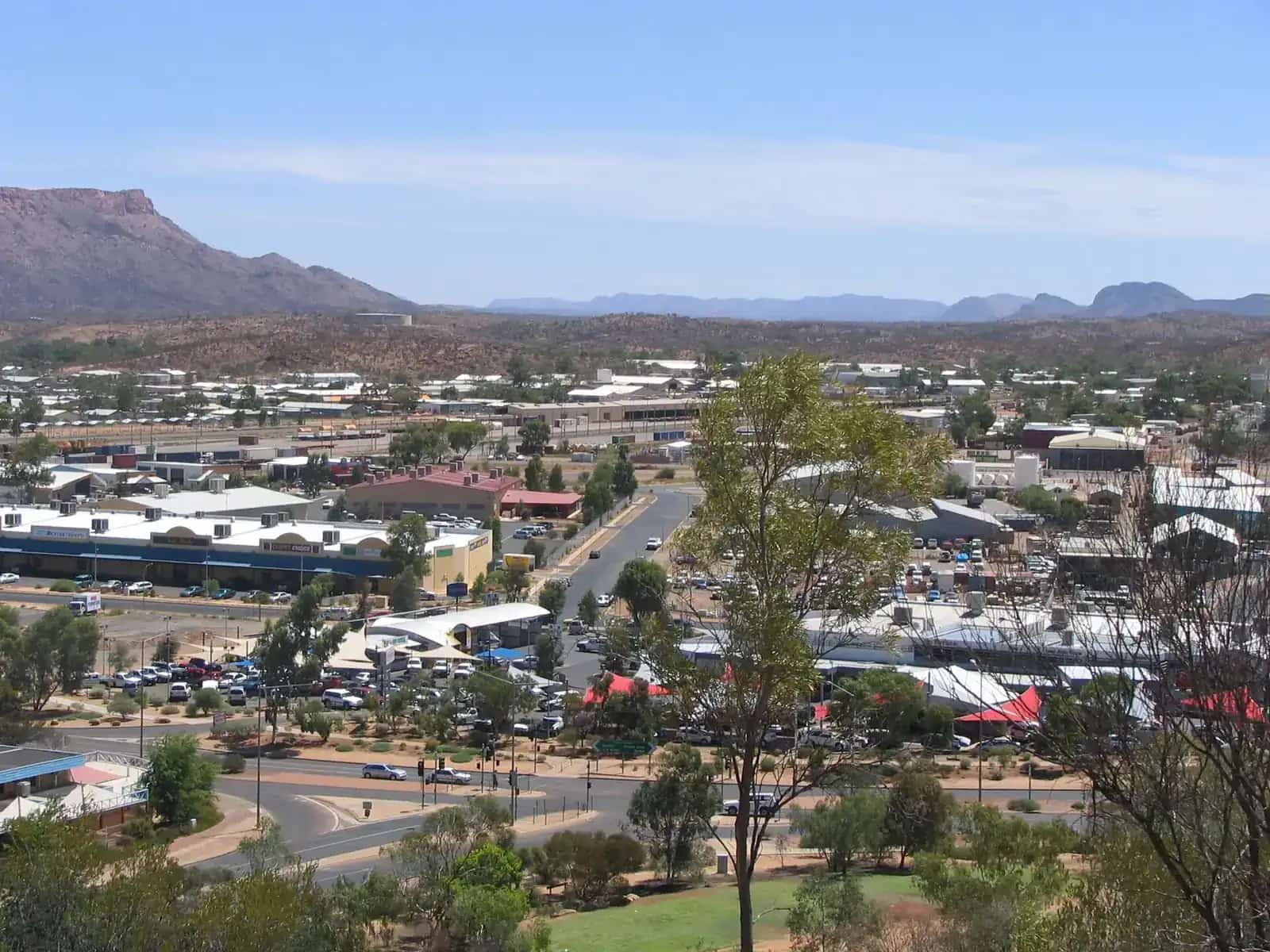
Rainbow Valley Conservation Reserve
Visit Rainbow Valley Conservation Reserve (Wurre), south of Alice Springs: the banded sandstone bluffs of the James Range, the Mushroom Rock and Claypan walks, the 22 km unsealed access road, camping bookings, the NT Parks Visitor Pass, the best light for photos and park rules.
Read · 3 min
Red Centre
Henbury Meteorites Conservation Reserve
Visit Henbury Meteorites Conservation Reserve, 145 km south-west of Alice Springs: 12 craters made about 4,700 years ago by a fragmenting meteor, the largest 180 m wide. Covers access via the Stuart Highway and Ernest Giles Road, the current high-clearance 4WD advice, self-sufficient camping, the walk, park rules and nearby Red Centre sights.
Read · 3 min
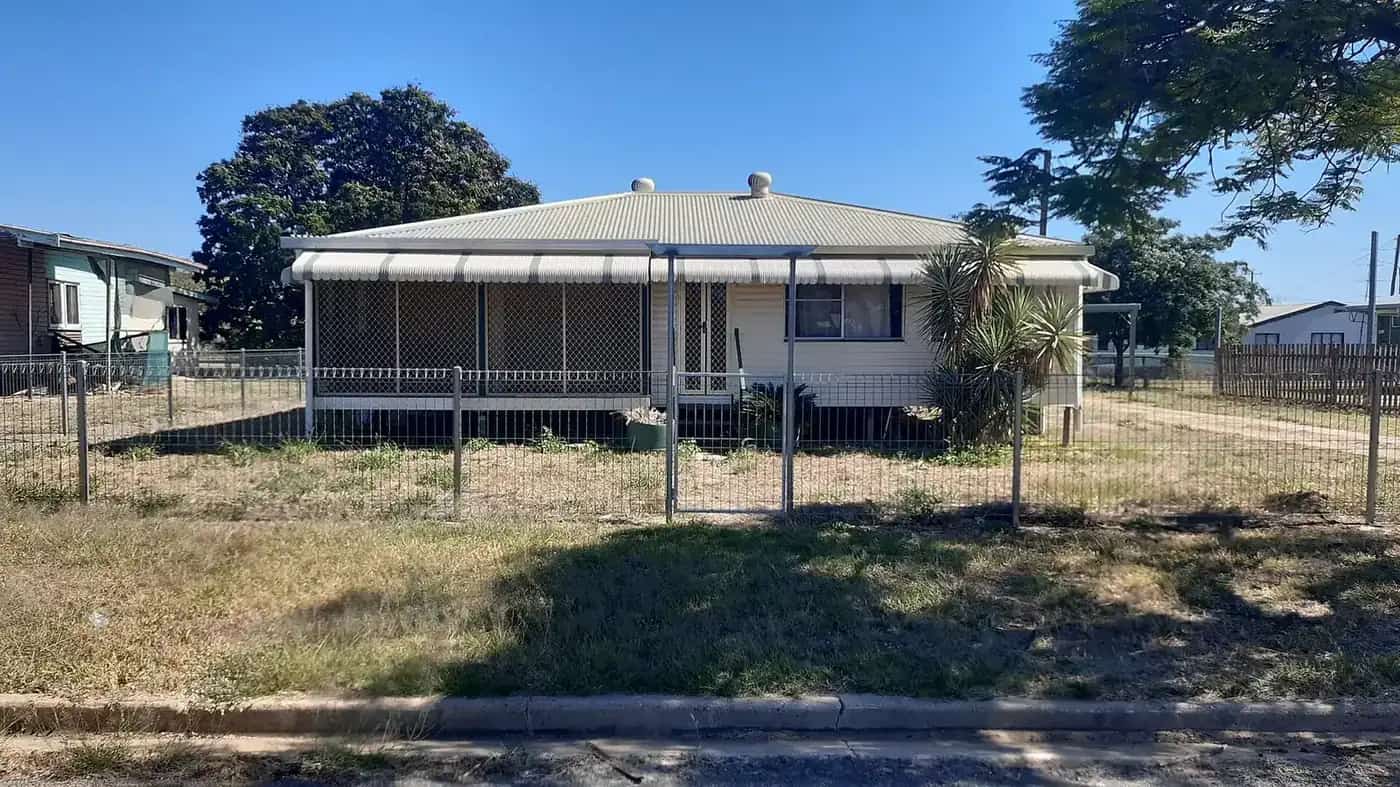
Outback Queensland
Porcupine Gorge National Park
Visit Porcupine Gorge National Park, about 60 km north of Hughenden in outback Queensland: the Gorge lookout, the steep Pyramid walking track to the gorge floor, the Rim walk, Pyramid camping area bookings, road access by conventional vehicle, campfire rules, wildlife and how to care for the park.
Read · 3 min
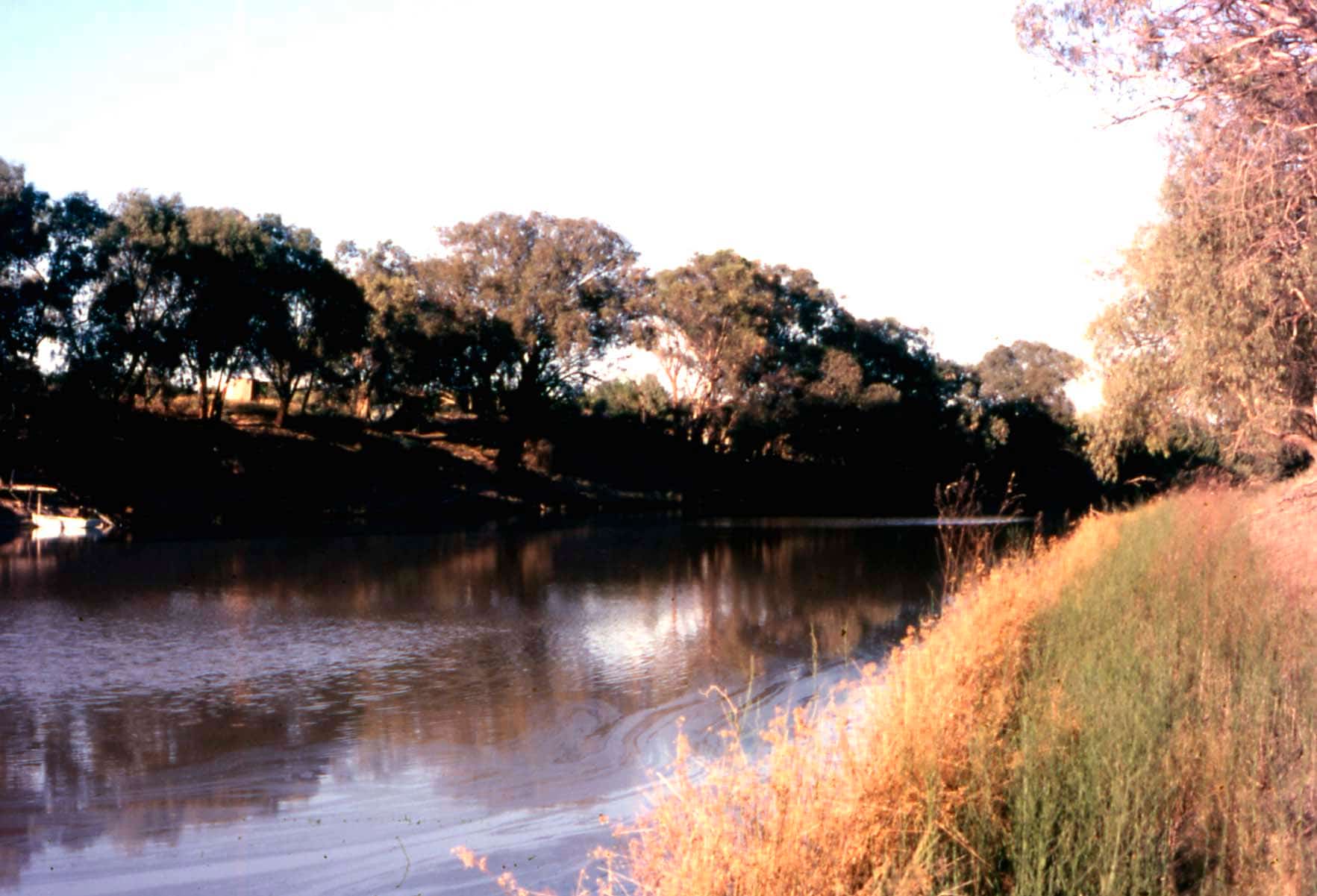
Outback NSW
Kinchega National Park
Plan a visit to Kinchega National Park beside Menindee in outback NSW: Darling River, Emu Lake and Cawndilla campgrounds, the Kinchega Shearers' Quarters, the 1875 woolshed, Old Kinchega Homestead, the PS Providence site, entry fees, weather and safety.
Read · 5 min
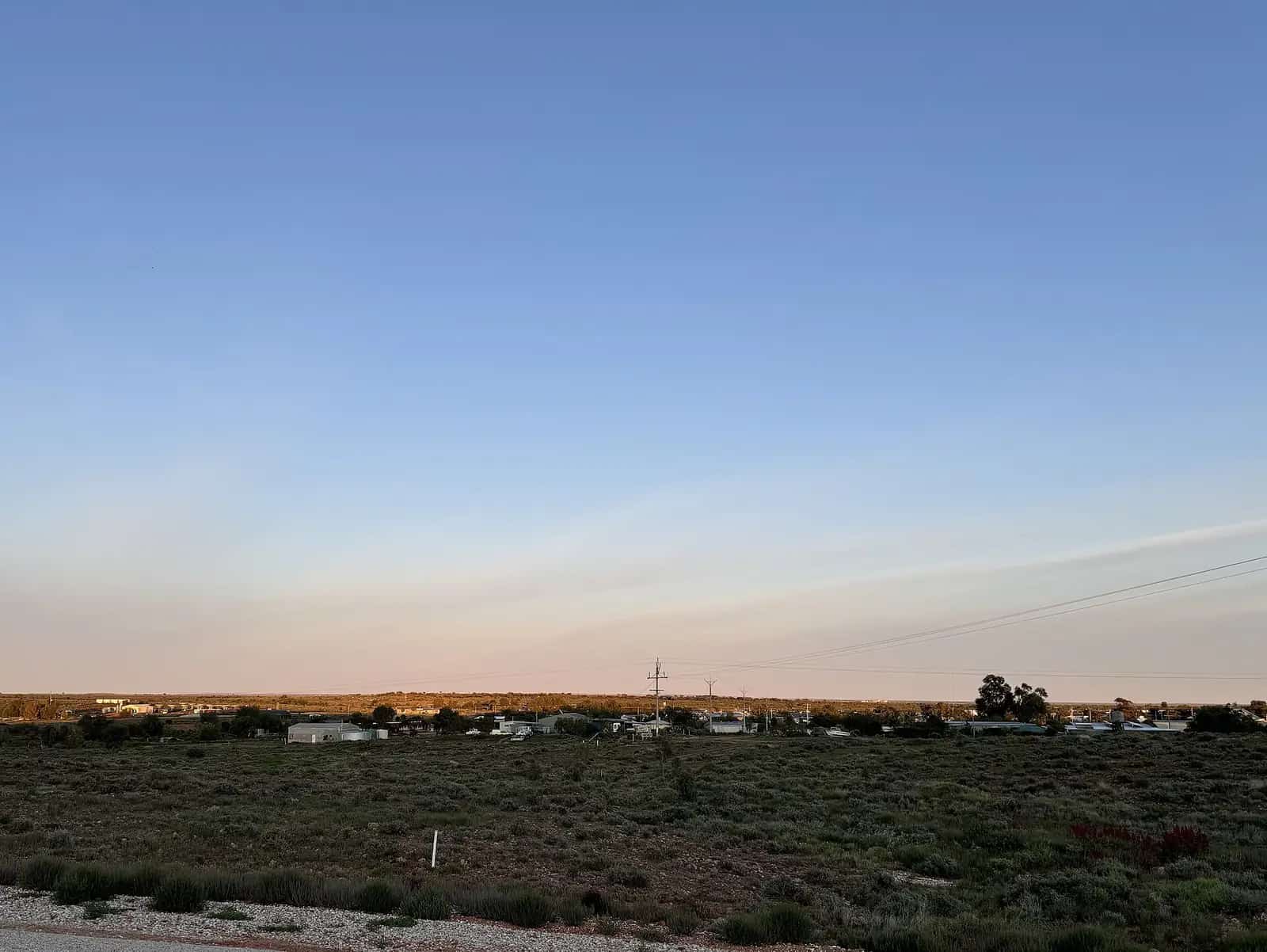
Outback NSW
Paroo-Darling National Park
Visit Paroo-Darling National Park near Wilcannia and White Cliffs: Peery Lake and the Paroo Overflow, Coach and Horses campground on the Darling River, unsealed 2WD dry-weather access, the White Cliffs visitor centre, weather, safety and cultural respect.
Read · 4 min
Outback South Australia
Witjira National Park and Dalhousie Springs
Plan a trip to Witjira National Park and Dalhousie Springs in outback South Australia: the 37°C main spring, Dalhousie, 3 O'Clock Creek and Purni Bore campgrounds, fees and the Desert Parks Pass, routes via Oodnadatta, fuel at Mount Dare, closures and safety.
Read · 5 min
The Kimberley
Windjana Gorge and Tunnel Creek
Plan a visit to Bandilngan (Windjana Gorge) and Dimalurru (Tunnel Creek) national parks in the Kimberley: the Gorge Trail and freshwater crocodiles, the 750 m walk through Tunnel Creek, Windjana campground, 4WD access from Derby and Fitzroy Crossing, wet-season closures, fees and Jandamarra's story.
Read · 5 min
The Kimberley
Danggu (Geikie Gorge) National Park
Visit Danggu (Geikie Gorge) National Park near Fitzroy Crossing in the Kimberley: the limestone gorge carved by the Fitzroy River, current opening and limited facilities after the 2023 floods, the riverbank walk, freshwater crocodiles, boat tour status, free entry, safety and Bunuba culture.
Read · 4 min
Red Centre
East MacDonnell Ranges
Explore the East MacDonnell Ranges from Alice Springs along the Ross Highway: Emily and Jessie Gaps, Corroboree Rock, Trephina Gorge and John Hayes Rockhole, N'Dhala Gorge rock carvings and remote Ruby Gap. Covers distances, 4WD access, camping bookings, the NT Parks Visitor Pass, swimming and cultural protocols.
Read · 5 min
Northern Territory
Judbarra / Gregory National Park
Plan a trip to Judbarra / Gregory National Park in the NT's Victoria River District: Gregory's Tree, Bullita Homestead, Limestone Gorge, the Escarpment Walk, campgrounds on the Victoria Highway, seasonal 4WD track closures, boating and fishing rules, saltwater crocodiles and Aboriginal culture.
Read · 4 min
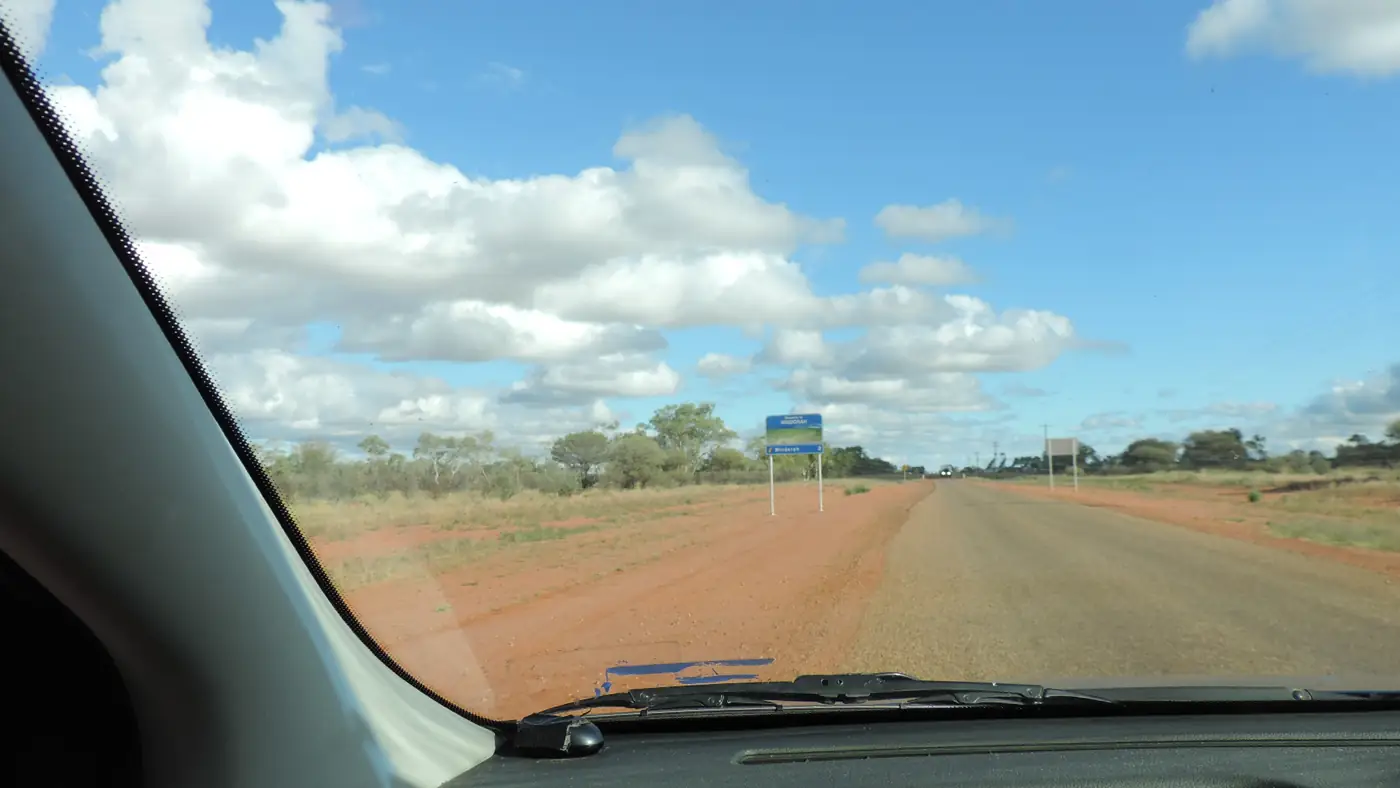
Outback Queensland
Diamantina National Park
Plan a trip to Diamantina National Park in Queensland's Channel Country: distances from Boulia, Winton, Windorah and Bedourie, high-clearance 4WD access, Hunters Gorge and Gum Hole camping, the Warracoota circuit drive and Janets Leap, bilbies and birdlife, fuel, supplies and remote-area safety.
Read · 5 min
Outback Queensland
Currawinya National Park
Plan a visit to Currawinya National Park near Hungerford in south-west Queensland: Ramsar-listed Lake Numalla and Lake Wyara, Paroo River bush camps and Myninya camping area, 4WD access from Cunnamulla and Bourke, the Granites, Budjiti Lookout, woolsheds, fishing and boating rules, weather and safety.
Read · 5 min
Outback South Australia
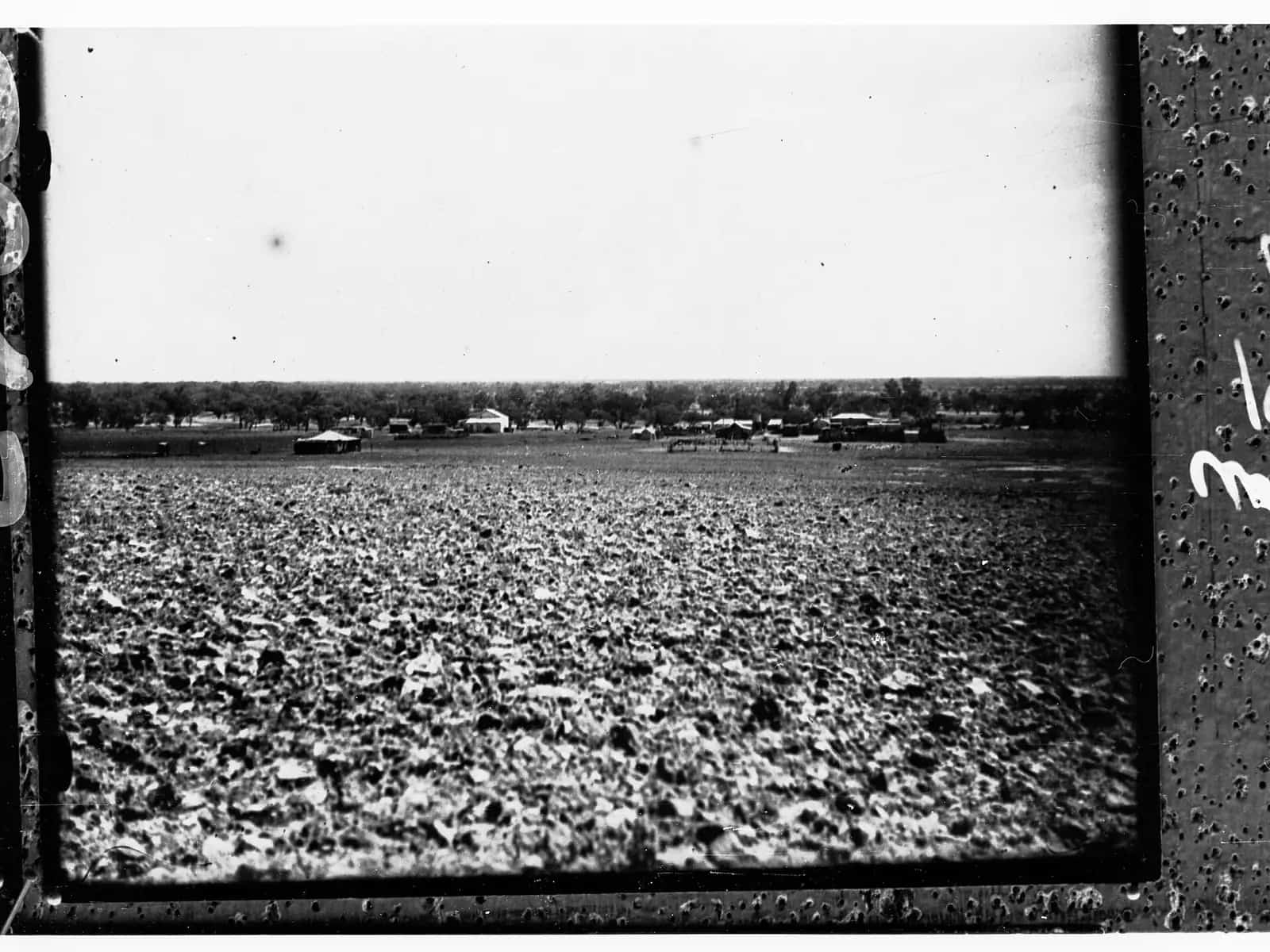
Innamincka Regional Reserve and Malkumba-Coongie Lakes
Plan a visit to Innamincka Regional Reserve and Malkumba-Coongie Lakes National Park in far north-east South Australia: current flood closures, Cooper Creek campgrounds, Cullyamurra Waterhole, Burke and Wills sites, fees, fishing and boating rules, birdlife and when to go.
Read · 5 min
Outback South Australia
Vulkathunha-Gammon Ranges National Park
Plan a trip to Vulkathunha-Gammon Ranges National Park in the northern Flinders Ranges, South Australia: the 31 October–12 November 2026 closure, Weetootla Gorge and Italowie Gorge hikes, campgrounds, Grindell's Hut, 4WD tracks, Lake Frome, Adnyamathanha culture and access from Leigh Creek.
Read · 4 min
Kimberley, Western Australia
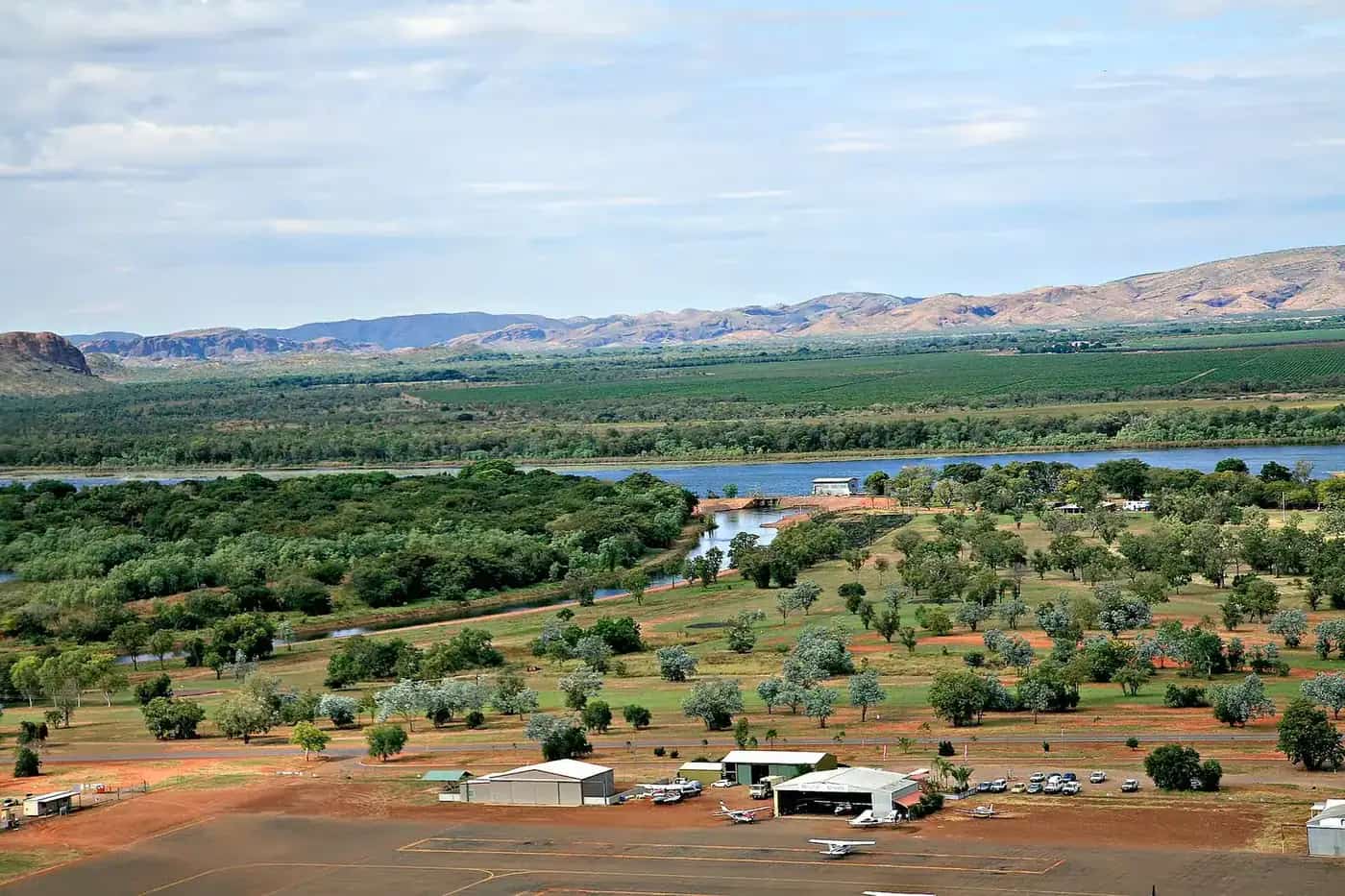
Mirima National Park (Hidden Valley)
Plan a visit to Mirima National Park, the 'mini Bungle Bungles' 2 km from Kununurra: Hidden Valley, the Derdbe-gerring, Gerliwany-gerring and Yoorrnging Geranyem Banan walk trails, park entry fees, Miriwoong culture, wildlife, sunrise and sunset photography, heat and crocodile safety.
Read · 3 min
Katherine region, Northern Territory
Keep River National Park
Plan a visit to Keep River National Park on the NT–WA border near Kununurra: the Jarnem and Goorrandalng walks, Langgerrbi (Nigli Gap) rock art, Ginger's Hill and Jenemoom, campgrounds, the NT Parks Visitor Pass, seasonal flood closures, heat closures on Jarnem walks and crocodile safety.
Read · 4 min
Outback Queensland
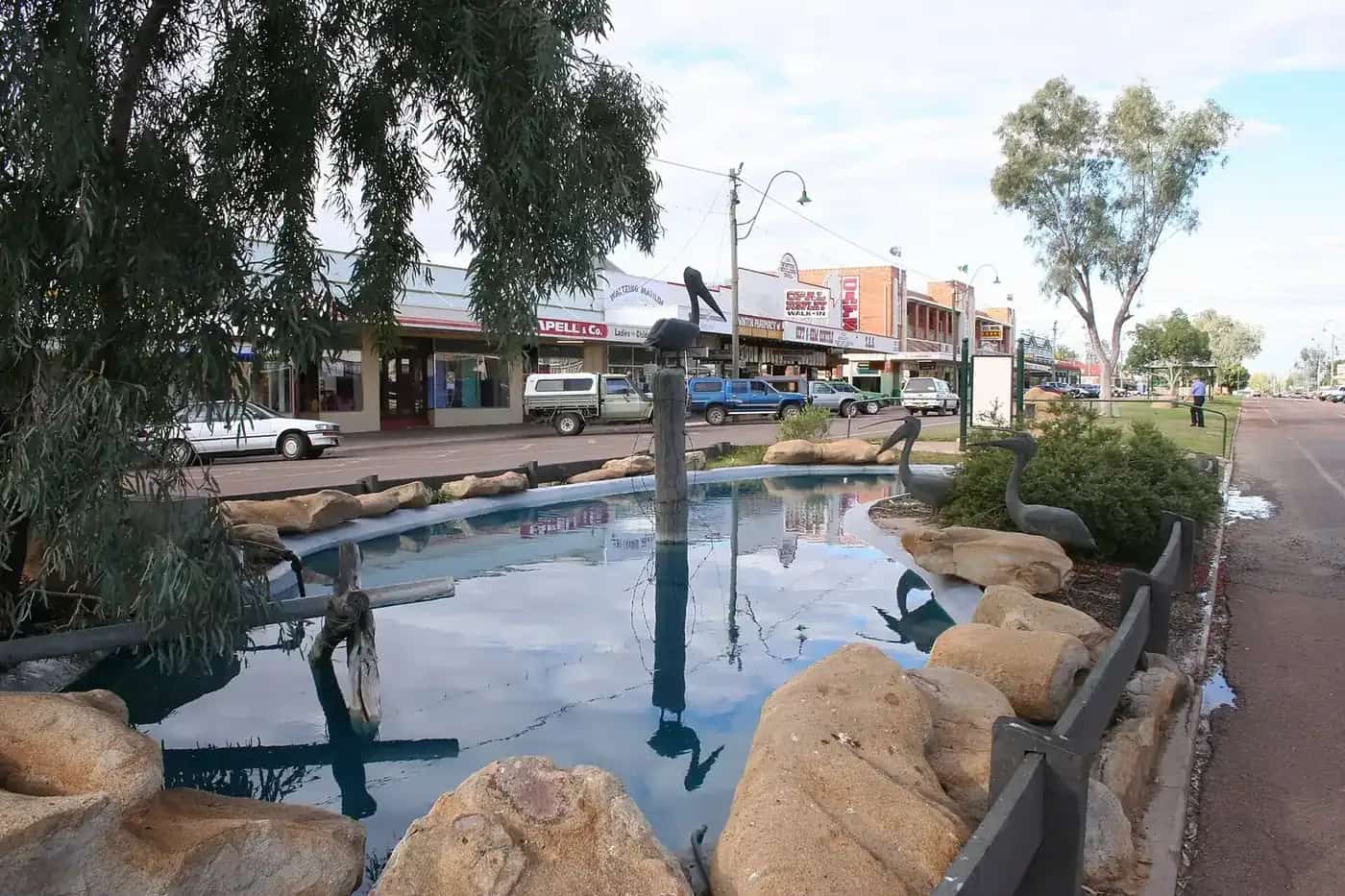
Bladensburg National Park
Plan a visit to Bladensburg National Park, 17 km south-west of Winton in outback Queensland: the Bough Shed Waterhole camping closure to January 2027, Bladensburg Homestead, Scrammy Drive and lookout, the Route of the River Gum, Koa Country, wildlife, access and the best time to visit.
Read · 4 min
Outback Queensland
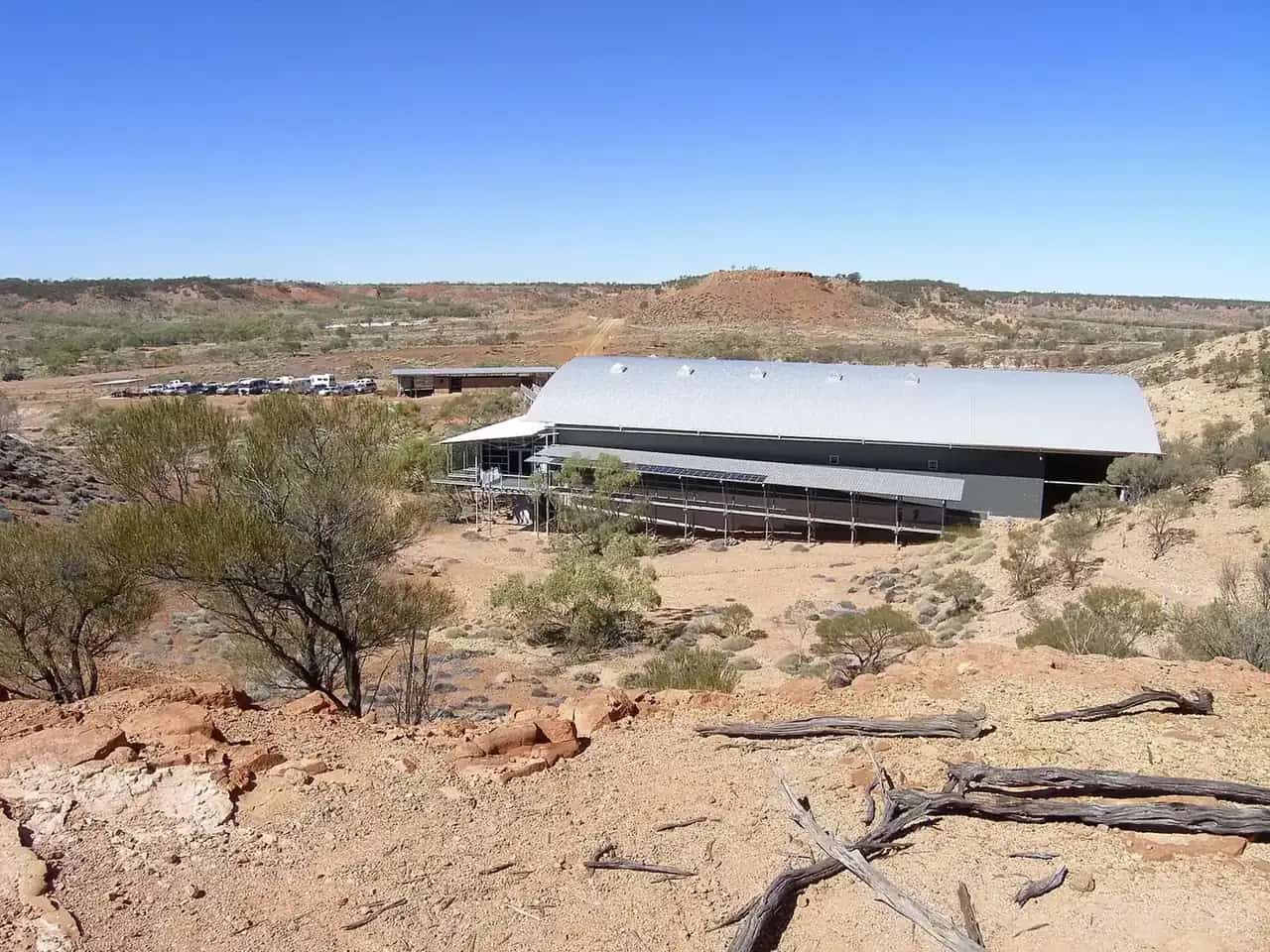
Lark Quarry Dinosaur Trackways
Plan a visit to Lark Quarry Conservation Park, 110 km south-west of Winton, home of the Dinosaur Stampede National Monument: more than 4,000 footprints left 95 million years ago, guided trackway tours, the partly unsealed road, the Spinifex circuit and Jump Up loop walks, and outback safety.
Read · 3 min
Outback NSW
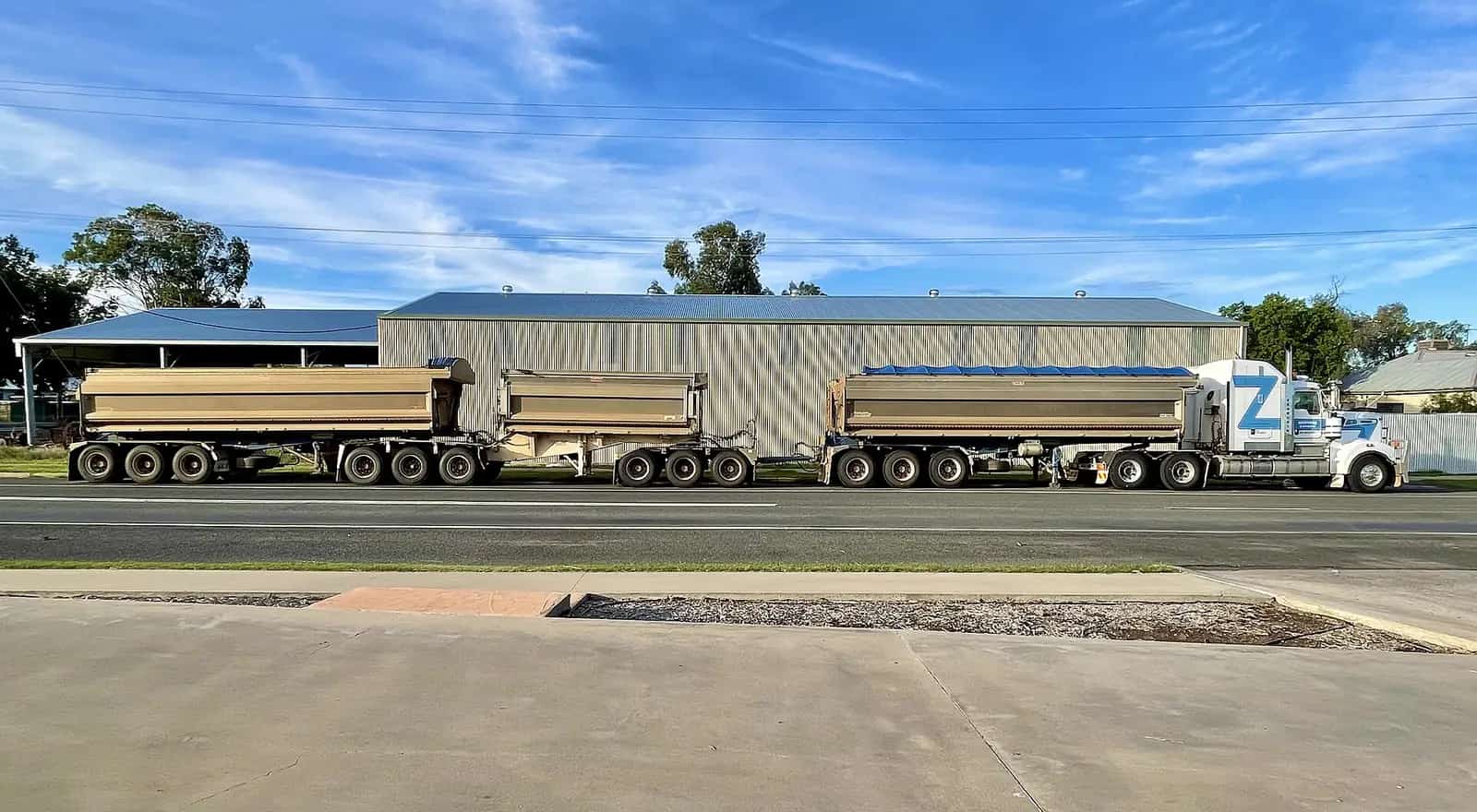
Gundabooka and Toorale National Parks
Plan a trip to Gundabooka and Toorale national parks near Bourke in outback NSW: Mount Gunderbooka, Yapa (Mulgowan) Aboriginal rock art, Dry Tank campground, Redbank Homestead, the Valley of the Eagles walk, Toorale Homestead, the Darling River drive, Warrego floodplain birdlife and how to get there.
Read · 5 min
Gulf region, Northern Territory
Limmen National Park
Plan a trip to Limmen National Park in the NT Gulf region on the Savannah Way: the Southern and Western Lost City sandstone formations, Butterfly Falls swimming, barramundi fishing, eight campgrounds, current site closures, fuel planning between Roper Bar and Cape Crawford, crocodile safety and the NT Parks Visitor Pass.
Read · 4 min
Cape York, Queensland
Rinyirru (Lakefield) National Park
Plan a trip to Rinyirru (Lakefield) National Park (CYPAL) on Cape York Peninsula: annual wet season closure dates, Kalpowar Crossing and 20-plus bush camping areas, access from Laura, Cooktown and Musgrave, Red Lily Lagoon, Old Laura Homestead, fishing and boating rules, and crocodile safety.
Read · 5 min
Central Queensland
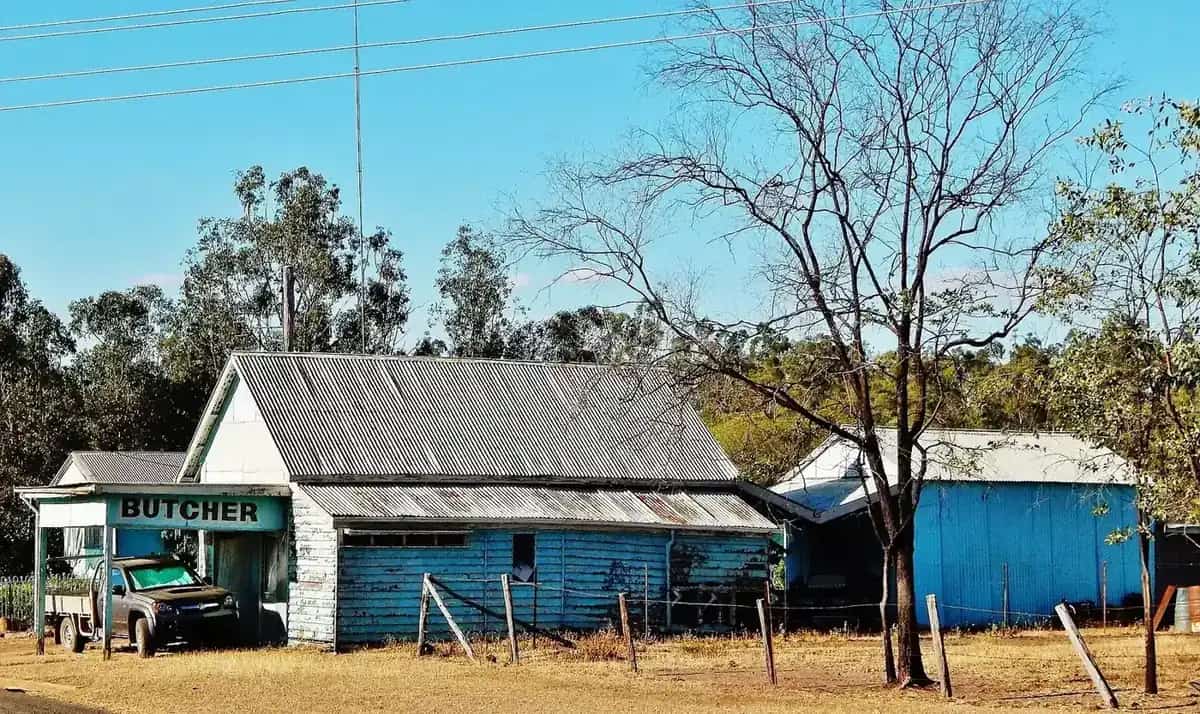
Blackdown Tableland National Park
Plan a visit to Blackdown Tableland National Park in Queensland's Central Highlands, between Rockhampton and Emerald: the Gudda Gumoo gorge and lookout walks, Mook Mook, Goon Goon Dhina and Goodela tracks, Munall camping, the steep access road, Ghungalu culture, weather and nearby towns including Duaringa.
Read · 4 min
Western plains, New South Wales
Willandra National Park
Plan a visit to Willandra National Park near Hillston, NSW: the restored Big Willandra homestead and shearing precinct, the Men's Quarters, the Merton motor trail, the Nilla Yannagalang Billana walk, camping, fees and dry-weather 4WD access.
Read · 4 min
Outback NSW
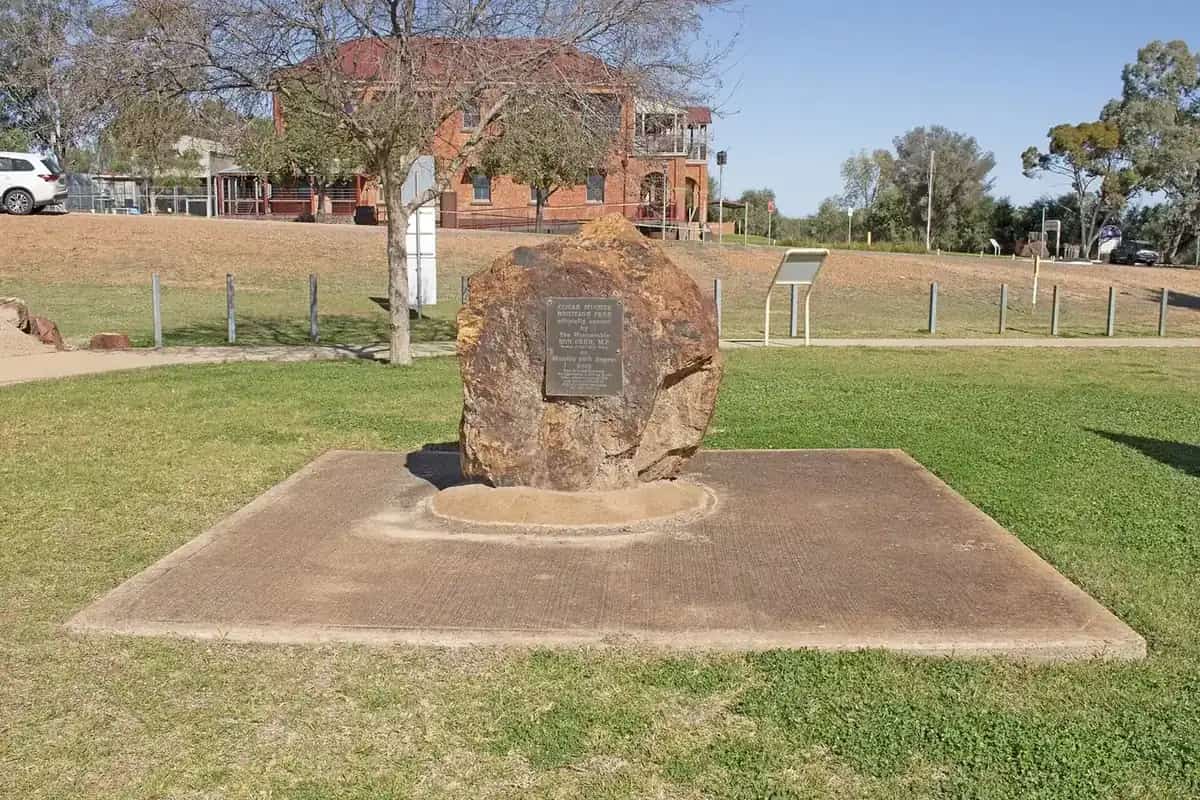
Mount Grenfell Historic Site
Visit Mount Grenfell Historic Site near Cobar, NSW: Ngiyampaa rock art galleries on the 3 km art site walk, the Ngiyampaa walking track to the summit, wildlife, weather, access and what to bring.
Read · 3 min
Outback NSW
Culgoa National Park
Plan a trip to remote Culgoa National Park on the NSW-Queensland border: coolabah and Brigalow-gidgee woodland, koalas, the Culgoa River campground, three walks, weather, fees and road access from Bourke.
Read · 3 min
Oodnadatta Track, South Australia
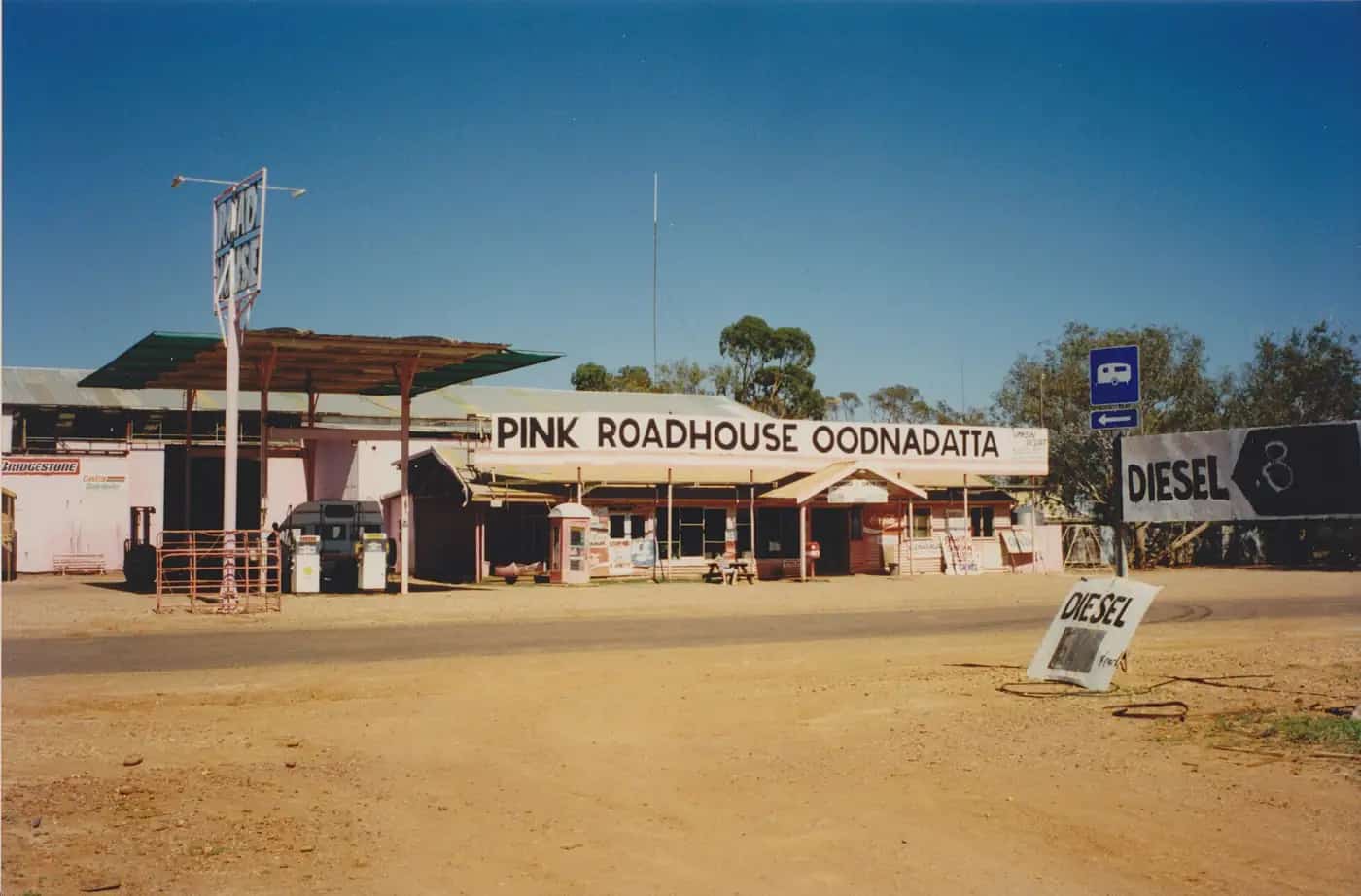
Wabma Kadarbu Mound Springs Conservation Park
Visit Wabma Kadarbu Mound Springs Conservation Park on the Oodnadatta Track, SA: the Blanche Cup (Thirrka) and The Bubbler (Pirdali-nha) artesian springs, Arabana culture, fees, rules, camping nearby and safety.
Read · 3 min
Gawler Ranges, South Australia
Lake Gairdner National Park
Plan a trip to Lake Gairdner National Park in outback SA: Australia's third-largest salt lake, free bush camping at Waltumba, access via Mount Ive station, rules on driving on the lake, Traditional Owners and safety.
Read · 3 min
Cooper Creek, South Australia
Malkumba-Coongie Lakes National Park
Malkumba-Coongie Lakes National Park near Innamincka, SA: a Ramsar-listed desert wetland with 205 bird species, Yandruwandha Yawarrawarrka Country, camping, rules, fees and the current flood closure.
Read · 3 min
North Kimberley, Western Australia
Mitchell River National Park
Plan a trip to Mitchell River National Park in the Kimberley: the walk to Mitchell Falls (Punamii-unpuu), Little Mertens Falls, Aunauyu (Surveyors Pool), the Uunguu Visitor Pass, camping, scenic flights, crocodile safety and 4WD access.
Read · 3 min
Central West Queensland
Idalia National Park
Plan a trip to Idalia National Park, south-west of Blackall: Gowan Range gorges, Emmet Pocket lookout, Wave Rock and Bullock Gorge walks, Old Idalia stockyards, Monks Tank camping, seven macropod species and access advice.
Read · 3 min
Katherine region, Northern Territory
Elsey National Park
Plan a visit to Elsey National Park at Mataranka, NT: the 34°C thermal pools at Bitter Springs and Mataranka, walks to Korowan (Mataranka Falls), the WWII Aboriginal Army Camp, Roper River fishing, Jalmurark campground and the NT Parks Visitor Pass.
Read · 3 min

North-west Queensland
Riversleigh World Heritage Area
Visit the Riversleigh World Heritage Area in Boodjamulla National Park, Qld: why Riversleigh is so rich in fossils, the public D Site, marsupial lions and ancient bats, Waanyi Country, access, camping and rules.
Read · 3 min
Frequently asked questions
Do I need a pass to visit outback national parks?
Many parks charge entry or vehicle fees, and most require camping bookings. Some, such as Uluru-Kata Tjuta, require a park pass for every visitor. Check the official park page before you go.
Can I take my dog into national parks?
Generally no. Domestic animals are not permitted in most Australian national parks. Check each park's rules.
Are outback parks open all year?
Many are, but tropical parks may close roads and campgrounds in the wet season, and some desert parks close in summer. Check park alerts.
What are the best national parks in outback NSW?
Mungo, Mutawintji, Kinchega, Sturt and Gundabooka are among the most visited parks in far-west NSW. Each has a guide on this site, and NSW National Parks and Wildlife Service lists current access and closures.
Do I need a national park pass for Uluru?
Yes. Visitors to Uluru-Kata Tjuta National Park need a park pass, which Parks Australia sells online and at the park entry station. Check the official Parks Australia website for current prices. See our Uluru-Kata Tjuta guide.
Sources and further reading
Facts on this page were checked against these primary and official sources. Conditions change — confirm before you travel or buy.
- Parks Australia — Australian Government
- NSW National Parks and Wildlife Service — NSW Government
- Queensland Parks and Wildlife Service — Queensland Government
- National Parks and Wildlife Service SA — Government of South Australia
- NT Parks — Northern Territory Government
- Explore Parks WA — WA Government