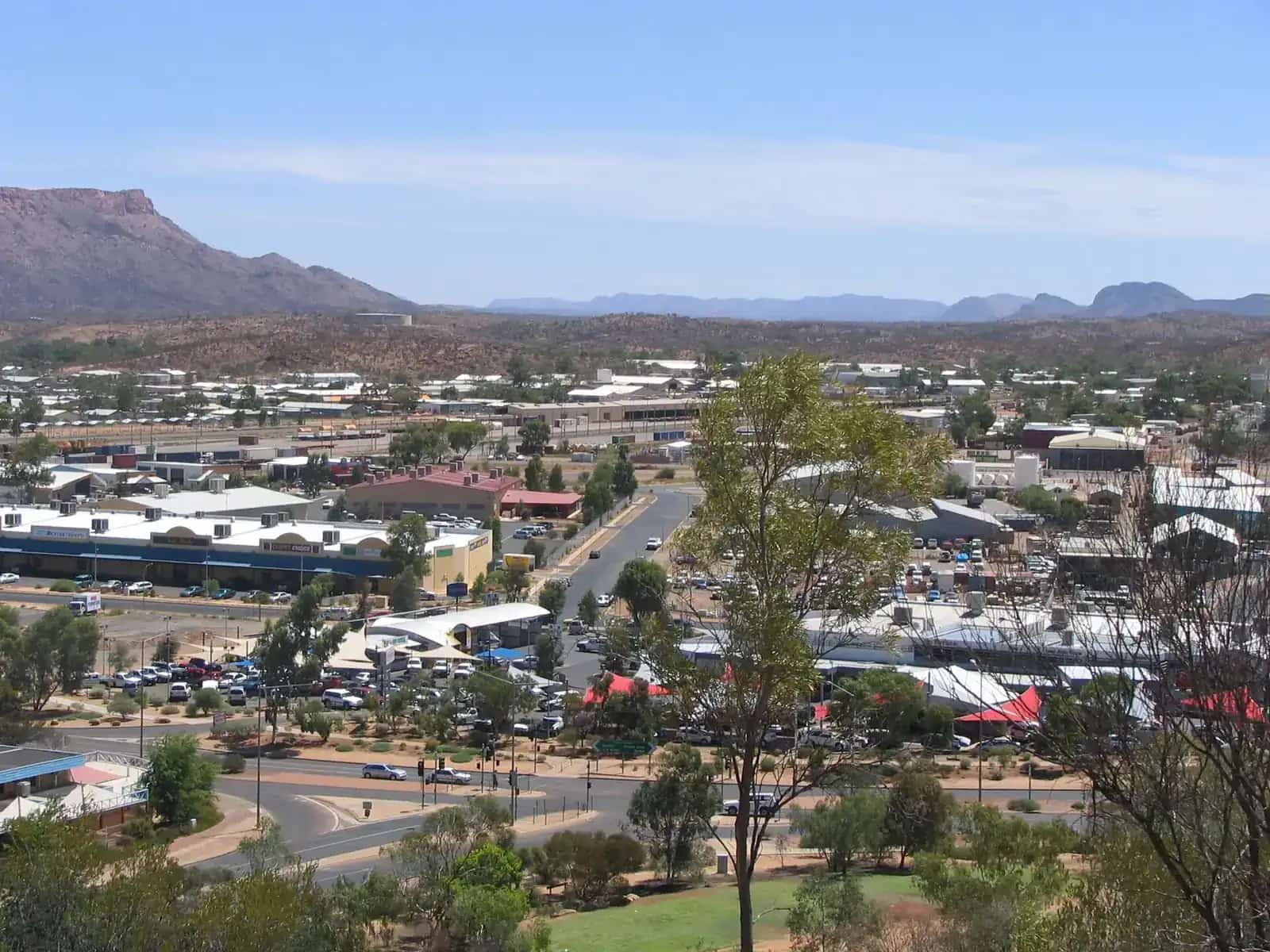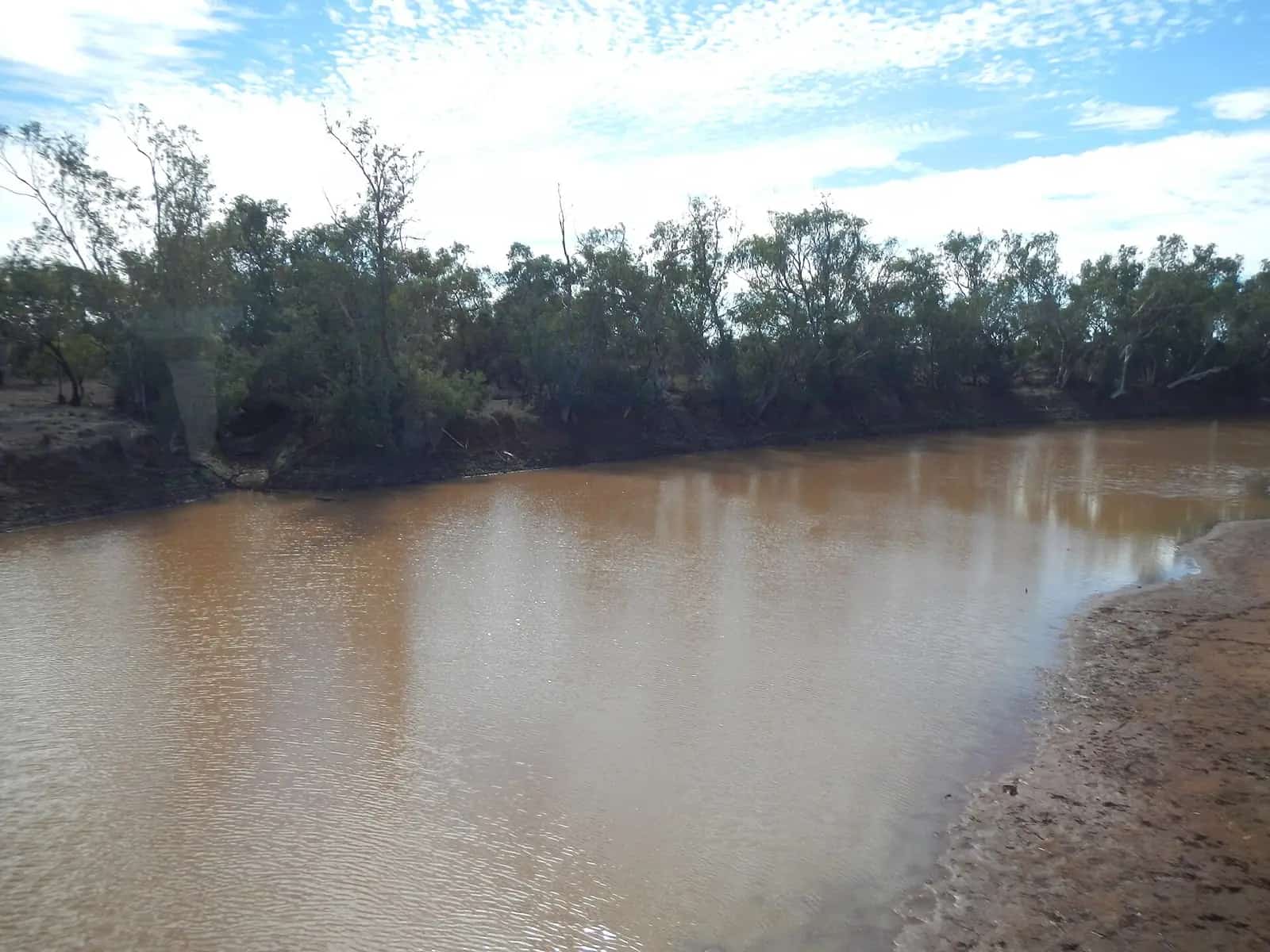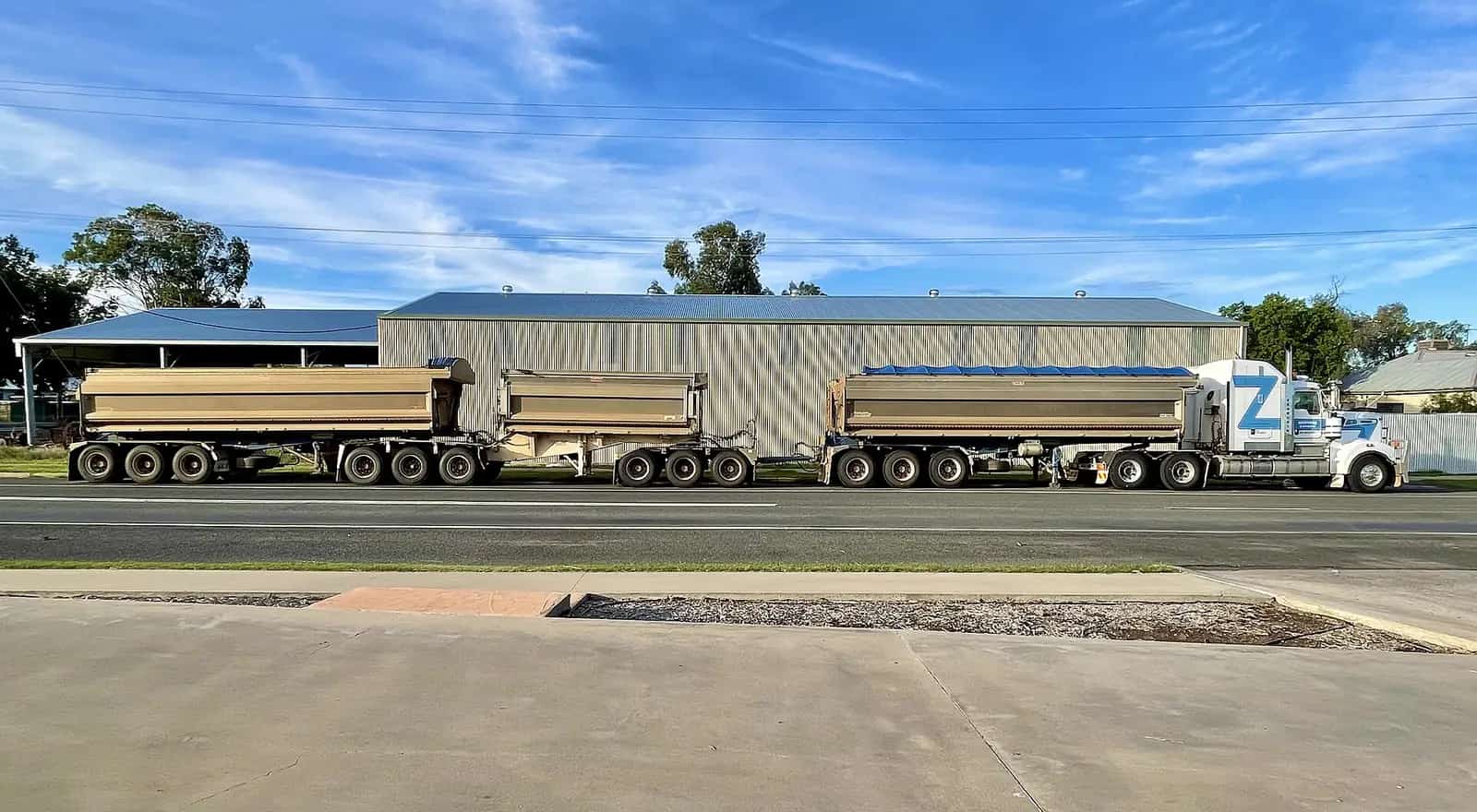




The original Outback Now was one of the busiest guides to regional and outback Australia on the web. It listed hundreds of small towns, rodeos, camel races, caravan parks and itineraries, and it was linked to by travel writers, tourism groups and even Wikipedia. This new edition keeps that spirit and the subjects travellers loved most, but every page has been rewritten from scratch and checked against official sources such as state road authorities, national park agencies and the Bureau of Meteorology.
What counts as "the outback"?
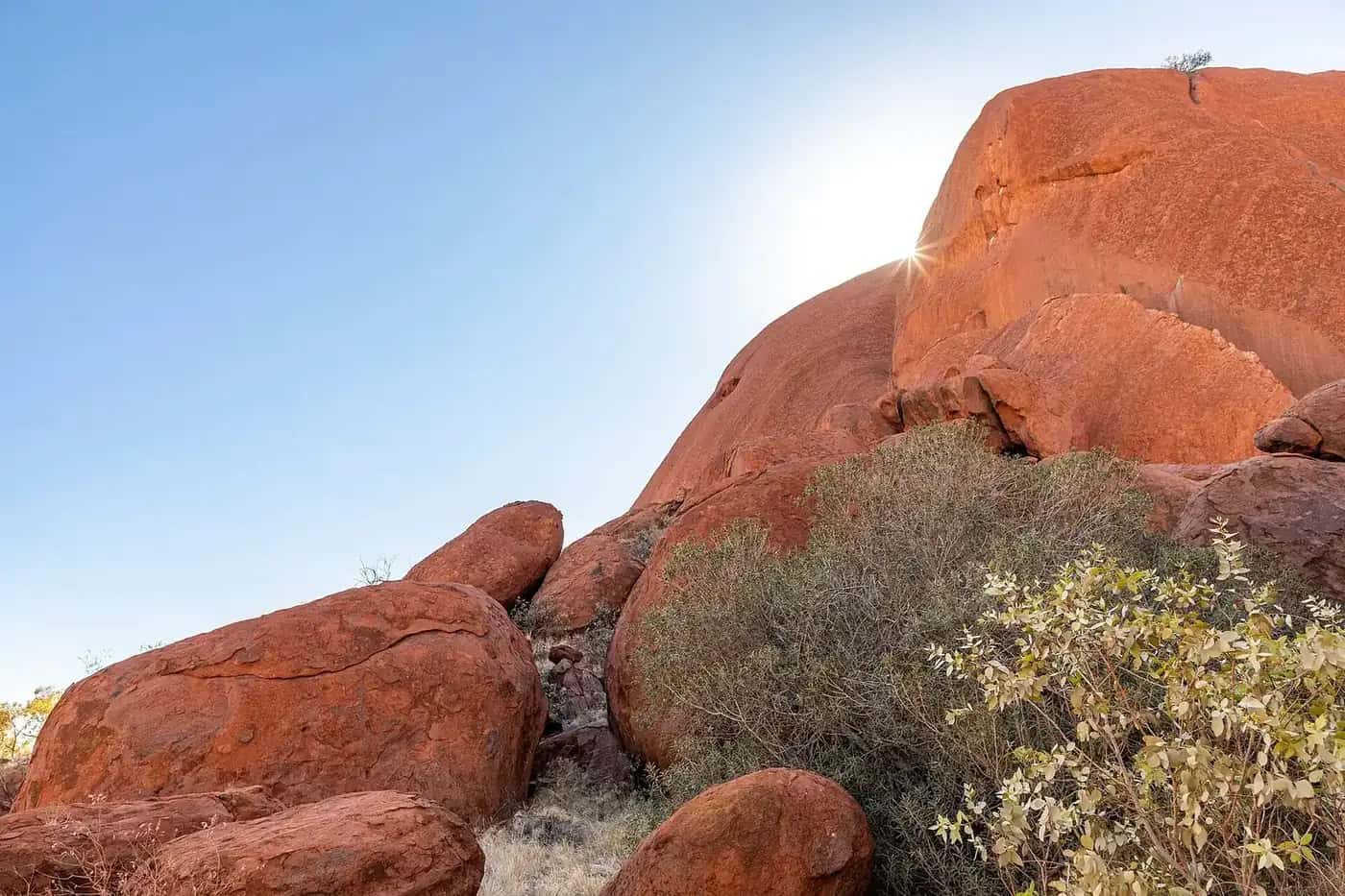
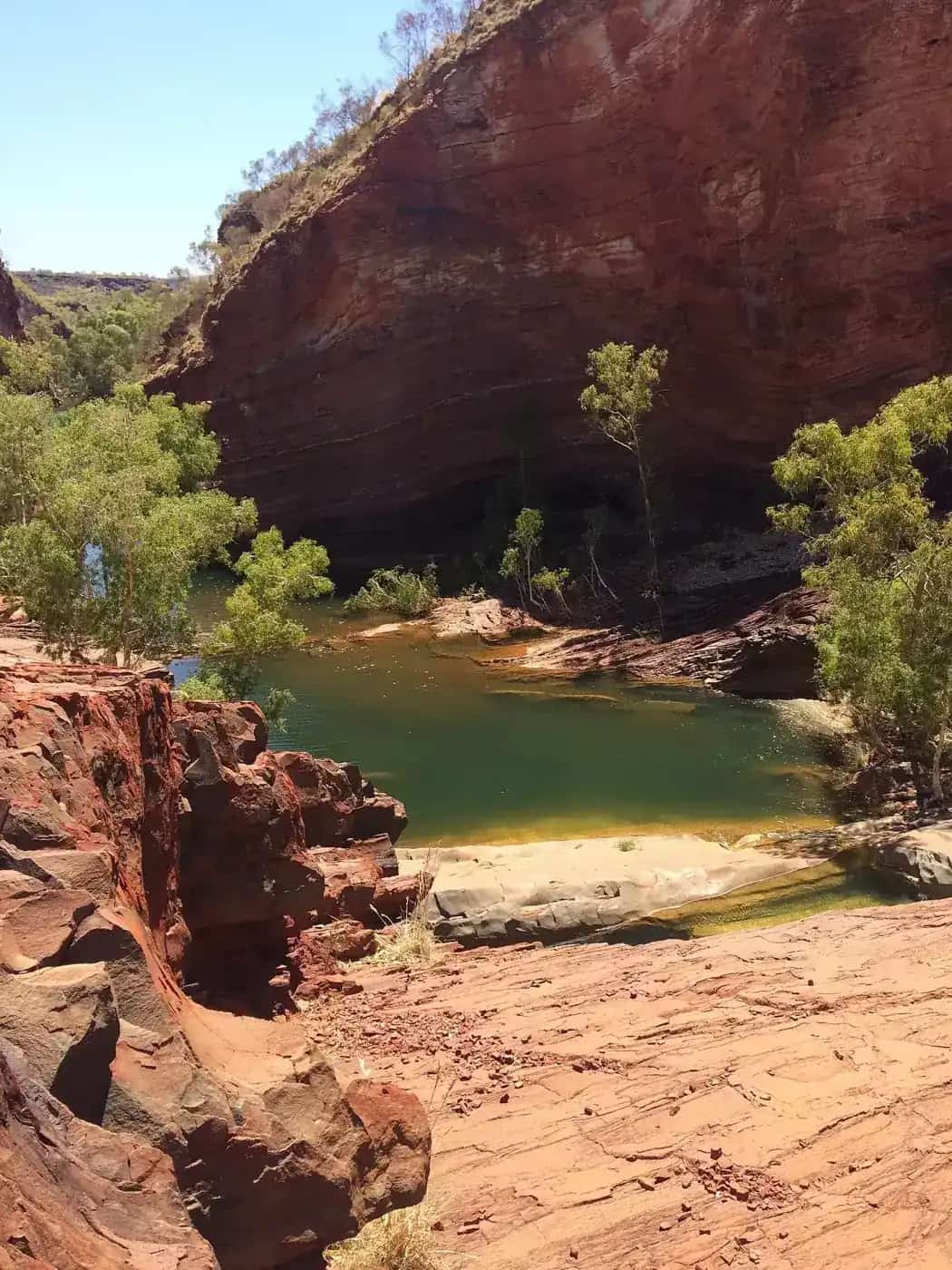
There is no official boundary. Most Australians use "the outback" for the vast, sparsely settled interior beyond the Great Dividing Range and the fertile coastal fringe: the red sand plains and gibber country of the Centre, the Channel Country of south-west Queensland, the mining and pastoral country of western NSW, South Australia's Flinders Ranges and the far north, and the Pilbara and Kimberley in Western Australia. Further out is "the back of beyond" or, as the saying goes, "back o' Bourke".
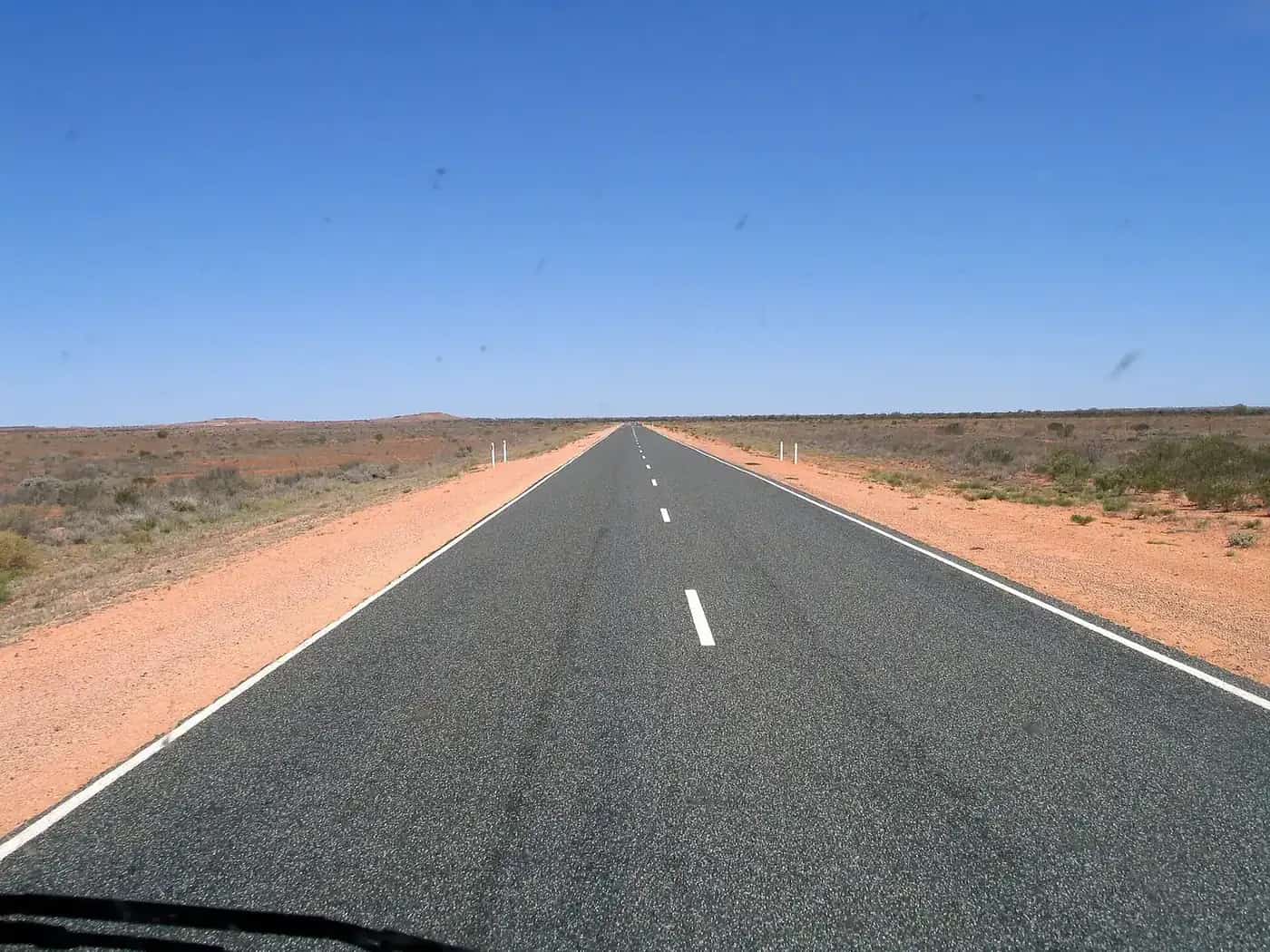
What these places share is distance. Towns can be 200 km or more apart, mobile coverage disappears between them and the nearest hospital may be a flight away. That is exactly why the outback feels so different — and why a little preparation matters.
Start with an outback town
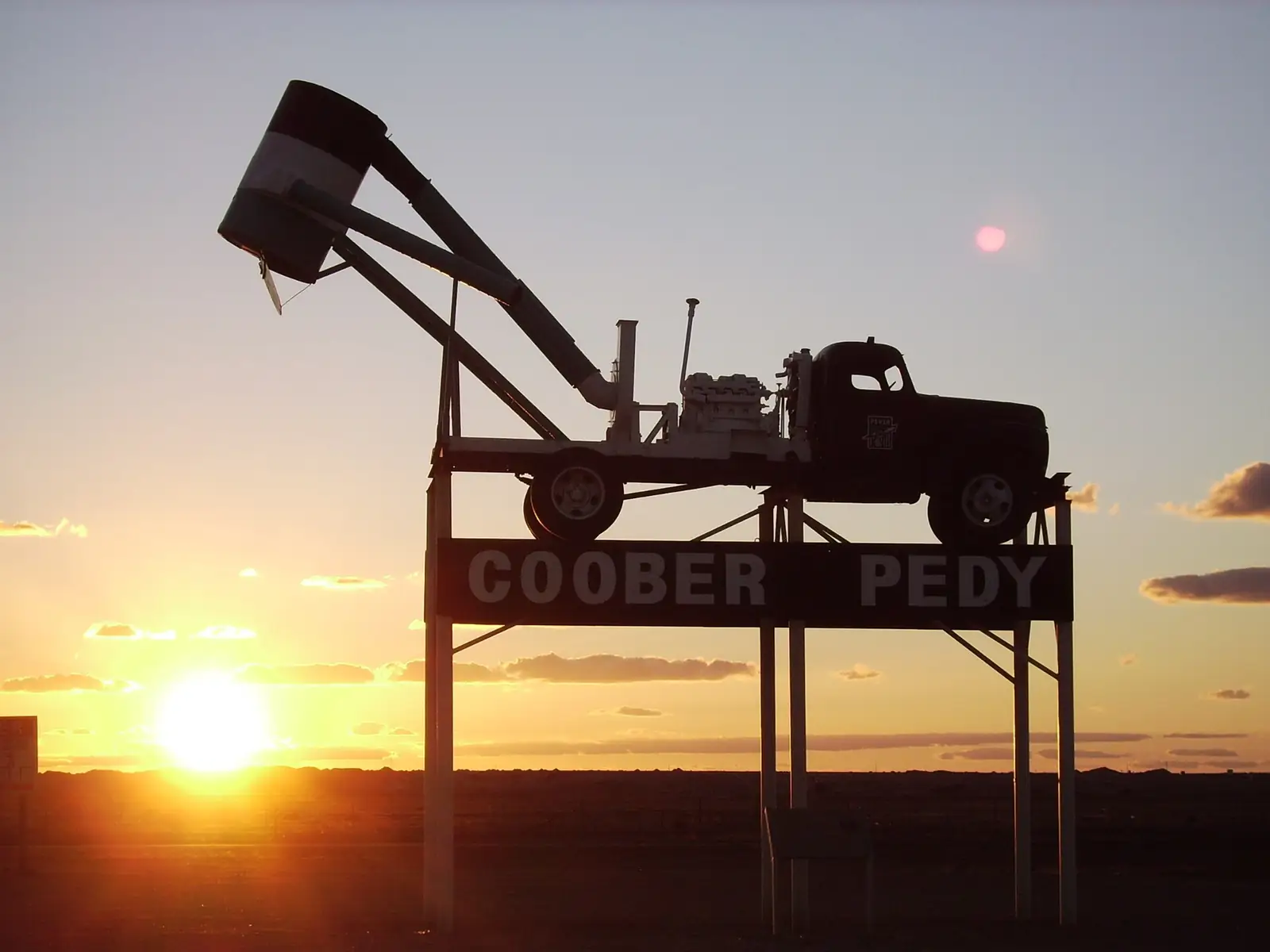
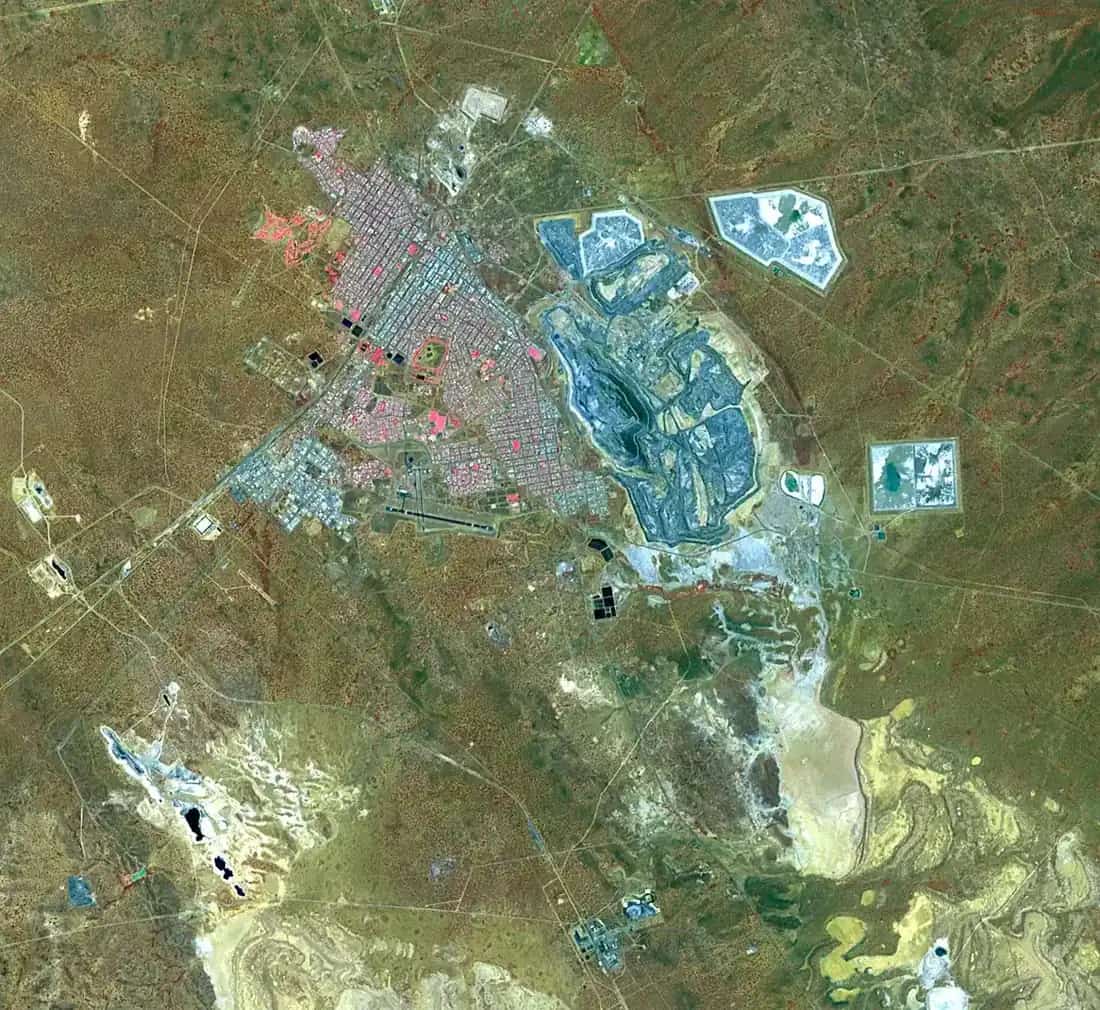
Small towns are the heart of any outback trip. They are where you refuel, swap road reports at the pub, visit a museum built by volunteers and learn the local story. Our outback towns guide covers more than 30 towns across New South Wales, Queensland, South Australia, Western Australia and the Northern Territory — from the opal fields of Lightning Ridge and Coober Pedy to the dinosaur country of Winton and the pastoral heritage of Longreach.
Pick a classic road trip
Many of Australia's best outback drives are on sealed highways suitable for a conventional car or caravan. The Great Inland Way links Sydney with Cairns through the inland, the Great Artesian Spa Tour joins up the bore baths of outback NSW and Queensland, and the Explorers Way from Adelaide to Darwin crosses the continent through Coober Pedy and Alice Springs. For more adventure, the Savannah Way runs across the top of Australia.
Time your trip with an outback event
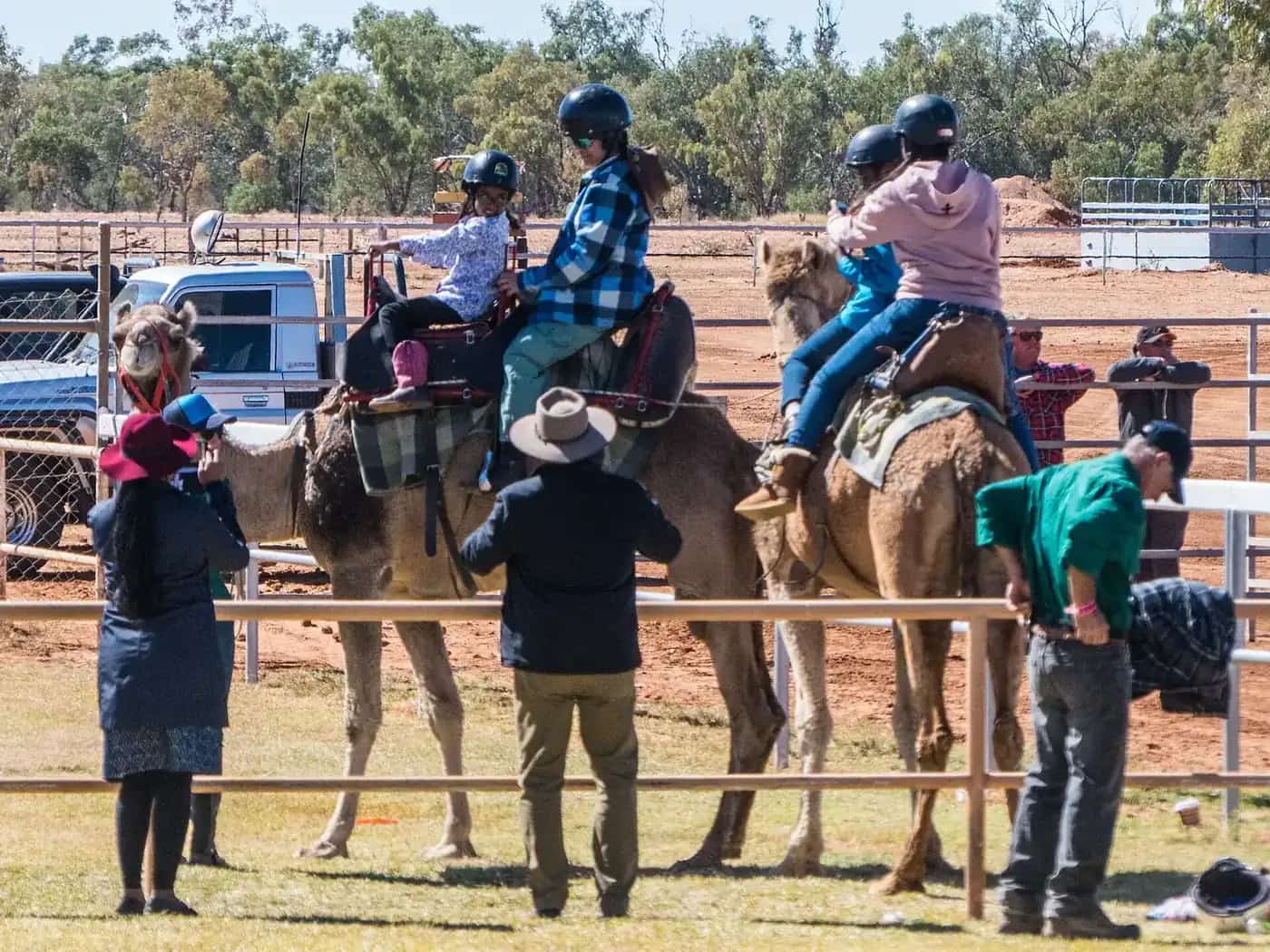
Outback towns throw some of the most memorable events in the country. Camel races in Boulia, Bedourie and Marree, the Windorah International Yabby Races, campdrafts, rodeos, race days and music festivals bring thousands of visitors to towns of a few hundred people. See the outback events guide to plan around them — and book accommodation early.
Travel safely
Outback travel is not dangerous if you respect it. Carry more water than you think you need, tell someone your plans, check road conditions, never drive at dawn or dusk if you can avoid it because of wildlife, and stay with your vehicle if you break down. Our outback safety guide explains the essentials, and the 4WD driving guide covers unsealed roads and tyre pressures.
Choose the right season
The outback has two broad climates. In the arid south and centre, winter days are mild and nights can drop below freezing, while summer brings extreme heat. In the tropical north, the dry season (roughly May to October) is peak touring time and the wet season brings storms, floods and road closures. Read when to visit the outback for a region-by-region breakdown.
Where to stay and what to book
From bush camps and station stays to motels and caravan parks with artesian pools, the outback suits every budget — but capacity is limited during school holidays and big events. Our accommodation guide explains the options, and the tours and attractions guide covers museums, underground mines, dinosaur sites and guided tours worth booking ahead.
Explore by section
- Outback regions — the Red Centre, Kimberley, Pilbara, Channel Country, Corner Country and Gulf Country.
- National parks — from Uluru-Kata Tjuta and Kakadu to Mungo, Karijini and lesser-known parks like Idalia and Elsey.
- Outback towns — 70+ town guides, grouped by state.
- Outback tracks — the Birdsville, Oodnadatta and Strzelecki tracks, the Gibb River Road and the Canning Stock Route.
- Road trips — itineraries from one week to a crossing of the continent.
- Travel guides — safety, seasons, vehicles, camping and more.
Why trust Outback Now?
We are an independent publication. We do not accept payment for positive coverage, we cite official sources for facts that matter to your safety, and we correct errors quickly. Read our editorial policy to see how we research, fund and update the guide.