Aboriginal-led experiences range from short guided walks to multi-day tours, art centre visits and cultural festivals.
Types of experiences
- Guided walks — learning about bush foods, medicine and stories of Country.
- Cultural centres — such as the Uluru-Kata Tjuta Cultural Centre.
- Art centre visits — meeting artists and buying directly.
- River cruises and gorge tours — such as those run by the Jawoyn-owned Nitmiluk Tours.
- Festivals — celebrations of music, dance and art.
Where to start
- Uluru-Kata Tjuta
- Nitmiluk
- Mutawintji
- Mungo — Aboriginal Discovery Rangers lead tours
- Alice Springs
Choosing well
Ask who owns the business, who guides, and how the community benefits. Book in advance — many experiences are seasonal and small.
Why choose Aboriginal-led
An Aboriginal-led experience is one where Traditional Owners or Aboriginal people from the area design, guide or own the product. The difference matters. A guide speaking about their own Country can share stories, bush foods, language and history with an authority no outsider can match, and they decide what is appropriate to share. Money spent with Aboriginal-owned businesses also supports employment and services in communities where jobs can be scarce.
Tourism Australia's Discover Aboriginal Experiences collection, state tourism bodies and the regional visitor centres are good starting points for finding operators. In Western Australia, the Western Australian Indigenous Tourism Operators Council (WAITOC) lists Aboriginal-owned businesses, and in the Northern Territory, Tourism NT features Aboriginal tourism across the Red Centre and Top End.
Central Australia
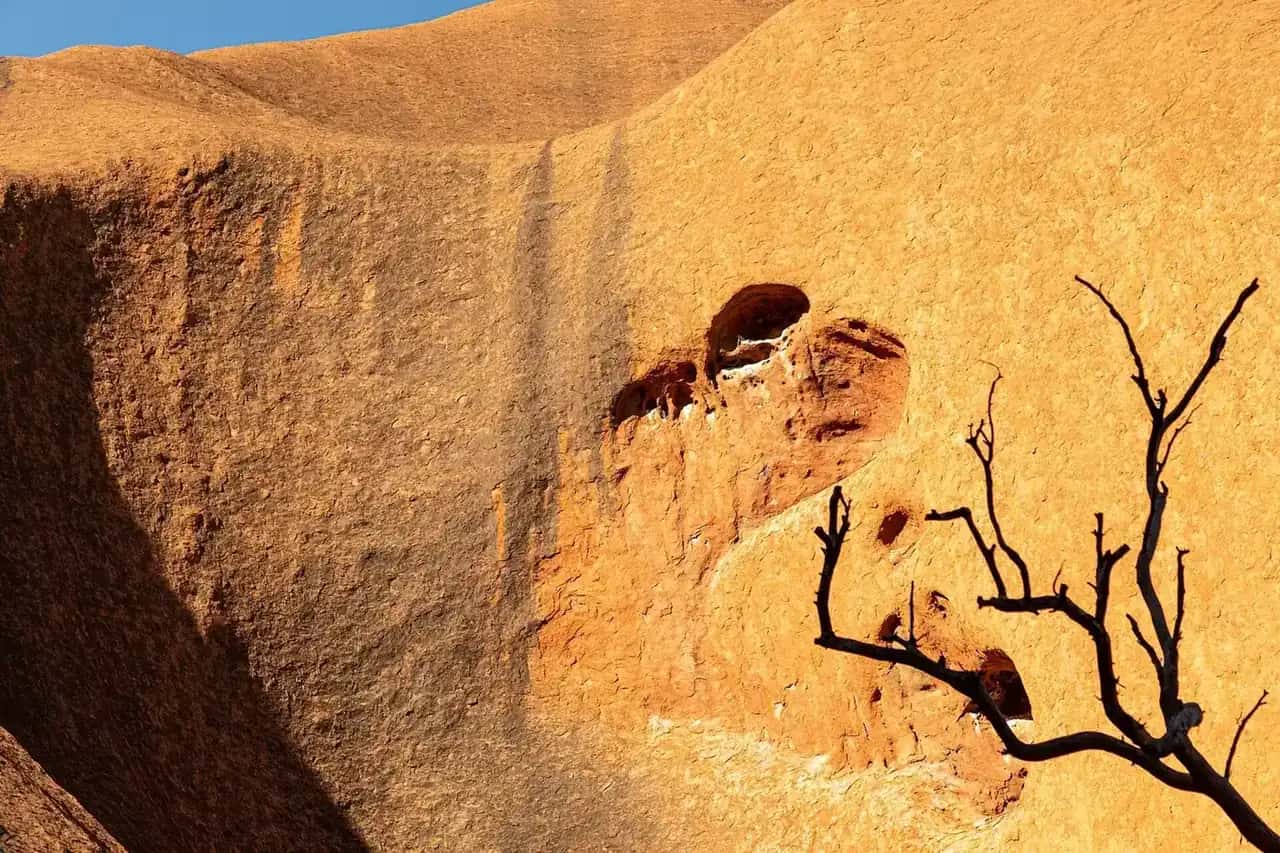
Around Uluru-Kata Tjuta, the Cultural Centre near the base of Uluru is the first stop: it introduces Anangu law (Tjukurpa), the joint management of the park and the reasons behind visitor rules. Free ranger-guided walks have traditionally run along the Mala walk; check the park's current program before you go. Maruku Arts, an Anangu-owned art enterprise, has run dot-painting workshops at the resort town of Yulara, and various operators offer guided walks with Anangu guides.
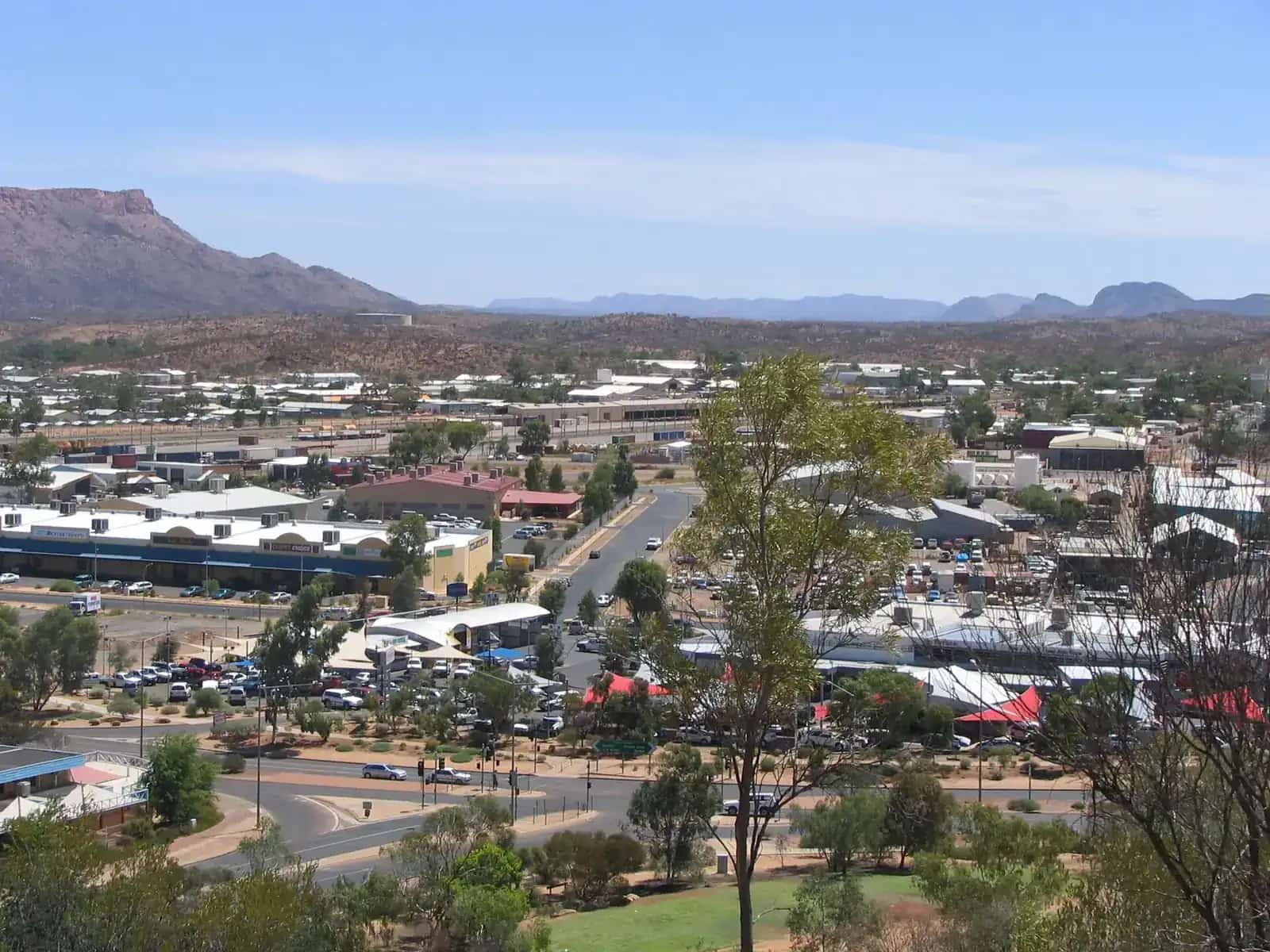
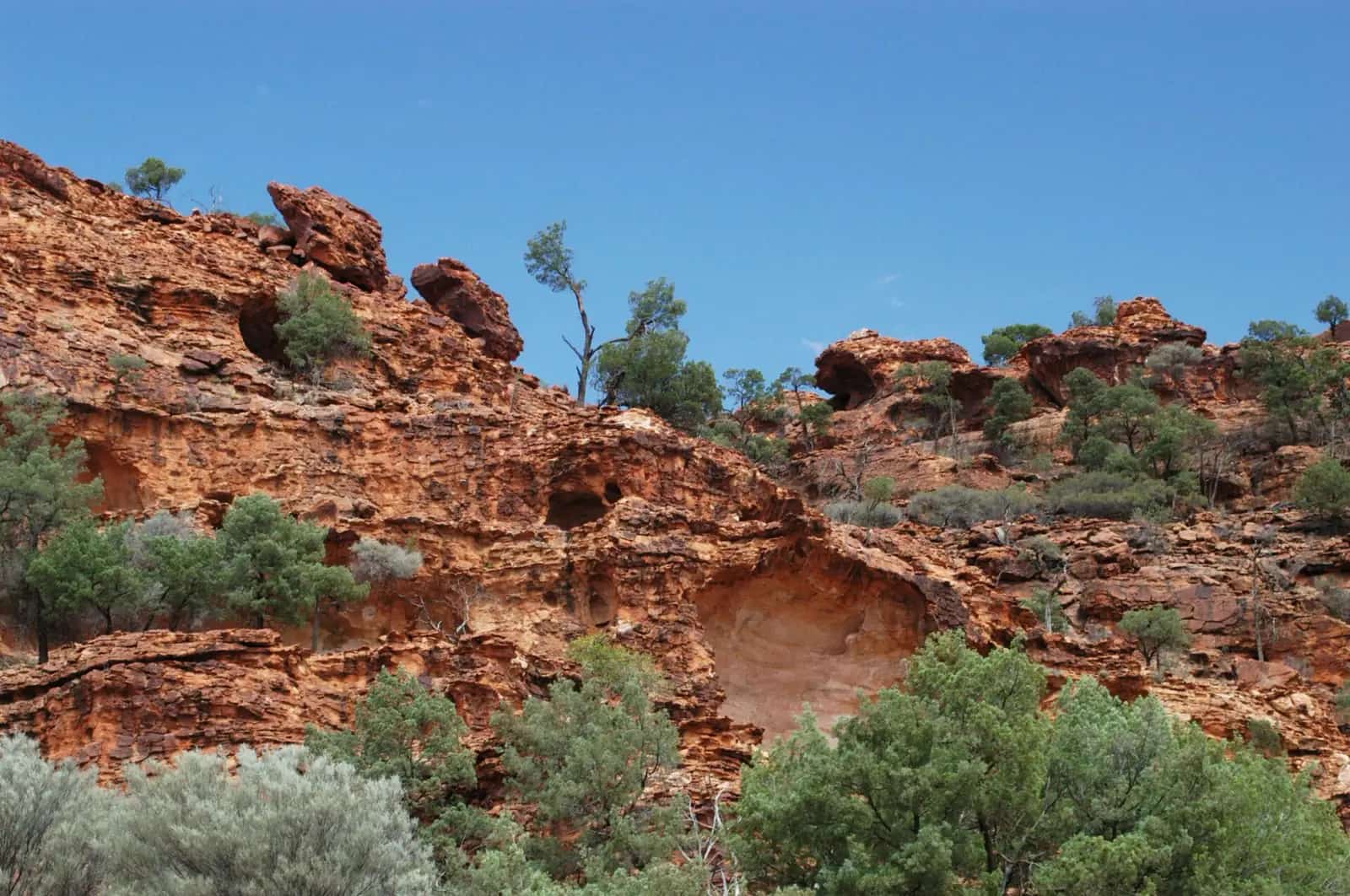
Near Kings Canyon in Watarrka National Park, small family-run cultural experiences have operated introducing visitors to Luritja and Pertame culture, dance and bush foods. In Alice Springs, look for Arrernte-guided walks, the art galleries along Todd Mall that represent community art centres, and the Araluen Arts Centre. Availability changes from season to season, so confirm current operators with the Alice Springs visitor centre.
The Top End and Kimberley
At Nitmiluk, the gorge cruises and visitor centre are operated by Nitmiluk Tours, owned by the Jawoyn people, and the Jawoyn's cultural displays explain the significance of the gorge system. Kakadu, further north, has Aboriginal-led boat tours, art site walks with rangers in the dry season, and the Warradjan Cultural Centre near Cooinda. Visiting Injalak Arts at Gunbalanya in western Arnhem Land requires a permit from the Northern Land Council, usually arranged through a tour.
In the Kimberley, Aboriginal-owned and guided tours run around Broome, the Dampier Peninsula and Fitzroy Crossing, and visitor centres in Derby, Halls Creek and Kununurra can point you to current operators and art centres such as those represented by ANKA.
New South Wales, Queensland and South Australia
At Mungo National Park, Aboriginal Discovery Rangers from the Paakantyi, Mutthi Mutthi and Ngiyampaa peoples lead tours of the Walls of China and explain the area's ancient human history. At Mutawintji, the Mutawintji Historic Site with its rock art is accessible only on guided tours; check with NSW National Parks or the Broken Hill visitor centre for tour times. In Brewarrina, the Ngemba people's ancient fish traps — Baiame's Ngunnhu — sit on the Barwon River, and local cultural tours and the Brewarrina Aboriginal Cultural Museum tell their story.
In the Flinders Ranges, the Adnyamathanha people are partners in the management of Ikara-Flinders Ranges National Park, and Wilpena Pound Resort has offered Adnyamathanha-guided walks. In Queensland's Gulf Country, rangers and local Aboriginal organisations around Boodjamulla and the Riversleigh fossil area can share Waanyi culture; ask at the park or the Mount Isa visitor centre.
Festivals and events
Events such as NAIDOC Week celebrations in July, art fairs such as Desert Mob in Alice Springs and the Darwin Aboriginal Art Fair, and community sports carnivals are opportunities to experience living culture. Dates change each year, so confirm with organisers and see our outback festivals guide.
Etiquette on tour
- Listen first and ask questions respectfully; your guide decides what can be shared.
- Ask before photographing people, and follow any photography restrictions at sites.
- Don't pick plants, collect rocks or remove anything from cultural sites.
- Tip, buy art or bush products and recommend good operators — word of mouth matters to small businesses.
- If a tour is cancelled at short notice because of cultural business, accept it graciously.
For more on etiquette, permits and communities, read Visiting Country respectfully.
Booking and costs
Prices, tour times and booking requirements vary widely and change from season to season, so confirm directly with operators or visitor centres before you travel. Many small Aboriginal-owned businesses take bookings by phone or email rather than through large online platforms, and some run only in the cooler months. Booking ahead also helps operators plan guides, transport and catering for remote tours.
Frequently asked questions
How do I know a tour is Aboriginal-led?
Look for operators that are Aboriginal-owned or employ Aboriginal guides, and programs such as Tourism Australia's Discover Aboriginal Experiences. Visitor centres and land councils can recommend operators.
Are cultural centres worth visiting?
Yes. Centres such as the Uluru-Kata Tjuta Cultural Centre are created with Traditional Owners and are a good introduction.
Sources and further reading
Facts on this page were checked against these primary and official sources. Conditions change — confirm before you travel or buy.
- Discover Aboriginal Experiences — Tourism Australia
- Nitmiluk Tours — Nitmiluk Tours
- Uluru-Kata Tjuta National Park — Parks Australia