Distances between supply points in the outback can be hundreds of kilometres, and roadhouses keep limited hours. Planning your water and food is part of planning your route. This guide covers how much to carry, how to store it, and where to resupply.
How much water to carry
Tourism NT's road safety advice gives a minimum of 4 to 6 litres of water per person per day. It also says that if you break down, you should stay with the vehicle, because help may not arrive for many hours.
A practical way to plan:
| Trip type | Drinking and cooking | Emergency reserve |
|---|---|---|
| Sealed highway, towns daily | At least 4–6 L per person per day | One extra day |
| Major outback tracks | 4–6 L per person per day plus washing | Several extra days |
| Remote desert tracks | Full trip supply where water is uncertain | Several days or more, per your route |
On top of drinking water, allow extra for cooking, washing and your vehicle's radiator. Split your water across several containers, so one leak or a burst tap doesn't lose it all.
Storing water
- Use food-grade containers or built-in tanks, and keep them clean.
- Keep containers secured and shaded. A loose 20 L jerry can is dangerous in a crash.
- Carry some water in small bottles inside the cabin for quick access.
- Mark your drinking water clearly, separate from washing water.
Bore and tank water
Some outback towns, stations and campgrounds draw on bore or artesian water from the Great Artesian Basin. It may be very hot, high in minerals or not suitable for drinking. Check signs and ask locally before refilling. Treat water from tanks, creeks and waterholes before drinking it, by boiling, filtering or chemical treatment. See the Great Artesian Basin.
Staying hydrated
The NT Government notes that heat stress can range from dehydration and heat cramps to life-threatening heat stroke. It also lists babies and young children, older people and people who work or exercise outdoors among those most at risk. Drink regularly through the day, and use electrolytes in hot weather or after heavy sweating. See travelling in summer heat.
Food planning
Staples that keep without refrigeration: long-life milk, oats, rice, pasta, couscous, tinned fish and meat, tinned vegetables, dried fruit, nuts, crackers, peanut butter, spreads, tea and coffee.
With a fridge or freezer: you can carry a few days of meat, cheese, yoghurt and vegetables. Keep the fridge running on a dual-battery or solar setup, and expect it to work harder in heat.
Emergency food: carry at least two to three days of extra food that doesn't need cooking, in case you're stranded by rain or a breakdown.
Resupply: outback town stores are often small, with limited fresh produce and higher prices. Delivery days can be weekly or fortnightly. Ask the local visitor centre what's available.
Quarantine and fresh food
Plan purchases around state borders:
- WA: the WA Department of Primary Industries and Regional Development lists most fresh fruit and vegetables and honey (without a health certificate) as prohibited entering the state. The Eyre Highway checkpoint at Eucla operates 24/7. See crossing the Nullarbor.
- SA: PIRSA prohibits bringing fresh fruit into South Australia, and there are disposal bins at border entry points such as Ceduna.
Fuel planning goes hand in hand
Long gaps between fuel stops also mean long gaps between food and water. On the Nullarbor, for example, the longest gap between fuel stops is 191 km. On remote tracks, it can be much further. See fuel, permits and road conditions.
Emergency planning
- Tell someone your route and expected arrival.
- Carry a satellite phone, messenger or PLB.
- If you're stranded, stay with the vehicle, stay in the shade, and ration your sweating rather than your water. Rest in the heat of the day.
See remote area travel safety and outback safety.
Water for washing and cooking
Washing water can be stretched. Use a basin rather than running water, wipe dishes before washing them, and reuse grey water for rinsing where it's appropriate. Never wash with soap or detergent in waterholes, creeks or bores. Carry the water away, and dispose of it well away from water sources. A solar shower bag is a cheap way to have a warm wash at camp.
Cooking at camp
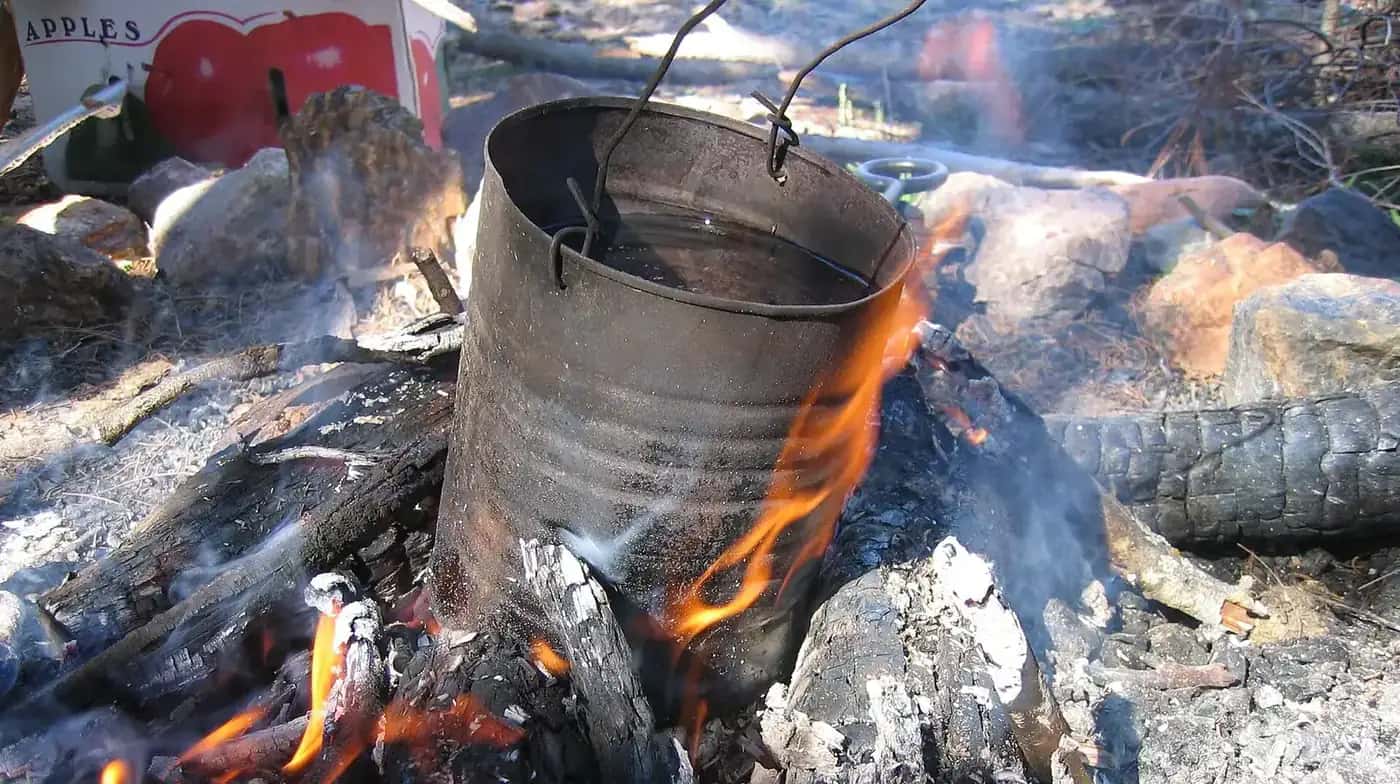
Simple one-pot meals save water, fuel and washing up. Gas stoves are reliable and are often allowed during fire bans, when campfires aren't. Check the conditions of each ban, as some ban all open flames. Campfires are part of outback camping, but use existing fire rings, collect only dead wood where it's allowed, and put fires out with water rather than sand.
Keeping food fresh
- Pre-freeze meat in meal-sized portions.
- Pack the fridge or esky so the oldest food comes out first.
- Keep it in the shade, and open it as little as possible.
- In hot weather, eat fresh food early in the trip and save tins and dried food for later.
- Throw away anything that may have spoiled. Food poisoning far from medical help is serious.
Water for your vehicle
Carry some extra water for your vehicle's cooling system on remote tracks, but don't use your drinking water for it. Check coolant levels each morning when the engine is cold. Overheating is more likely in the heat, on sandy climbs and when towing. See travelling in summer heat.
Checklist
- Drinking water: at least 4 to 6 litres per person per day, plus a reserve
- Separate washing and vehicle water
- A water treatment method (boiling, a filter or tablets)
- Non-perishable food for at least two to three extra days
- A fridge or esky with a reliable power source
- Electrolytes for hot days
- Rubbish bags, so you can carry all waste out
Water on walks
When walking in hot outback parks, carry water on your body, not just in the car. Start early, and turn back once you've drunk half your supply. Some parks close walks in extreme heat. Follow the signs and the rangers' advice.
Related guides
Frequently asked questions
How much water should I carry in the outback?
Tourism NT's road safety advice recommends a minimum of 4 to 6 litres per person per day. On remote tracks, carry enough for every day of your planned trip plus a reserve for several extra days in case of breakdown, closure or heat.
Can you drink bore water in the outback?
Not always. Some outback towns, stations and campgrounds supply bore or artesian water that's safe to drink, while some isn't, or is high in minerals. Check signs and ask locally. If in doubt, carry drinking water, or treat it before drinking.
What food should I take on a remote outback trip?
Take non-perishable staples that don't need refrigeration, such as long-life milk, tins, pasta, rice, oats, dried fruit and nuts. Add a few days of fresh food if you have a fridge. Carry at least two to three days of extra food beyond your plan. Remember that WA and SA quarantine checkpoints prohibit carrying most fresh fruit and vegetables across their borders.
How much water do you need per day in hot weather?
Needs rise sharply in heat and with activity. The NT Government's heat advice recommends electrolyte sports drinks for heat cramps and warns that dehydration is the first step toward more serious heat illness. Plan for the upper end of the 4 to 6 litre range, and more if you're walking or working outdoors.
Sources and further reading
Facts on this page were checked against these primary and official sources. Conditions change — confirm before you travel or buy.
- Road safety — Tourism NT
- Heat stress — Northern Territory Government
- What can I bring into WA? — Department of Primary Industries and Regional Development, WA
- Travelling to South Australia — Primary Industries and Regions SA
- Camping safety — Northern Territory Government


