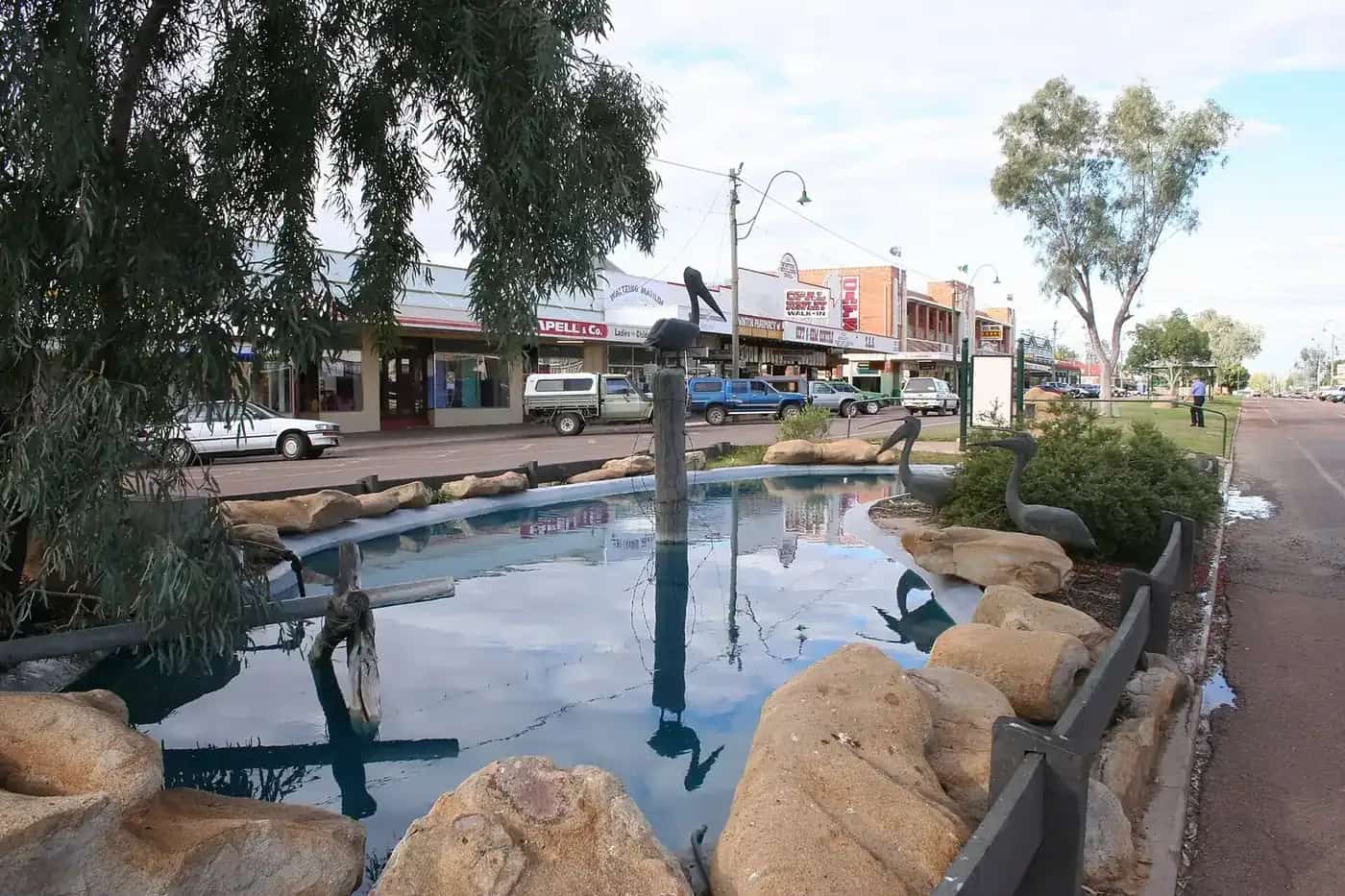
Cloncurry lies on Mitakoodi Country in north-west Queensland. Copper was found in the 1860s, and the town grew as a mining and pastoral centre. In 1928 the Reverend John Flynn's Australian Inland Mission launched the Aerial Medical Service from Cloncurry — the beginning of today's Royal Flying Doctor Service.
Things to do
John Flynn Place. A museum and cultural centre telling the story of Flynn and the Flying Doctor, with an art gallery and outdoor theatre.
Cloncurry Unearthed and the visitor centre. Displays on mining, minerals and the Burke and Wills expedition, which passed nearby in 1861.
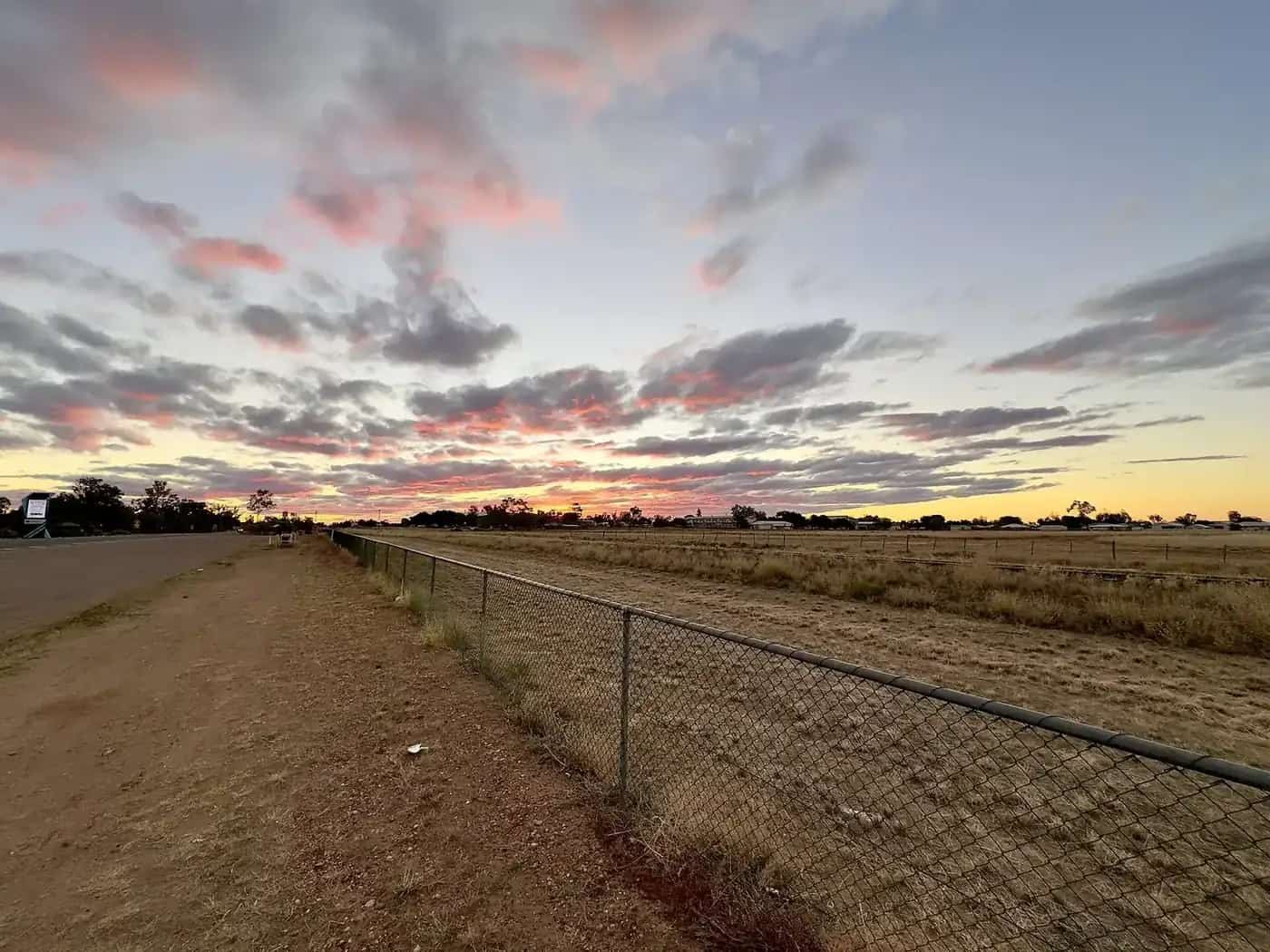
Chinaman Creek Dam. A popular spot for sunset, fishing and birdwatching, with a lookout over the town.
Mary Kathleen. The remains of a former uranium mining town, about 60 km west towards Mount Isa, where streets and slabs are all that remain.
A two-day Cloncurry itinerary
Day one: visitor centre and John Flynn Place in the morning, the cemetery (including the Afghan and Chinese sections) and sunset at Chinaman Creek Dam. Day two: drive west to Mary Kathleen and the Corella Dam area, returning for a pub dinner — or continue to Mount Isa.
History and Country
The Mitakoodi people are the Traditional Owners of the Cloncurry district. Burke and Wills's expedition passed near the site of the town in 1861 on its way to the Gulf, and explorer William Landsborough followed during the search for the lost party. Copper was discovered in the district in the 1860s by Ernest Henry, and pastoral stations spread across the surrounding country. The railway from Townsville arrived in 1908, and copper mining boomed during the First World War. Mining has risen and fallen ever since, with modern mines in the district continuing to produce copper and gold.
The birthplace of the Flying Doctor
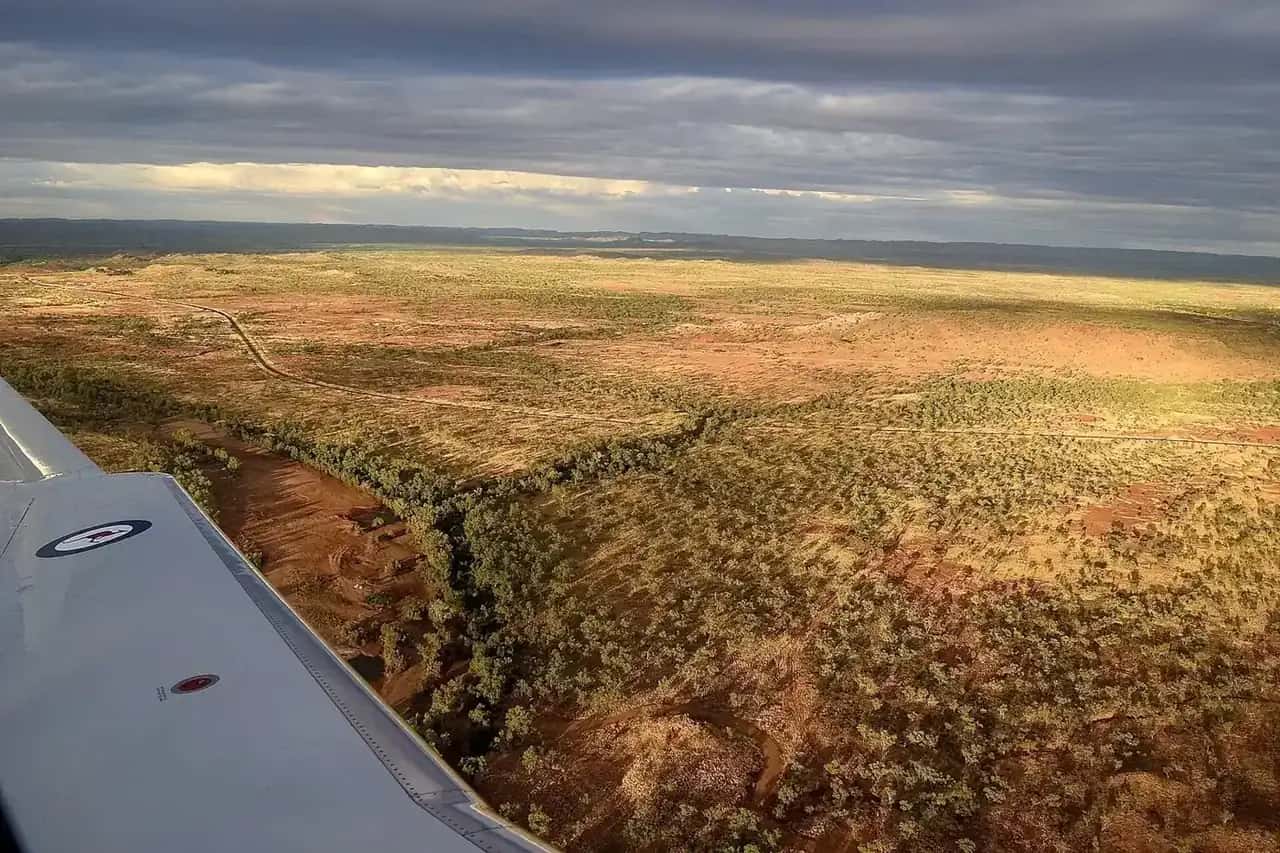
In May 1928, the Australian Inland Mission's Aerial Medical Service made its first official flight from Cloncurry, using an aircraft leased from Qantas. The service was the vision of the Reverend John Flynn, and it grew into the Royal Flying Doctor Service, which now provides emergency and primary health care across remote Australia. John Flynn Place tells this story through exhibits on Flynn, the pilots, the doctors and the pedal radio that made the service possible. Flynn's grave lies near Alice Springs.
Mining heritage
The Cloncurry district has been mined for copper, gold and uranium. Mary Kathleen, west of town, was a uranium mining town from the 1950s until the 1980s; after the mine closed, the town was dismantled, leaving the street layout and concrete slabs. The old open pit can be viewed from a lookout on a side road; check access and conditions locally and do not enter mine areas.
Heat records
Cloncurry is often associated with one of the highest temperatures recorded in Australia, reported in 1889. That reading is no longer accepted as an official Bureau of Meteorology record because of doubts about the instruments used, but the story remains part of local lore. Summer days in Cloncurry are genuinely very hot, so plan outdoor activities for early and late in the day.
Seasons
The dry season, from about April to September, brings warm days and cool nights. The wet season, from December to March, is hot and humid, with storms that can close roads to the Gulf.
Getting there
Cloncurry is on the Flinders Highway about 120 km east of Mount Isa and about 770 km west of Townsville. The Matilda Way (Landsborough Highway) runs south to Winton via McKinlay, and the Burke Developmental Road runs north to Normanton. Regional flights and Queensland Rail's Inlander serve the town; check current schedules.
Where to stay and eat
Cloncurry has motels, hotels, caravan parks and free camping at Chinaman Creek Dam (subject to council rules). There are supermarkets, cafés and pubs, and the hospital serves the wider district.
Nearby towns
- McKinlay — south, home of the Walkabout Creek Hotel, which featured in Crocodile Dundee.
- Julia Creek — east, known for the Dirt n Dust Festival.
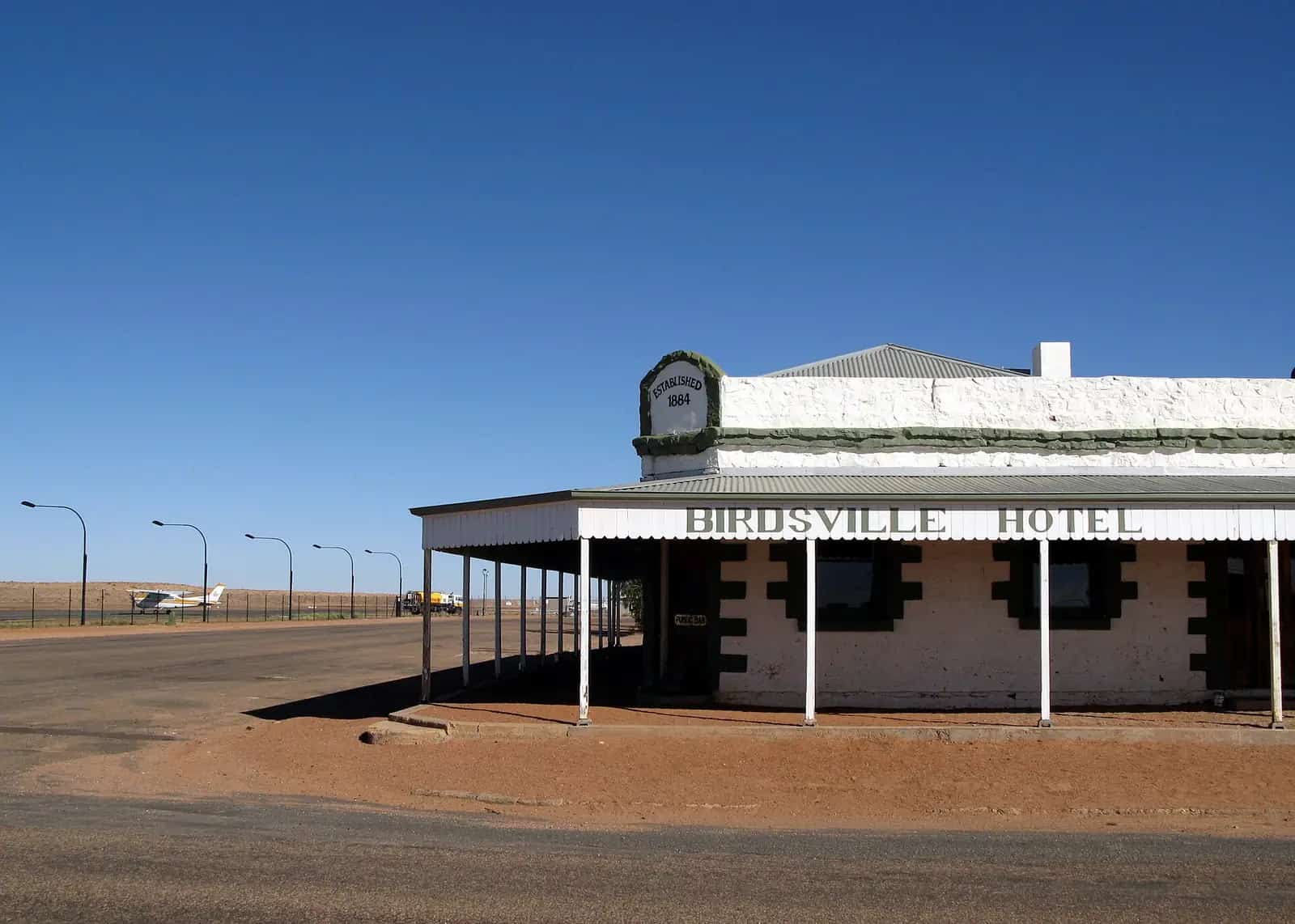
- Kajabbi — north-west, a small community with a historic pub.
- Mount Isa — west, the region's largest city.
Safety
Road trains are common on all highways. Carry water and fuel, avoid driving at night because of stock and wildlife, and check QLDTraffic in the wet season.
Who it suits
Cloncurry suits travellers interested in the Royal Flying Doctor story, mining history and the Burke and Wills expedition, as well as those heading north to the Gulf or west to Mount Isa.
Where to next
- Mount Isa — about 120 km west.
- Normanton and Karumba — north via the Burke Developmental Road.
- Winton — south via the Matilda Way and McKinlay.
- Julia Creek and Richmond — east on the Flinders Highway.
Why is Cloncurry called Cloncurry?
Cloncurry Shire Council says Burke, on his 1861 expedition, named the Cloncurry River after his cousin, Lady Elizabeth Cloncurry of County Galway, Ireland. The town was surveyed in 1876 and named after the river.
Things to do in more detail
- John Flynn Place Museum and Art Gallery. It commemorates John Flynn and the origins of the Royal Flying Doctor Service, which made its first flight from Cloncurry in 1928.
- Cloncurry Unearthed Visitor Information Centre and Museum. Displays cover Burke and Wills, the Ernest Henry and Mary Kathleen mines, and a major gem and mineral collection.
- Chinaman Creek Dam. A popular spot for picnics and walks at the edge of town.
- The Cloncurry River. Shady waterholes in the dry season.
- Mary Kathleen. The site of a former uranium-mining town, on the road to Mount Isa.
Are there crocodiles in Cloncurry?
Freshwater crocodiles live in Chinaman Creek Dam. Local reporting has included one estimated at 2.5 to 3 m. The council has said they're generally not a risk to recreational users, but asks people to keep a safe distance and never harass them. Freshwater crocodiles are far less dangerous than saltwater crocodiles, but they can bite if provoked. See crocodile safety.
How many days?
One full day covers the museums and the dam. Stay two days to explore the river and nearby mining heritage. Many travellers combine Cloncurry with Mount Isa, about 120 km west, and Winton on the Matilda Way.
Where to stay
Motels, pub rooms and caravan parks. Mining and contractor demand can fill rooms on weekdays, so book ahead.
Best time to visit
April to September. Cloncurry is famous for its heat, and summers are extreme. See weather by month.
Events
The Cloncurry Stockman's Challenge and Campdraft is the town's biggest event. In 2026 it ran from 7 to 12 July, with campdrafting, a rodeo, a street parade, live entertainment and food stalls. The Curry Merry Muster is listed for around August in the council's visitor guide. Check Experience Cloncurry for confirmed dates, and book accommodation early for either event.
Visitor centre
Cloncurry Unearthed is both the visitor information centre and a museum. Council information lists it as open from 8:30 am to 4:30 pm on weekdays. On weekends and public holidays, it opens from 9 am to 4 pm between May and September, and from 9 am to 1 pm between October and April. Staff can advise on road conditions, fishing spots and the waterholes along the river.
Further afield
The council's visitor guide lists Fountain Springs, about an hour's drive west, and notes that the Ernest Henry Mine is about 38 km from town. Many travellers also stop at the Mary Kathleen site on the way to Mount Isa. Further north, the Burke Developmental Road leads to Normanton and the Gulf Country. Check road conditions before heading north in or after the wet season, because the Gulf roads can close.
Planning tips
- Carry plenty of water, and plan outdoor activities for early morning, especially from October to March.
- Fill up with fuel in town before heading north or west.
- Pick up the latest visitor guide and maps at Cloncurry Unearthed.
Practical information
Cloncurry has fuel, a hospital, shops and accommodation. It is the junction for the road north to Normanton and the Gulf.
Explore nearby
Frequently asked questions
What is Cloncurry known for?
Cloncurry is known as the birthplace of the Flying Doctor service, for its copper mining history and as the "Friendly Heart of the Great North West" at the junction of the Flinders and Landsborough highways.
How far is Cloncurry from Mount Isa?
About 120 km east of Mount Isa on the Barkly/Flinders Highway.
Why is Cloncurry called Cloncurry?
Burke named the Cloncurry River in 1861 after his cousin, Lady Elizabeth Cloncurry of County Galway, Ireland. The town, surveyed in 1876, took the river's name.
Are there crocodiles in Cloncurry?
Freshwater crocodiles live in Chinaman Creek Dam. The council has said they're generally not a risk to recreational users, but asks people to keep their distance and not harass them.
Sources and further reading
Facts on this page were checked against these primary and official sources. Conditions change — confirm before you travel or buy.
- Cloncurry Shire Council — visit — Cloncurry Shire Council
- Royal Flying Doctor Service history — Royal Flying Doctor Service
- Council history — Cloncurry Shire Council
- Museums — Cloncurry Shire Council (Experience Cloncurry)
- Cloncurry Stockman's Challenge and Campdraft — Cloncurry Shire Council (Experience Cloncurry)
- Cloncurry visitor guide — Cloncurry Shire Council