Respect starts with recognising that you are a guest. These principles reflect the guidance published by land councils, parks agencies and Aboriginal organisations.
Sacred sites
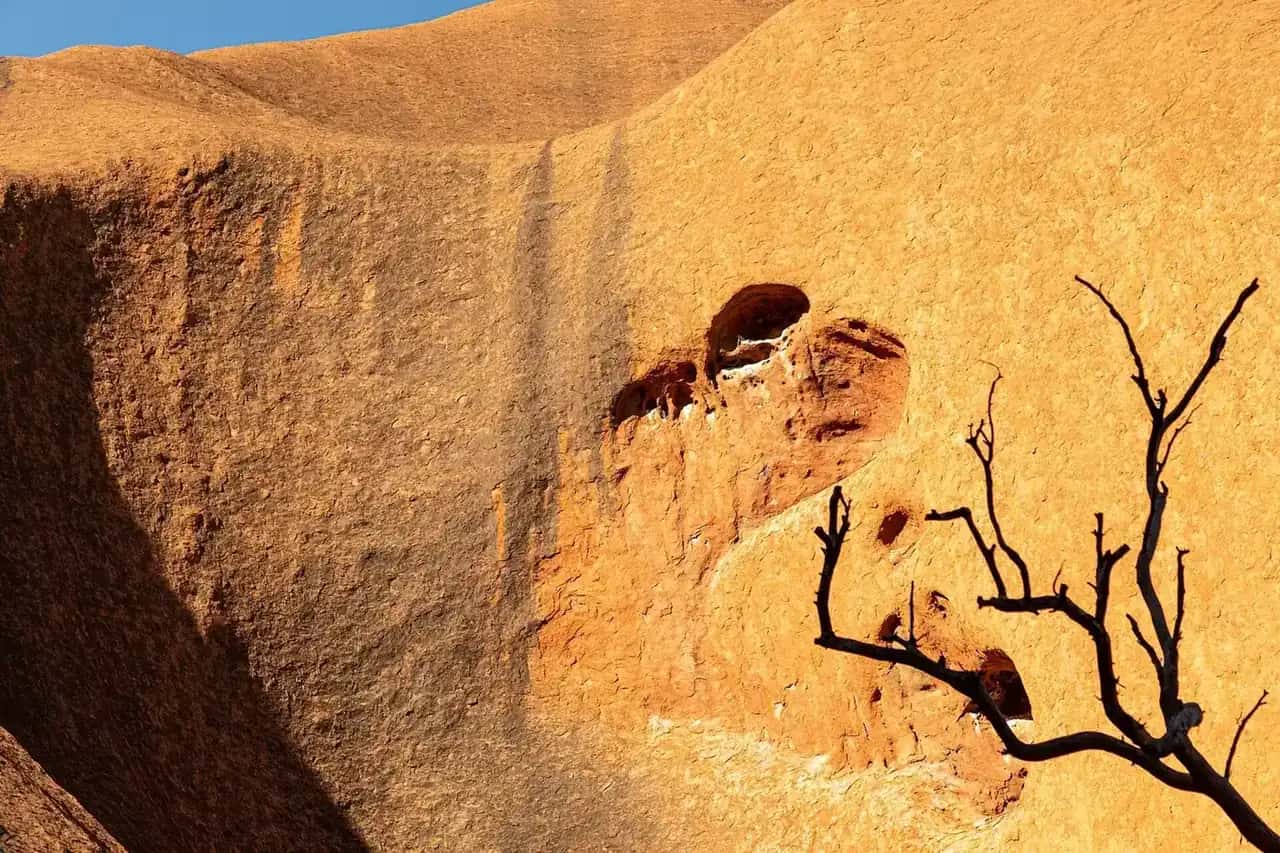
Many places in the outback are sacred. Some are signposted; others are not. Stay on marked tracks, obey signs asking you not to enter, climb or photograph, and never remove rocks, sand, artefacts or bones. At Uluru, for example, Anangu ask visitors not to photograph certain sensitive sites, and the climb has been closed since 2019.
Photography
- Follow signs at cultural sites.
- Always ask before photographing people, especially in communities.
- Images of people who have died may cause distress; be sensitive about sharing photos.
- Drones usually need permission in parks and communities.
Permits for Aboriginal land
- Northern Territory: about half the Territory is Aboriginal land under the Aboriginal Land Rights (Northern Territory) Act 1976. Permits are issued by the Central Land Council, Northern Land Council and other land councils.
- South Australia: the APY Lands and Maralinga Tjarutja Lands require permits.
- Western Australia: many Aboriginal lands require entry permits.
Apply early — processing can take time.
In communities
- Visit only where you have permission or where tourism is welcomed.
- Respect alcohol restrictions and dress modestly.
- Buy fuel, food and art locally to support the community.
- Follow directions about restricted areas and "sorry business" (mourning) closures.
Learning more
Visitor centres, art centres and Aboriginal-led tours are the best ways to learn. See Aboriginal-led tours and experiences.
Before you go
Good planning prevents most problems. Check whether your route crosses Aboriginal land; maps from state road authorities and land councils mark many of these areas. Main highways and public roads through Aboriginal land usually don't need a permit, but leaving the road, stopping in a community or travelling on certain tracks often does. In the Northern Territory, for example, transit permits allow travel along specified routes such as parts of the Mereenie Loop, while a separate permit is needed to visit a community. Apply through the Central Land Council, Northern Land Council or Tiwi Land Council in the NT; through the Department of Planning, Lands and Heritage for many Aboriginal lands in WA; and through the relevant land holding body for the APY and Maralinga Tjarutja lands in SA. Allow plenty of time, as applications can take weeks.
Read the official visitor guides for any jointly managed park you plan to visit. They explain cultural protocols specific to that place, such as areas closed to visitors or requests about photography.
On the road
- Respect closures. Roads, sites and even whole communities may close for ceremony or sorry business. Signs may not explain why; take them at face value.
- Stay on public roads and tracks. Driving off designated roads can damage cultural sites and is often illegal.
- Camp only in designated areas unless you have permission from Traditional Owners or the land manager.
- Don't bring alcohol into restricted areas. Many communities and some regions have alcohol restrictions, with heavy penalties for carrying alcohol in. Signs are posted at boundaries in the NT and WA.
- Drive carefully through communities. Children and dogs are often on or near the road.
In communities
When visiting a community with permission, go first to the community office, store or art centre and introduce yourself. Ask where you are welcome to go and whether there are areas to avoid. Dress modestly — shoulders and knees covered is a good default — and keep voices and music low. Don't wander into houses, yards or ceremonial grounds. Fuel and groceries in remote stores can be expensive because of freight costs; buying locally still supports the community and its services.
Remember that people are living their everyday lives. A community is not a tourist attraction, and residents may not want to talk to visitors. Art centres and tour businesses are the places set up to welcome you.
Language and conversation
Many people in remote communities speak one or more Aboriginal languages first and English as a second or third language. Speak plainly, allow time for answers and don't mistake quietness for rudeness. Avoid saying the name of a person who has recently died if you are told not to; in many communities this is part of mourning practice. It is fine to ask a guide how to pronounce place names, and learning a few greetings in the local language is usually appreciated.
Sacred sites and the law
Sacred sites are protected by Commonwealth, state and territory laws, including the Northern Territory Aboriginal Sacred Sites Act and the Aboriginal Heritage Act in other jurisdictions. Entering a protected site without permission, damaging it or removing objects can lead to prosecution. The Aboriginal Areas Protection Authority in the NT registers sacred sites and has information on its website. Elsewhere, state heritage agencies manage registers. If in doubt, stay out.
Uluru and other icons
At Uluru-Kata Tjuta, Anangu have requested that visitors don't photograph certain sections of Uluru and Kata Tjuta, which are marked by signs. Commercial photography and filming need permits from Parks Australia. Similar requests apply at other jointly managed parks such as Nitmiluk and Ikara-Flinders Ranges.
Giving back
Respect also means contributing. Choose Aboriginal-owned tours and accommodation where you can, buy art from community art centres (see Buying Aboriginal art ethically), donate to community-run projects, and pay park fees, which fund joint management. When you share photos and stories online, credit the Traditional Owners of the places you visited.
For background on the cultures you will meet, read Aboriginal culture in the outback.
Further reading
Frequently asked questions
Do I need a permit to visit an Aboriginal community?
Usually, yes. In the NT, permits to enter Aboriginal land are issued by the land councils; in SA and WA, permits are required for many Aboriginal lands. Main public roads may be exempt, but communities often are not.
Why are some communities alcohol-free?
Many Aboriginal communities have chosen to restrict alcohol, and there are legal restrictions in some areas. Penalties apply for carrying alcohol into restricted areas. Check signs and local rules.
Sources and further reading
Facts on this page were checked against these primary and official sources. Conditions change — confirm before you travel or buy.
- Central Land Council permits — Central Land Council
- Northern Land Council permits — Northern Land Council
- Uluru-Kata Tjuta National Park — Parks Australia