Brewarrina, on the Barwon River about 100 km east of Bourke, is a meeting place for many Aboriginal nations, including the Ngemba, Murrawarri, Ualarai and others.
Baiame's Ngunnhu
The fish traps are stone weirs and pools built across the river. According to Ngemba tradition, they were created by the ancestral being Baiame, who gave each family group responsibility for particular traps. The traps are thought to be extremely old. They were added to the National Heritage List in 2005.
Brewarrina Aboriginal Cultural Museum
The museum, near the fish traps, tells the story of the traps and the region's Aboriginal history. Check opening times.
Things to do
- Fish traps viewing area — beside the river.
- River walks and fishing.
- Narran Lake and Culgoa National Park — further afield.
Services
Fuel, a store, accommodation and a health service.
How the fish traps work
The traps are a network of stone walls and ponds laid out across a rocky bar in the Barwon River. When fish swim upstream on rising water, they enter the ponds through narrow openings. Families could then close the gaps and catch fish by hand or with spears. The design took account of river flows and fish behaviour, allowing different water levels to be used. Traditionally, each family was responsible for the care of particular ponds and for sharing the catch according to law. Damage from riverboats, river works and the building of a weir in the 20th century changed parts of the traps, but they remain a powerful example of Aboriginal engineering and law.
A meeting place
For thousands of years, the fish traps drew Aboriginal nations to Brewarrina for gatherings, ceremonies and trade. The site is still deeply significant. Visitors are welcome at the viewing areas, but do not walk on the traps, move stones or take anything from the site. See our visiting Country respectfully and rock art sites guides for etiquette at cultural places.
History in brief
European pastoralists moved into the region in the 1840s, and Brewarrina grew as a river crossing and port during the paddle-steamer era. In 1886 the Aboriginal Protection Board established a mission near the town, and many Aboriginal people were moved there from across the region. The mission's history, including forced removals, is part of the Stolen Generations story. The cultural museum helps tell this history from Aboriginal perspectives.
Things to do nearby
- Culgoa National Park. North of Brewarrina, a park of coolibah woodland, river channels and birdlife. Roads are unsealed and close after rain.
- Narran Lake Nature Reserve. An important wetland for waterbirds when it fills, to the east. Access is limited; check before visiting.
- Fishing. The Barwon River holds Murray cod and golden perch. NSW fishing rules and licences apply.
- Birdwatching. River red gums along the Barwon attract parrots, cockatoos and birds of prey. See birdwatching.
Getting there
Brewarrina is on the Kamilaroi Highway between Bourke and Walgett. Roads are sealed, but side roads can close after rain. Check Live Traffic NSW.
Where to stay
Brewarrina has a caravan park, a hotel and motel accommodation. Bourke has more choice.
Suggested day
Start at the cultural museum and fish traps viewing area, join a guided tour if available, then walk along the river. In the afternoon, drive towards Culgoa National Park or continue to Bourke.
Tips
- Check opening hours of the museum before you travel.
- Respect the site. Never climb on the traps.
- Support local businesses and Aboriginal-run tours.
Combining Brewarrina with Bourke and Walgett
Brewarrina sits between two larger towns, making it easy to include on a loop through outback NSW. Many travellers spend a few days in Bourke, then drive east to Brewarrina for the fish traps, and continue to Walgett and Lightning Ridge for opal and bore baths. The Kamilaroi Highway is sealed, but the country is remote, and fuel stops are far apart. Allow time to stop at river crossings and lookouts along the way.
When to visit
Autumn, winter and spring (April to October) are the most comfortable times. Summers are hot. After heavy rain upstream, the Barwon can flood, which may close roads and change access to the fish traps.
Fuel, phones and medical help
Brewarrina Multi Purpose Service on Doyle Street, part of Western NSW Local Health District, provides 24-hour emergency care, inpatient beds, renal dialysis and X-ray (phone 02 6830 5000). It also has inpatient beds for general medicine and palliative care, and residential aged care. Fuel is available at the Shell service station on Doyle Street, which is listed on the Visit Brewarrina tourism site.
The nearest larger towns are Bourke (about 98 km west) and Walgett (about 133 km east).
Travelling with kids
The fish traps and cultural museum can make a great learning experience for older children; ask at the museum about guided options.
Visiting the fish traps and museum
Brewarrina Shire Council recommends the Brewarrina Aboriginal Cultural Museum as the first stop on any visit. It sits a few steps from Baiame's Ngunnhu, in purpose-built gunyahs, and tells the history of the Ngemba, Ualarai, Weilwan and Baranbinja peoples. Local guides lead tours of the museum and the fish traps. Visit NSW says tours take about 45 minutes, with very little walking.
At the time of writing, the council lists these tour times:
- Friday: 9:30 am, 11 am, 1 pm and 2:30 pm.
- Saturday: 9:30 am and 11 am.
- Monday: by appointment.
- Sunday: closed.
Bookings are recommended on 0457 869 088. Times change, so confirm before you travel. The NSW Government lists the fish traps site on Bathurst Street as free entry.
The Brewarrina Visitor Information and Exhibition Centre has maps, itineraries, gifts and local produce. The council lists its hours as Friday 8 am to 5 pm and Saturday to Monday 10 am to 2 pm. Phone (02) 6830 5152.
Each June long weekend, the Bre Big Fish brings anglers and families to the banks of the Barwon River for three days of fishing and community events. For the full story of the traps, see our Brewarrina fish traps guide.
Practical information
- Nearest towns: Bourke (west), Walgett (east).
- Best time: April to October.
History guide: Brewarrina Fish Traps (Baiame's Ngunnhu).
Related park guide: Culgoa.
Frequently asked questions
Can you visit the Brewarrina fish traps?
Yes. There is a viewing area beside the Barwon River. Guided tours run by the cultural museum or local Aboriginal guides give the best understanding; check opening times.
How old are the Brewarrina fish traps?
Their exact age is not known. They are thought to be among the oldest human-built structures in the world, and they are protected on the National Heritage List.
What are the Brewarrina fish traps?
Baiame's Ngunnhu is a network of stone weirs and ponds across the Barwon River, used by Aboriginal people to catch fish. It was added to the National Heritage List in 2005.
How far is Brewarrina from Bourke?
About 100 km east.
What is Brewarrina famous for?
Brewarrina is best known for Baiame's Ngunnhu, the Brewarrina Aboriginal Fish Traps in the Barwon–Darling River. The traps were added to the National Heritage List in 2005. Brewarrina Shire Council describes them as believed to be the oldest human construction on earth.
What is Brewarrina like?
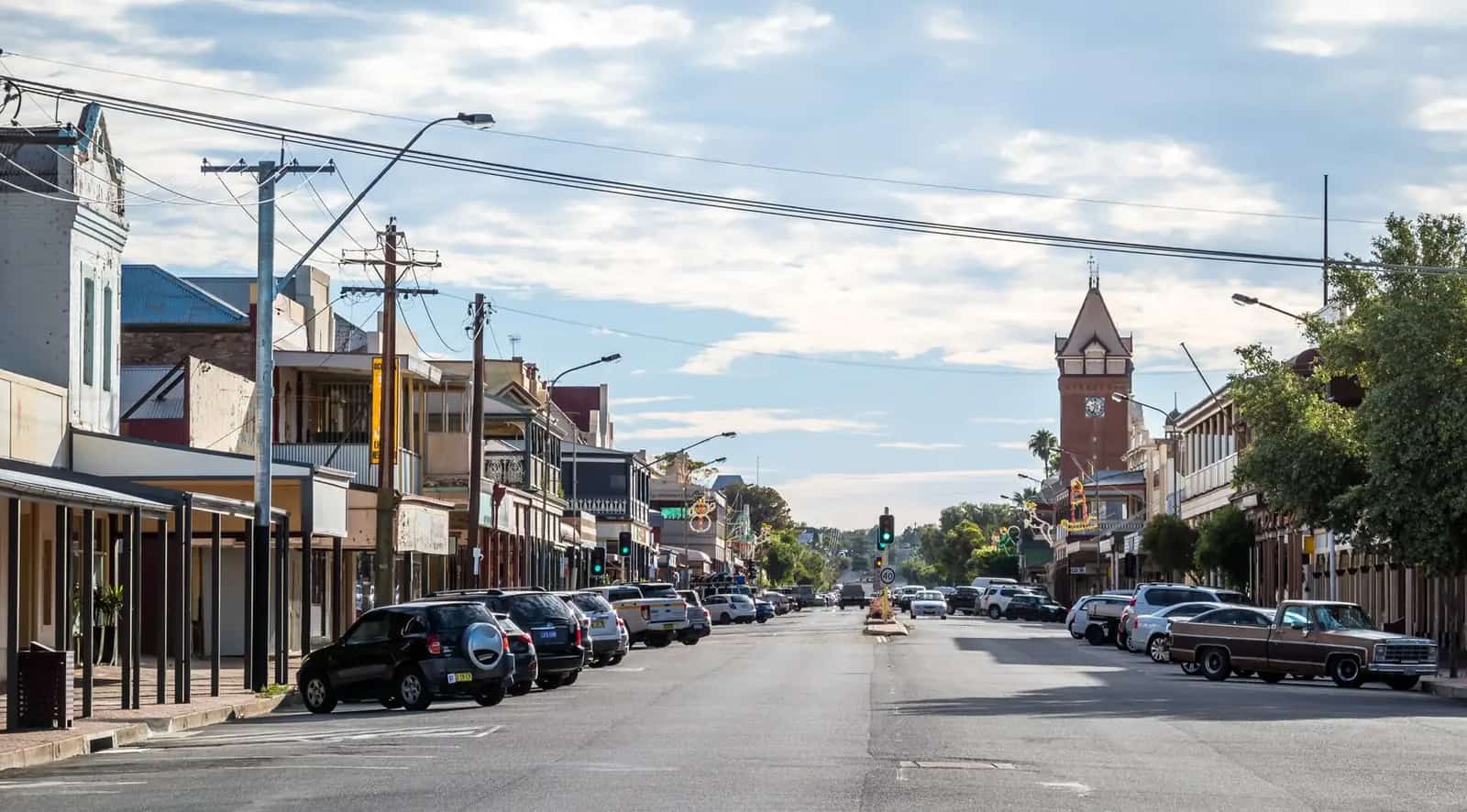
Brewarrina is a small, remote river town on the Barwon–Darling in outback NSW, about 100 km east of Bourke. It has a strong First Nations identity, an Aboriginal cultural museum beside the fish traps, a visitor centre and riverside fishing spots. Services are limited, so plan fuel and supplies.
Sources and further reading
Facts on this page were checked against these primary and official sources. Conditions change — confirm before you travel or buy.
- Culgoa National Park — NSW National Parks and Wildlife Service
- Brewarrina Shire Council — Brewarrina Shire Council
- Baiame's Ngunnhu (Brewarrina Fish Traps) — Australian Government
- Brewarrina (Wikipedia) — Wikipedia
- June Long Weekend in Brewarrina Shire — Brewarrina Shire Council
- Brewarrina Fish Traps (Baiame's Ngunnhu) — NSW Government
- Brewarrina Aboriginal Cultural Museum — Visit NSW