This calendar summarises seasonal patterns and recurring events. Event dates change each year, and some events are held only in some years — always confirm on the official website. For more detail, see best time to visit the outback.
Summer (December to February)
- Arid outback: very hot; many tours run reduced schedules. Simpson Desert parks closed.
- Tropical north: wet season — heat, humidity, storms, flooding and cyclone risk. Many unsealed roads, including the Gibb River Road, are closed.
Autumn (March to May)
- Arid outback: temperatures ease; the travel season begins from April.
- Tropical north: the wet tapers off; roads and parks reopen progressively.
- Events: St Patrick's Race Day in Broken Hill (two weeks before Easter) — see St Patrick's Race Day. Easter events such as Roma's Easter in the Country.
Winter (June to August)
- Arid outback: peak season — warm days, cold nights.
- Tropical north: dry season — ideal conditions.
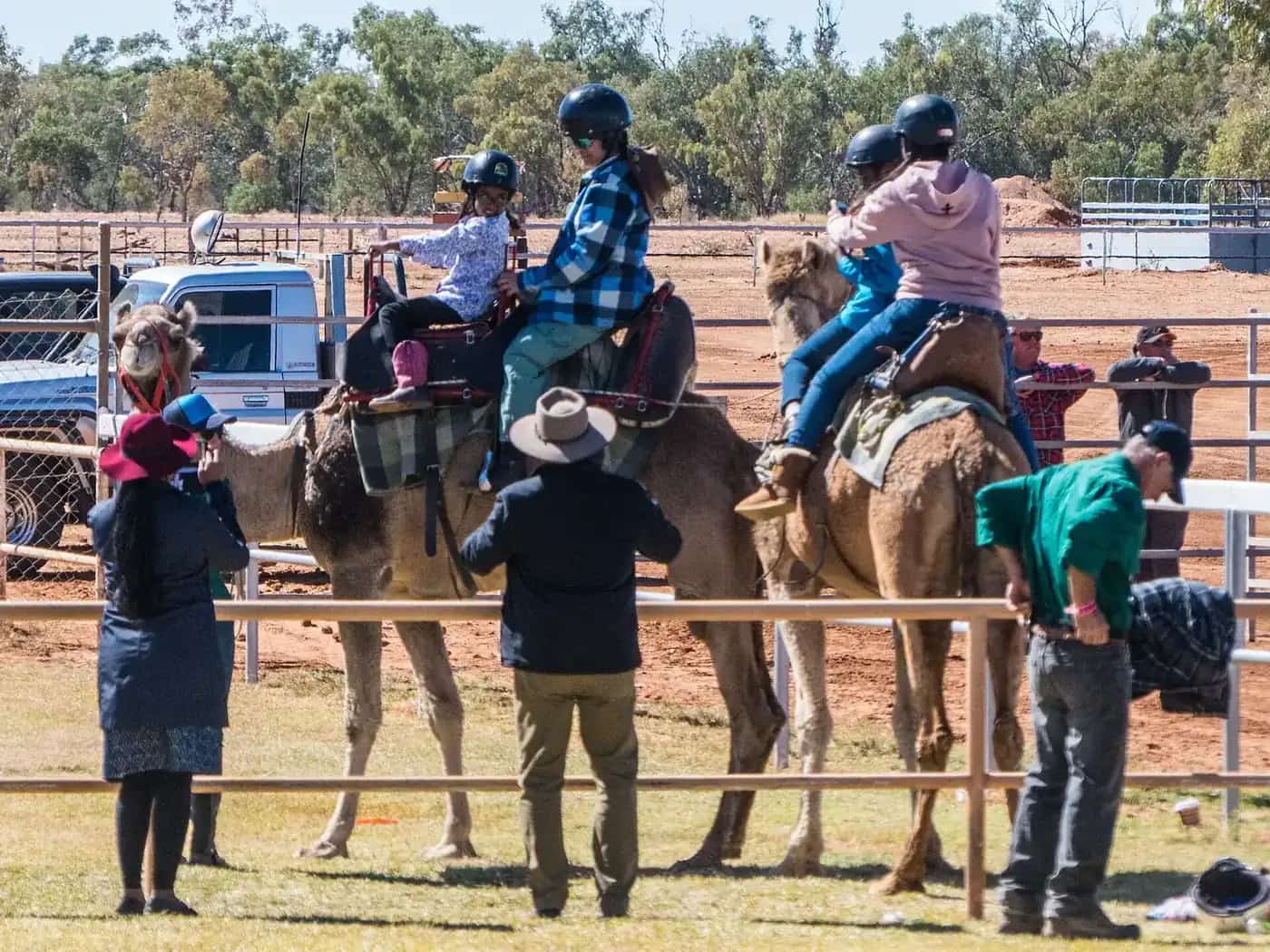
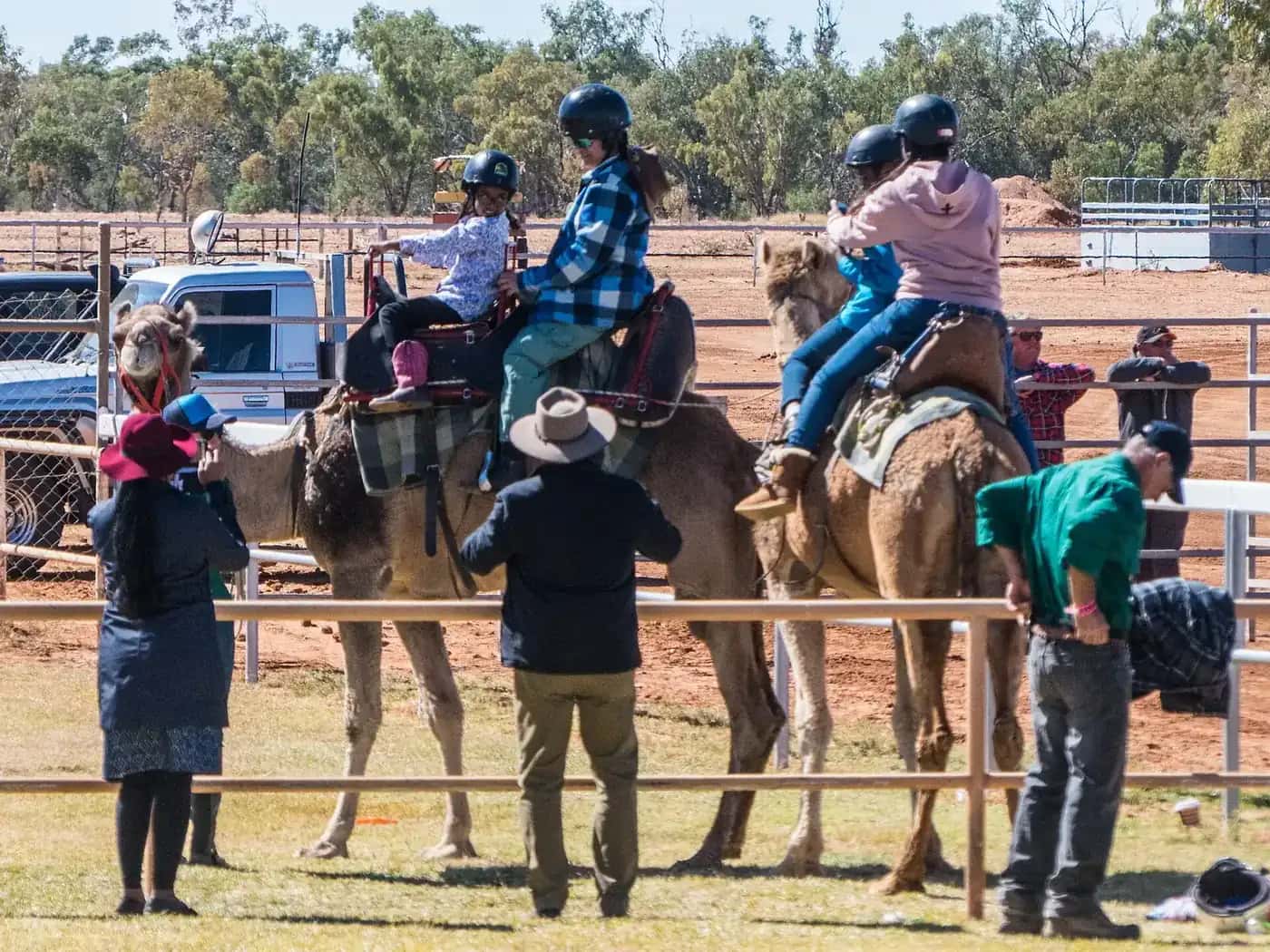
- Events: Boulia camel races (July) — see camel races; the Mount Isa Rodeo (August) — see Mount Isa Rodeo; the Finke Desert Race in Alice Springs (King's Birthday long weekend in June).
Spring (September to November)
- Arid outback: warming; wildflowers after good rain.
- Tropical north: the "build-up" towards the wet — hot and humid.
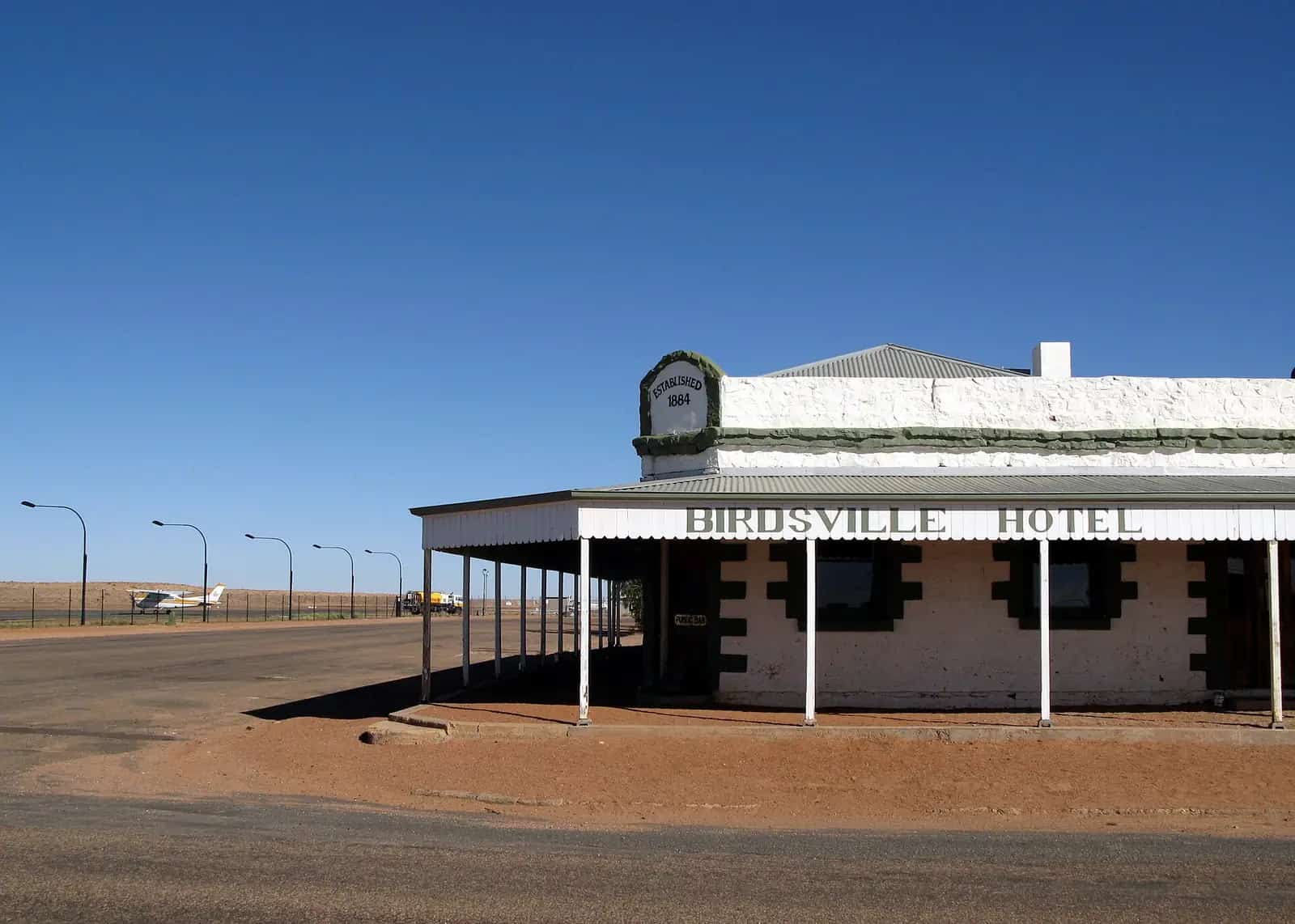
- Events: the Birdsville Races (early September) — see Birdsville Races; the Australian Camp Oven Festival in Millmerran (October, every second year) — see Camp Oven Festival.
Regional quick guide
| Region | Best months |
|---|---|
| Central Australia (Alice Springs, Uluru) | April to September |
| Outback Queensland | April to September |
| Outback NSW | April to October |
| Outback SA (Flinders, Oodnadatta) | April to October |
| Top End and Kimberley | May to September |
| Pilbara | May to September |
Understanding outback seasons
Australia's outback spans two broad climate zones. The arid and semi-arid south and centre — western NSW, outback South Australia, south-west and central Queensland, central Australia and the WA goldfields — has hot summers, mild to warm winters with cold nights, and low, unreliable rainfall that can fall at any time of year. The tropical north — the Top End, the Kimberley, the Gulf Country and Cape York — has a wet season from roughly November to April, with heavy monsoonal rain, storms and cyclone risk, and a dry season from roughly May to October with clear skies and warm days.
The Bureau of Meteorology also recognises Aboriginal seasonal calendars, which divide the year into many more seasons based on changes in weather, plants and animals. The Indigenous Weather Knowledge pages on the BOM website explain several of these calendars, such as those of the Gulumoerrgin (Larrakia) people around Darwin.
Month by month
January. Peak heat in the arid zone; plan only essential travel and avoid remote tracks. The Top End and Kimberley are in the heart of the wet season, with many roads closed. Coastal and highland areas offer relief.
February. Similar to January. Cyclones can affect the north-west and the Gulf; monitor BOM warnings. Floods in Queensland's Channel Country may cut roads for weeks, but can set up spectacular waterbird breeding events later in the year.
March. Heat begins to ease in the south. The Simpson Desert parks generally reopen from around mid-March, subject to conditions. In the north, the wet tapers off but roads may still be closed.
April. The travel season starts in central Australia and outback Queensland. Easter school holidays are busy; book ahead. St Patrick's Race Day in Broken Hill is usually held in March or April.
May. Excellent conditions across most of the outback. In the north, many parks and roads reopen, though some unsealed routes such as the Gibb River Road may still be closed early in the month.
June. Cool, clear days and cold nights in the centre, with frost possible. The Finke Desert Race is held over the King's Birthday long weekend in Alice Springs. School holidays begin late in the month.
July. Peak season across the outback, with full tour schedules and busy campgrounds. Boulia's camel races and many race days, rodeos and shows are held. In the north, waterfalls are still flowing in the early dry.
August. Still peak season. The Mount Isa Rodeo is held in August, along with many campdrafts and outback shows. In the north, it is warm and dry; some waterfalls have slowed.
September. The Birdsville Races are held in early September. Wildflowers can be spectacular after good rain in the arid zone and in WA. Temperatures start to climb in the north.
October. Warming in the south; spring heat begins in the centre. The Australian Camp Oven Festival is held in Millmerran in October in festival years. The "build-up" begins in the Top End, with rising humidity and storms.
November. Heat increases across the outback, and many tours wind down. In the north, the wet season begins and some roads start to close. Bushfire risk can be high in some regions.
December. Summer heat. The Simpson Desert parks close over the hottest months. Christmas and January holidays are quiet in the outback; check opening hours for attractions, roadhouses and accommodation.
Heat, closures and safety
Extreme heat is dangerous for people and vehicles. Some parks and tracks close in summer, including the Simpson Desert parks in South Australia and Queensland, and travellers should avoid long walks in the middle of the day at any time of year in the arid zone. Check fuel, permits and road conditions before setting out, and read our outback safety guide.
School holidays and crowds
School holidays in each state, especially the winter holidays in June and July, bring large numbers of families and caravans to the outback. Book accommodation, tours and campgrounds early, or travel in May, August or September for slightly quieter conditions.
Plan by event
Our event guides cover the major dates in detail: Birdsville Races, Mount Isa Rodeo, camel races, the Camp Oven Festival, St Patrick's Race Day and the Windorah yabby races. For a broader list, see festivals, rodeos and race days and our guide to the best time to visit.
Frequently asked questions
What is the best month to visit the outback?
For most of the arid outback, May to September brings the most comfortable temperatures. In the tropical north, the dry season (roughly May to October) is the main travel season.
Why are some desert parks closed in summer?
Extreme heat makes travel dangerous. The Simpson Desert parks in SA and Queensland close over the hottest months, generally from December to mid-March.
Sources and further reading
Facts on this page were checked against these primary and official sources. Conditions change — confirm before you travel or buy.
- Bureau of Meteorology climate information — Bureau of Meteorology
- Munga-Thirri–Simpson Desert National Park — National Parks and Wildlife Service SA