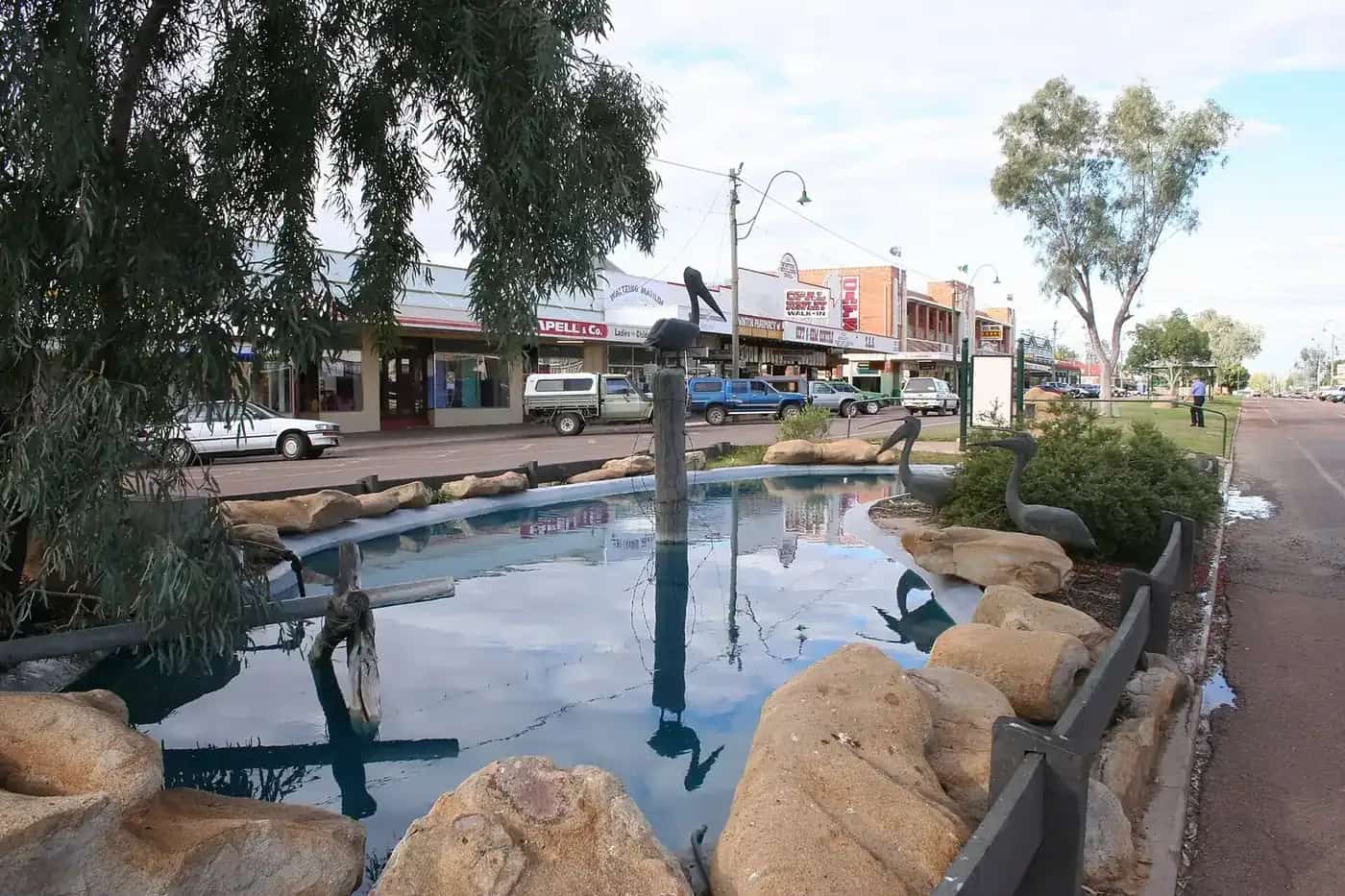
Thargomindah is the administrative centre of Bulloo Shire, about 200 km west of Cunnamulla on the Adventure Way. It sits on the Bulloo River, surrounded by vast mulga and gidgee country and pastoral stations. It is a welcoming stop for travellers heading to Innamincka and the Dig Tree.
History and Country
Thargomindah is on the Country of the Kullilli people, who have lived along the Bulloo River for thousands of years. Pastoral runs were taken up in the 1860s, and the township was established in the 1870s as a service centre and stop on coach routes. Its heritage buildings — the old jail, built in the 1880s, and Leahy House, a historic homestead — reflect those early years.
The hydro-electric plant
In 1893 a bore was drilled into the Great Artesian Basin to supply the town with water. The water emerged under great pressure, and in 1898 the town began using this pressure to drive a generator, supplying electricity for street lighting. Thargomindah is often described as one of the first towns in Australia, and among the earliest in the world, to use hydro-electric power for its streets. The plant was used until the 1950s. Today, the restored hydro power plant can be visited, with demonstrations at set times; check with the visitor information centre.
Things to do
Hydro Power Plant. See how artesian water once lit the town.
Old Jail and Leahy House. Explore the town's heritage buildings and learn about life in the early days.
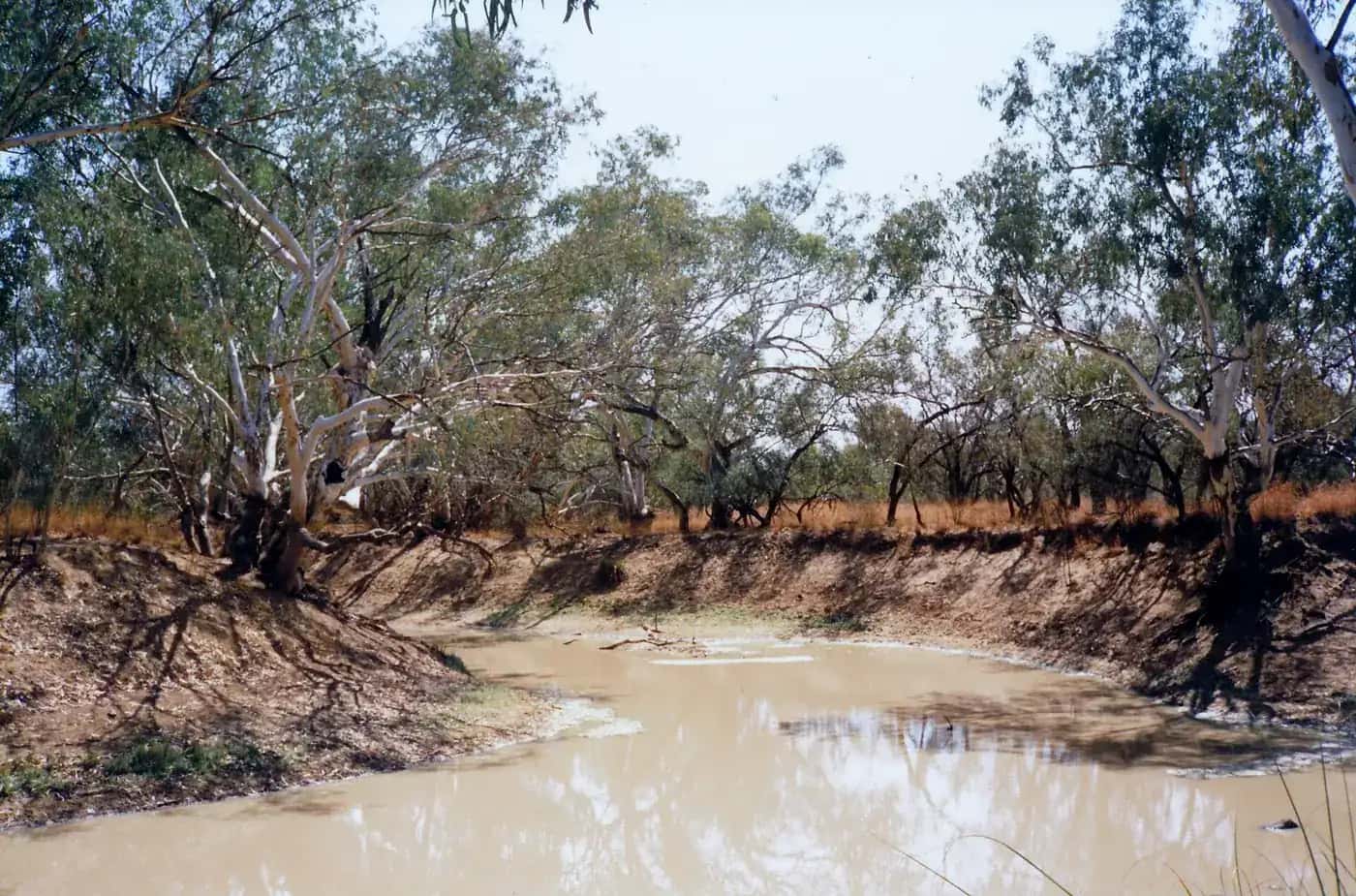
Bulloo River walks. Riverside walks offer birdwatching and peaceful picnic spots. Pelican Point is a popular camping and fishing area.
Lake Bindegolly National Park. About 40 km east, this park protects a series of salt and freshwater lakes that attract waterbirds. A walking track circles part of the lake. Check QPWS for conditions.
Noccundra. West of town, the historic Noccundra Hotel, built from sandstone in the 1880s, sits beside the Wilson River waterhole.
Currawinya National Park. South-east, near Hungerford, Currawinya is a Ramsar-listed wetland and one of the most important waterbird habitats in inland Australia.
A two-day itinerary
Day 1: Arrive, visit the Hydro Power Plant and Old Jail, then watch sunset by the Bulloo River.
Day 2: Visit Lake Bindegolly in the morning, then continue west to Noccundra for lunch, or return east.
Seasons
April to October is the best time to visit. Summer temperatures are very high, and storms can bring flooding.
Getting there
Thargomindah is about 200 km west of Cunnamulla on the sealed Bulloo Developmental Road (part of the Adventure Way). Regional flights operate to Thargomindah; check current schedules.
Where to stay and eat
A hotel-motel, caravan park and cabins, plus a store and fuel.
Travel safety
Distances are long and services sparse. Carry water and fuel, avoid driving at night because of stock and wildlife, and check QLDTraffic before heading west.
The Great Artesian Basin
The Great Artesian Basin is one of the largest underground freshwater reservoirs in the world, underlying about a fifth of Australia. Rain falling on the Great Dividing Range seeps into porous sandstone and travels slowly westward over thousands of years. Bores tapping the basin transformed outback Queensland, providing reliable water for towns and stock. Many early bores flowed freely, wasting water; capping and piping programs since the late twentieth century have helped restore pressure. Thargomindah's hydro plant is a reminder of how strong that pressure once was.
Who it suits
Thargomindah suits history and engineering buffs, birdwatchers, and travellers on the Adventure Way heading to Innamincka or the Dig Tree.
Packing tips
Bring binoculars for Lake Bindegolly, insect repellent, a hat and plenty of water. Nights can be cold in winter.
The Bulloo Overflow
West of town, the Bulloo River spreads into the Bulloo Overflow, a large system of ephemeral lakes, swamps and channels near the NSW border. When it floods after big rain, it becomes one of the most important waterbird breeding areas in inland Australia. Most of the area is on private pastoral land and access is limited, but the roads west of town can offer glimpses of the floodplain in wet years.
Toompine
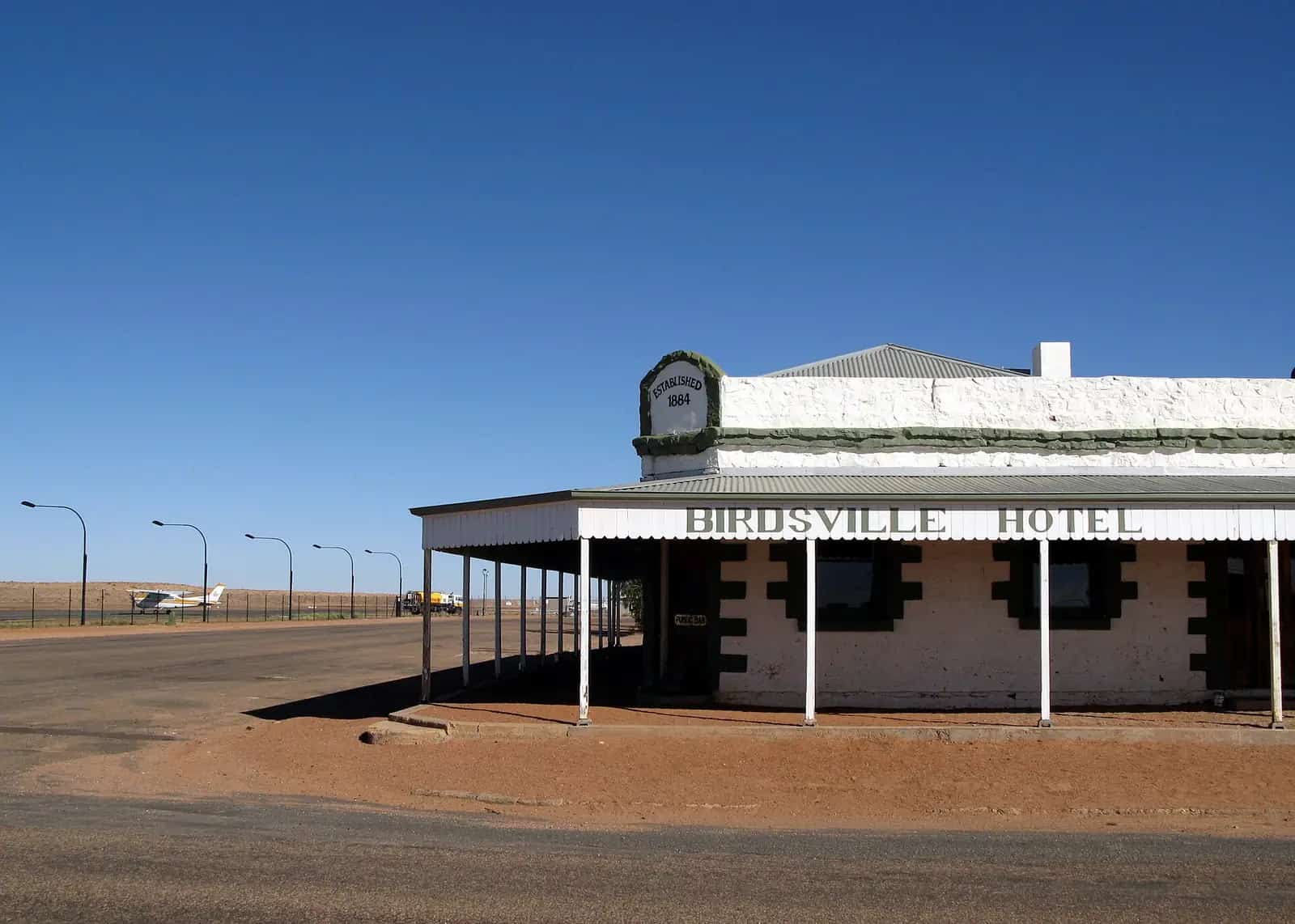
On the road north towards Quilpie, the tiny settlement of Toompine is little more than its historic pub, a classic outback stop surrounded by opal country. Check opening hours before relying on it for fuel or meals.
Following Burke and Wills
Thargomindah is the last full-service town before the long drive west to the Dig Tree and Innamincka. The route via Noccundra includes sealed and unsealed sections, and it passes through oil and gas fields with heavy vehicle traffic. Fill up in town, carry extra water, and check the Bulloo Shire road report. See Burke and Wills and the Adventure Way.
Night skies
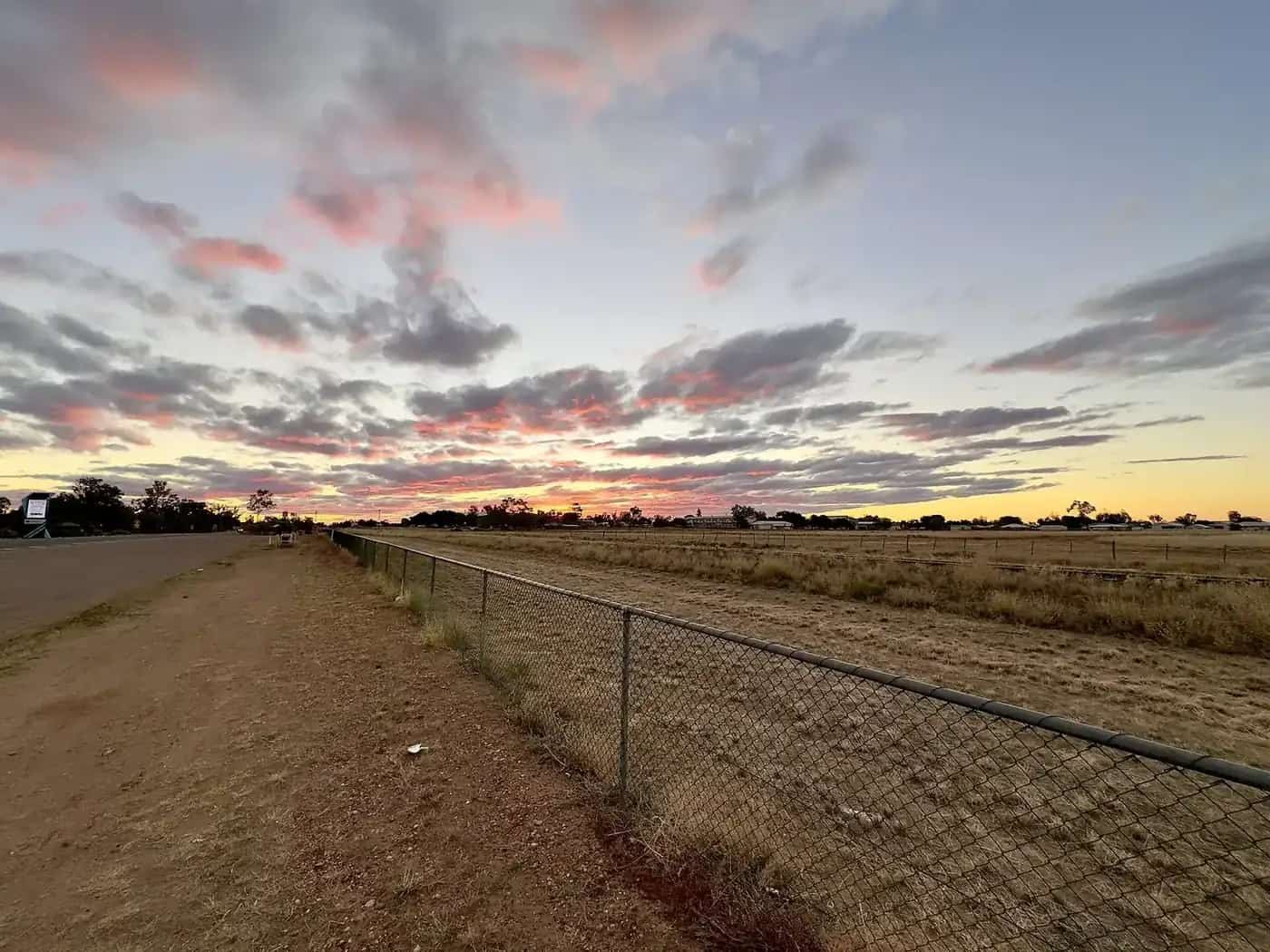
With very little light pollution, Thargomindah has superb night skies. The riverbank and the edge of town are good places to watch the Milky Way on clear, moonless nights, especially in the cooler months.
Supporting a remote community
Thargomindah's small population relies on a handful of businesses and council services. Buying fuel, meals and supplies in town, staying a night or two and visiting the heritage sites all help keep these services running for locals and future travellers.
Where to next
- Cunnamulla — about 200 km east.
- Noccundra — about 140 km west.
- The Dig Tree and Innamincka — further west, unsealed sections.
- Hungerford and Currawinya — south-east via unsealed roads.
The hydro plant, hospital and jail
The Bulloo Shire's Explore Bulloo site says Thargomindah was the first town in Australia, and the third in the world, to generate hydro-electric street lighting, in 1898. Drilling of the town bore began in 1891, and water was struck in 1893 at about 808 m, coming out at about 84°C. The hydro plant supplied power until diesel took over in 1951, and the town joined the state grid in 1988.
Explore Bulloo says a single swipe card, priced at $12.50, gives entry to the hydro power plant, the Old Hospital and the Old Jail. The Old Hospital was built in 1888 from mud bricks. Buy the card at the visitor centre at 37 Dowling Street, phone (07) 4621 8095, and check current prices and session times there.
The town reserve was gazetted on 31 December 1874. Explore Bulloo puts Thargomindah's population at about 230.
Practical information
- Services: fuel, store, hotel, health clinic and visitor information.
- Nearest larger town: Cunnamulla.
- Next stops west: Noccundra, the Dig Tree and Innamincka.
Explore nearby
Nearby park guide: Currawinya National Park.
Nearby park guide: Innamincka Regional Reserve.
Frequently asked questions
Why is Thargomindah famous?
In 1898 the town began using the pressure of water from an artesian bore to drive a generator that supplied electricity, making it one of the earliest towns in Australia to generate hydro-electric power. The restored plant can be visited.
How far is Thargomindah from Brisbane?
About 1,000 km by road, via Cunnamulla on the Adventure Way.
Can I drive from Thargomindah to Innamincka?
Yes, via the Adventure Way past Noccundra and the Dig Tree, but long sections are unsealed and close after rain. Check QLDTraffic and SA road reports first.
What is Thargomindah famous for?
Thargomindah is known for generating hydro-electric street lighting from its artesian bore in 1898, which the Bulloo Shire says made it the first town in Australia to do so.
How much does it cost to see the Thargomindah hydro plant?
Explore Bulloo lists a $12.50 swipe card that covers the hydro power plant, the Old Hospital and the Old Jail. Buy it at the visitor centre at 37 Dowling Street.
Sources and further reading
Facts on this page were checked against these primary and official sources. Conditions change — confirm before you travel or buy.
- Bulloo Shire Council — Bulloo Shire Council
- Lake Bindegolly National Park — Queensland Parks and Wildlife Service
- QLDTraffic — Queensland Government
- Thargomindah (Wikipedia) — Wikipedia
- Explore Bulloo — Bulloo Shire Council