Rain falling on the Great Dividing Range seeps into porous sandstone and flows slowly underground for thousands of years. Where the water emerges naturally, mound springs form; where bores tap it, water often rises under its own pressure.
Mound springs
Natural springs along the basin's margins, such as those along the Oodnadatta Track, have sustained Aboriginal people for thousands of years and support unique plants and animals found nowhere else.
The bores
From the 1880s, pastoralists drilled bores across Queensland and NSW, transforming the pastoral industry. Many flowed uncontrolled into open drains, wasting water and reducing pressure. Programs to cap bores and replace open drains with pipes have helped recover pressure in some areas.
Artesian power and pools
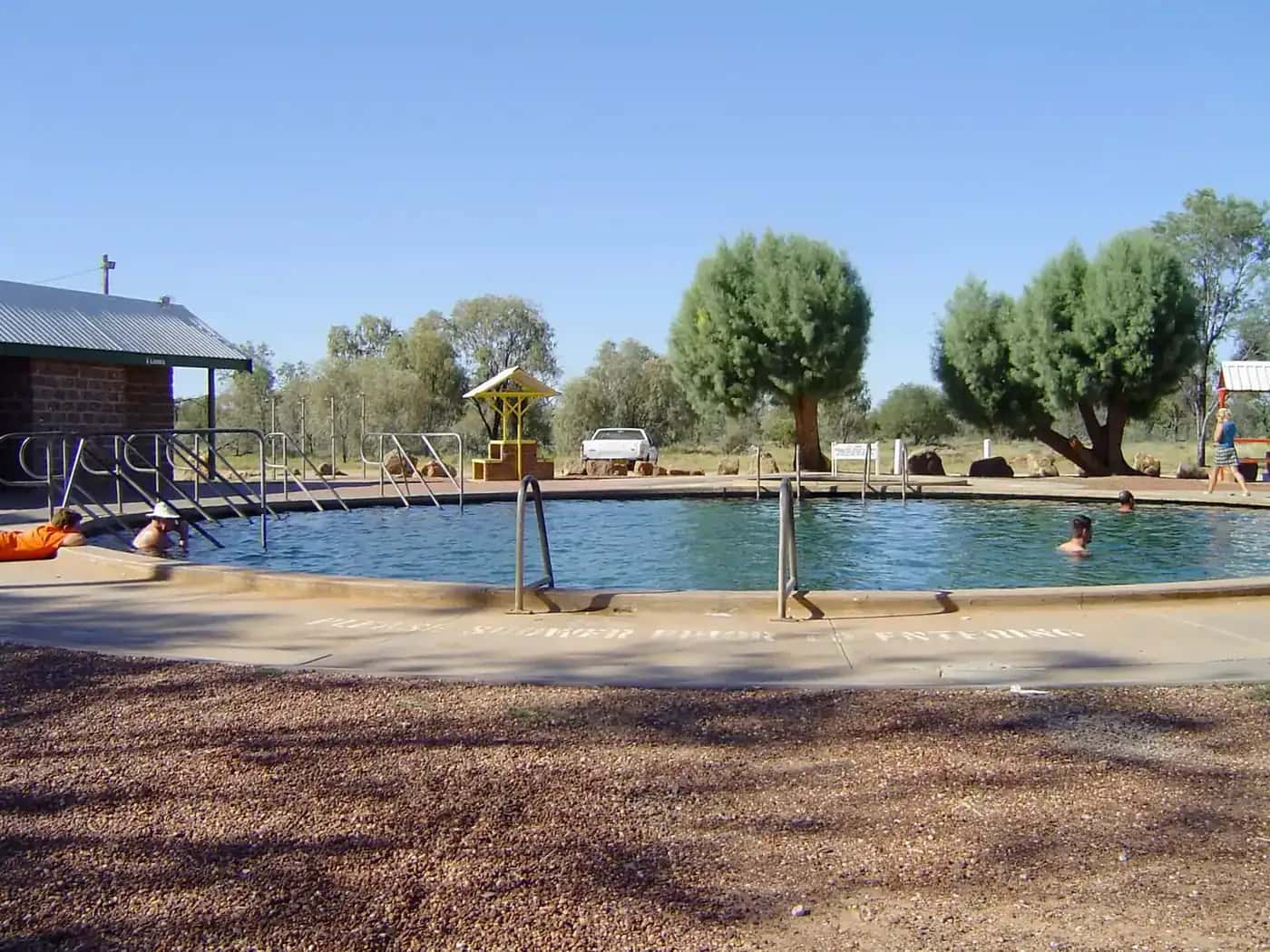
Thargomindah used artesian pressure to generate electricity from 1898, and Birdsville has used geothermal bore water for power. Artesian pools at Lightning Ridge, Mitchell and elsewhere are popular with travellers — see the Great Artesian Spa Tour.
What the basin is
The Great Artesian Basin is one of the largest underground freshwater resources in the world. According to the Australian Government, it underlies about a fifth of the continent, beneath large parts of Queensland, New South Wales, South Australia and the Northern Territory. It is not a single underground lake but a series of layered aquifers: porous sandstone beds sandwiched between impermeable mudstone layers, which trap water and keep it under pressure.
Water enters the basin mainly along its eastern margin, where the sandstone layers rise to the surface along the western slopes of the Great Dividing Range. From there it moves very slowly west and south-west. Geoscience Australia and state agencies describe some of the water in the centre of the basin as being hundreds of thousands to more than a million years old. Water from deep bores can emerge hot — in some places close to boiling — because of the geothermal gradient.
Life-giving springs
Where faults or thinning confining layers let water escape, springs form. Many are surrounded by mounds of minerals and sediment built up over long periods, which is why they are called mound springs. They are oases in arid country and part of the songlines and stories of Aboriginal people, who have relied on them for thousands of years.
The springs support plants, snails, fish and crustaceans that are found nowhere else. Some of these communities are listed under national environment law as endangered ecological communities. Well-known springs open to visitors include:
- Wabma Kadarbu Mound Springs Conservation Park — The Bubbler and Blanche Cup, beside the Oodnadatta Track near Coward Springs, South Australia.
- Dalhousie Springs — in Witjira National Park on the western edge of the Simpson Desert, a large thermal pool popular with travellers heading into the Simpson Desert. Check with National Parks and Wildlife Service South Australia for current swimming and access advice.
- Edgbaston and Elizabeth Springs — in Queensland, some of which are on protected reserves with restricted access to protect rare species.
Bores and pastoralism
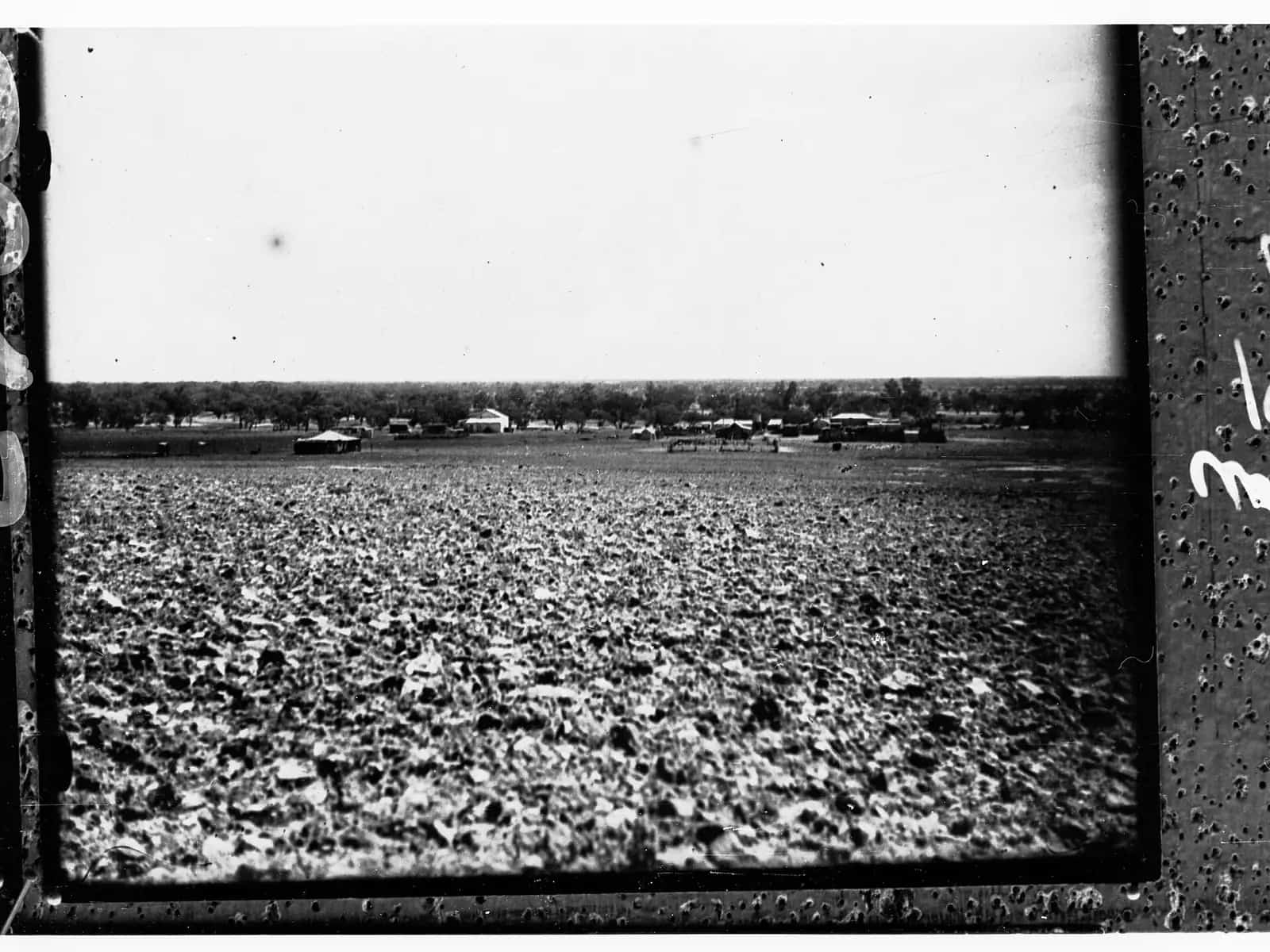
The discovery that artesian water could be tapped by drilling transformed the inland. From the late 1880s, pastoralists sank thousands of bores across Queensland and New South Wales. Water flowed freely from many of them, allowing stock to be run on country previously too dry. Open bore drains carried water across properties for many kilometres.
But much of that water was lost to evaporation and seepage, and over the following century pressure fell. Some bores stopped flowing, and many springs declined or dried up. Since the late 1990s, government and landholder programs, including the Great Artesian Basin Sustainability Initiative, have capped uncontrolled bores and replaced open drains with tanks and pipes, saving large amounts of water and helping pressure recover in some areas.
Towns built on artesian water
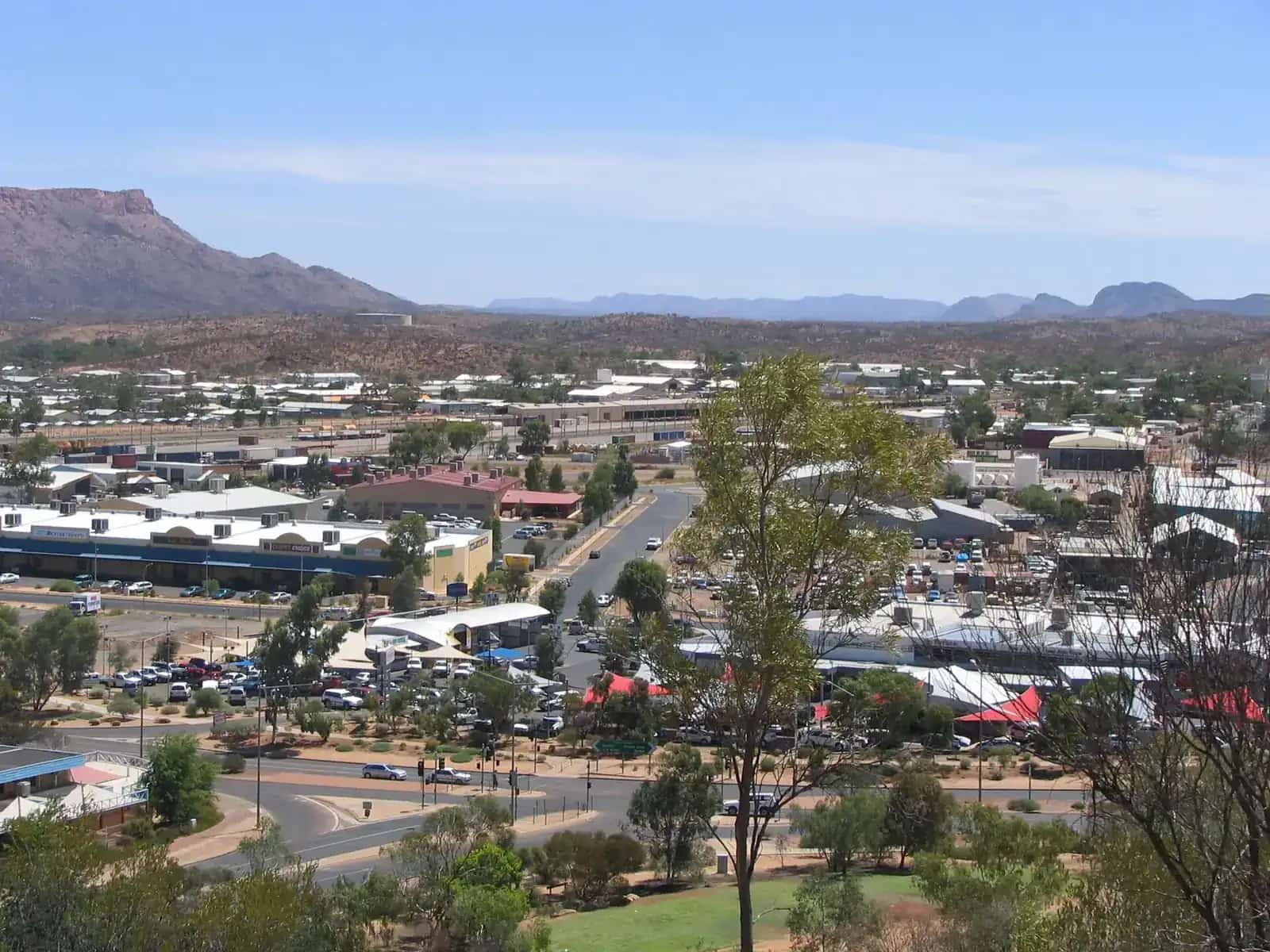
Many outback towns depend on bore water for town supply. In the Channel Country and south-west Queensland, towns such as Thargomindah, Quilpie, Charleville, Cunnamulla and Birdsville tell the story of artesian water in their museums, signage or bore-fed pools. In NSW, the hot artesian baths at Lightning Ridge, Moree and Walgett region are local institutions.
Bathing safely
Artesian water can be very hot and high in minerals. Follow posted guidance at bathing facilities: limit time in hot pools, drink plenty of drinking water, avoid putting your head under in natural springs and keep children supervised. Some natural springs are closed to swimming to protect fragile species; obey signs. See the Great Artesian Spa Tour for a road trip linking artesian pools.
Protecting the basin
The basin's water is shared by pastoralists, towns, mining and gas operations, and ecosystems, and its management is coordinated between the Commonwealth and the four basin governments. Travellers can help by using water carefully, keeping out of protected spring areas, staying on tracks around mound springs and leaving no rubbish.
Further reading
Geoscience Australia, the Australian Government's water department and the state water agencies in Queensland, New South Wales and South Australia publish maps and plain-English information on the basin and its springs. Local museums in towns such as Thargomindah tell the story of artesian water from a community perspective.
Related park guide: Wabma Kadarbu Mound Springs.
Frequently asked questions
How big is the Great Artesian Basin?
It covers about 1.7 million square kilometres beneath parts of Queensland, NSW, South Australia and the Northern Territory.
Where can I soak in artesian water?
Artesian pools and spas include Lightning Ridge, Mitchell, Bedourie, Moree, Dalhousie Springs and others. See our Great Artesian Spa Tour.
Sources and further reading
Facts on this page were checked against these primary and official sources. Conditions change — confirm before you travel or buy.
- Great Artesian Basin — Australian Government