Karlu Karlu is one of the Northern Territory's most recognisable landscapes. The NT Government's fact sheet describes it as a living cultural landscape and the traditional Country of the Warumungu, Kaytetye, Alyawarr and Warlpiri peoples. The name is shared by all four groups, and it means "round boulders". Huge rounded granite boulders lie scattered across a wide, shallow valley, some stacked in improbable towers. The reserve covers 1,802 hectares on both sides of the Stuart Highway.
Culture and ownership
On 27 October 2008, in a historic ceremony, ownership of the reserve was handed back to its Traditional Owners. It's now jointly managed by the Traditional Owners and Parks and Wildlife rangers. The fact sheet notes that almost the entire reserve is a registered sacred site, with many stories and traditions associated with it.
The Traditional Owners ask visitors not to climb the karlu. Please respect this. Stay on the paths, and don't move or take rocks. Ranger-guided activities have run in the cooler months, so check the reserve page for current programs.
How the boulders formed
Signs on the Karlu Karlu walk explain the geology. In simple terms, a large body of granite formed underground and cracked into blocks. Over a very long time, weathering rounded the edges of the blocks. As the softer surrounding material eroded away, the rounded boulders were exposed. Some split cleanly in half, and others balance on narrow bases.
Walks
| Walk | Distance or time | Notes |
|---|---|---|
| Karlu Karlu walk | About 20 minutes return | Easy; starts at the day-use car park; geology signs |
| Nyanjiki Lookout | Short walk | Panoramic view over the reserve |
| Nurrku Walk | 4 km | A longer walk through the wider reserve |
Distances and times are from the NT Government fact sheet. Carry water, wear a hat, and avoid the middle of the day in warmer months.
Camping
The NT Government lists a simple bush campground at the southern end of the reserve, with:
- 24 unpowered caravan and trailer sites, plus a tent camping area
- sheltered picnic tables and fireplaces with barbecue plates
- pit toilets
No water or firewood is provided. Bring your own supplies.
The NT Government's campground list classes the campground as Category B, accessible by 2WD, with no generators. The main campground takes camper trailers, caravans and motorhomes, and the overflow area doesn't. You must book online and pay before you arrive, because you can't pay at the site. A campground host is present during the peak season, from May to September. Pets aren't permitted in the campground or on the walking tracks.
Older visitor material mentions cash payment on site. The NT Government now requires online booking, so book before you arrive.
Passes and fees
Karlu Karlu requires an NT Parks Visitor Pass for visitors to the NT. A day pass costs $10 for adults, $5 for children and $25 for families, and longer passes are available. Camping fees are separate. NT residents are exempt from the pass. See Watarrka National Park for the full pass table.
Rules
The NT Government asks visitors to stay on designated roads and tracks, and to use only the designated fire pits. Pets are restricted to the day-use car park, on a lead. Generators and drones aren't permitted. Take all your rubbish with you.
When to visit
The reserve is open all year, and the NT Government says the best time to visit is the cooler months, from April to September. Sunrise and sunset are the most popular times, when the boulders turn deep red and orange. Summers are very hot, so walk early and carry plenty of water.
Getting there
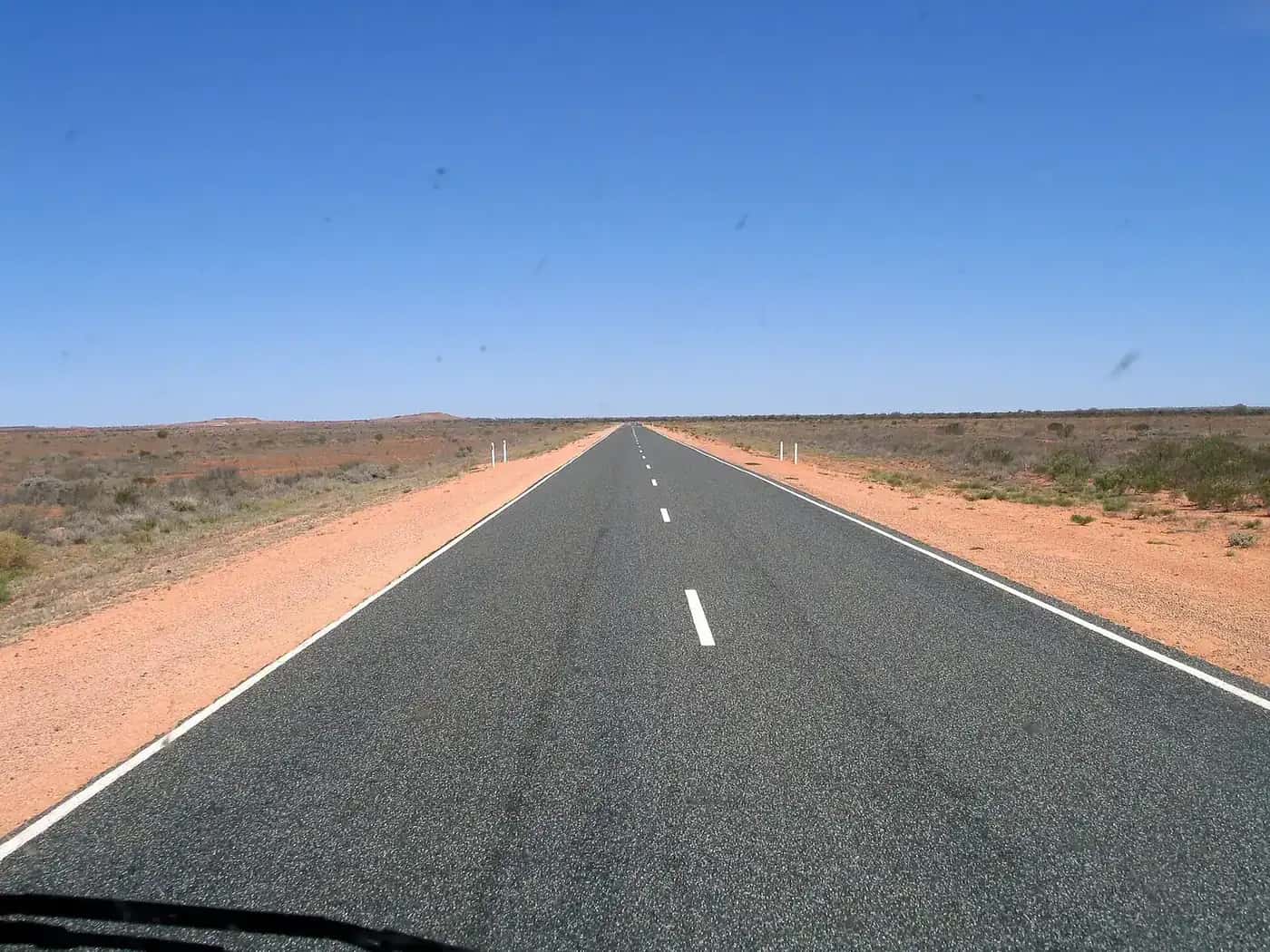
Karlu Karlu is right on the Stuart Highway between Tennant Creek and Alice Springs. That makes it an easy stop on an Adelaide to Darwin trip or a Northern Territory road trip. The nearest settlement is Wauchope, 9 km south, with fuel and limited supplies. Tennant Creek, 100 km north, has full services. Its visitor centre's suggested itineraries include Karlu Karlu as a day trip or an overnight camp.
Nearby
- Tennant Creek: mining heritage, the Telegraph Station Historical Reserve, and Kunjarra / The Pebbles.
- Iytwelepenty / Davenport Ranges National Park: a remote park east of the highway, reached only by high-clearance 4WD.
- Highway rest areas: the NT has rest areas along the Stuart Highway, and rules on overnight stops vary. See free camping rules.
Photography
Karlu Karlu is one of the best photography stops in the outback. Arrive before sunrise or stay for sunset, use the boulders as foreground against a clear desert sky, and come back after dark for the stars. Drones aren't permitted. See outback photography and stargazing and dark skies.
Related guides
Frequently asked questions
Where are the Devils Marbles?
Karlu Karlu / Devils Marbles Conservation Reserve straddles the Stuart Highway, about 100 km south of Tennant Creek and about 393 km north of Alice Springs. The nearest settlement is Wauchope, 9 km south, where fuel and limited supplies are available.
How long is the Devils Marbles walk?
The Karlu Karlu walk is an easy 20-minute return walk from the day-use car park, with signs explaining how the boulders formed. The 4 km Nurrku Walk covers more of the reserve, and there's also a walk to the Nyanjiki Lookout.
Can you camp at the Devils Marbles?
Yes. The NT Government lists a bush campground at the southern end of the reserve, with 24 unpowered caravan and trailer sites, a tent area, sheltered picnic tables, fireplaces with barbecue plates, and pit toilets. No water or firewood is provided. Campsites must be booked and paid for online before you arrive.
Can you climb the Devils Marbles?
No. The Traditional Owners ask that the karlu (marbles) are not climbed. Almost the entire reserve is a registered sacred site.
Is the Devils Marbles worth visiting?
Yes. It's one of the most striking stops on the Stuart Highway, especially at sunrise and sunset, when the boulders glow red. Even a short stop for the 20-minute walk is worthwhile, and the campground makes it an excellent overnight break.
Sources and further reading
Facts on this page were checked against these primary and official sources. Conditions change — confirm before you travel or buy.
- Karlu Karlu / Devils Marbles Conservation Reserve — Northern Territory Government
- Karlu Karlu / Devils Marbles fact sheet and map — Northern Territory Government
- Where you can camp — Northern Territory Government
- Parks pass for national parks and reserves — Northern Territory Government


