In the late 1860s, South Australia won the right to build a telegraph line across the continent to connect with an undersea cable from Java to Darwin. The project, led by Charles Todd, the colony's Superintendent of Telegraphs, followed much of the route pioneered by John McDouall Stuart.
Building the line
Work began in 1870. Teams hauled poles, wire and insulators across deserts and through the wet season in the north. Repeater stations were built at intervals to boost signals, including at Alice Springs, Barrow Creek and Tennant Creek. The line was completed in August 1872, and the first messages passed between Australia and London later that year.
Impact
The line cut communication times with Britain from months to hours. It also opened central Australia to pastoralists, and towns grew around the repeater stations. For Aboriginal people, the line brought dispossession and conflict, including at Barrow Creek in 1874.
Sites to visit
- Alice Springs Telegraph Station — the restored stone station where Alice Springs began. See Alice Springs.
- Barrow Creek Telegraph Station — on the Stuart Highway.
- Tennant Creek Telegraph Station — north of town.
- Old telegraph remains — along the Oodnadatta Track. See Oodnadatta Track.
Why it mattered
Before the Overland Telegraph Line, news and messages between Australia and Britain travelled by ship and could take months. Several colonies competed to host the connection with the international telegraph network. South Australia won the contract with a promise to build a line across the continent from Port Augusta to Darwin (then Palmerston) within two years, a distance of roughly 3,000 km through country that few Europeans had seen.
Charles Todd and the construction
Charles Todd, South Australia's Superintendent of Telegraphs and Government Astronomer, planned the work. The line was divided into southern, central and northern sections, with contractors working on the southern and northern ends and government parties building the central section. John McDouall Stuart's route of 1862 provided the guide, along with surveys by others.
Construction teams cut and carted timber poles where trees were available, and later imported iron poles to resist termites and fire. Supplies arrived by bullock wagon, horse, camel and ship. The northern section was badly delayed by the wet season and flooding, and Todd went north himself to take charge. The two ends of the line were joined at Frew's Ponds, south of Daly Waters, on 22 August 1872. A fault in the undersea cable between Darwin and Java delayed the international connection until later in 1872.
Repeater stations
Telegraph signals weakened over distance, so repeater stations were built along the route. Each was staffed by a stationmaster and operators, along with linesmen who maintained sections of the line on horseback. Stations were built of stone where possible and designed to be defended. They became centres of settlement: Alice Springs grew from the telegraph station named after a nearby waterhole, itself named after Todd's wife, Alice. Other stations included Charlotte Waters, Barrow Creek, Tennant Creek, Powell Creek and Daly Waters.
Conflict and dispossession
The line passed through the Country of many Aboriginal peoples, including the Arrernte, Kaytetye and Warumungu. Its construction and the waterholes it relied on disrupted Aboriginal life. At Barrow Creek in 1874, an attack on the telegraph station by Kaytetye men killed two Europeans, and the reprisal killings that followed took many Aboriginal lives. Interpretive material at the station and Aboriginal oral histories acknowledge this violent history.
Later history
The telegraph line remained an important communications link into the twentieth century, but was eventually superseded by newer telegraph and telephone lines. Some repeater stations closed as new routes and technologies arrived. The Alice Springs station later served other purposes, including housing Aboriginal children of mixed descent removed from their families, part of the Stolen Generations history now told at the site.
Visiting the telegraph stations
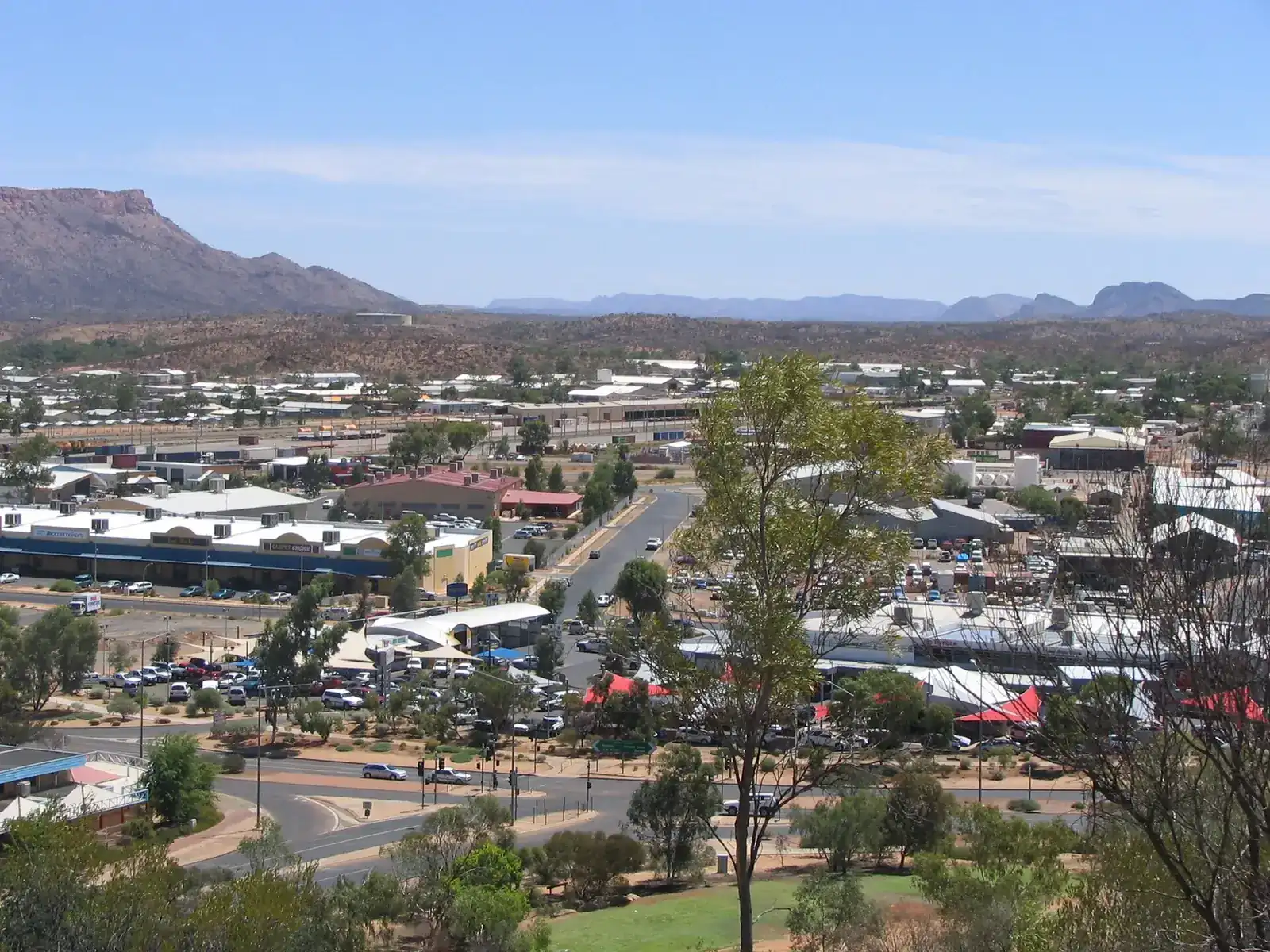
- Alice Springs Telegraph Station Historical Reserve — managed by the NT Parks and Wildlife Commission, with restored buildings, displays and walking trails. It lies north of the town centre. See Alice Springs.
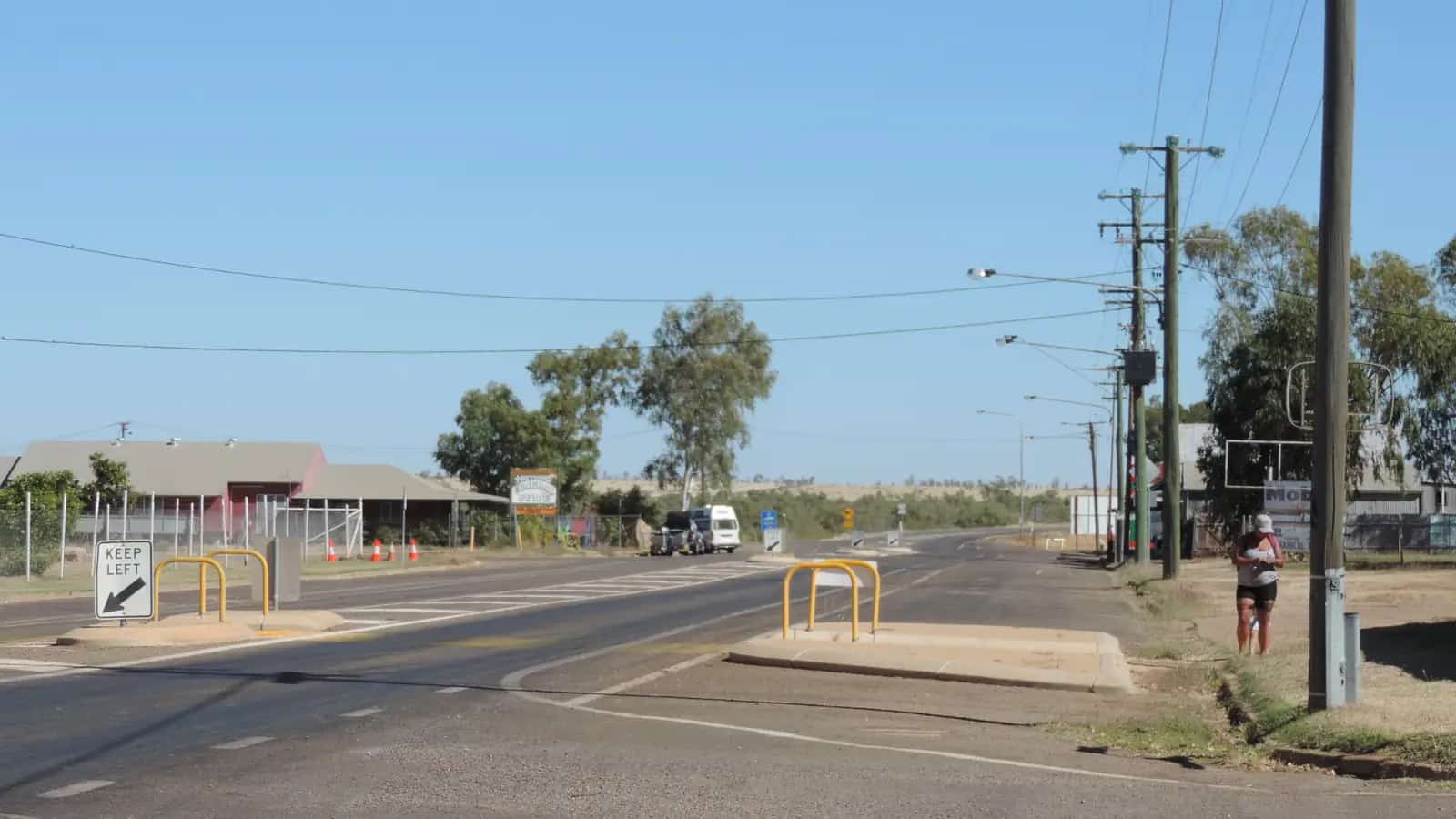
- Barrow Creek — a historic telegraph station beside the roadhouse on the Stuart Highway, about 280 km north of Alice Springs.
- Tennant Creek Telegraph Station — a heritage site north of Tennant Creek; check access with the visitor centre.
- Daly Waters — the area near where the line was joined. See Daly Waters.
- Oodnadatta Track — ruins and markers of the line can be seen along the route between Marree and Oodnadatta, including at Strangways Springs. See Oodnadatta Track.
Following the line
The Stuart Highway follows much of the route through the Northern Territory, so a road trip from Adelaide to Darwin traces the line's history. Plan stops at each telegraph station, and allow time for detours to gorges and waterholes that the line's builders relied on.
Key dates at a glance
- 1862 — John McDouall Stuart completes his south–north crossing.
- 1870 — construction begins.
- 22 August 1872 — the northern and southern sections are joined at Frew's Ponds.
- Late 1872 — international messages pass once the undersea cable is repaired.
Further reading
Frequently asked questions
How long was the Overland Telegraph Line?
About 3,200 km between Port Augusta and Darwin.
Can you visit the telegraph stations?
Yes. The Alice Springs Telegraph Station Historical Reserve and Barrow Creek and Tennant Creek telegraph stations are among those that can be visited.
Sources and further reading
Facts on this page were checked against these primary and official sources. Conditions change — confirm before you travel or buy.
- Overland Telegraph Line (Wikipedia) — Wikipedia
- Alice Springs Telegraph Station Historical Reserve — NT Government