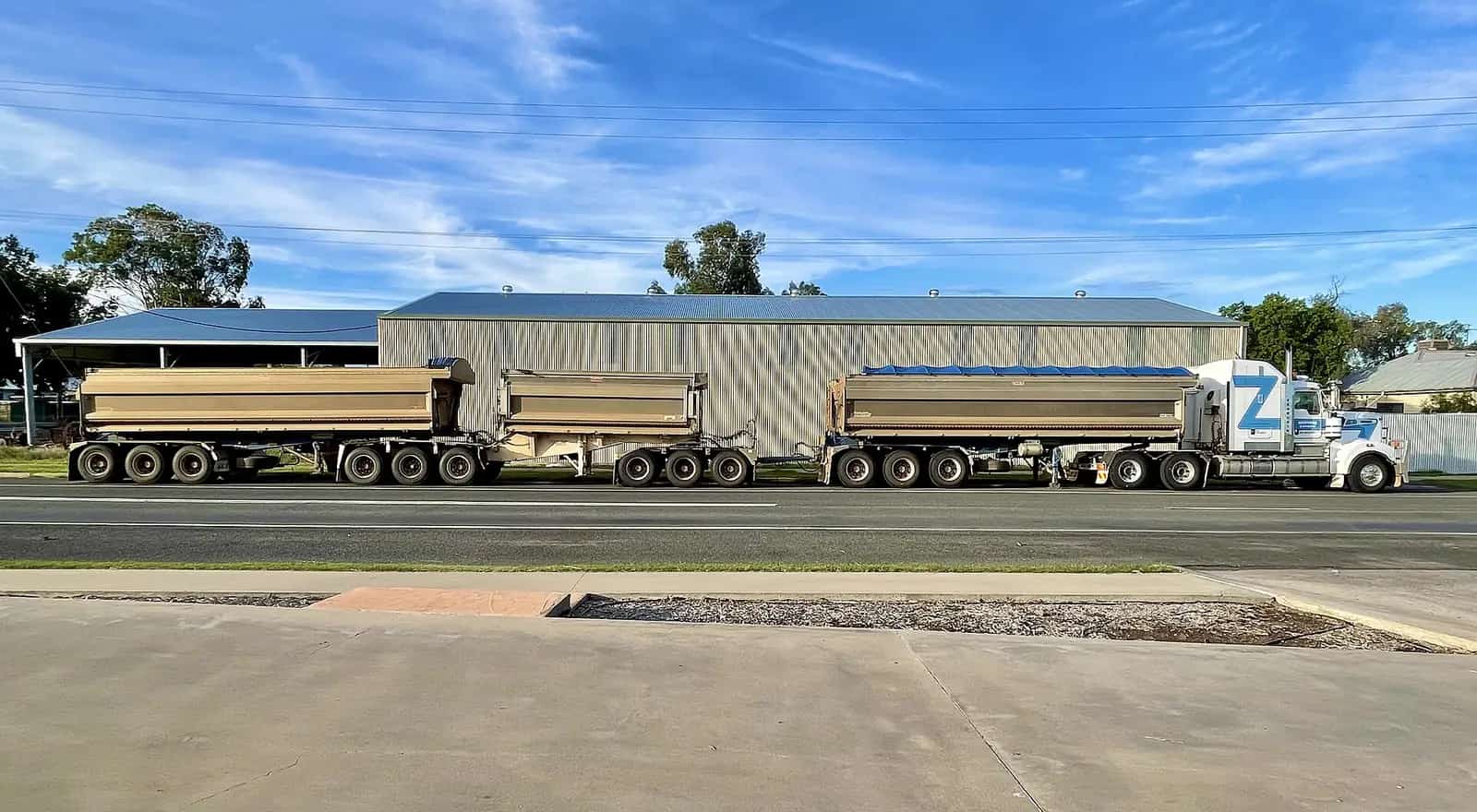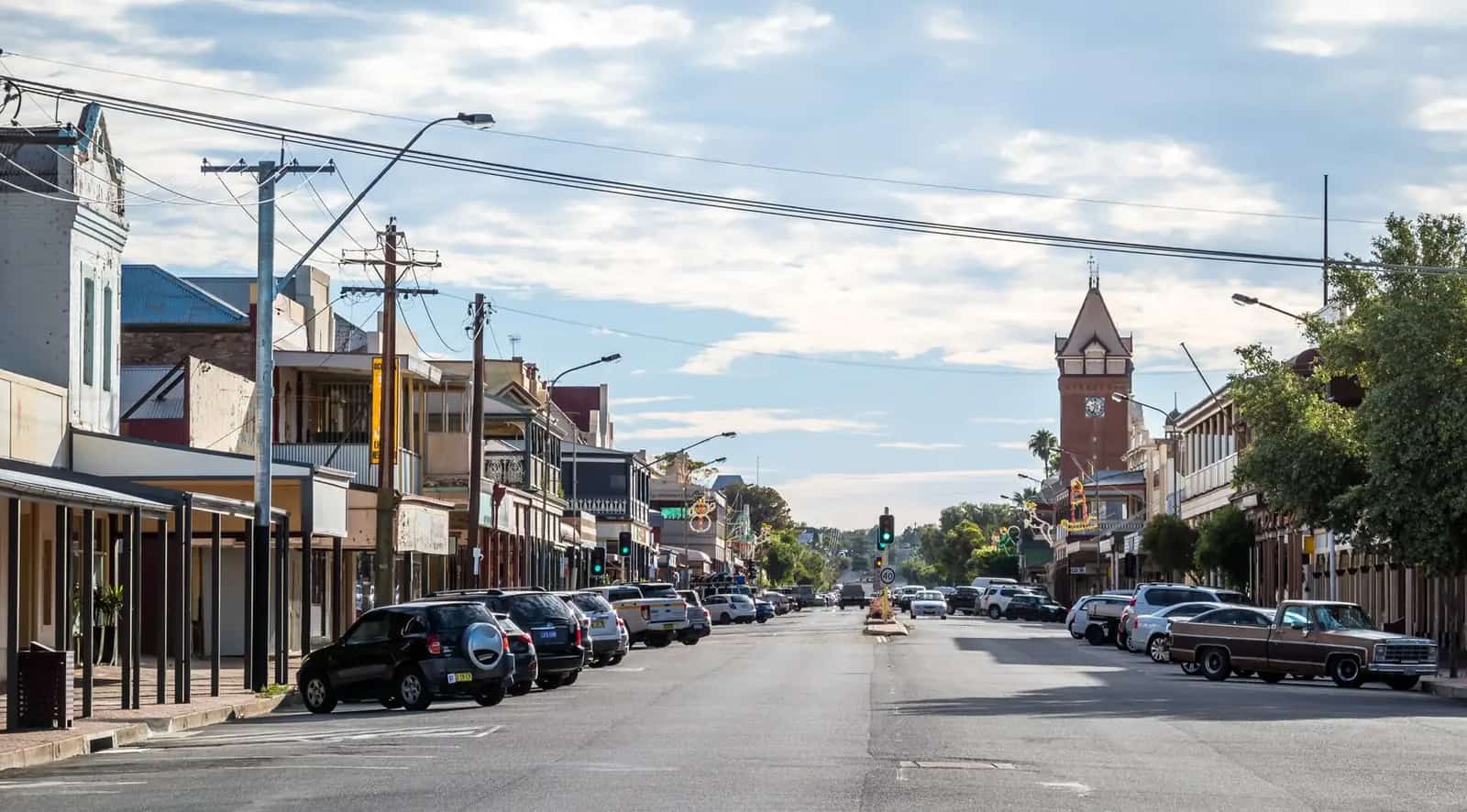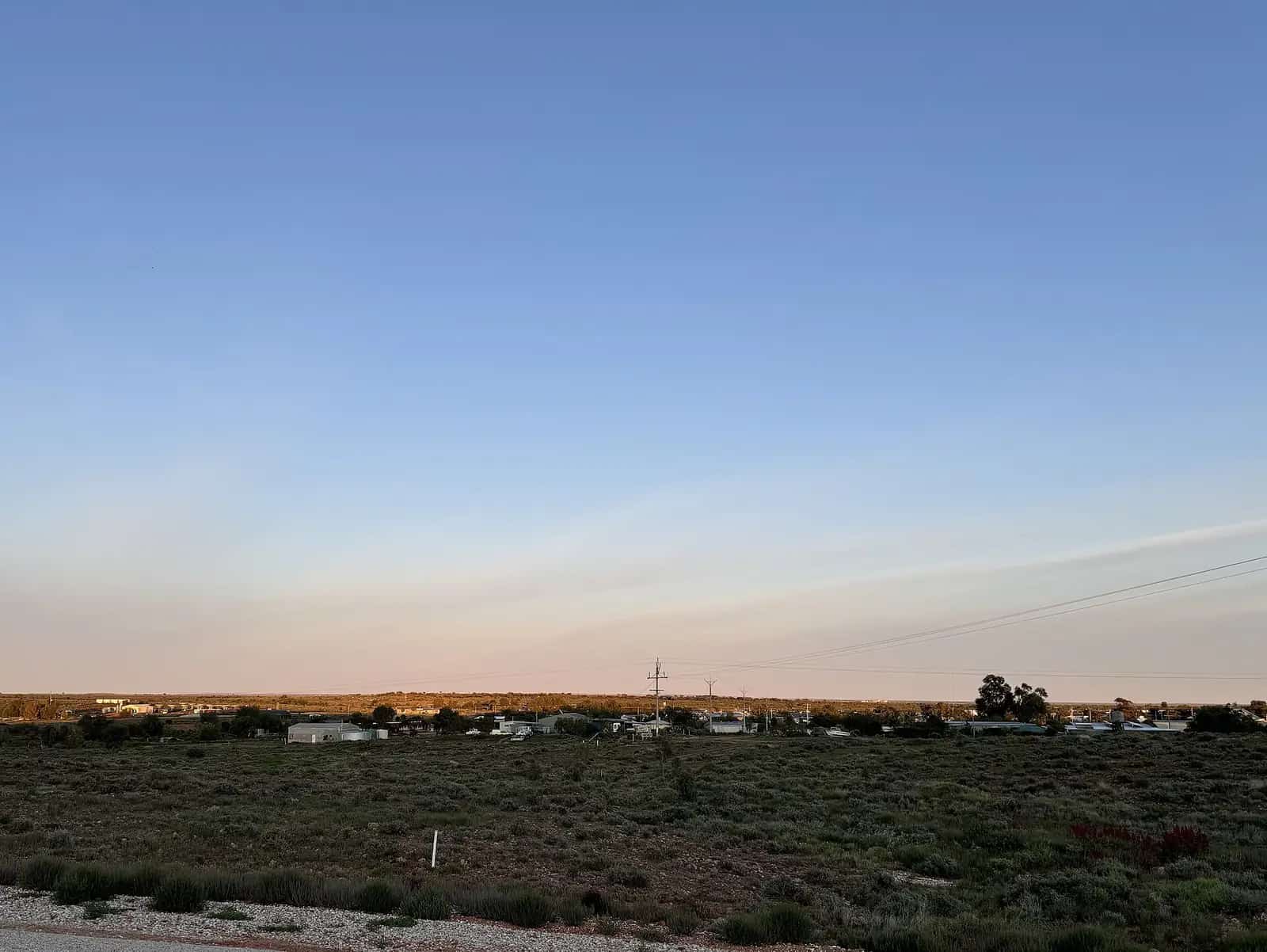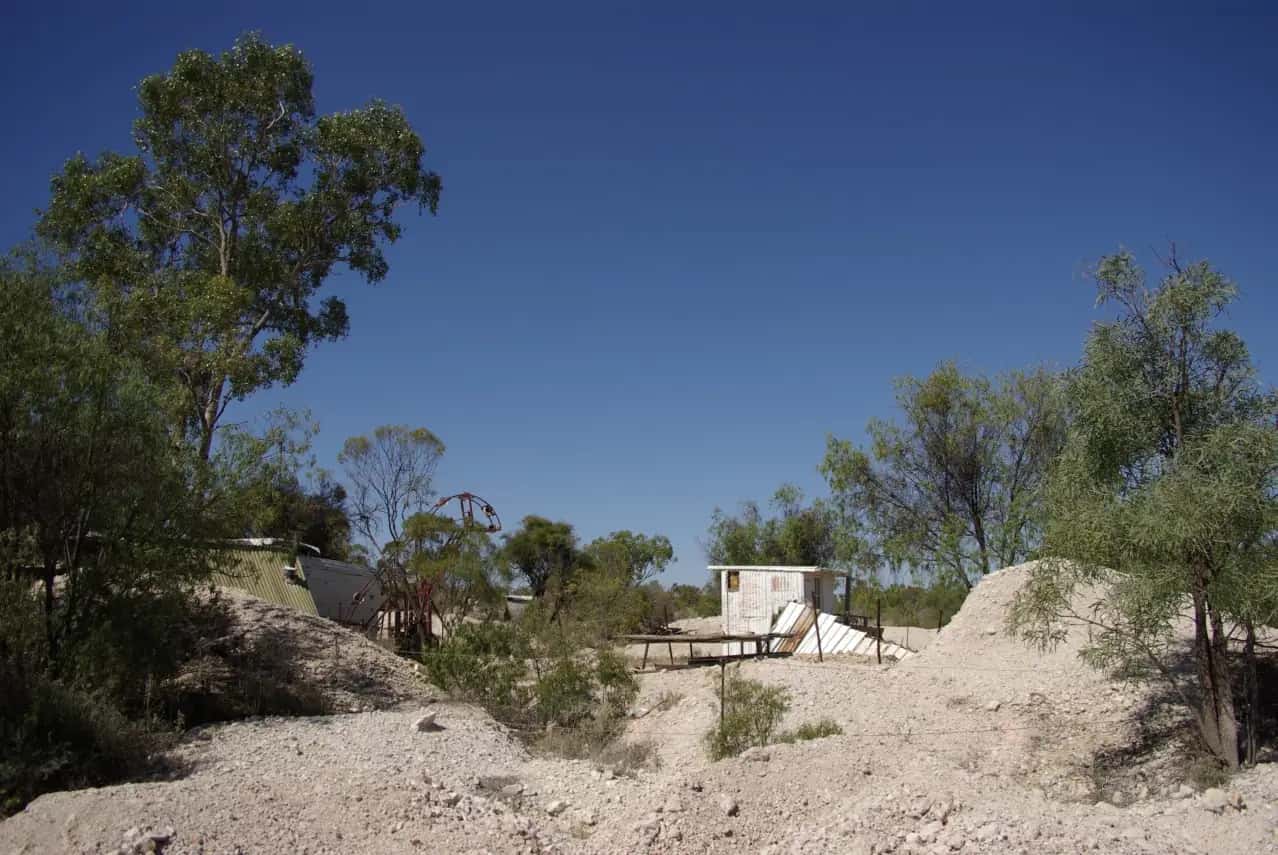
Lightning Ridge lies on Yuwaalaraay and Gamilaraay Country in north-western NSW, close to the Queensland border. Black opal was first mined here commercially in the early 1900s, and the fields still attract miners from around the world. The town has a frontier spirit: many people live off-grid in camps on the fields, and hand-built houses made of bottles, stone and salvaged materials dot the landscape.
Things to do in Lightning Ridge
Car Door Tours. Four self-drive routes, each marked by painted car doors in a different colour, lead visitors around the opal fields and the town's oddities. Pick up a map at the visitor centre and allow half a day for two or three routes.
Artesian bore baths. The free public bore baths on the edge of town are fed by hot water from the Great Artesian Basin. A soak at dawn or under the stars is a Lightning Ridge ritual. Check local rules and opening times, and limit soaks in the hot water.
Opal mine tours and fossicking. Underground tours show how opal is found and mined. Some operators let you noodle (sift mullock for chips of opal) — never enter a claim without permission.
Chambers of the Black Hand. An underground mine filled with sculptures carved into the sandstone walls, from Egyptian figures to Australian icons.
John Murray Art Gallery. The outback artist John Murray paints humorous, vividly coloured outback scenes — emus, utes and endless roads. His gallery on Morilla Street is a favourite stop; his mural "Gateway to the Real Outback" also adorns a wall in Bourke.
The Australian Opal Centre. Its Morilla St showroom closed permanently on 13 June 2026. A new underground centre is partly built, and construction is paused while the AOC seeks final funding. Check its website for updates before planning a visit.
Quirky architecture. Look out for Amigo's Castle, the Bottle House and the Astronomers Monument, all built by local characters.
Nearby
The Grawin, Glengarry and Sheepyard opal fields, about an hour's drive west on unsealed roads, have pubs that are local institutions. Walgett, Collarenebri and Angledool are small, historic towns nearby, and the Castlereagh Highway leads north into Queensland towards St George — part of the Great Artesian Spa Tour.
Getting there
Lightning Ridge is about 770 km north-west of Sydney via Dubbo and the Castlereagh Highway. Regional flights and coaches run to the area; check current services.
What makes black opal special
For a full guide to buying, fossicking and seeing opal, see Lightning Ridge black opal.
Opal is a form of hydrated silica. In most opal, the play of colour comes from tiny spheres of silica arranged in a regular pattern that diffracts light. Black opal has a dark body tone, which makes those colours appear especially vivid, and the Lightning Ridge fields are the world's best-known source. Opal is Australia's national gemstone.
Buyers judge opal on body tone, brightness, pattern, colour and the absence of cracks or inclusions. Prices vary enormously, and there is no simple price list. If you are buying, deal with established dealers, ask for a written description of whether a stone is a solid opal, a doublet or a triplet, and take your time.
History and Country
Lightning Ridge is on the Country of the Yuwaalaraay (Euahlayi) and Gamilaraay peoples. Opal was noticed in the area in the late 1800s, and by the early 1900s miners were working the fields commercially, with Charles Nettleton among the pioneers. The town grew around the diggings. Over the decades miners arrived from dozens of countries, giving Lightning Ridge a multicultural, independent character.
Opalised fossils are another part of the story. Bones of dinosaurs, early mammals and other animals preserved in opal have been found in the mines, and the Australian Opal Centre is keeping its collection safe until it can be exhibited again. Lightning Ridge is one of the few places in the world where such fossils occur.
A three-day itinerary
Day 1 — Town and Car Door Tours. Visitor centre, then the Green and Red Car Door Tours past camps, the Bottle House and Amigo's Castle. Late-afternoon visit to John Murray's gallery, and a soak in the bore baths after dark.
Day 2 — Underground. An opal mine tour, the Chambers of the Black Hand, and noodling at the free fossicking area outside the visitor centre. Sunset from a high point over the fields.
Day 3 — The outer fields. Drive to the Grawin and Glengarry opal fields on unsealed roads (check conditions), have lunch at one of the bush pubs, and return via the Yellow or Blue Car Door routes.
Bore baths etiquette and safety
The public bore baths are fed by water from the Great Artesian Basin that arrives hot. Keep soaks short, drink water, avoid alcohol in the pool, keep your head above water and follow posted rules and opening hours. They are a shared community facility, so be courteous and leave them clean.
Opal field safety
- Unfenced shafts and open cuts are everywhere. Stay on roads and marked paths and keep children and dogs close.
- Never enter a claim, touch equipment or take mullock without permission.
- Do not walk around the fields at night.
- Carry water, wear a hat and avoid the middle of the day in summer.
Seasons
Lightning Ridge has hot summers and mild winters. The cooler months from April to September are the busiest time, with festivals and full tour schedules. In summer, temperatures regularly reach the high 30s or more.
Where to stay and eat
Motels, cabins, caravan parks (some with their own artesian pools) and camps cater to all budgets. There are supermarkets, cafés, a bowling club and pubs. Book ahead for school holidays and the opal festival when it is held.
Nearby towns
- Walgett (about 75 km south) — at the junction of the Barwon and Namoi rivers.
- Collarenebri — a small Barwon River town with a historic Aboriginal cemetery.
- Angledool — a near-ghost town near the Queensland border.
- Hebel and Dirranbandi — across the border on the route to St George.
Planning your Lightning Ridge visit
Practical tips from the Lightning Ridge Tourism Association:
- Season: the main season runs from about late March to October. Tours and visitor experiences generally run from April to the end of September. In summer, temperatures can reach 45–50°C, and many shops and attractions close.
- Bore baths: free, and open 22 hours a day, closing daily around 10 am for cleaning. The water is often in the low 40s °C. There are no lifeguards, so swim at your own risk.
- Going underground: for safety reasons, visitors can only go down a tourist mine. There are three: Chambers of the Black Hand, Opal Mine Adventure and The Big Opal.
- The fields: the surrounding fields are active mining areas, so they're off limits except at designated free fossicking sites. Don't walk or cycle through them. There are hidden shafts, unrestrained dogs, unclear claim boundaries and Hudson pear, a cactus that can pierce clothing and footwear.
Events
The tourism association lists the Easter Festival, the Lightning Ridge Opal Festival and Australian Opal Awards (on the last weekend in July). Accommodation for Easter and festival weekends is often booked a year or more ahead.
Practical information
The town has fuel, supermarkets, a hospital, motels and caravan parks, some with artesian pools. Opal buyers and galleries are everywhere — buy from reputable dealers and ask for a written description. The cooler months from April to September are the most popular time to visit.
Explore nearby
See our fossicking and gem fields guide for NSW fossicking rules.
Frequently asked questions
What's special about Lightning Ridge?
Lightning Ridge is famous for black opal, the rarest and most valuable type of opal, found in commercial quantities in very few places. Visitors come for opal mine tours, fossicking, the hot artesian bore baths, quirky handmade buildings and the colour-coded Car Door Tours.
How safe is Lightning Ridge?
Lightning Ridge is generally welcoming to visitors. The main hazards are on the opal fields — unfenced mine shafts and machinery — so stay on roads and marked tracks, keep children close and never enter a claim without permission.
What is the closest big town to Lightning Ridge?
Walgett is about 75 km south, and Dubbo, the nearest large regional city, is roughly 360 km south via the Castlereagh Highway.
What movie was filmed in Lightning Ridge?
The opal fields have appeared in documentaries and reality television, most notably the long-running series Outback Opal Hunters, which features miners on the Lightning Ridge fields.
How many days do you need in Lightning Ridge?
The Lightning Ridge Tourism Association recommends a multi-day stay. Two to three days lets you do the Car Door Tours, an underground mine, the bore baths, noodling and a trip to the Grawin and Glengarry fields.
What to do in Lightning Ridge for free?
Soak in the free artesian bore baths (open 22 hours a day), noodle at the free fossicking area outside the visitor centre, and drive the self-guided Car Door Tours.
Is Lightning Ridge worth visiting?
Yes. It's the world's best-known black opal town, with underground mine tours, hot bore baths, quirky handmade buildings and a strong mining community. Visit between late March and October.
Sources and further reading
Facts on this page were checked against these primary and official sources. Conditions change — confirm before you travel or buy.
- Visit Lightning Ridge — Lightning Ridge Tourism
- Australian Opal Centre — Australian Opal Centre
- Opal fossicking in NSW — NSW Resources Regulator
- FAQs — Lightning Ridge Tourism Association
- Lightning Ridge Opal Festival — Lightning Ridge Opal Festival