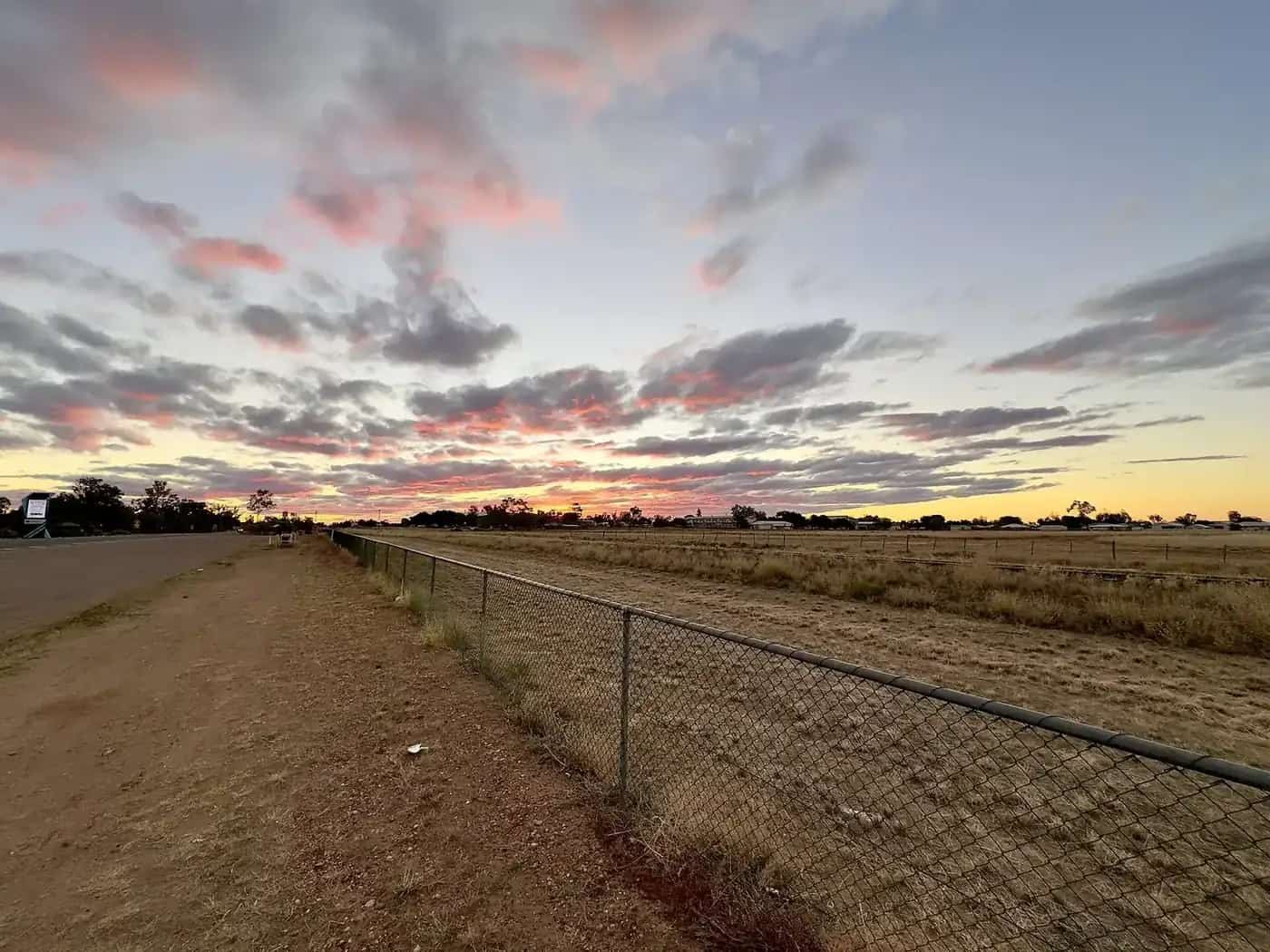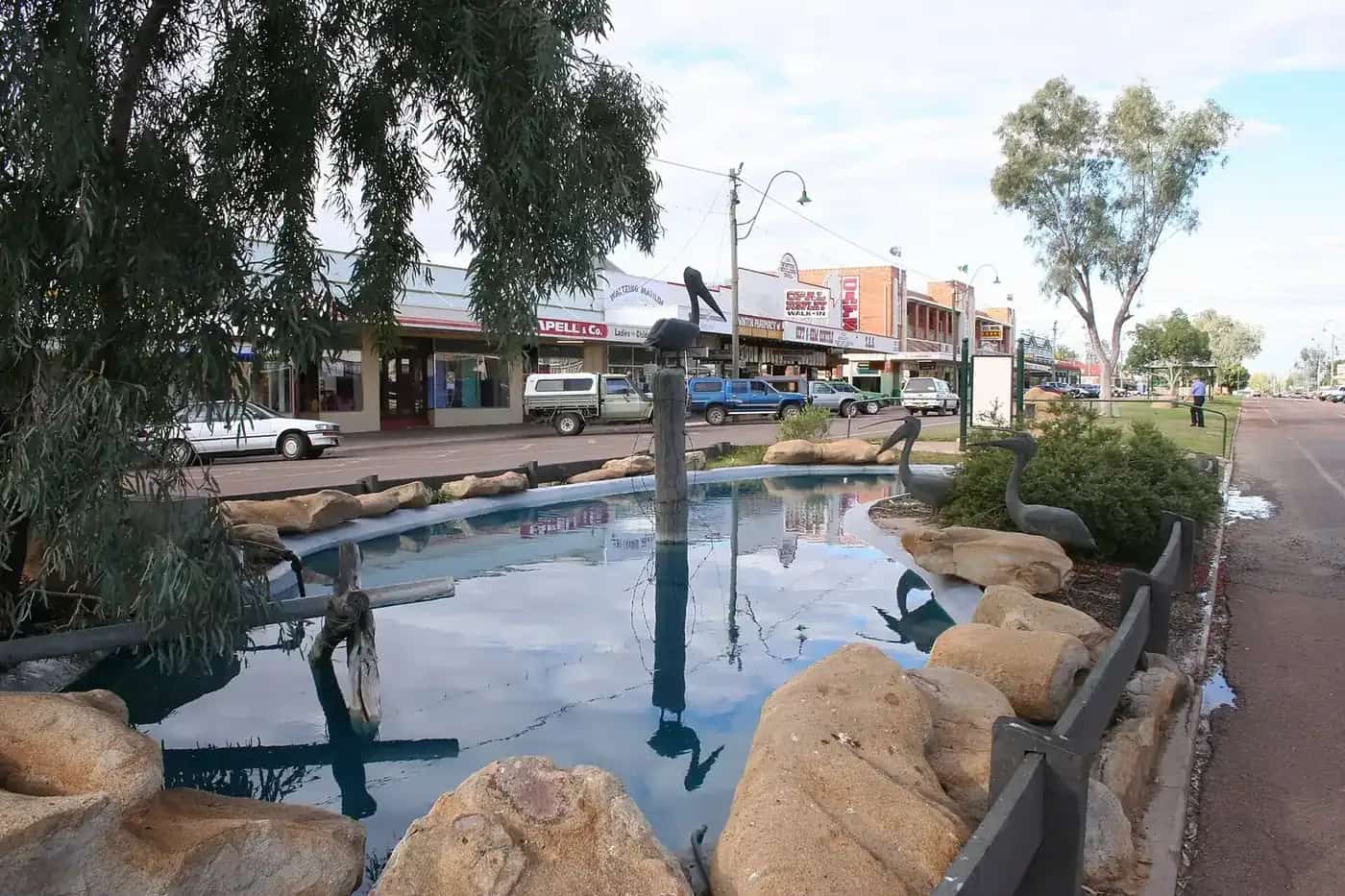
Blackall lies on the Barcoo River on the Country of the Iningai people, about 210 km south-east of Longreach in central-west Queensland. It grew up as a service centre for some of the richest sheep country in Australia, and its history is bound up with wool, shearers and artesian water. Today it is a relaxed town with heritage attractions, an artesian-fed pool and access to the rugged Idalia National Park.
Things to do in Blackall
- Blackall Woolscour. Built in 1908, the heritage-listed woolscour used steam power to wash wool before it was baled and sent to market. It is one of the best surviving examples of its kind in Australia. Guided tours explain how it worked.
- The Black Stump. A marker shows the site of an 1887 survey station used for astronomical observations to map Queensland. The saying "beyond the black stump" for remote country is associated with Blackall.
- Jackie Howe memorial. A statue honours the shearer who set a famous blade-shearing record in 1892.
- Blackall Aquatic Centre. A swimming pool and spa filled with warm artesian water.
- Barcoo River walks. Riverside paths with birdlife and picnic spots.
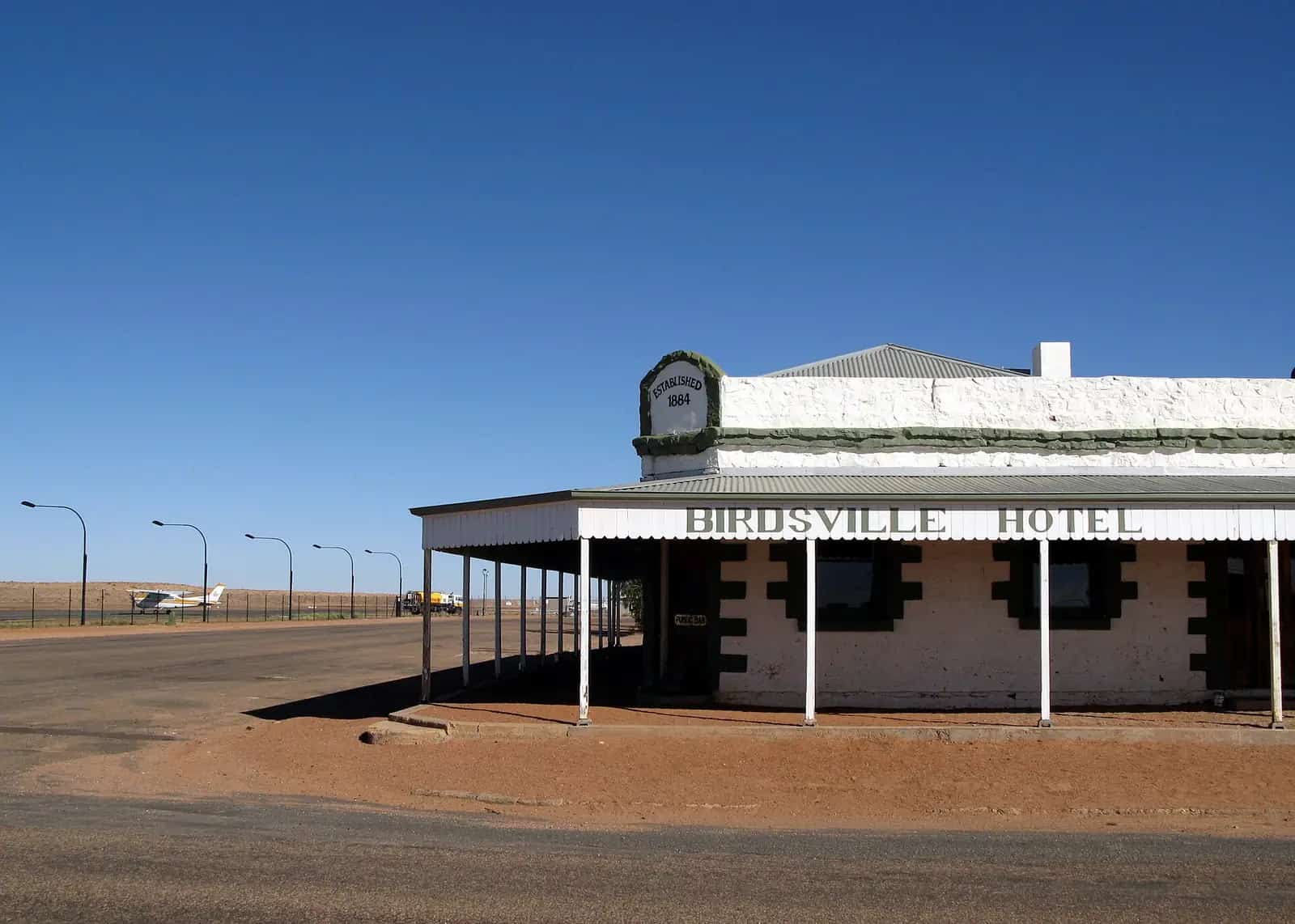
- Historic buildings. Walk the main street to see heritage pubs and buildings.
Jackie Howe and the shearers
Jackie Howe's record of 321 sheep shorn in under eight hours with blade shears at Alice Downs in 1892 is part of Australian folklore. Blackall was also involved in the shearers' strikes of the 1890s, which helped shape the Australian labour movement. For more of that story, visit nearby Barcaldine and the Tree of Knowledge.
Idalia National Park
About 100 km south-west of Blackall, Idalia National Park protects rugged escarpments, gorges and mulga country, and is home to the yellow-footed rock-wallaby. Access is by unsealed roads that close after rain. Check park alerts and road conditions before you go, and carry water and fuel.
Getting there
Blackall is on the sealed Landsborough Highway (part of the Matilda Way) between Charleville and Barcaldine. It is a natural stop on the Sydney to Darwin inland route and the Great Artesian Spa Tour.
Where to stay
Blackall has caravan parks, motels and hotels. Free and low-cost camping options may be available near the river; check with the visitor centre.
Suggested day
Start with a woolscour tour, then visit the Black Stump and Jackie Howe statue. Have lunch in town, spend the afternoon at the artesian pool, and finish with a riverside walk at sunset.
When to visit
April to September offers mild days and cold nights. Summers are hot.
Tips
- Check tour times at the woolscour before you arrive.
- Watch for wildlife on the highway at dawn and dusk.
- Use Blackall as a base for Idalia and as a stop between Charleville and Longreach.
History in brief
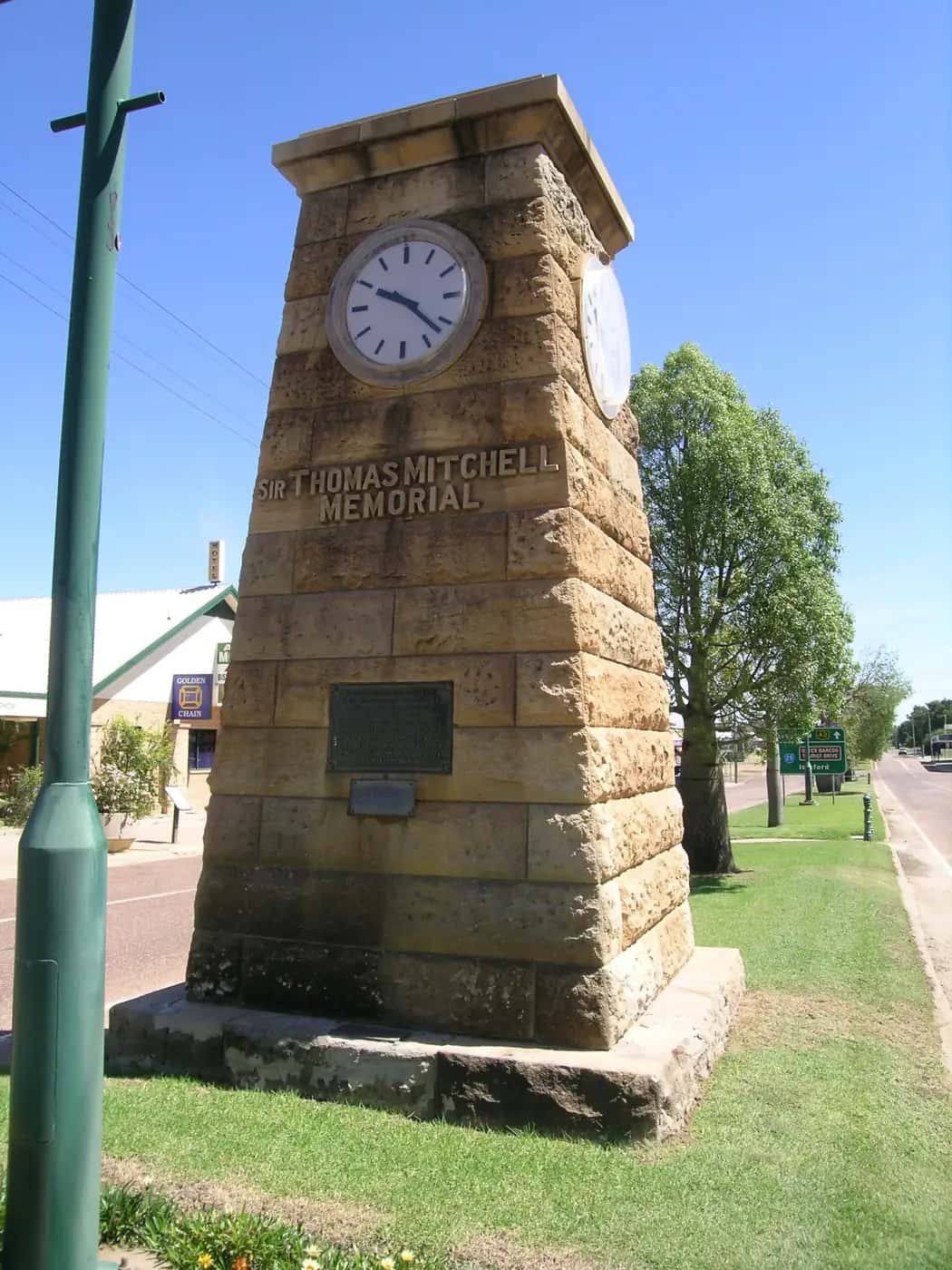
Explorer Thomas Mitchell passed through the Barcoo country in 1846, and pastoral settlement followed in the 1860s. Blackall, named after Queensland's second governor, Samuel Blackall, was proclaimed in 1868. Sheep runs spread across the downs, and Blackall became a busy centre for shearing and wool. The Great Artesian Basin supplied reliable water through bores, and artesian water still feeds the town pool.
Wool and the woolscour
Wool scouring washed grease, dirt and burrs from fleece before it was shipped, which reduced freight costs. The Blackall Woolscour operated for decades and still contains much of its original machinery, including the steam engine and boilers. It is a rare surviving example of industrial heritage tied to the wool industry that built much of outback Queensland.
Nearby towns
Tambo, about 100 km south-east, is known for teddy bears made from sheepskin and its heritage buildings. Barcaldine, about 100 km north, has the Tree of Knowledge and the Australian Workers Heritage Centre. Isisford, to the west, is home to a fossil centre displaying a prehistoric crocodile found nearby. Each makes an easy day trip or a stop on the way north to Longreach.
The Barcoo and the explorers
When Thomas Mitchell reached the Barcoo in 1846, he believed he had found a river flowing north-west to the Gulf of Carpentaria and named it the Victoria. The following year, his assistant Edmund Kennedy followed it and found that it turned south-west into the Channel Country, eventually becoming part of Cooper Creek. The name Barcoo, thought to come from a local Aboriginal word, later replaced Mitchell's. The river's story is part of the wider history of inland exploration covered in Outback history.
Barcoo River fishing and camping
The Barcoo's waterholes near town are good for yellowbelly and other native fish, and riverside areas are popular for picnics and camping where permitted. Check Queensland fishing rules for size and possession limits, and ask the visitor centre about current camping areas.
Shearing heritage
Blackall's shearing story connects with Barcaldine's Tree of Knowledge and the Australian Workers Heritage Centre, about 100 km north,. Together they make central-west Queensland one of the best places in Australia to learn about the wool industry and the labour movement it shaped.
Events and community
Blackall hosts race meetings, a show and other community events through the year. Dates change; check with Blackall-Tambo Regional Council or the visitor information centre before you travel.
Planning your Blackall visit
Blackall Woolscour tours. Blackall Tambo Experiences lists guided tours of the historic steam-powered wool-washing plant. They run daily in the cooler months, from about late March through October, with campfire dinners on some dates. Book ahead and check summer hours.
Blackall Aquatic Centre. Blackall-Tambo Regional Council runs an artesian-heated pool and therapeutic spa. It's a popular soak after a day on the road. Check opening hours and the season before you go.
The visitor centre. The Blackall Visitor Information Centre on Shamrock Street can help with tours, events and road conditions.
Is Blackall worth visiting?
Yes, if you're interested in wool and shearing history. In a day, you can see the Black Stump memorial, the Jackie Howe statue and the woolscour, then soak in the artesian pool. Add Idalia National Park, south-west of town, for an extra day.
Blackall in a day
- Morning: a woolscour tour.
- Lunch: in town, then the Black Stump memorial and Jackie Howe statue.
- Afternoon: the artesian pool and spa.
- Evening: a pub meal or a campfire dinner at the woolscour, if one is scheduled.
Practical information
- Distance: about 210 km south-east of Longreach.
- Best time: April to September.
- Related: Longreach, Barcaldine, Charleville, Great Artesian Spa Tour, Outback history.
Related park guide: Idalia.
Frequently asked questions
Is the Blackall Woolscour open to visitors?
Yes. The heritage-listed woolscour, built in 1908, is open for tours. Check opening times before you visit.
Who was Jackie Howe?
A legendary shearer who, in 1892 at Alice Downs station near Blackall, shore 321 sheep in under eight hours with blade shears. A statue in town honours him.
What is the Black Stump in Blackall?
It marks the site of a survey station used in 1887 for astronomical observations. The phrase "beyond the black stump", meaning remote country, is linked with Blackall.
What is the Black Stump?
A survey marker used in 1887 for astronomical observations; "beyond the Black Stump" came to mean the remote outback. A petrified stump marks the site.
Is Blackall worth visiting?
Yes, especially for wool and shearing history. Highlights are the Blackall Woolscour tours, the Black Stump memorial, the Jackie Howe statue, the artesian-heated aquatic centre and nearby Idalia National Park.
Sources and further reading
Facts on this page were checked against these primary and official sources. Conditions change — confirm before you travel or buy.
- QLDTraffic — Queensland Government
- Idalia National Park — Queensland Parks and Wildlife Service
- Blackall Woolscour — Blackall Woolscour Association
- Blackall-Tambo Regional Council — Blackall-Tambo Regional Council
- Blackall (Wikipedia) — Wikipedia
- Outback Tours — Blackall Tambo Experiences
- Aquatic Centres — Blackall-Tambo Regional Council