Wyndham sits on the Cambridge Gulf, about 100 km north-west of Kununurra. Once the main port of the East Kimberley, it is now a quiet town with a dramatic setting, rich history and some of the region's best wildlife viewing.
History and Country
Wyndham is on the Country of the Balanggarra people. The town was established in 1886 as a port for the Halls Creek gold rush, the first in Western Australia. Ships brought prospectors and supplies, and the town grew around the port (now Wyndham Port) and the "Old Town" area. After the gold rush faded, Wyndham remained the port for the East Kimberley's cattle stations. The Wyndham Meatworks operated from 1919 until 1985, processing cattle for export. During the Second World War, Wyndham was bombed by Japanese aircraft in 1942.
Things to do
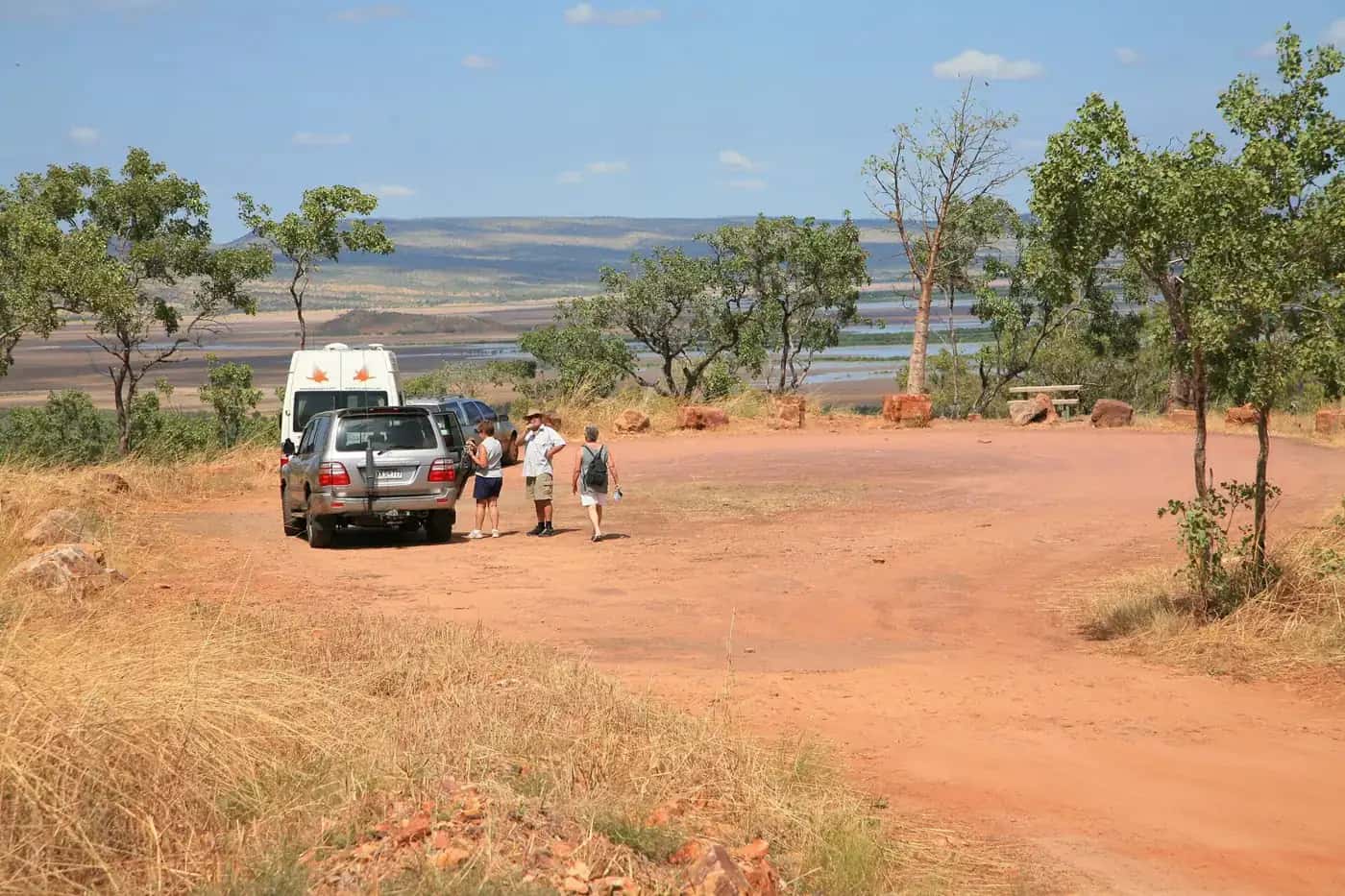
Five Rivers Lookout. Perched on the Bastion Range above town, the lookout offers sweeping views of the Cambridge Gulf and the mouths of five rivers. Sunrise and sunset are spectacular.
Parry Lagoons Nature Reserve. About 25 km south of town, the lagoons form a Ramsar-listed wetland, attracting many waterbirds, including migratory species. A bird hide overlooks Marlgu Billabong.
The Big Croc. A large crocodile statue at the entrance to town is a popular photo stop.
Prison Boab Tree. Near Wyndham, a large hollow boab is said to have been used to hold prisoners overnight in the late nineteenth century. View it from the fence; do not climb or enter.
Wyndham Old Town and Port. The historic port area has heritage buildings, the old courthouse and a museum.
Afghan Cemetery and Pioneer Cemetery. The graves of cameleers and early settlers are reminders of Wyndham's multicultural past.
A one-day itinerary
Morning: Drive from Kununurra, visiting Parry Lagoons and the Prison Boab Tree.
Afternoon: Explore the Old Town, port and museum.
Evening: Watch sunset from the Five Rivers Lookout.
Seasons
The dry season (May to September) is the best time to visit. The wet season (November to March) brings heat, humidity, storms and possible flooding.
Getting there
Wyndham is about 100 km from Kununurra by sealed road. It is also linked to the Gibb River Road, which begins at the junction with the Great Northern Highway between Wyndham and Kununurra.
Where to stay and eat
A caravan park, a hotel and limited motel accommodation. Basic supplies and fuel are available.
Travel safety
Saltwater crocodiles live in all waterways. Carry water, avoid driving at night and check road conditions on Main Roads WA.
Who it suits
Wyndham suits history lovers, birdwatchers, photographers and travellers starting or finishing the Gibb River Road.
The Cambridge Gulf
The Cambridge Gulf is a long, narrow inlet of the Timor Sea. It has some of the largest tidal ranges in northern Australia, with water rising and falling several metres each day. Mudflats, mangroves and tidal creeks support crocodiles, barramundi, mud crabs and birdlife. The Gulf's waters are murky and dangerous; never swim.
Wildlife and birdwatching
Parry Lagoons is one of the best birdwatching sites in the Kimberley, with brolgas, jabirus, magpie geese, egrets and many migratory shorebirds. Early morning is best. Agile wallabies, goannas and freshwater crocodiles may also be seen. Bring binoculars, insect repellent and patience.
Packing tips
Bring a hat, sunscreen, insect repellent, plenty of water and a camera for the lookout. In the wet season, check road conditions daily.
The Port and the Three Mile
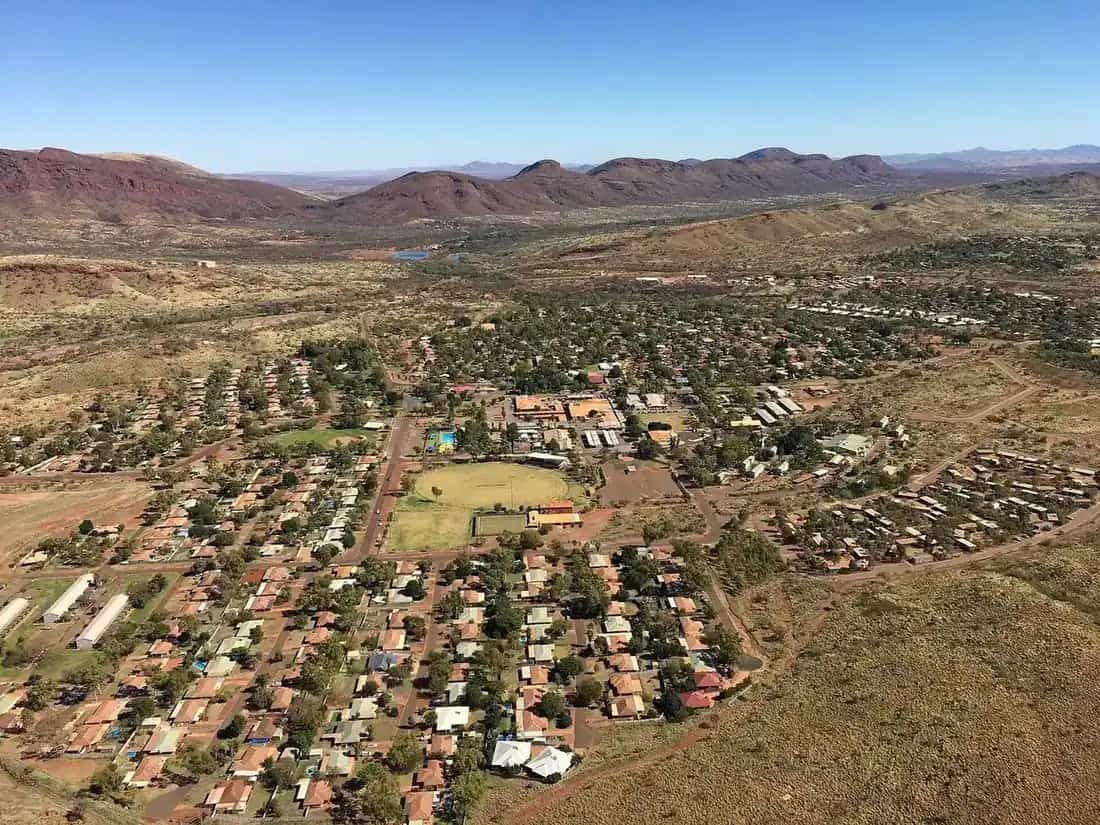
Wyndham is really two settlements. The original town at the Port, beside the Cambridge Gulf, holds the historic buildings, wharf and museum. About five kilometres inland, the Three Mile is the newer residential area, with most of the shops, the caravan park and services. The split grew from the town's early days, when flat land near the gulf was scarce and prone to tidal flooding.
The meatworks era
For much of the twentieth century, the Wyndham Meatworks was the economic heart of the town. Opened by the WA government around the end of World War I, it processed cattle walked in from Kimberley stations, and later trucked in, for export through the port. The works closed in the 1980s after the beef roads and changes in the cattle trade reshaped the industry. Interpretive material at the Port explains the meatworks' story and its impact on the town, including the crocodiles that once gathered to feed on waste from the works.
Fishing and boating
The Cambridge Gulf and its rivers are known for barramundi, threadfin salmon and mud crabs. Tides are large and fast-moving, so check tide tables, launch only from formal ramps and keep well back from the water's edge — saltwater crocodiles are common. See crocodile safety. WA recreational fishing rules apply, including a licence for fishing from a boat, and bag and size limits; check the WA Department of Primary Industries and Regional Development before you go.
Aboriginal culture in the east Kimberley
Wyndham is on Balanggarra Country, and the wider east Kimberley is home to several language groups and art centres. In nearby Kununurra, Waringarri Aboriginal Arts is a long-established community art centre where visitors can see and buy work. See Buying Aboriginal art ethically.
Visiting in the wet
Most visitors come in the dry season, but the wet brings dramatic storms, green landscapes and flooded wetlands. The sealed road from Kununurra usually stays open, but heavy rain can close it temporarily, and the Gibb River Road closes for the season. Heat and humidity in the build-up are intense; plan outdoor activities for early morning.
Where to next
- Kununurra and Lake Argyle — east.
- El Questro and the Gibb River Road — west (4WD only).
- Purnululu (the Bungle Bungles) — south via the Great Northern Highway.
- Halls Creek — south-west.
Parry Lagoons and Marlgu Billabong
Parry Lagoons Nature Reserve, on the Ord River floodplain near Wyndham, is managed by the WA Department of Biodiversity, Conservation and Attractions (DBCA), which acknowledges the Miriwoong and Gajerrong people as Traditional Owners. There is no park entry fee, and dogs are not allowed.
DBCA says the wetland floods in the wet season and is an important stopover for migratory wading birds, some from as far away as Siberia. As the lagoons shrink in the dry, barramundi, mullet and tarpon are left in the pools, drawing fish-eating birds, pelicans, jabirus and the occasional crocodile. The reserve is listed as a wetland of international importance under the Ramsar Convention.
At Marlgu Billabong, a short distance from Telegraph Hill, a wheelchair-accessible boardwalk and bird hide sit over the water. DBCA says more than 160 bird species have been recorded there. Crocodiles live in the billabong, so stay on the boardwalk. Roads can flood in the wet, so access is seasonal. For a wider view, walk up to the ruins on Telegraph Hill.
Practical information
- Services: fuel, store, hospital and police.
- Nearest larger town: Kununurra.
Explore nearby
Nearby park guide: Mirima.
Frequently asked questions
How far is Wyndham from Kununurra?
About 100 km by sealed road via the Great Northern Highway.
Which five rivers can you see from the Five Rivers Lookout?
The King, Pentecost, Durack, Forrest and Ord rivers, which flow into the Cambridge Gulf.
Are there crocodiles in Wyndham?
Yes. Saltwater crocodiles live in the Cambridge Gulf and surrounding rivers. Never swim, and stay well back from the water's edge.
Can you see crocodiles at Marlgu Billabong?
DBCA says there are crocodiles in Marlgu Billabong and asks visitors to stay on the boardwalk at all times.
Is there an entry fee for Parry Lagoons Nature Reserve?
No. DBCA lists no park entry fee for Parry Lagoons Nature Reserve. Dogs are not allowed.
Sources and further reading
Facts on this page were checked against these primary and official sources. Conditions change — confirm before you travel or buy.
- Shire of Wyndham East Kimberley — Shire of Wyndham East Kimberley
- Parry Lagoons Nature Reserve — WA Department of Biodiversity, Conservation and Attractions
- Wyndham (Wikipedia) — Wikipedia
- Parry Lagoons Nature Reserve — Department of Biodiversity, Conservation and Attractions
- Marlgu Billabong — Department of Biodiversity, Conservation and Attractions