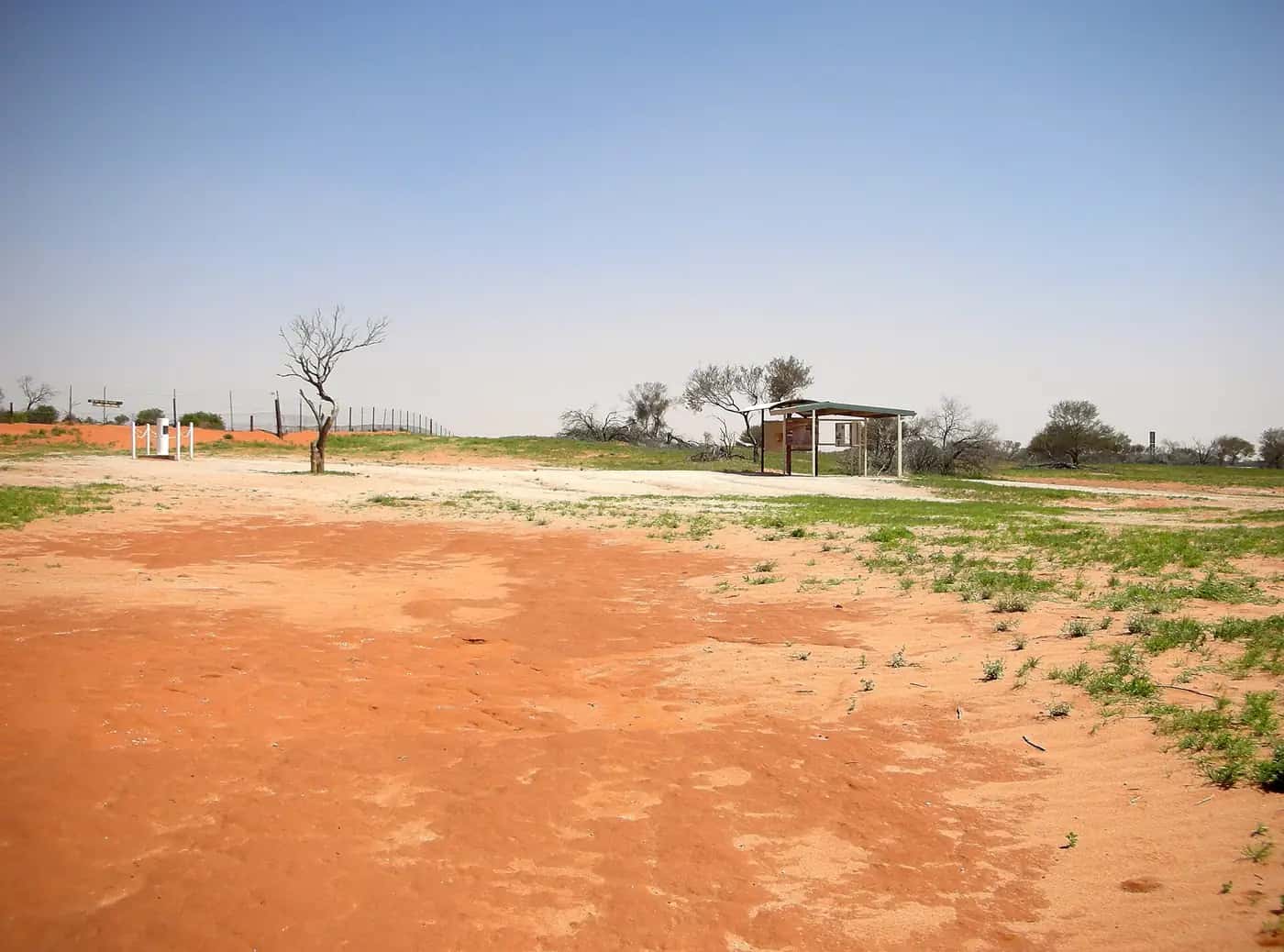
Sturt National Park is one of the largest national parks in New South Wales, covering a vast area of the Corner Country around Tibooburra. Its landscapes include gibber plains, flat-topped jump-ups, red sand dunes, granite tors and ephemeral lakes. Much of the park was formerly pastoral land, and old homesteads, woolsheds and yards remain. It is named after Charles Sturt, whose 1844–46 expedition passed through the region in search of an inland sea.
Highlights
- Dead Horse Gully. Granite tors and a campground just north of Tibooburra, beautiful at sunrise and sunset.
- Gorge Loop and Jump-Up Loop roads. Self-drive routes across mesas, gibber country and creek lines, with lookouts over seemingly endless plains.
- Mount Wood Homestead. Historic pastoral buildings with displays on station life. Accommodation is available in the shearers' quarters and cottage.
- Fort Grey and Lake Pinaroo. In the far north-west of the park, near Cameron Corner. Sturt's party built a stockade near Lake Pinaroo, a wetland of international importance when it fills.
- Olive Downs. A campground and walks among the jump-ups, with views at sunset.
- The Dog Fence. The park's northern boundary follows the Queensland border, where the Dog Fence runs.
Wildlife
Sturt is excellent for wildlife. Red kangaroos are common on the plains, and euros live around rocky areas. Emus, wedge-tailed eagles and kites are frequently seen. After rain, the park can come alive with budgerigars, zebra finches, flowering plants and waterbirds on Lake Pinaroo. See our outback wildlife and birdwatching guides.
Camping and accommodation
Campgrounds include Dead Horse Gully, Olive Downs, Fort Grey and Mount Wood. Facilities vary from toilets and fireplaces to hot showers at some sites. Mount Wood also has accommodation in historic buildings. Book through NSW National Parks. Bring all water, food and fuel.
Getting there
Tibooburra, the gateway town, is about 330 km north of Broken Hill on the Silver City Highway. Park roads are unsealed and close after rain. Driving on closed roads can damage them and may lead to fines and costly recovery. Check NSW National Parks alerts and Live Traffic NSW before setting out, and read our remote-area travel safety guide.
Seasons
April to October is the best time. Summer temperatures are extreme. Rain can fall at any time and close roads quickly.
History
The Wangkumara, Malyangapa and other Aboriginal peoples lived in this country for thousands of years, using waterholes, soaks and plant foods. Sturt's expedition was trapped at Depot Glen near Milparinka in 1845. Pastoral leases followed, and later the land became a national park, protecting its landscapes and wildlife.
Suggested three days
Day one. Arrive in Tibooburra, visit the National Parks office and camp at Dead Horse Gully.
Day two. Drive the Jump-Up Loop and Gorge Loop, then visit Mount Wood Homestead.
Day three. Head west to Fort Grey and Cameron Corner, then return or continue into South Australia or Queensland if roads are open.
Tips
- Carry two spare tyres; gibber is hard on tyres.
- Bring extra water and fuel; there are no services in the park.
- Tell someone your plans before heading out.
Landscapes explained
Sturt's gibber plains are covered with stones polished by wind and sand, left behind as finer soil was blown away over thousands of years. The jump-ups are flat-topped mesas capped by hard rock that has resisted erosion. Red dunes run in long parallel lines in the west, and after big rains, shallow lakes and claypans fill, attracting waterbirds. Granite tors near Tibooburra are rounded boulders formed by weathering of the granite below the surface.
The Corner Country experience
Visiting Sturt is about space and silence. Distances are vast, and you may not see another vehicle for hours. Nights are dark and full of stars. Take time to stop, walk and look closely at the wildflowers, insects and birds. Combine your visit with a drink at Cameron Corner's store, where three states meet, and a visit to the heritage precinct at Milparinka.
Park fees and bookings
Vehicle entry fees may apply, and campsites and accommodation must be booked through NSW National Parks. The Tibooburra National Parks office can provide maps, advice on road conditions and information on current closures. Check opening hours before you arrive.
The Tibooburra park office
NSW National Parks and Wildlife Service has an office in Tibooburra, which is a good first stop for park information, road conditions and camping advice. Opening hours can be limited; check ahead.
Night skies
Sturt's remote location and dry air make for exceptional stargazing. Campgrounds such as Dead Horse Gully and Fort Grey are excellent places to watch the Milky Way on clear nights. Bring warm clothes for winter evenings.
After rain
Rain transforms the Corner Country. Lakes such as Pinaroo can fill, attracting waterbirds, and wildflowers can carpet the gibber plains. But rain also closes the unsealed roads, sometimes for days. If you are caught by rain, stay put until the roads reopen — driving on closed roads can cause serious damage and attract heavy fines.
Drones
Drone use in NSW national parks requires consent from NSW National Parks and Wildlife Service.
Related guides
Frequently asked questions
Are the roads in Sturt National Park sealed?
No. Park roads are unsealed and close after rain, sometimes for days. Check NSW National Parks alerts and Live Traffic NSW before travelling.
Where can you camp in Sturt National Park?
Campgrounds include Dead Horse Gully near Tibooburra, Olive Downs, Fort Grey and Mount Wood. Bookings are made through NSW National Parks.
Where is the Sturt National Park visitor centre?
In Tibooburra, on the eastern edge of the park.
Are roads in Sturt National Park sealed?
No. Park roads are unsealed and close after rain. Check park alerts and Live Traffic NSW.
Sources and further reading
Facts on this page were checked against these primary and official sources. Conditions change — confirm before you travel or buy.
- Sturt National Park — NSW National Parks and Wildlife Service


