The Great Inland Way itinerary was one of the original Outback Now's most-linked pages, cited by camper and caravan apps for years. It is a sealed inland alternative to the Pacific Highway, and a great introduction to the outback for caravanners.
The route at a glance
Sydney – Dubbo – Gilgandra – Coonamble – Walgett – Lightning Ridge – Hebel – St George – Roma – Injune – Rolleston – Springsure – Emerald – Clermont – Charters Towers – Greenvale – Mount Garnet – the Atherton Tablelands – Cairns.
Highlights
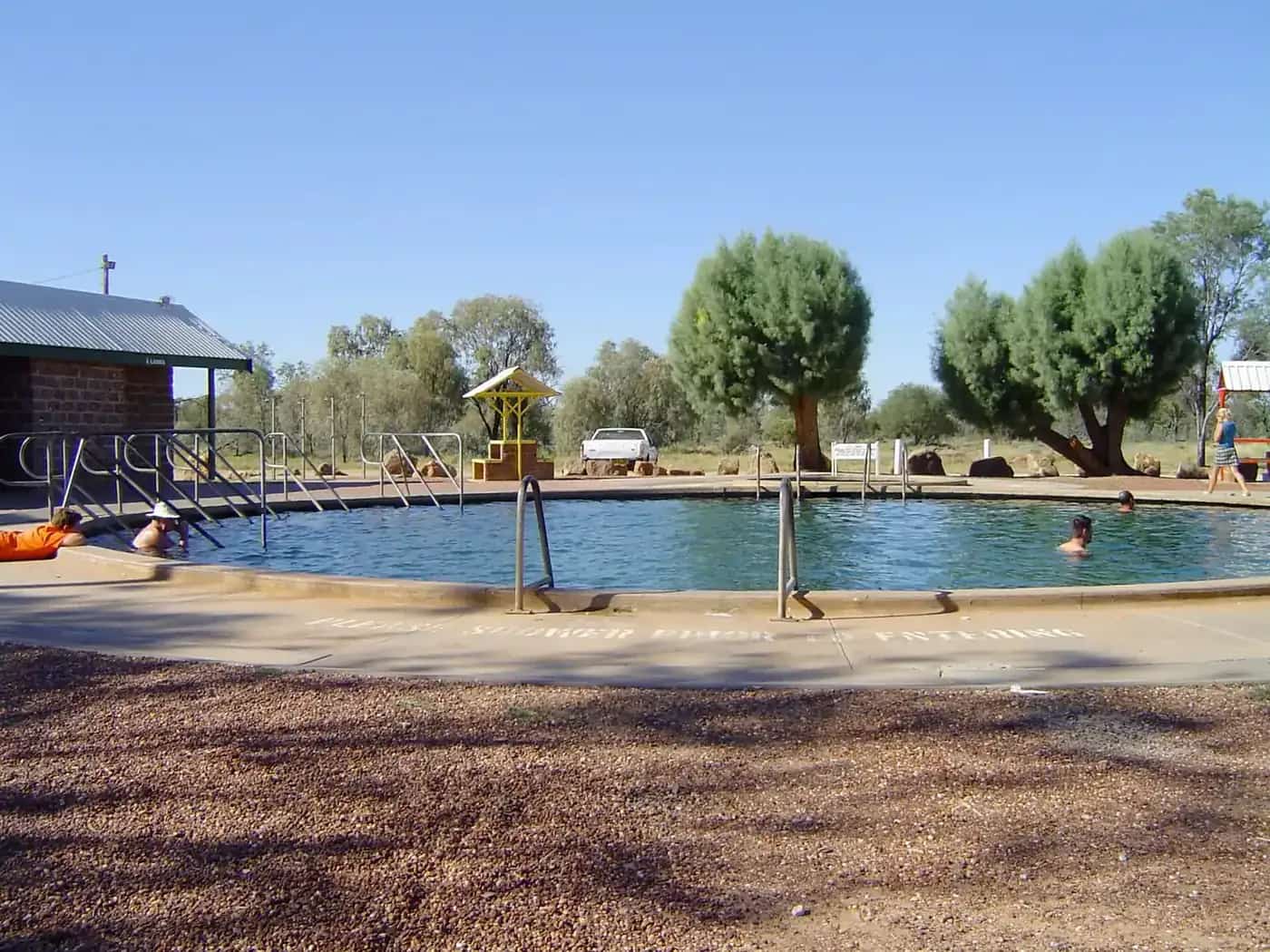
Dubbo — Taronga Western Plains Zoo and the Old Dubbo Gaol. Warrumbungle National Park (near Coonabarabran on a variation) — Australia's first Dark Sky Park. Lightning Ridge — opal and bore baths. St George — the Balonne River and cotton country. Roma — Australia's largest cattle saleyards and the Big Rig oil and gas museum. Carnarvon Gorge — sandstone cliffs and Aboriginal rock art, via Injune. Emerald and the gemfields — fossick for sapphires at Sapphire and Rubyvale. Charters Towers — gold-rush architecture. The Atherton Tablelands — waterfalls, crater lakes and rainforest before descending to Cairns.
Suggested itinerary (12 days)
- Sydney to Dubbo
- Dubbo to Lightning Ridge
- Lightning Ridge (rest day)
- Lightning Ridge to Roma via St George
- Roma to Carnarvon Gorge
- Carnarvon Gorge (walk day)
- Carnarvon Gorge to Emerald
- Sapphire and Rubyvale gemfields
- Emerald to Charters Towers
- Charters Towers to the Atherton Tablelands
- Tablelands
- Tablelands to Cairns
Tips
Watch for road trains, especially on the Carnarvon and Gregory highways. Fuel is regular but plan the Greenvale stretch. Avoid the far north in the wet season (November to April). The original route also had a version linking Sydney to Cairns via Longreach — see Sydney to Darwin for the western options.
Why take the inland route
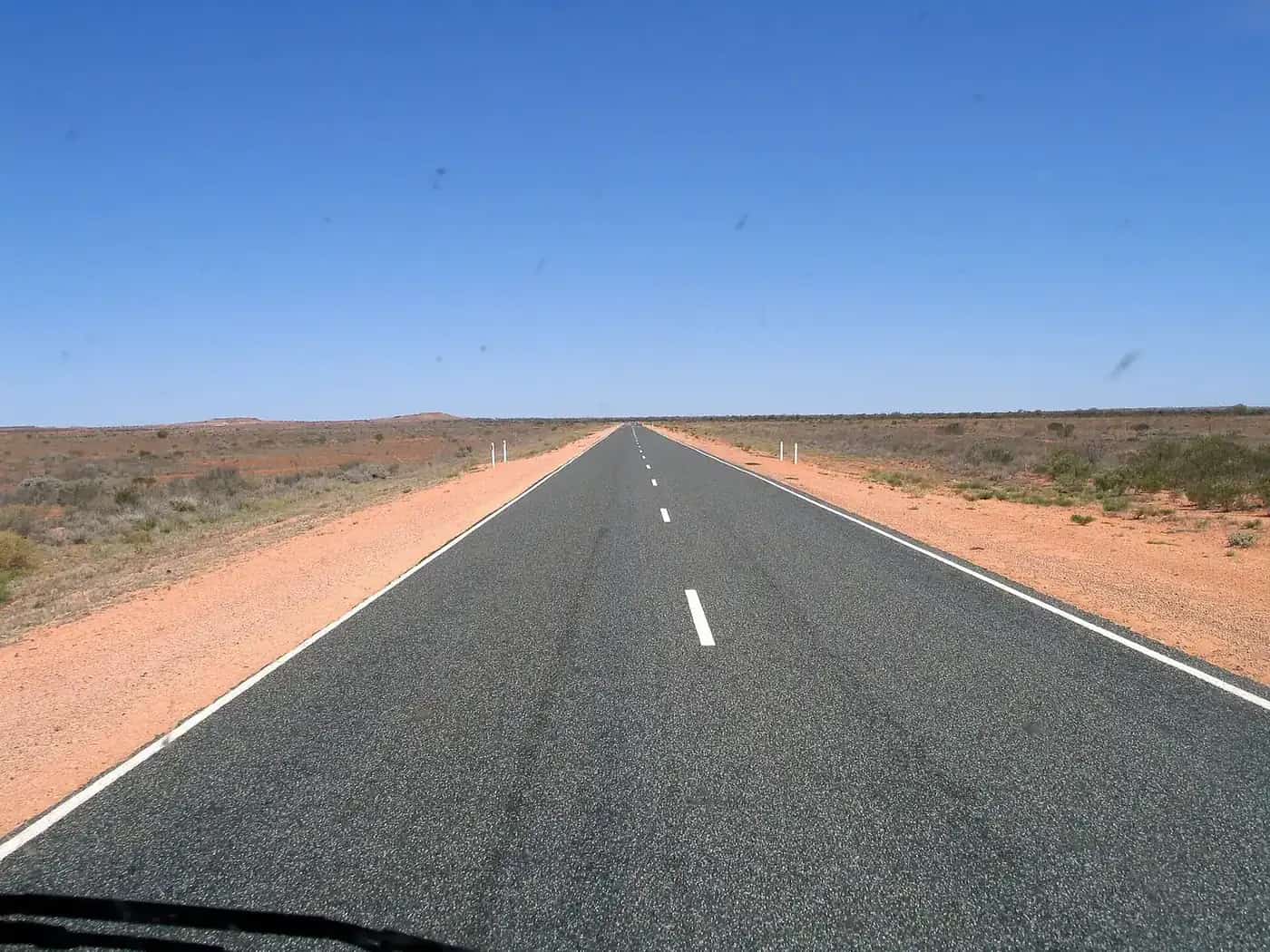
The Great Inland Way is a touring route linking Sydney and Cairns through inland New South Wales and Queensland, away from the crowded coastal highways. It travels through wheat and cotton country, opal fields, sandstone gorges and gemfields before climbing onto the Atherton Tablelands. The route is mostly sealed and suitable for conventional vehicles and caravans in dry weather, although some side trips are unsealed. It works well in either direction and is a popular way for southern travellers to reach north Queensland in winter.
New South Wales section
From Sydney, cross the Blue Mountains to Lithgow and Bathurst, or head north-west through the Hunter, then continue to Dubbo. Taronga Western Plains Zoo, the Old Dubbo Gaol and the Royal Flying Doctor Service visitor experience make Dubbo a good first stop. North of Dubbo, a variation via Coonabarabran visits Warrumbungle National Park, recognised as Australia's first Dark Sky Park, and the Siding Spring Observatory. Gilgandra, Coonamble and Walgett lead to Lightning Ridge, famous for black opal, its bore baths and the Car Door Tours. Cross the border at Hebel.
Southern and central Queensland
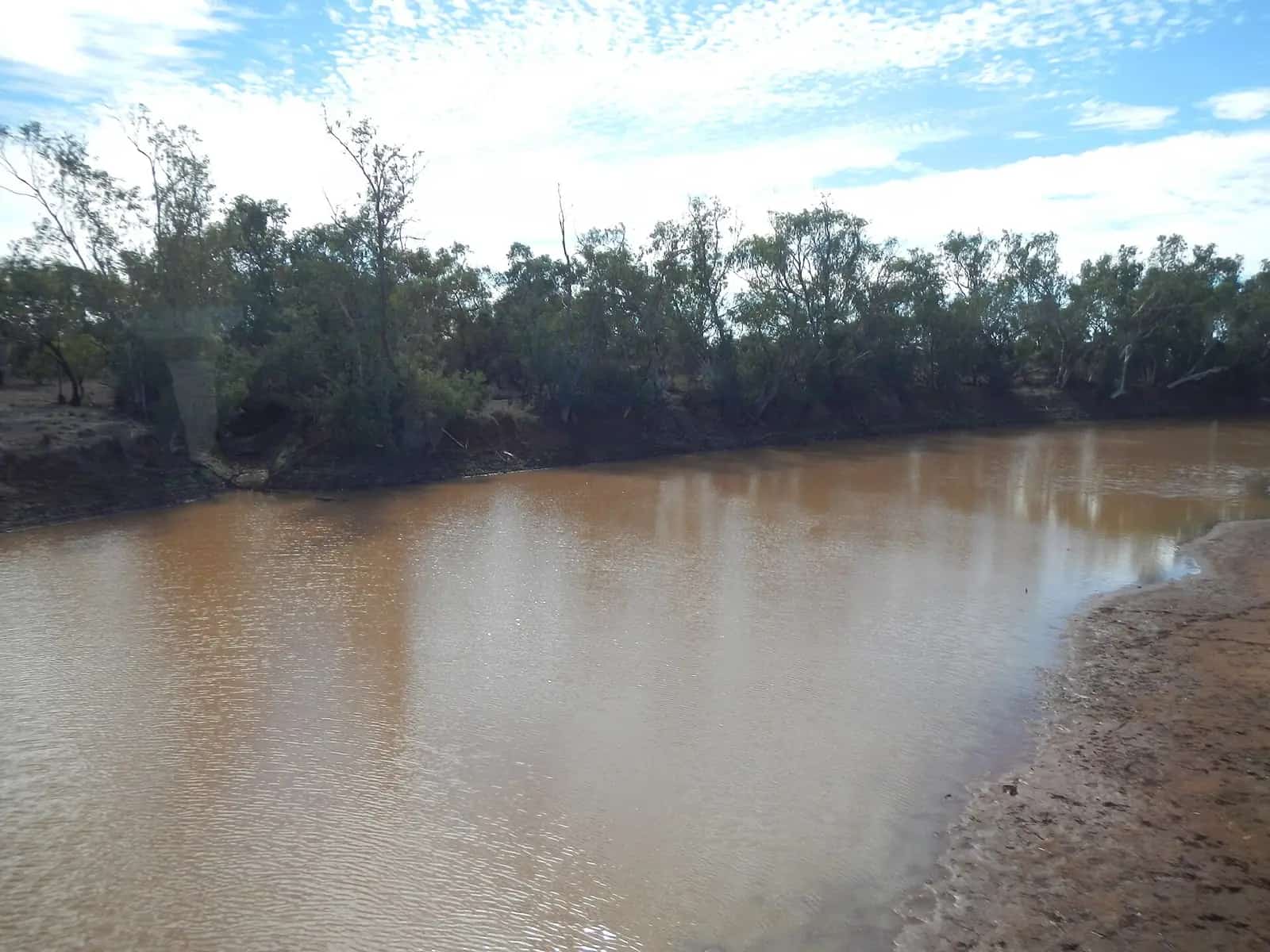
From Hebel, the route passes Dirranbandi and St George, then heads north to Roma, the regional centre of the Maranoa. Roma's Big Rig tells the story of Australia's oil and gas industry, and the town's saleyards are among the largest cattle selling centres in Australia. North of Roma, Injune is the gateway to the sandstone country of the Carnarvon Range.
Carnarvon Gorge is a highlight: towering white sandstone cliffs, side gorges with ferns and palms, and Aboriginal rock art at the Art Gallery and Cathedral Cave. Camping in the national park is seasonal and must be booked through Queensland Parks and Wildlife Service; private accommodation is also available nearby. Allow at least two nights.
The gemfields and the north
From Carnarvon, the route continues through Rolleston and Springsure to Emerald, the hub of the Central Highlands. The nearby gemfields at Sapphire, Rubyvale, Anakie and the Willows are one of the largest sapphire-producing areas in the Southern Hemisphere; visitors can buy a bucket of "wash" to sieve, or apply for a fossicking licence to dig on designated land. North of Emerald, the road passes Clermont and Belyando Crossing to Charters Towers, a historic gold-mining city with grand heritage buildings. From there, it heads north through Greenvale and Mount Garnet to the Atherton Tablelands, with their waterfalls, rainforest and crater lakes, before descending to Cairns.
Distances and timing
The full route is roughly 2,800–3,000 km, depending on variations. Twelve days is a comfortable minimum; three weeks lets you linger at Carnarvon, the gemfields and the Tablelands. Fuel is available at regular intervals, but the stretch between Charters Towers and the Tablelands via Greenvale has fewer services, so fill up before you go.
When to travel
April to October is best. Winter nights in inland NSW and southern Queensland can be frosty, while the north is warm and dry. The wet season in north Queensland, roughly November to April, can bring heavy rain and flooding. Check the Bureau of Meteorology forecast and QLDTraffic before travelling.
Caravanning tips
The route is popular with caravanners. Watch for road trains on the Carnarvon and Gregory highways, use rest areas regularly, and book caravan parks ahead in school holidays. See our outback camping guide and the Great Artesian Spa Tour, which overlaps with the southern part of the route.
Further reading
Frequently asked questions
What is the Great Inland Way?
A touring route of roughly 3,000 km between Sydney and Cairns through inland NSW and Queensland, passing towns such as Dubbo, Lightning Ridge, St George, Roma, Emerald and Charters Towers.
Is the Great Inland Way sealed?
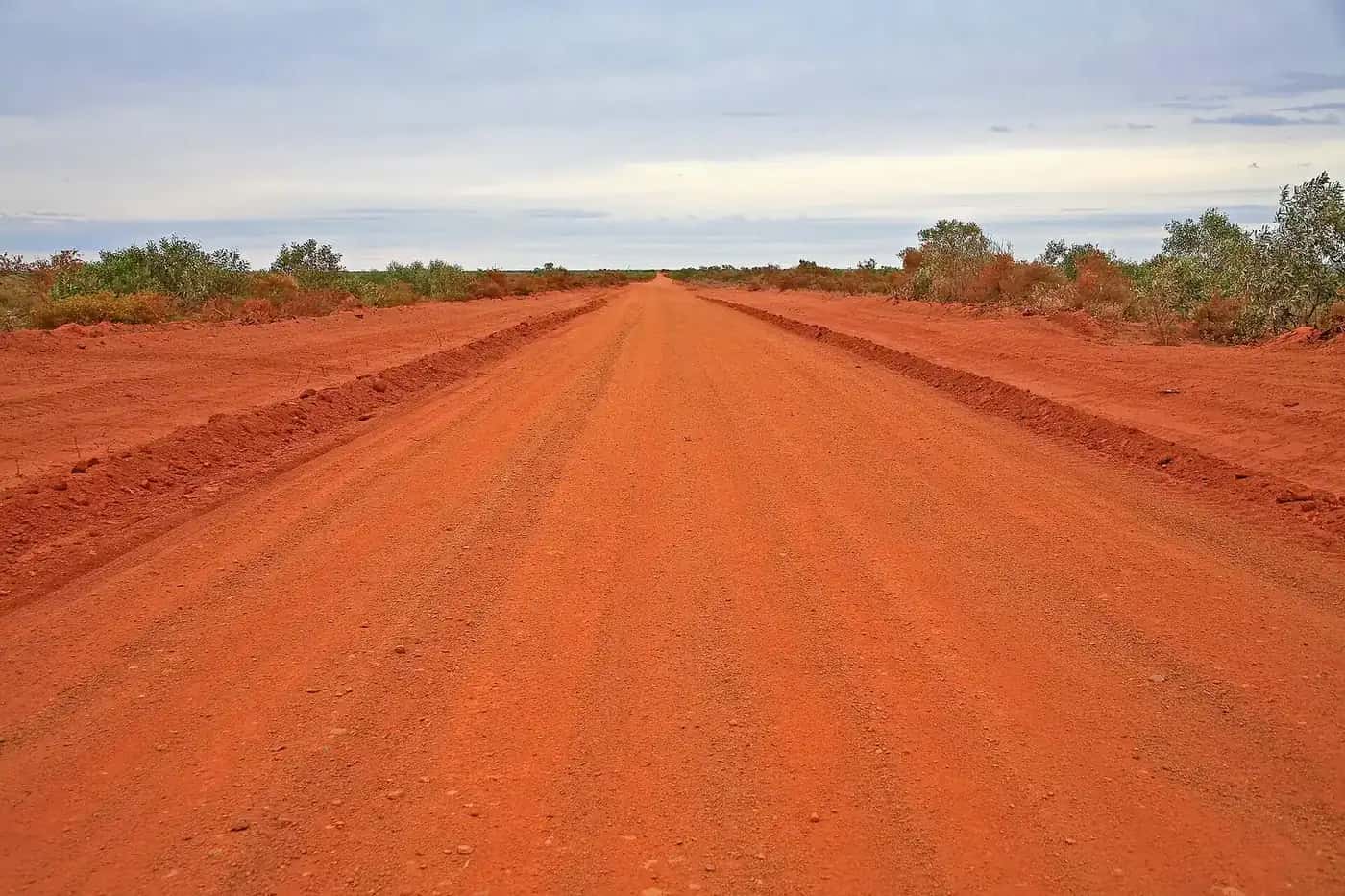
The main route is sealed. Side trips to places such as Carnarvon Gorge and some national parks include unsealed sections.
How long does the Great Inland Way take?
Allow at least 10 to 14 days to enjoy the highlights; it can be driven faster, but long days leave little time for stops.
Sources and further reading
Facts on this page were checked against these primary and official sources. Conditions change — confirm before you travel or buy.
- Live Traffic NSW — Transport for NSW
- QLDTraffic — Queensland Government
- Carnarvon Gorge — Queensland Parks and Wildlife Service