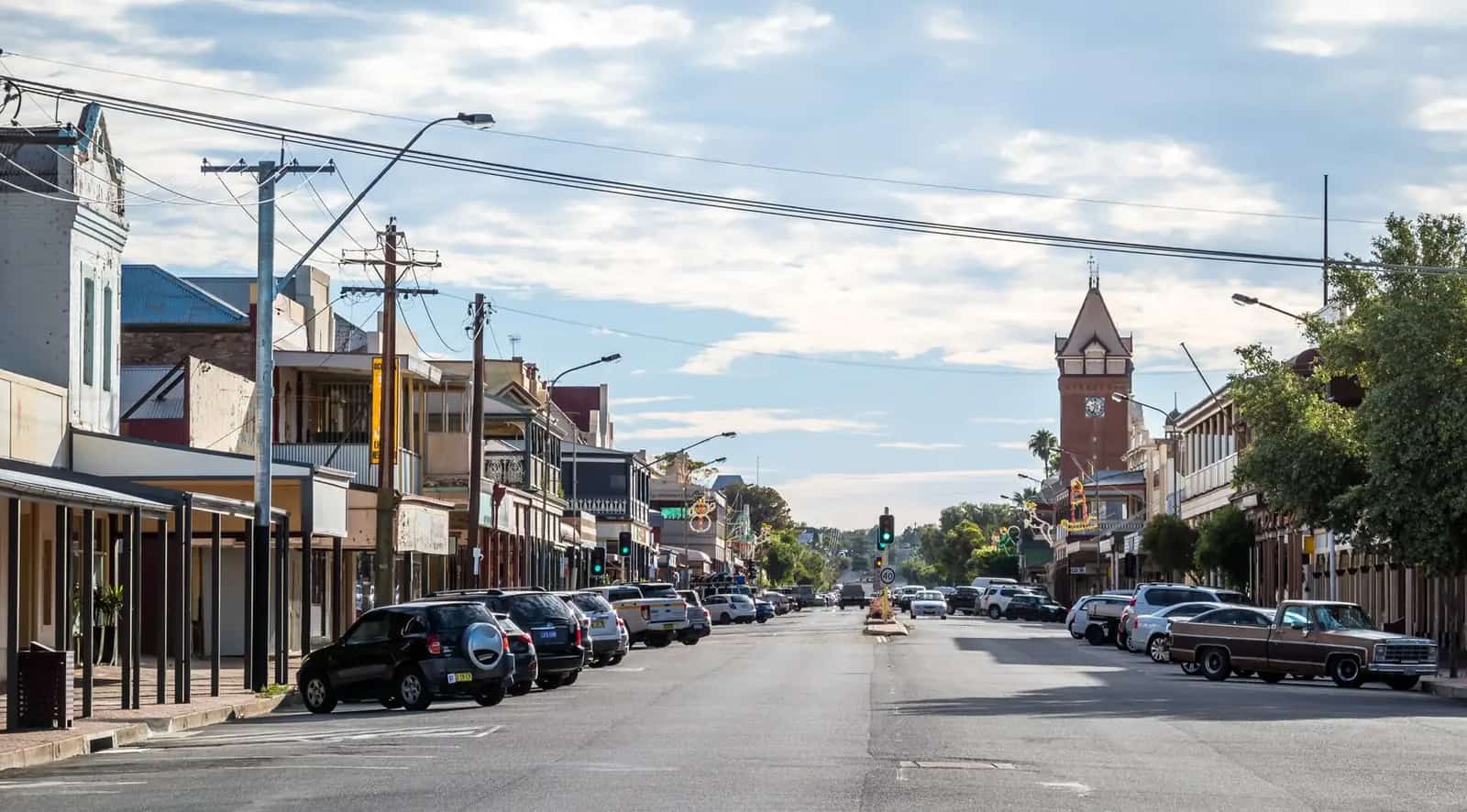
Tibooburra sits about 330 km north of Broken Hill, close to the Queensland and South Australian borders. With only a small permanent population, it is one of the most remote towns in New South Wales, and often one of its hottest. Granite tors rise around the streets, giving the town a unique setting. It is the base for exploring Sturt National Park and the jumping-off point for Cameron Corner.
History and Country
Tibooburra is on the Country of the Wadigali people and neighbouring groups of the Corner Country. In 1845, Charles Sturt's expedition, searching for an inland sea, was trapped for months at Depot Glen near present-day Milparinka by drought and heat. His second-in-command, James Poole, died of scurvy and is buried nearby.
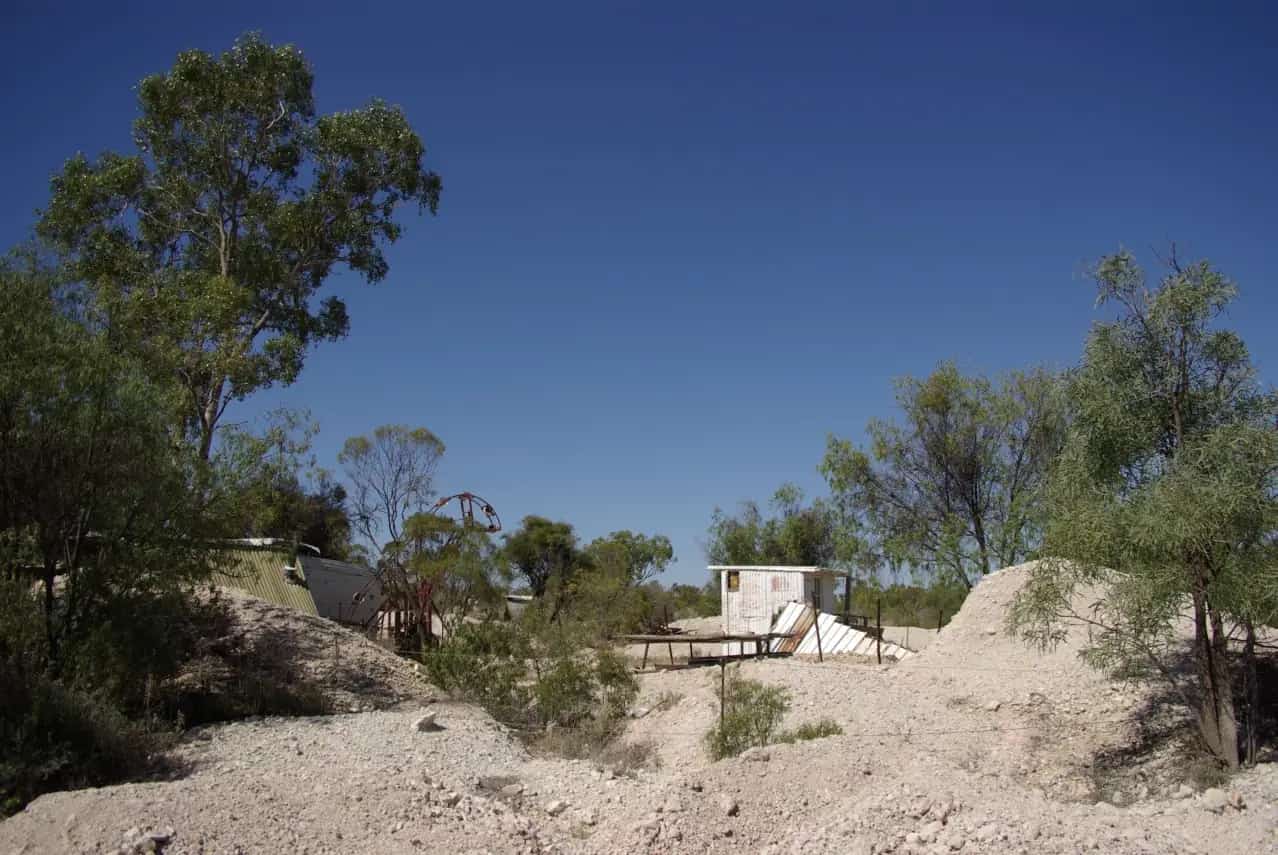
Gold was found in the region in the early 1880s, and a rush to the Albert Goldfield brought thousands of miners to Mount Browne, Milparinka and Tibooburra. Water was scarce, and many diggers suffered; the rush faded within a few years. Tibooburra survived as a service town for surrounding pastoral stations.
Things to do
Sturt National Park. The park covers a large area north and west of town, protecting gibber plains, jump-ups, dunes and granite country. The visitor centre in Tibooburra provides maps and information. Drives include the Gorge Loop Road and the Jump-Up Loop Road, and campgrounds include Dead Horse Gully, close to town among the granite boulders, as well as Fort Grey and Olive Downs.
Tibooburra Courthouse Museum. The old courthouse displays local history, from the gold rush to pastoral life and the Aboriginal history of the area.
The Family Hotel. The hotel is known for murals painted on its walls by visiting artists, reportedly including Clifton Pugh and Russell Drysdale. Ask the publican about their history.
Granite tors and walks. A short walk among the granite boulders in Dead Horse Gully or around town gives views over the plains, especially at sunset.
Sturt's Depot Glen and Poole's grave. About 40 km south near Milparinka, these sites tell the story of the expedition's ordeal.
Milparinka Heritage Precinct. The restored courthouse and other buildings at Milparinka, a former gold-rush town, now house displays. The Albert Hotel still trades.
Events
Tibooburra has hosted a gymkhana and rodeo in some years, drawing people from stations across the Corner Country. Dates and whether events go ahead vary; check with the local community or the Sturt National Park visitor centre.
A three-day itinerary
Day 1: Arrive from Broken Hill via Milparinka, visit Depot Glen and Poole's grave, and settle into Tibooburra. Sunset among the granite boulders.
Day 2: Visit the visitor centre and Courthouse Museum, then drive the Gorge Loop Road in Sturt National Park.
Day 3: Drive west to Fort Grey and Cameron Corner (unsealed; 4WD recommended), returning to Tibooburra or continuing into Queensland or South Australia.
Seasons
April to October is the best time to visit. Summer temperatures are extreme, and roads can close at any time of year after rain.
Getting there
Tibooburra is about 330 km north of Broken Hill via the Silver City Highway. Other routes link it with Queensland and South Australia, but these are unsealed and remote. Check Live Traffic NSW, Queensland's QLDTraffic and SA's outback road warnings before travelling.
Where to stay and eat
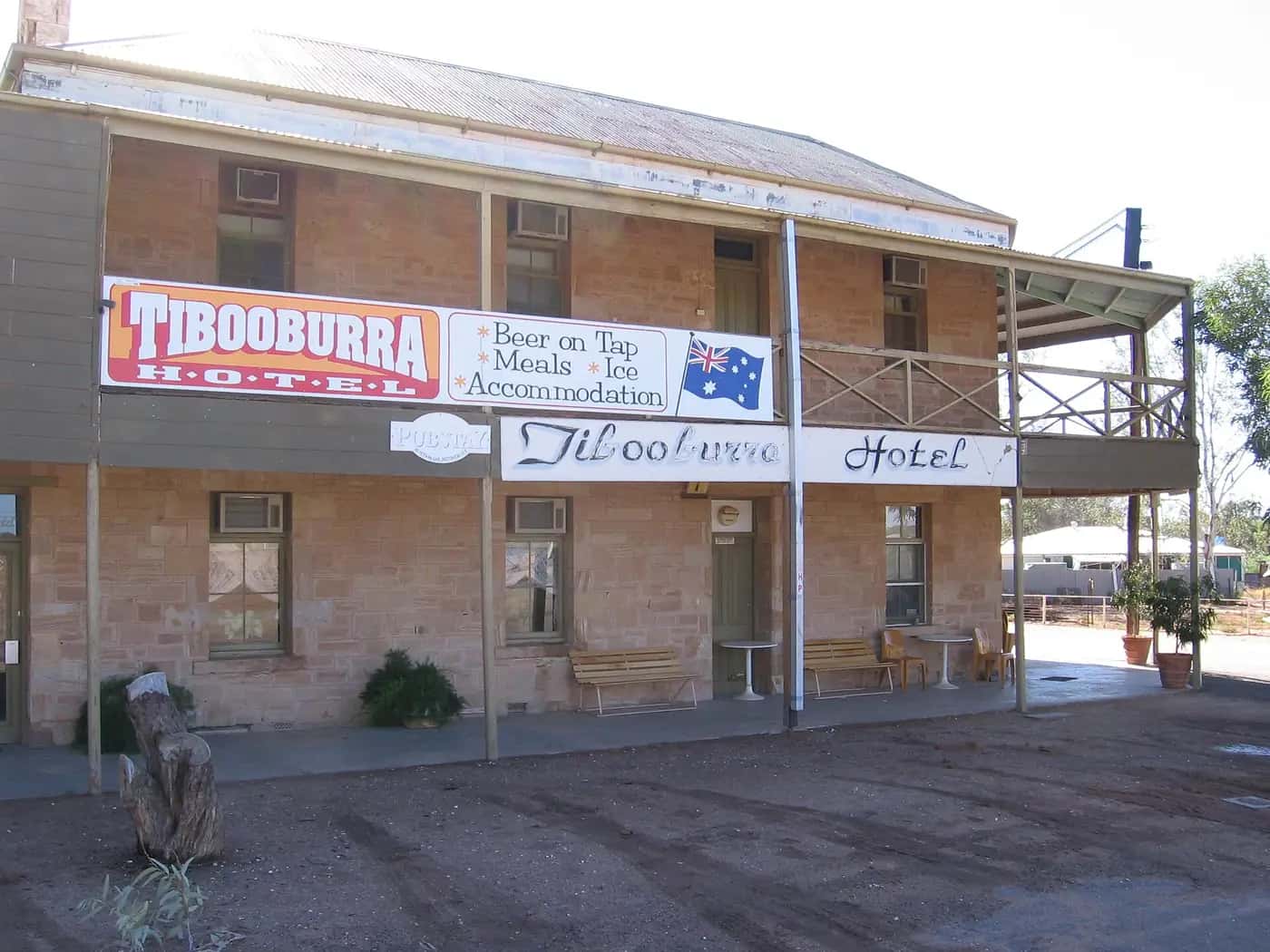
Two hotels, a motel, a caravan park and National Parks campgrounds. Meals are available at the hotels, and a store sells basic supplies.
Travel safety
Carry plenty of water, fuel and spare tyres, and a satellite communication device. Tell someone your plans and expected arrival time. If you break down, stay with your vehicle. Avoid driving at night because of kangaroos, emus and stock.
Who it suits
Tibooburra suits outback enthusiasts, birdwatchers, history buffs and 4WD travellers heading to Cameron Corner or the Strzelecki Track region.
Packing tips
Bring plenty of water, spare tyres, warm clothes for winter nights and a camera for the granite tors at sunset.
Fuel, phones and medical help
Tibooburra Health Service on Sturt Street provides primary care on weekdays and on-call emergency care around the clock. The Royal Flying Doctor Service runs a weekly GP clinic there.
Fuel is available in town at TJ's Roadhouse and Tibooburra Food & Fuel. The next fuel is at the Cameron Corner Store (about 139 km, unsealed) or Packsaddle Roadhouse to the south. Noccundra, to the north in Queensland, has reportedly stopped selling fuel, so carry enough from Tibooburra for the run to Thargomindah or Eromanga.
Travelling with kids
Kids usually enjoy the granite boulders around town and the chance to spot emus and kangaroos on the drive into Sturt National Park. Pack plenty of snacks and water for the long drives.
Sturt National Park from Tibooburra
NSW National Parks describes Tibooburra as sitting in Wangkumara Country, and the town's name is usually translated as "heaps of rocks", a reference to the granite tors around it. NPWS puts the age of those tors at about 450 million years. The town is the gateway to Sturt National Park, and the park's Tibooburra Visitor Centre is at 51 Briscoe Street. NPWS lists it as always open but unstaffed, and the office phone is (08) 8091 3308.
Park entry costs $8 per vehicle per day, according to NPWS. NPWS advises carrying coins to pay it. Check the current fee on the NPWS site before you go, because fees change.
The park is part of a feral predator-free reintroduction project run with the Wild Deserts program. Species returned to fenced areas include the bilby, crest-tailed mulgara, western barred bandicoot, greater stick-nest rat, golden bandicoot, burrowing bettong and western quoll. North-west of town, Lake Pinaroo, about 80 km from Tibooburra, was listed as a Ramsar wetland in 1996. When it holds water it attracts large numbers of waterbirds.
Mount Wood Homestead, inside the park, dates from the pastoral era; NPWS says the run was taken up in about 1881.
Tibooburra weather
NPWS gives average summer temperatures of about 22–36°C, with a recorded maximum of 47.6°C. Winter averages are about 5–17°C, and frost is possible; the lowest recorded temperature is −2.8°C. That is why most visitors come between April and October.
Practical information
- Services: fuel, store, hotels, a health service and police.
- Nearest larger town: Broken Hill.
- Time zone: NSW Eastern Time (Broken Hill, to the south, keeps Central Time).
Explore nearby
Tibooburra is the hub of Corner Country.
Frequently asked questions
How far is Tibooburra from Broken Hill?
About 330 km north via the Silver City Highway. Large sections have been sealed in recent years; check Live Traffic NSW for current conditions and any unsealed sections.
What does Tibooburra mean?
The name is commonly said to come from a local Aboriginal word meaning "heap of rocks", a reference to the granite tors around the town.
Is there fuel in Tibooburra?
Yes, fuel and basic supplies are available, but distances to the next fuel are long. Fill up and carry a reserve.
What does Tibooburra mean?
The name is usually translated as 'heaps of rocks', after the granite tors that surround the town. NSW National Parks says those tors are about 450 million years old.
How much does it cost to enter Sturt National Park?
NSW National Parks lists a park entry fee of $8 per vehicle per day, paid with coins. Check the NPWS website for the current fee before you travel.
Sources and further reading
Facts on this page were checked against these primary and official sources. Conditions change — confirm before you travel or buy.
- Sturt National Park — NSW National Parks and Wildlife Service
- Live Traffic NSW — Transport for NSW
- Tibooburra (Wikipedia) — Wikipedia
- Sturt National Park — NSW National Parks and Wildlife Service