Droving began with the spread of pastoralism in the nineteenth century and continued until road trains took over from the 1960s. Drovers moved mobs of cattle or sheep over hundreds or thousands of kilometres.
The stock routes
- Birdsville Track — cattle from the Channel Country to the railhead at Marree. See Birdsville Track.
- Canning Stock Route — surveyed to move cattle from the Kimberley to the goldfields. See Canning Stock Route.
- Barkly and Georgina routes — cattle from the Territory through Camooweal. See Camooweal.
- Strzelecki Track — linked to Harry Readford's 1870 cattle theft. See Strzelecki Track.
Aboriginal stockmen and women
Aboriginal people were the backbone of the northern cattle industry, often working for rations or little pay. The 1966 Wave Hill walk-off, led by Vincent Lingiari and the Gurindji people, was a landmark in the struggle for fair wages and land rights.
Where to learn more
How droving worked
A droving plant typically included a boss drover, several stockmen, a cook, horses, a wagon or packhorses and working dogs. A mob of cattle might travel only a modest distance each day so the animals could graze along the way and keep condition. Drovers watched the mob around the clock in shifts, especially at night when cattle could "rush" (stampede) at the slightest noise. Work was hard, dusty and often lonely, and drovers spent months on the road between stations and railheads or markets.
Overlanding — moving stock to take up new country — was a large part of nineteenth-century droving. Famous overlanding feats included the Duracks' and Costello's journeys from Queensland to the Kimberley in the 1880s and Nat Buchanan's droving of cattle into the Northern Territory. Later, drovers mainly moved stock from breeding country in the north to fattening country, railheads and meatworks.
Stock routes and reserves
Stock routes are corridors of public land set aside for moving stock on the hoof, with water points and reserves along the way. In Queensland, a stock route network administered by the state and local councils still covers a large area, and in New South Wales travelling stock reserves are managed by Local Land Services. Drovers may still use them, especially in drought, when graziers move cattle along "the long paddock" to find feed. Many reserves also have conservation value, protecting remnants of native vegetation, and some are used as rest areas and camping spots — check signs and local rules.
The Canning Stock Route
The Canning Stock Route was surveyed in 1906–07 by Alfred Canning to allow cattle to be driven south from the Kimberley to the goldfields, crossing the Great Sandy, Little Sandy and Gibson deserts. Wells were built along the route, often at waters long used by Aboriginal people, whose country was taken without consent. The route saw relatively few droving trips, and the last took place in the late 1950s. Today it is one of Australia's most challenging four-wheel-drive journeys and requires permits and careful preparation; see our Canning Stock Route guide.
The Birdsville Track
From the 1880s, drovers moved cattle from Channel Country stations south to the railhead at Marree. The track and its bores were a lifeline; the mail truck run by Tom Kruse along the track in the mid-twentieth century became a celebrated part of outback lore. Today the Birdsville Track is an unsealed road between Marree and Birdsville.
Road trains and the end of the era
From the 1960s, road trains and beef roads built across northern Australia replaced most long-distance droving. Cattle could now be trucked in days rather than months. A few drovers still work today, and droving skills are kept alive by events such as the drovers' reunions and festivals held in outback towns.
Aboriginal pastoral workers
Aboriginal stockmen and women did much of the work on northern stations and droving plants, often with great skill and with deep knowledge of the country. Many were paid in rations or far less than non-Aboriginal workers. Following the 1966 Wave Hill walk-off and a federal decision on equal wages in the pastoral industry, many stations stopped employing Aboriginal workers, forcing families off Country. The Gurindji campaign led to the 1975 handback of part of their land, a key moment in the land rights movement.
Where to see droving heritage
- Australian Stockman's Hall of Fame, Longreach — galleries on stock work and droving, and live shows in season. See our Longreach heritage guide.
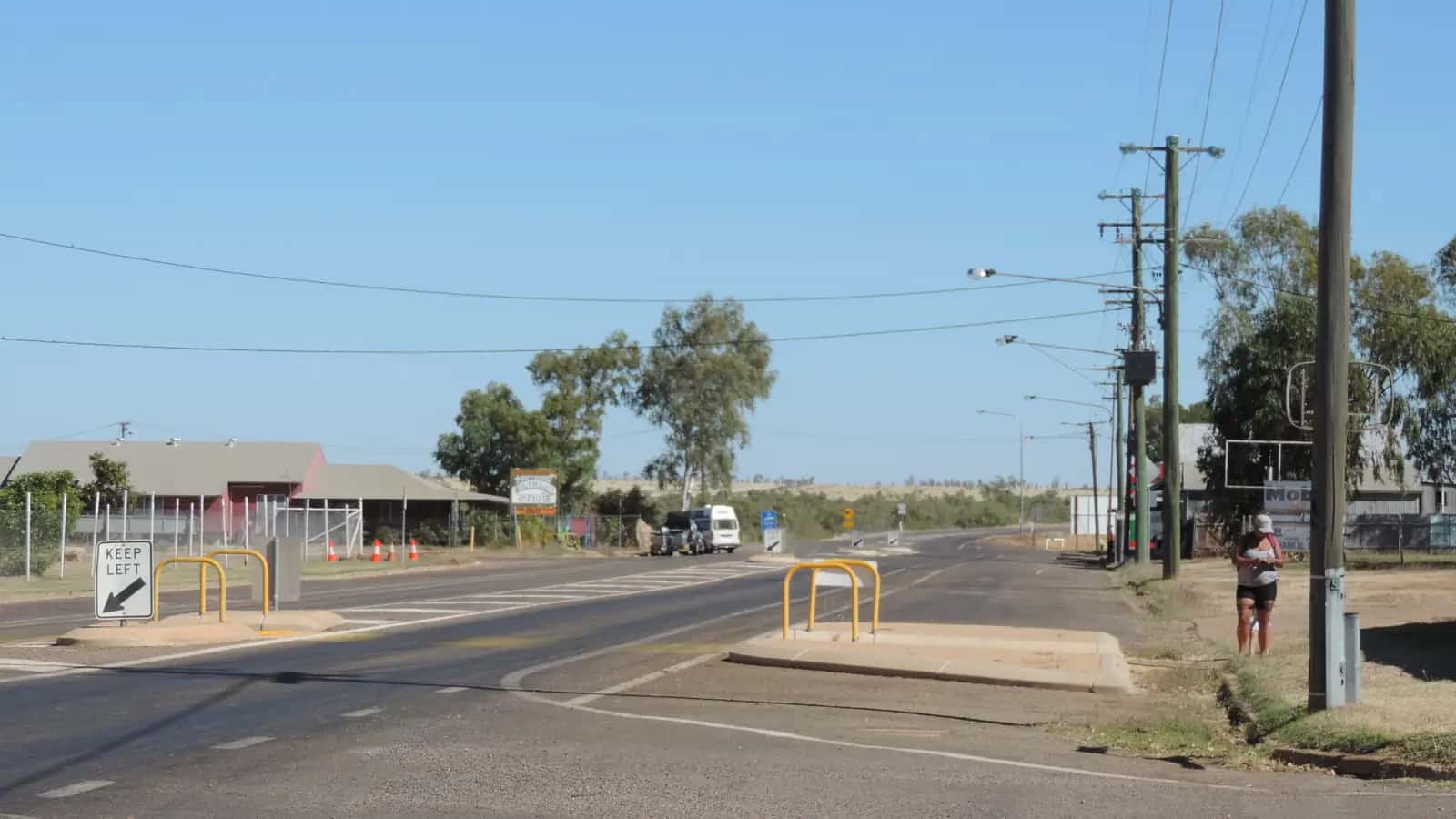
- Drovers Camp, Camooweal — a museum dedicated to the drovers of the Barkly and Georgina routes, with an annual festival.
- Kalkaringi, NT — the Freedom Day Festival commemorates the Wave Hill walk-off. Check with the community before visiting.
- Stock route camping — many reserves along the Matilda Way and Warrego Way offer bush camping; check council rules.
Drovers today
Modern drovers still move stock along stock routes in some seasons, particularly in Queensland and New South Wales during drought. If you meet a mob on the road, slow right down, follow the drover's signals and wait to be waved through.
Frequently asked questions
What is a stock route?
A public route reserved for moving livestock on foot, with water and grazing along the way. Many still exist as travelling stock reserves.
Where can I learn about droving?
The Australian Stockman's Hall of Fame in Longreach and the Drovers Camp in Camooweal are good places to start.
Sources and further reading
Facts on this page were checked against these primary and official sources. Conditions change — confirm before you travel or buy.
- Australian Stockman's Hall of Fame — Australian Stockman's Hall of Fame