All climate figures on this page come from the Bureau of Meteorology climate statistics for Lightning Ridge Visitor Information Centre, station number 048243, as published on the averages table (fetched 18 November 2026; latest available data on that page 13 November 2026). The Lightning Ridge Tourism Association points to the same BOM table on its FAQ.
Station facts:
- Commenced 1997 (status open)
- Latitude 29.43°S, longitude 147.97°E
- Elevation 154 m
- Mean annual rainfall 465.7 mm (26 years, 1997–2026)
- Hottest month by mean maximum: January 36.3°C
- Coolest month by mean maximum: July 19.0°C
- Coolest month by mean minimum: July 5.2°C
- Wettest month by mean rainfall: November 54.1 mm
- Driest month by mean rainfall: August 21.9 mm
Live table: BOM Lightning Ridge VIC. Means move as extra years accrue.
The Lightning Ridge town guide is the hub. Bath hours and stays sit on things to do and accommodation.
Plains climate, not a desert cartoon
Elevation 154 m. January 36.3°C mean maximum is hotter than Moree Aero (34.6°C) and Nyngan Airport (34.5°C) on those towns’ published airport records. July 19.0°C mean maximum is close to Moree’s 18.4°C — mild winter days, not a tablelands frost story.
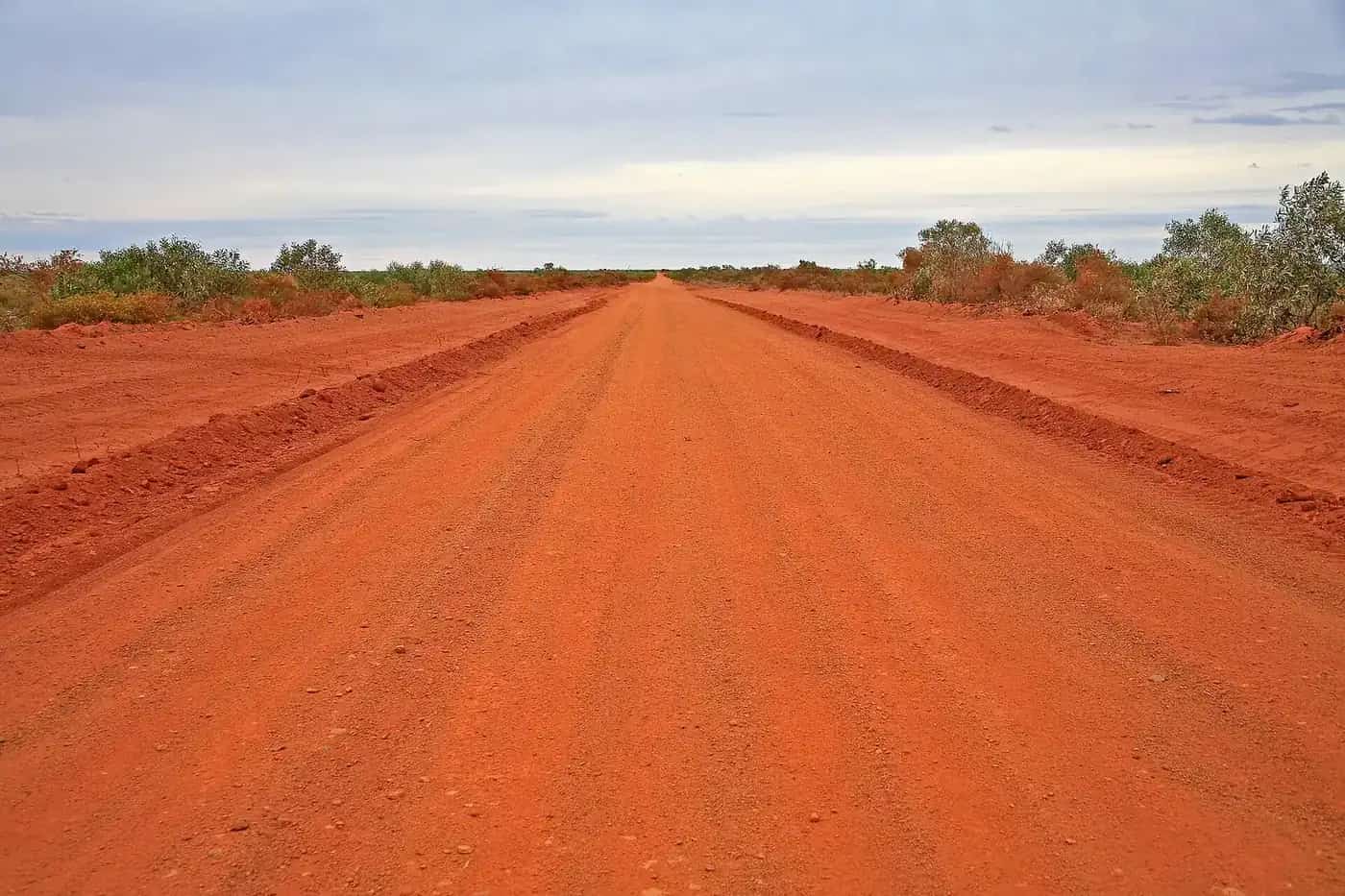
Rainfall 465.7 mm sits between Nyngan’s 445.6 mm and Moree’s 577.2 mm. Enough rain, on black-soil and opal-field tracks, to close unsealed access after wet spells. Check Live Traffic NSW rather than assuming the Castlereagh is always a dry highway.
Median (decile 5) annual rainfall is 445.2 mm over 29 years — a little below the mean, which is typical when a few wetter years lift the average.
Summer and the 40°C bath
Visit NSW quotes the public bore baths at around 40°C. In January that is a dawn or after-dark activity, not a midday stack on top of 36-plus air. The tourism association: baths open 22 hours, closed around 10am for cleaning; water often in the low 40s; no lifeguards.
The same FAQ is the sourced warning for the fields: during the off-season temperatures can reach 45–50°C, and many shops and visitor experiences close. Tours generally run April to the end of September. That is an operator-season fact sitting on top of the BOM mean, not a contradiction of it.
Towing 727 km from Sydney or 719 km from Brisbane (association table) in January is a heat-and-fatigue problem. See outback summer heat.
Winter and festival weather
July’s 19.0°C mean maximum and 5.2°C mean minimum are why people drive here for a hot pool in winter. Days are mild; nights need a layer after a soak. The Lightning Ridge Opal Festival sits in July. Book accommodation rather than arriving at dusk on a festival weekend.
August is the driest mean month (21.9 mm). November is the wettest (54.1 mm). Neither figure is a forecast. Unsealed Grawin/Glengarry access after a wet November still belongs on Live Traffic NSW.
When to go
The association’s on-season is end of March to October: cool mornings, warm days, minimal rain in their wording, sunny skies, low humidity. From the BOM means:
- April–September — tours running on the association’s calendar, July the coolest mean-max month, festival demand
- Summer — workable for the baths if you treat 36.3°C as a plan and confirm what is open
- After heavy rain — sealed town grid is still usable; delay field tracks and outer-field pubs until the road report agrees
See outback weather by month and best time to visit.
What weather does not change
- Yuwaalaraay and Gamilaraay Country
- Unfenced shafts on the fields
- The need to confirm tourist-mine hours
- Three servos in town (association)
Road conditions remain Live Traffic NSW in every season. Operators listing beds or tours: feature your business. Region context: outback NSW.
Plan this trip
Tell us the dates, who you are travelling with and where you need help. We reply with planning notes for Lightning Ridge — we are not a booking agent.
Frequently asked questions
How hot is Lightning Ridge in summer?
January’s mean maximum at Lightning Ridge Visitor Information Centre (048243) is 36.3°C. That is a mean, not a record. The tourism association says summer on the fields can reach 45–50°C.
How cold is winter?
July has the coolest mean maximum, 19.0°C, and the coolest mean minimum, 5.2°C. Days are mild; nights are cool enough for a layer after a 40°C soak.
How much rain does Lightning Ridge get?
Mean annual rainfall 465.7 mm over 26 years (1997–2026) at station 048243. November’s mean is 54.1 mm, the wettest month on that table; August 21.9 mm is the driest.
Sources and further reading
Facts on this page were checked against these primary and official sources. Conditions change — confirm before you travel or buy.
- Climate statistics for Lightning Ridge Visitor Information Centre (048243) — Bureau of Meteorology
- FAQs — Lightning Ridge Tourism Association
- Lightning Ridge — Destination NSW
- Live Traffic NSW — Transport for NSW